
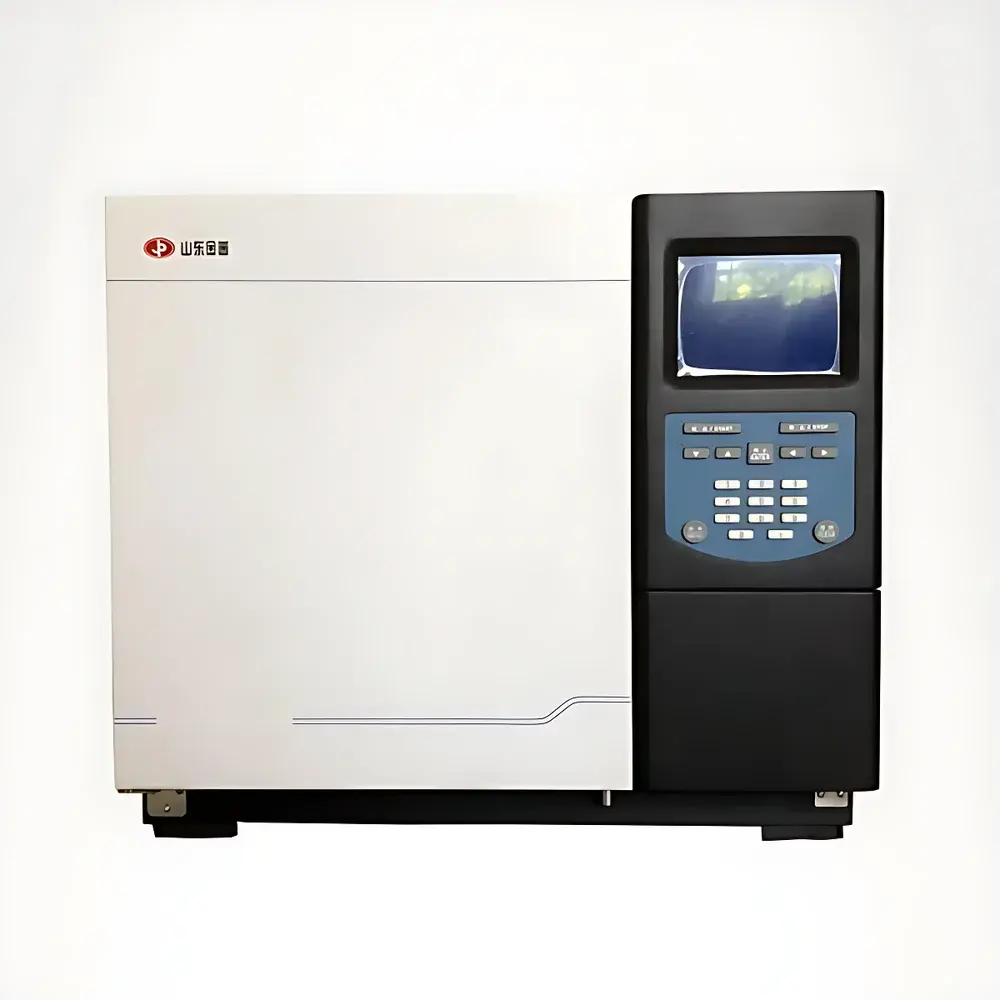
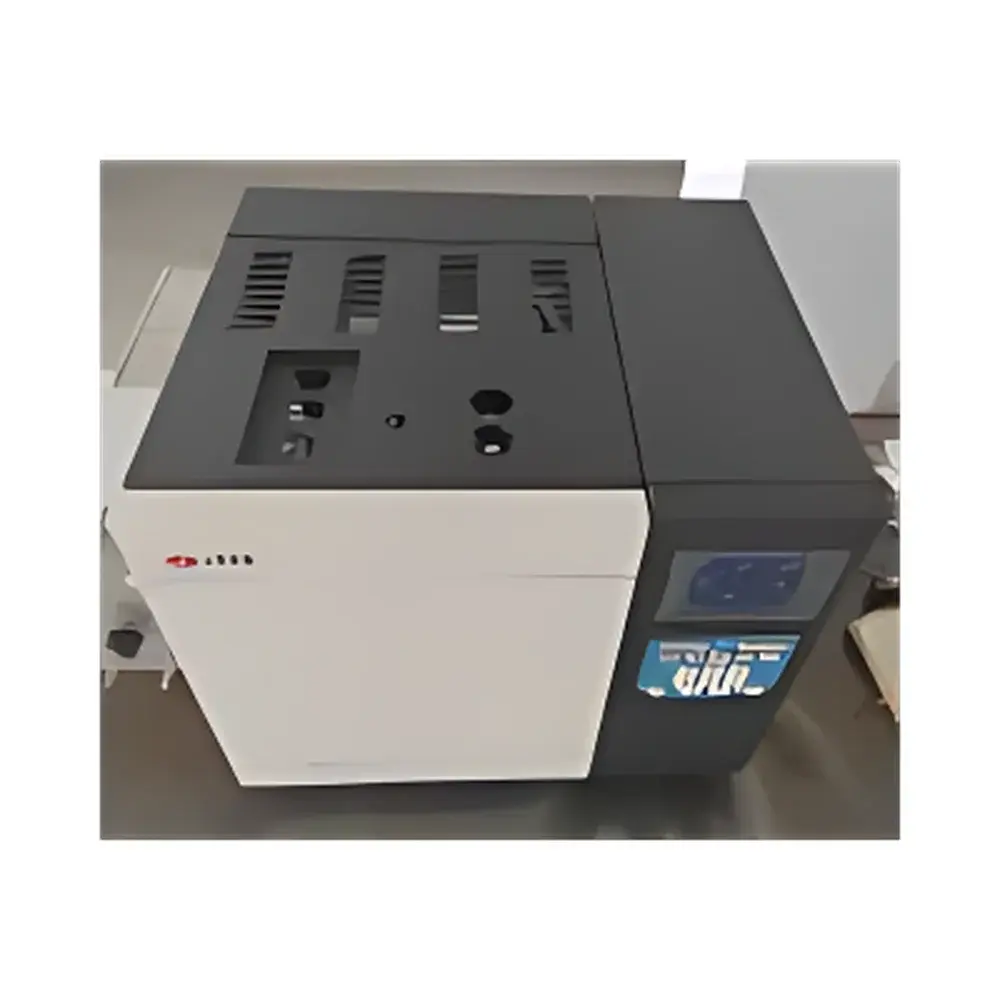
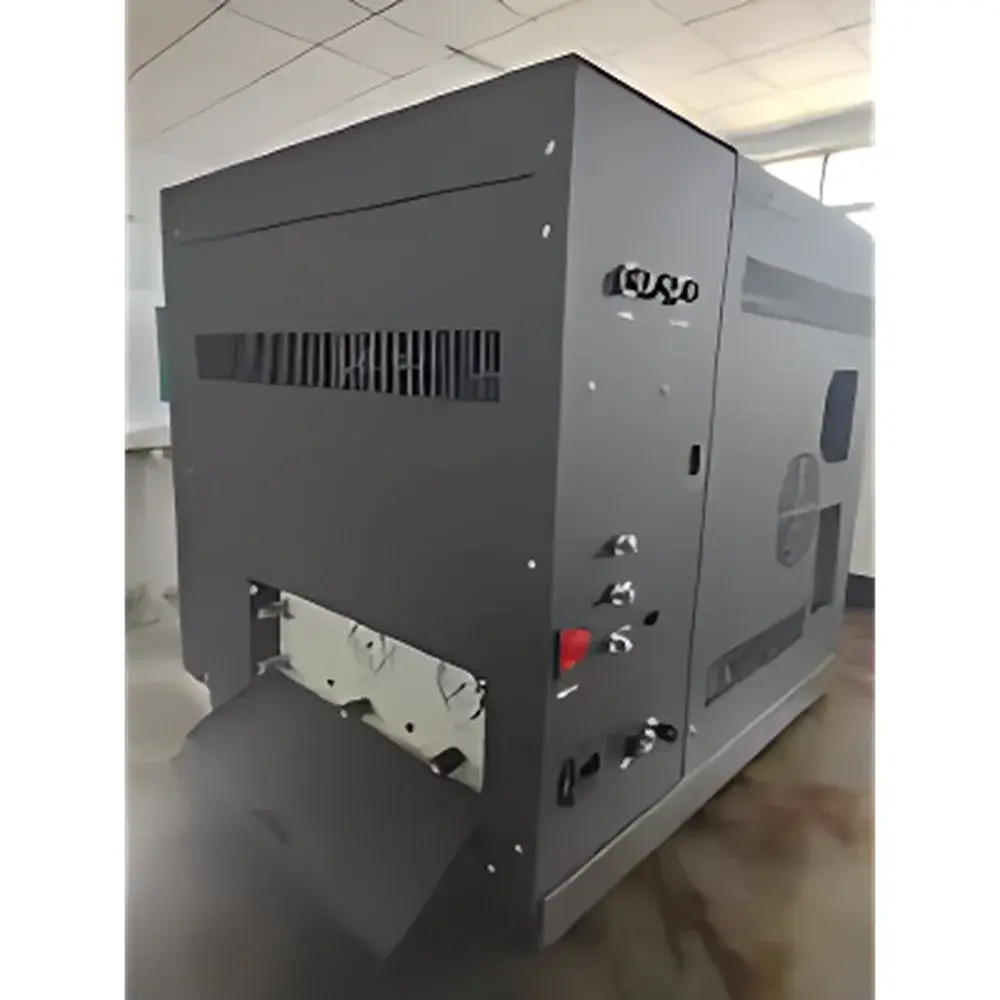
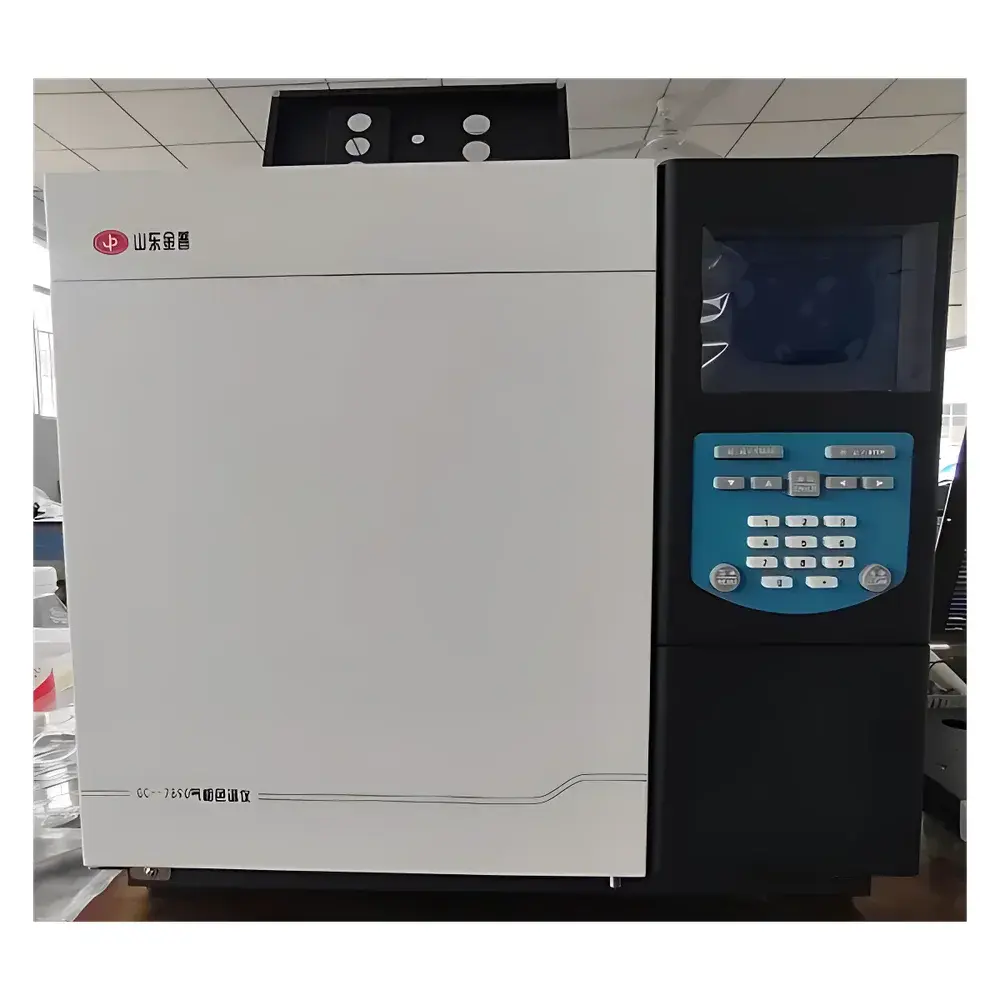
JP GC-7890 Dedicated Gas Chromatograph for Alcohol and Baijiu Analysis
| Brand | JP |
|---|---|
| Origin | Shandong, China |
| Instrument Type | Laboratory Gas Chromatograph |
| Model | GC-7890 |
| Column Oven Temperature Range | Ambient +5°C to 450°C (0.1°C increments) |
| Temperature Accuracy | ±0.1°C |
| Max Heating Rate | 40°C/min |
| Detector Options | FID, TCD, FPD, NPD, ECD |
| Dual-Column Capability | Yes (2 capillary or 2 packed columns) |
| Programmable Temperature Ramping | 7-stage |
| Independent Injector/Detector Zones | 6 temperature-controlled zones |
| Operating Voltage | AC 220 V ±10%, 50 Hz |
| Power Consumption | ≤2.2 kW |
| Dimensions | 660 × 460 × 465 mm |
| Weight | 60 kg |
Overview
The JP GC-7890 is a dedicated laboratory gas chromatograph engineered for precise, reproducible quantitative and qualitative analysis of volatile organic compounds in alcoholic beverages—particularly Chinese baijiu (distilled spirit). It operates on the fundamental principle of gas–solid or gas–liquid partition chromatography, where sample components are separated based on differential partitioning between a mobile gas phase (carrier gas, e.g., H₂, He, or N₂) and a stationary phase coated inside fused-silica capillary or packed columns. Its modular architecture supports method-specific configurations—including dual-column parallel/series setups, multi-dimensional GC (MDGC), and integration with headspace samplers or thermal desorbers—enabling robust resolution of complex ethanol–ester–aldehyde–higher alcohol matrices typical of baijiu fermentation profiles. Designed for routine QC/QA labs in distilleries, regulatory testing centers, and food safety laboratories, the GC-7890 complies with core analytical requirements outlined in GB/T 10345–2007 (Chinese National Standard for Baijiu Analysis), as well as general chromatographic validation principles aligned with ISO/IEC 17025 and USP .
Key Features
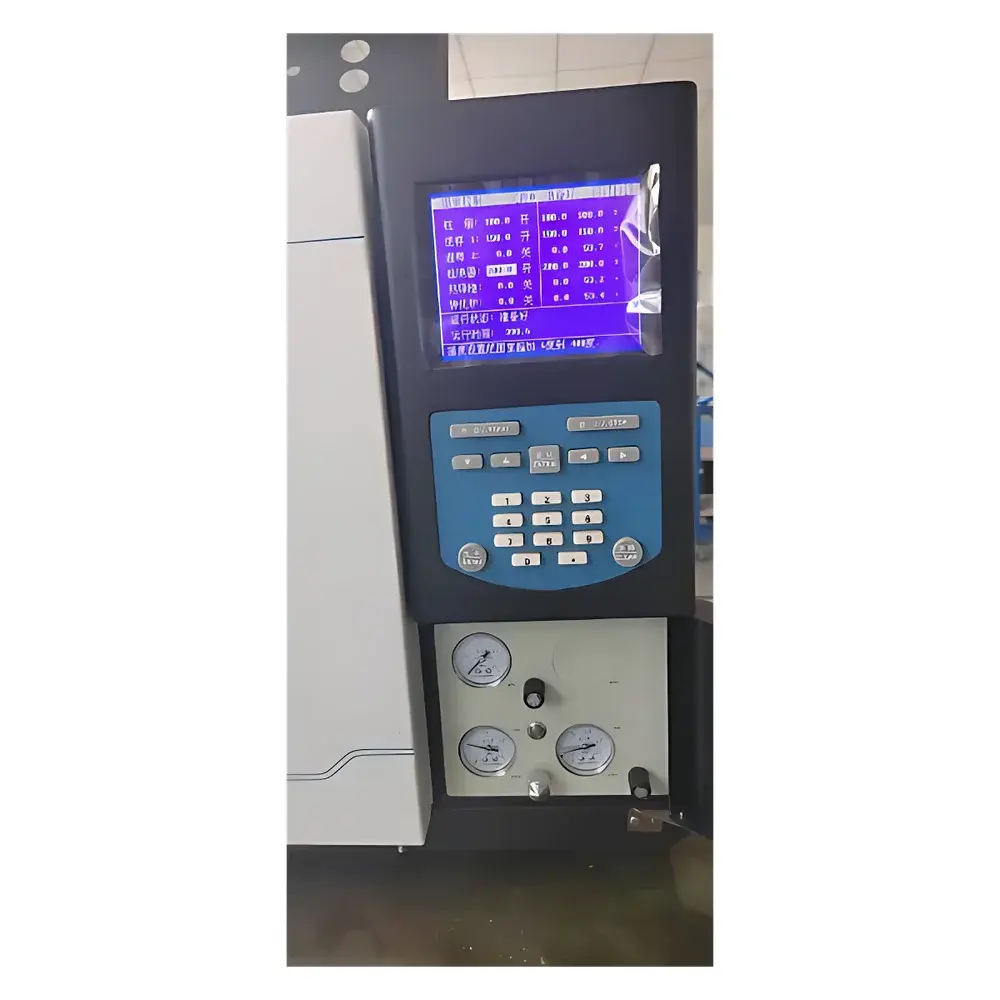
- Microprocessor-based control system with full Chinese-language keyboard interface and real-time LCD display for intuitive operation and status monitoring.
- Advanced column oven design featuring intelligent dual rear doors, enabling rapid cooling from 450°C to ambient using optional dry ice or liquid nitrogen—supporting extended low-temperature operation down to −80°C for enhanced separation of highly volatile congeners (e.g., acetaldehyde, ethyl acetate).
- Six independent temperature zones with seven-segment programmable ramping; injector and detector blocks maintain stable setpoints from ambient +10°C to 400°C.
- Comprehensive hardware-level safety protocols: over-temperature cutoff, power-failure retention, carrier gas failure detection, and open/short-circuit diagnostics for platinum resistance thermometers (PRTs).
- Modular detector bay accommodating up to three simultaneous detectors—including flame ionization (FID), thermal conductivity (TCD), flame photometric (FPD), nitrogen–phosphorus (NPD), and electron capture (ECD)—with optional methane converter for total hydrocarbon quantification.
- Patented integrated heating module (ZL 2012 20286908.X) ensures uniform vaporization and minimizes thermal degradation of labile esters during injection; auto-sampling trigger logic (ZL 2012 2 0285852.6) synchronizes data acquisition with valve actuation.
Sample Compatibility & Compliance
The GC-7890 is optimized for direct injection, headspace, or purge-and-trap analysis of aqueous-alcoholic solutions, distillates, and aged spirits. It routinely resolves >30 key flavor-active compounds—including methanol, ethanol, propanol, isoamyl alcohol, ethyl caproate, ethyl lactate, and diethyl succinate—within standardized 20–35 min runs per GB/T 10345–2007 Annex A. All configurations meet mechanical and electrical safety requirements per GB 4793.1–2007 (equivalent to IEC 61010-1). While not pre-certified for FDA 21 CFR Part 11, its digital output (optional built-in ADC) supports audit-trail-ready data export to compliant LIMS or chromatography data systems (CDS) when paired with validated software workflows adhering to GLP/GMP documentation practices.
Software & Data Management
Instrument control and data acquisition are performed via embedded firmware with ASCII-based ASCII/CSV export capability. Raw signal files (.dat) contain time-stamped analog voltage traces synchronized to temperature events and valve timing. For regulatory environments, third-party CDS platforms (e.g., Chromeleon, OpenLAB CDS) can be interfaced via RS-232 or optional Ethernet module (not included). All calibration curves, integration parameters, and sequence logs are user-editable and exportable—facilitating traceability per ISO/IEC 17025 clause 7.7 (result reporting) and internal SOPs governing spirit authenticity verification.
Applications
- Quantitative determination of methanol and fusel oils in baijiu per national safety limits (GB 2757–2012).
- Profiling ester-to-alcohol ratios to assess fermentation maturity and aging status.
- Detection of off-flavor contaminants (e.g., dimethyl sulfide, geosmin) in raw grain mashes.
- Authenticity screening via volatile fingerprint matching against reference libraries.
- Method development for high-resolution separation of structural isomers (e.g., n-propanol vs. isopropanol) using polar PEG-based capillary columns.
FAQ
Is the GC-7890 compliant with Chinese national standards for baijiu testing?
Yes—it is routinely deployed in accordance with GB/T 10345–2007 and GB 2757–2012, with validated methods available for methanol, total esters, and individual congener quantification.
Can it operate unattended overnight for batch analysis?
With compatible autosamplers (e.g., HS-100 headspace unit or AOC-20i liquid autosampler), the system supports scheduled sequences of up to 99 injections with automatic shutdown and temperature ramping.
What maintenance intervals are recommended for FID and TCD detectors?
FID jet cleaning and collector electrode inspection every 200–300 hours of operation; TCD filament resistance verification quarterly or after exposure to oxygen-containing solvents.
Does the instrument support ASTM D3606 or ISO 6416 hydrocarbon analysis protocols?
Yes—when configured with a dual-TCD setup and alumina/PLOT column, it meets precision and repeatability criteria for light hydrocarbon speciation in fuel-grade ethanol.
Is remote diagnostics supported?
Basic fault codes and temperature status are accessible via serial port; full remote access requires external industrial gateway integration and IT-administered network configuration.
Related Products





