
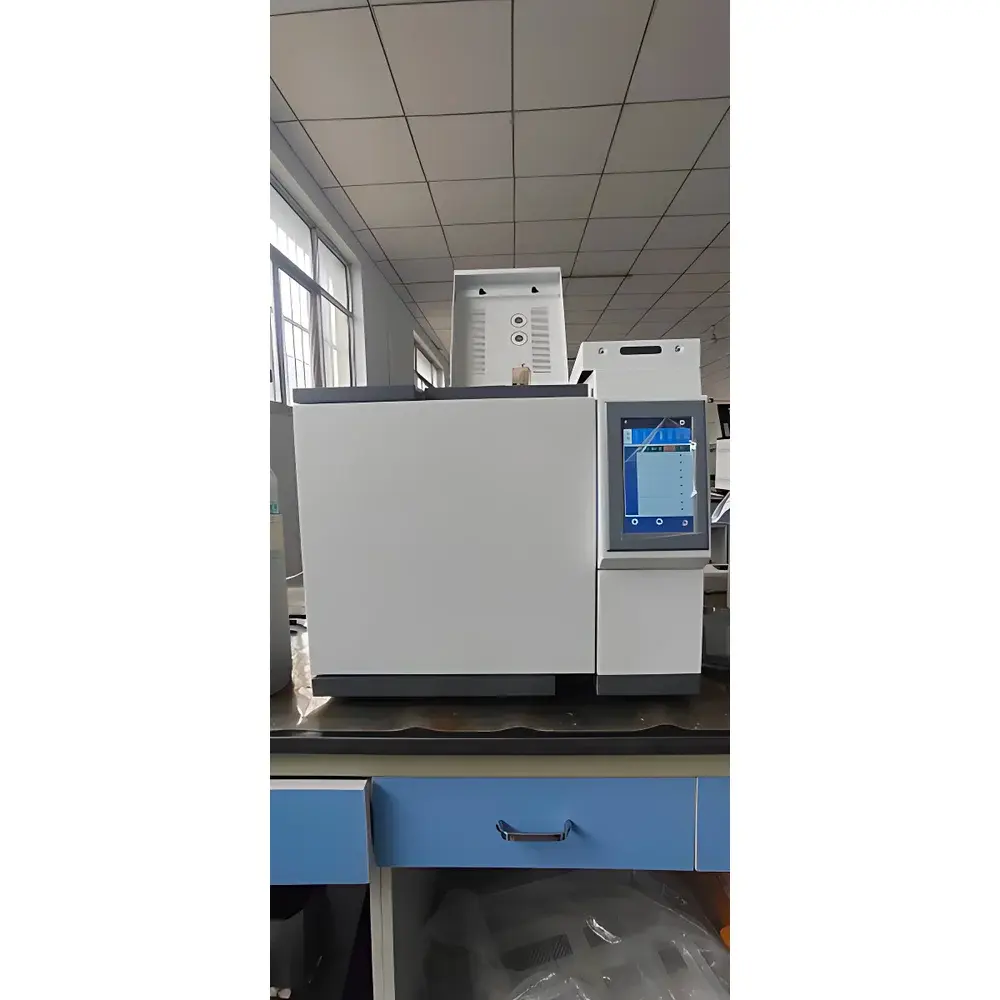
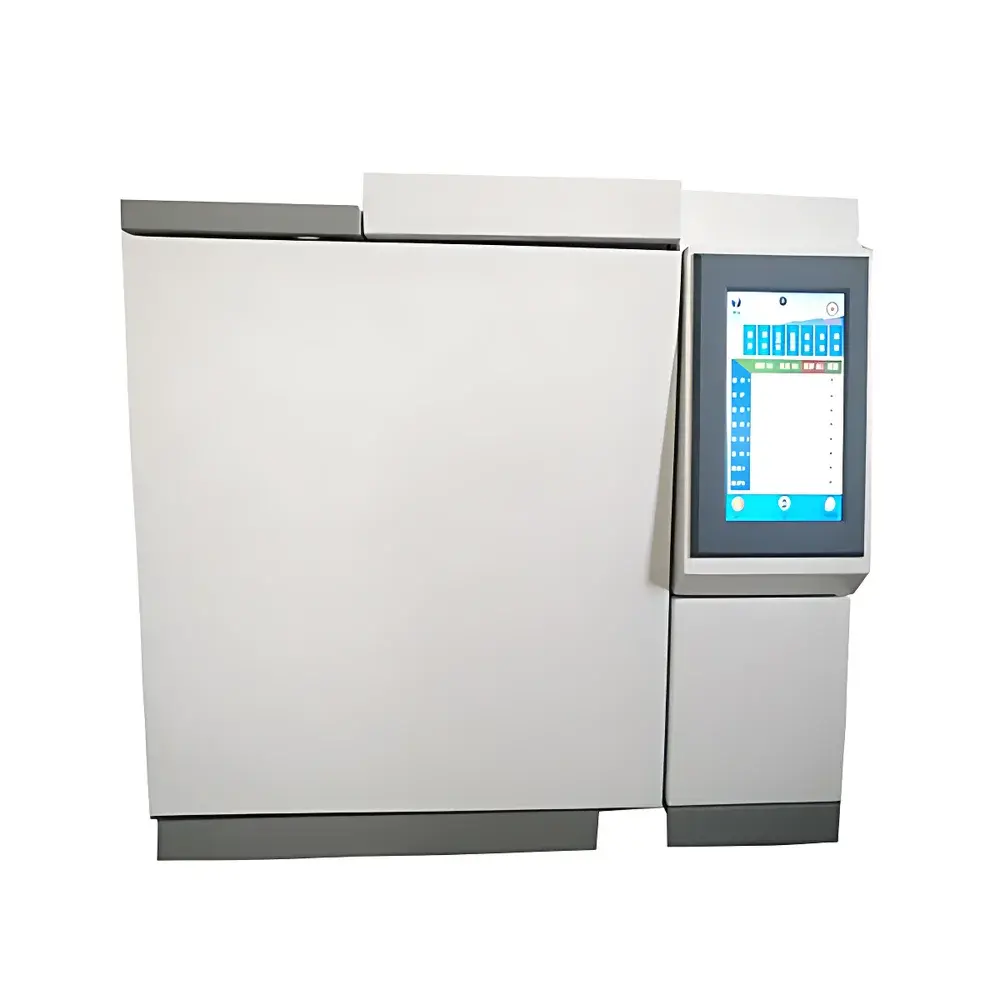
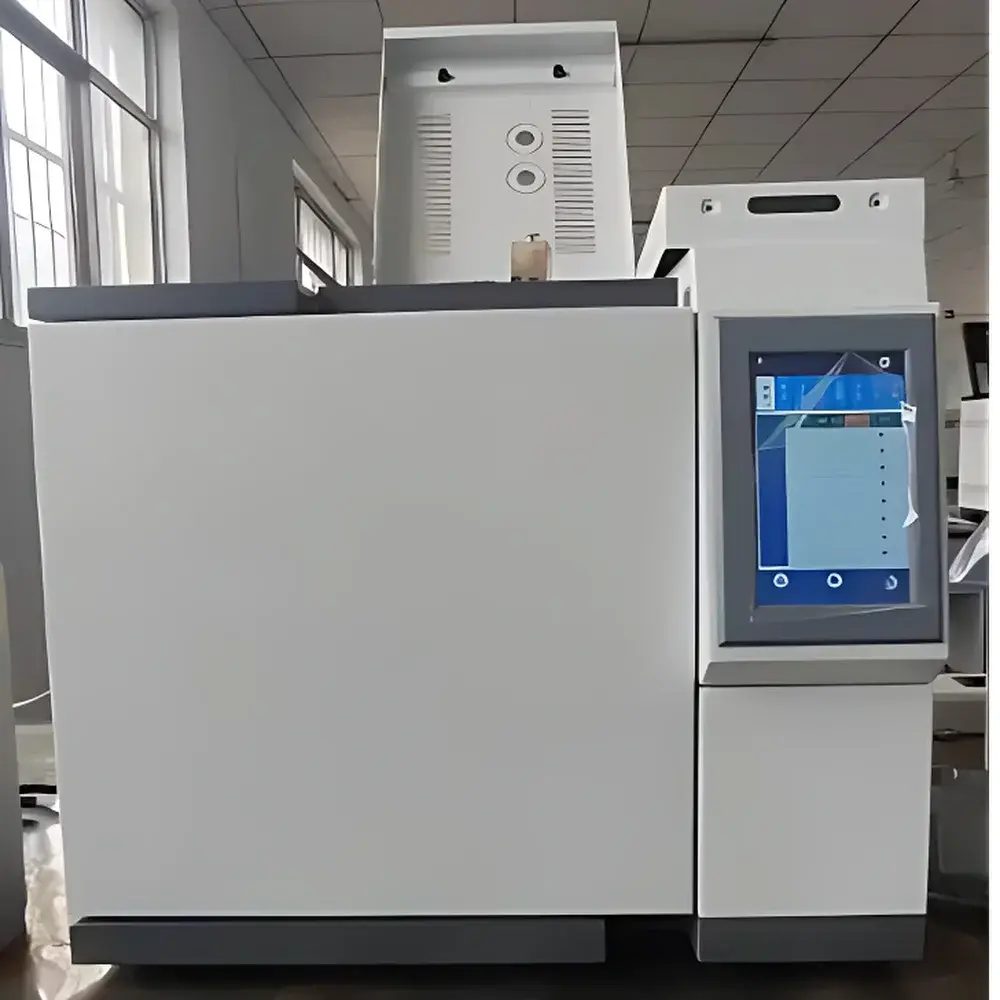
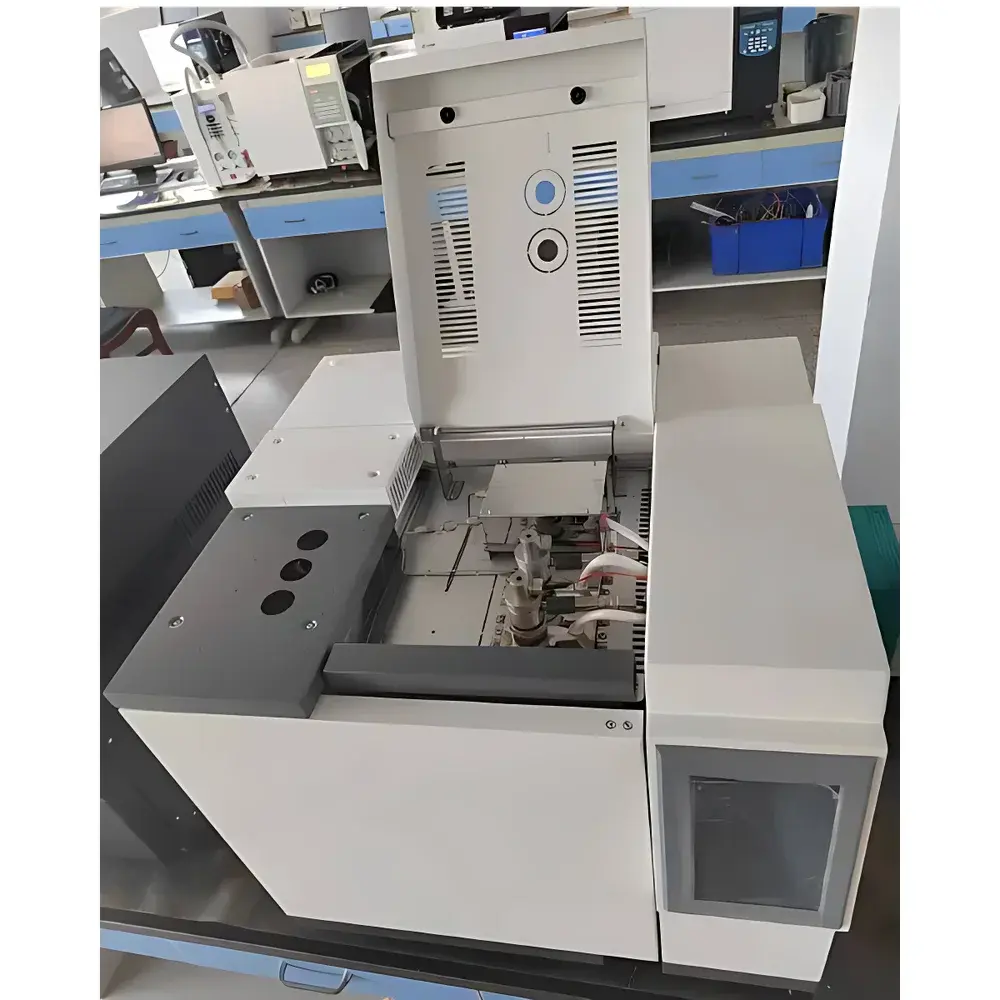
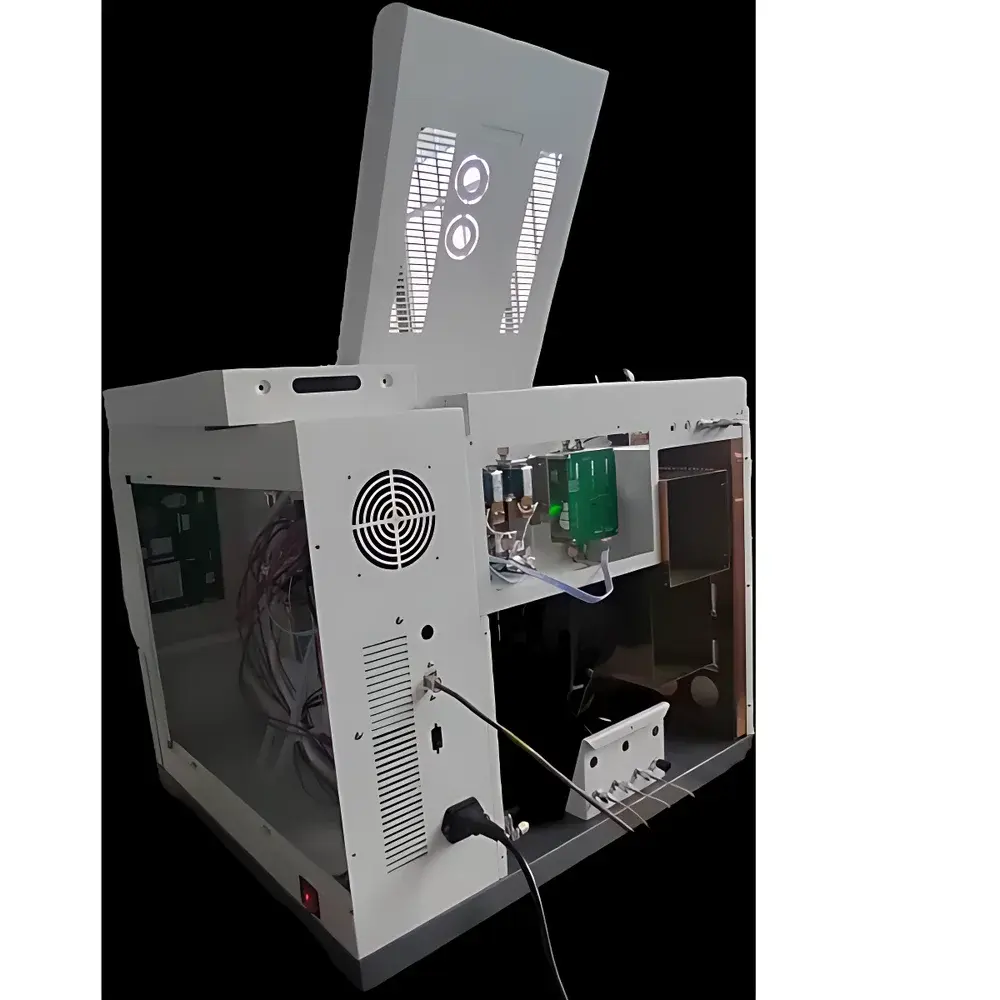
JP GC-8890 Laboratory Gas Chromatograph with Multi-Detector Support and Advanced EPC/EFC Control
| Brand | JP |
|---|---|
| Origin | Shandong, China |
| Model | GC-8890 |
| Instrument Type | Benchtop Laboratory Gas Chromatograph |
| Temperature Control Range | Ambient +4 °C to 450 °C |
| Temperature Precision | ±0.1 °C |
| Programmable Temperature Ramping | 16-step, up to 80 °C/min |
| Electronic Pressure/Flow Control (EPC/EFC) | 4-stage programming, 0–0.6 MPa pressure range, 0–500 sccm flow range, resolution: 0.01 kPa / 0.01 sccm |
| Detectors Supported | FID (Mt ≤ 2×10⁻¹² g/s), TCD (S ≥ 12,000 mV·mL/mg), ECD (M ≤ 2×10⁻¹⁴ g/mL), FPD, NPD |
| Inlet Options | Split/splitless, PTV, headspace, pyrolysis |
| Compliance | Designed for GLP-compliant laboratories |
Overview
The JP GC-8890 is a high-performance, network-enabled laboratory gas chromatograph engineered for precise qualitative and quantitative analysis of volatile and semi-volatile organic compounds in complex matrices. Based on the fundamental principle of differential partitioning between a mobile gas phase (carrier gas) and a stationary liquid or polymer phase coated inside a fused-silica capillary column, the GC-8890 separates analytes according to their volatility, polarity, and molecular interaction affinity. Its modular architecture supports concurrent operation of multiple detectors—including flame ionization (FID), thermal conductivity (TCD), electron capture (ECD), flame photometric (FPD), and nitrogen-phosphorus (NPD)—enabling method flexibility across diverse application domains such as petrochemical feedstock purity verification, environmental TVOC and BTEX speciation, refrigerant gas analysis (e.g., heptafluoropropane), and spirit congener profiling in baijiu. The instrument integrates a fully digital electronic pressure and flow control (EPC/EFC) system, ensuring reproducible retention time alignment and robust method transferability under varying ambient conditions.
Key Features
- Eight independently programmable temperature zones—including oven, injector(s), detector(s), and auxiliary modules—with control precision of ±0.1 °C and ramp rates up to 80 °C/min.
- Advanced EPC/EFC system supporting three operational modes (constant flow, constant pressure, split ratio control) and four carrier gases (He, H₂, N₂, air); enables 4-stage pressure/flow programming for optimized multi-analyte elution.
- 10/100 Mbit Ethernet interface enabling full remote instrument control, real-time status monitoring, and bidirectional data exchange via standard TCP/IP protocols—compatible with LIMS and enterprise CDS platforms.
- 7-inch capacitive touchscreen HMI with intuitive graphical workflow navigation, local method storage, and embedded diagnostics—including auto-ignition and flame-out detection (Patent ZL2012 2 0285854.5).
- Dual-detector capability: simultaneous FID/TCD operation or dual-FID/dual-TCD configurations for parallel signal acquisition and cross-validation.
- Patented rear-door cooling system (ZL2012 2 0286920.0) enabling stable near-ambient oven operation down to 4 °C above ambient, critical for low-boiling compound resolution.
- Four external event inputs supporting automated valve sequencing, column switching, and multidimensional GC (GC×GC) configurations.
- Fully integrated autosampler and headspace sampler compatibility via standardized RS-232/Ethernet interfaces—enabling unattended overnight analysis with full sequence logging.
Sample Compatibility & Compliance
The GC-8890 accommodates a broad spectrum of sample introduction techniques: liquid injection (split/splitless, PTV), solid-phase microextraction (SPME), dynamic headspace, purge-and-trap, and thermal desorption. It is routinely deployed for ASTM D3612 (hydrocarbon impurities in transformer oil), ISO 16000-6 (indoor air TVOC), USP (residual solvents in pharmaceuticals), and GB/T 10345–2007 (Chinese baijiu congener analysis). While the base configuration meets general laboratory requirements, full regulatory compliance—including 21 CFR Part 11 electronic signature and audit trail functionality—requires integration with a validated third-party chromatography data system (CDS) operating in secure, role-based access mode. All hardware components adhere to IEC 61010-1 safety standards for laboratory electrical equipment.
Software & Data Management
Instrument control and data acquisition are managed through JP’s proprietary GC Navigator software, compatible with Windows 10/11 (64-bit). The platform supports method development wizards, automatic peak integration using iterative baseline algorithms, library search against NIST MS/MS and custom spectral databases, and customizable report templates compliant with ISO/IEC 17025 documentation requirements. Raw data files (.jpd) are stored in open-format HDF5 containers, ensuring long-term readability and interoperability. When connected to enterprise-grade CDS (e.g., Thermo Chromeleon, Agilent OpenLab CDS), the GC-8890 supports full electronic record retention, user-level permission hierarchies, electronic signatures, and immutable audit trails meeting GLP/GMP validation prerequisites.
Applications
- Chemical raw material QC: Quantification of residual monomers, catalyst traces, and solvent impurities in polymer precursors per ISO 10564.
- Environmental VOC monitoring: Speciation and quantitation of benzene, toluene, ethylbenzene, xylenes (BTEX), and total volatile organic compounds (TVOC) in indoor air, soil gas, and wastewater effluent.
- Refrigerant gas analysis: Purity assessment of heptafluoropropane (HFC-227ea) and other halocarbon agents per AHRI Standard 700.
- Baijiu quality control: Profiling of esters (ethyl acetate, ethyl hexanoate), alcohols (isoamyl alcohol, β-phenylethanol), and aldehydes (acetaldehyde) to authenticate origin and fermentation profile per GB/T 10345.
- Petrochemical testing: Hydrocarbon group-type analysis (PIONA) in gasoline and naphtha fractions using dual-column, dual-detector setups.
FAQ
Is the GC-8890 compliant with 21 CFR Part 11?
The instrument hardware supports electronic records and audit trail generation; however, full Part 11 compliance requires deployment with a validated chromatography data system (CDS) that implements electronic signatures, role-based access control, and immutable audit logs.
Can the GC-8890 perform method transfer from other GC platforms?
Yes—its high-precision EPC/EFC system, consistent temperature ramping, and standardized detector interfaces enable reliable method portability across major vendor platforms when using equivalent column dimensions and carrier gas types.
What maintenance intervals are recommended for the FID and TCD detectors?
FID jet cleaning and collector electrode inspection are recommended every 200 injections or monthly, whichever occurs first; TCD filament resistance calibration should be performed quarterly or after any major gas supply change.
Does the GC-8890 support cryogenic oven cooling?
While the standard configuration achieves -80 °C with optional liquid nitrogen cooling, routine operation below ambient is enabled by the patented rear-door system without cryogen dependency.
How many samples can be queued in unattended operation?
With an autosampler configured for 100-position vial trays and headspace samplers supporting 40-sample racks, the GC-8890 supports continuous 72-hour unattended sequences when combined with scheduled method switching and auto-shutdown protocols.





