Anton Paar AP Connect Laboratory Execution System
| Brand | Anton Paar |
|---|---|
| Origin | Austria |
| Manufacturer Type | Manufacturer |
| Origin Category | Imported |
| Model | AP Connect |
| Pricing | Upon Request |
Overview
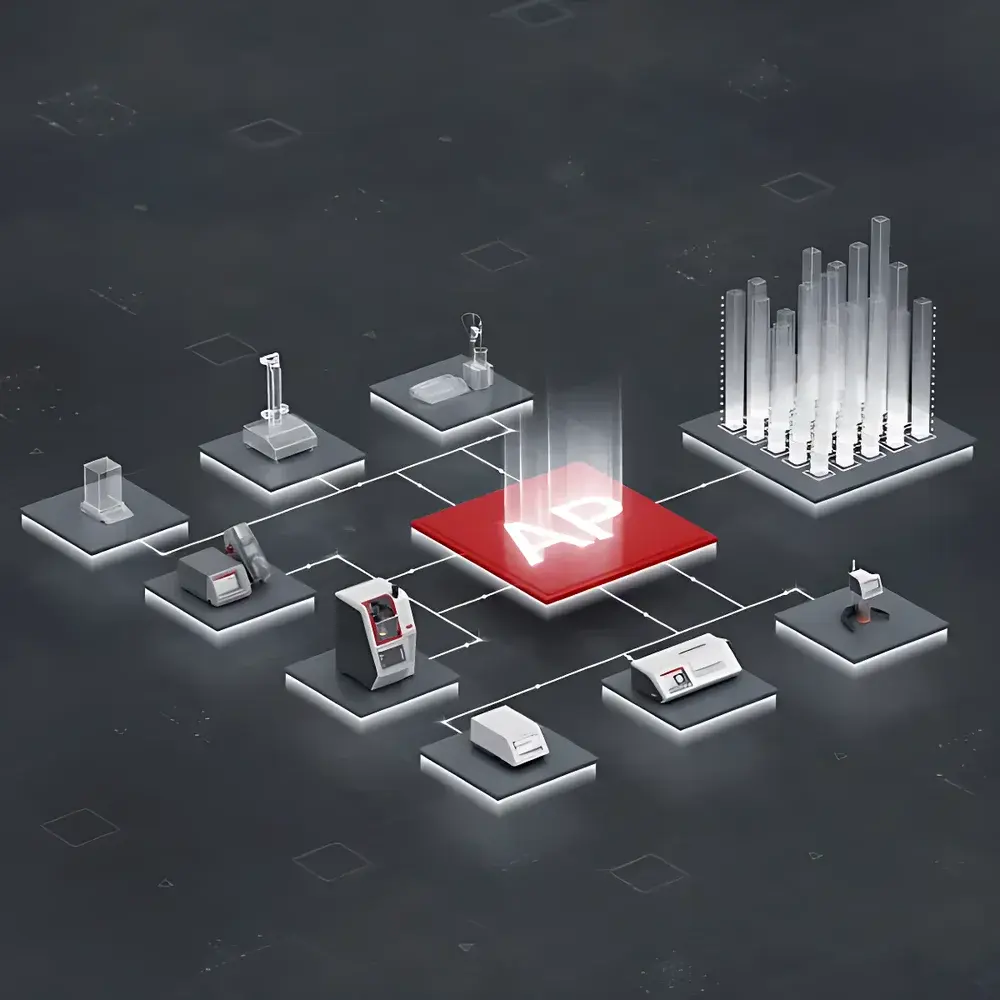
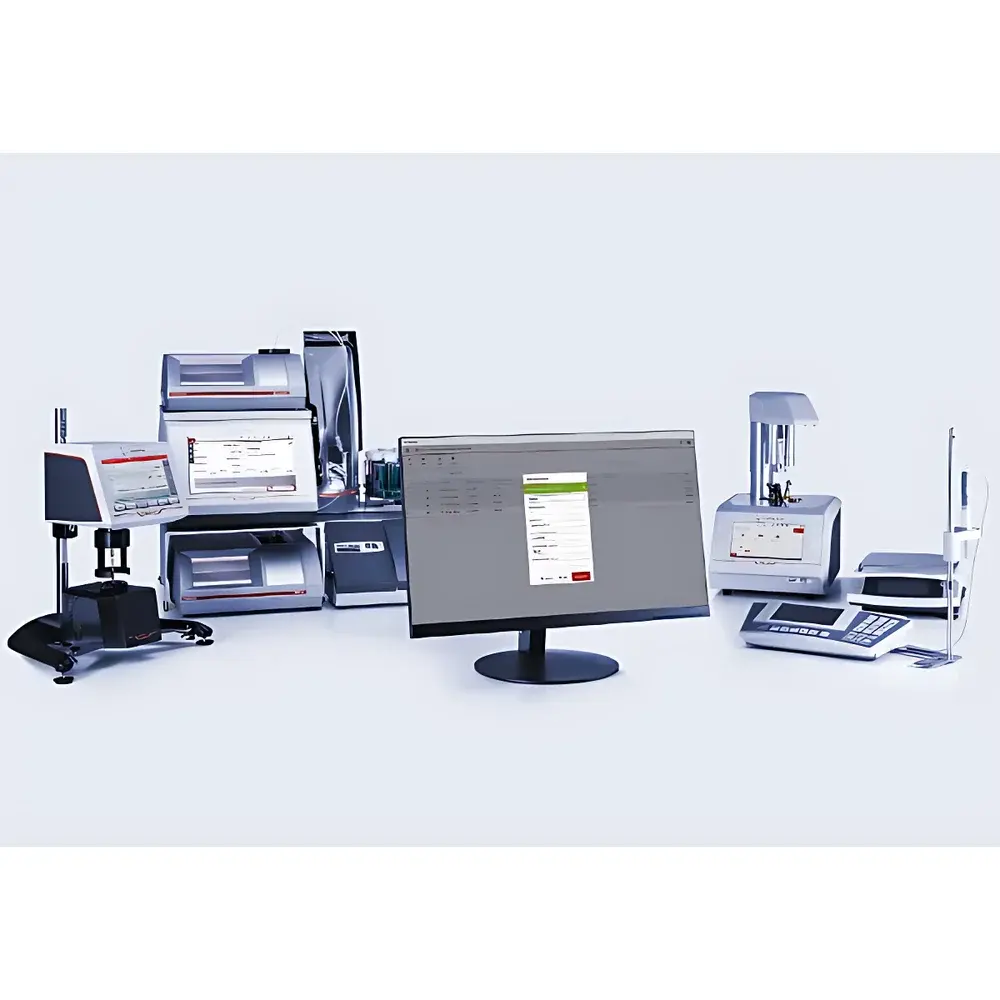
The Anton Paar AP Connect Laboratory Execution System (LES) is a vendor-agnostic middleware platform engineered to unify, automate, and secure laboratory data acquisition, processing, and transfer across heterogeneous instrument fleets. Unlike traditional point-to-point integrations or proprietary data loggers, AP Connect operates as a central orchestration layer—interfacing with instruments via native protocols (RS232, Ethernet), file-based ingestion (.csv, .xlsx, .pdf), and modern RESTful APIs. Its architecture follows the principles of ALCOA+ (Attributable, Legible, Contemporaneous, Original, Accurate, Complete, Consistent, Enduring, Available), ensuring foundational compliance with data integrity requirements in regulated environments. Designed for laboratories transitioning from paper-based workflows to digital maturity, AP Connect eliminates manual transcription, reduces human error, and establishes a single source of truth for measurement results, metadata, instrument configurations, and audit trails—regardless of device age, manufacturer, or communication interface.
Key Features
- Vendor-neutral instrument integration: Supports over 50 third-party instrument types—including pH meters (Metrohm, Mettler Toledo), particle counters (Beckman Coulter), ICP-MS (PerkinElmer), titrators (Metrohm), spectrometers (Thermo Fisher, Malvern Panalytical), and rheometers (Anton Paar)—via validated adapters.
- Automated measurement execution: Enables sample list generation through AP Connect UI, file-based import, or REST API calls; triggers instrument measurements remotely and logs contextual metadata (operator ID, timestamp, method version, environmental conditions).
- Configurable data export rules: Up to 100 rule-based export profiles per installation, supporting PDF, CSV, XLSX, and JSON formats with dynamic naming conventions and folder structures aligned to LIMS/ELN ingestion requirements.
- Role-based access control (RBAC): Enforces granular permissions by user role—e.g., operator, supervisor, QA reviewer—governing instrument assignment, measurement initiation, data viewing, and approval workflows.
- Electronic signature & audit trail: Full 21 CFR Part 11 and EU Annex 11 compliant electronic signatures with immutable, time-stamped audit logs covering all system events—including login attempts, configuration changes, data exports, and approval actions.
- Scalable deployment architecture: Supports both desktop (single-user) and server-based (multi-client) installations; compatible with Microsoft SQL Server 2016–2022 (Express or full editions); validated for up to 100 connected instruments in production environments.
Sample Compatibility & Compliance
AP Connect supports structured and unstructured data from analytical, physical, and chemical testing instruments across food & beverage, petrochemical, pharmaceutical, cosmetics, and environmental sectors. It does not perform sample analysis itself but ensures consistent capture and contextualization of measurement outputs—including raw sensor values, processed results, calibration records, and instrument diagnostics. All data flows adhere to ISO/IEC 17025:2017 (for testing laboratories) and support GLP/GMP-aligned validation documentation packages. The Pharmaceutical Edition includes preconfigured templates for IQ/OQ/PQ protocols, traceable change control logs, and built-in evidence for FDA 21 CFR Part 11 Subpart B (electronic records and signatures). Third-party instrument integrations are functionally verified by Anton Paar; however, formal certification remains the responsibility of the respective OEM.
Software & Data Management
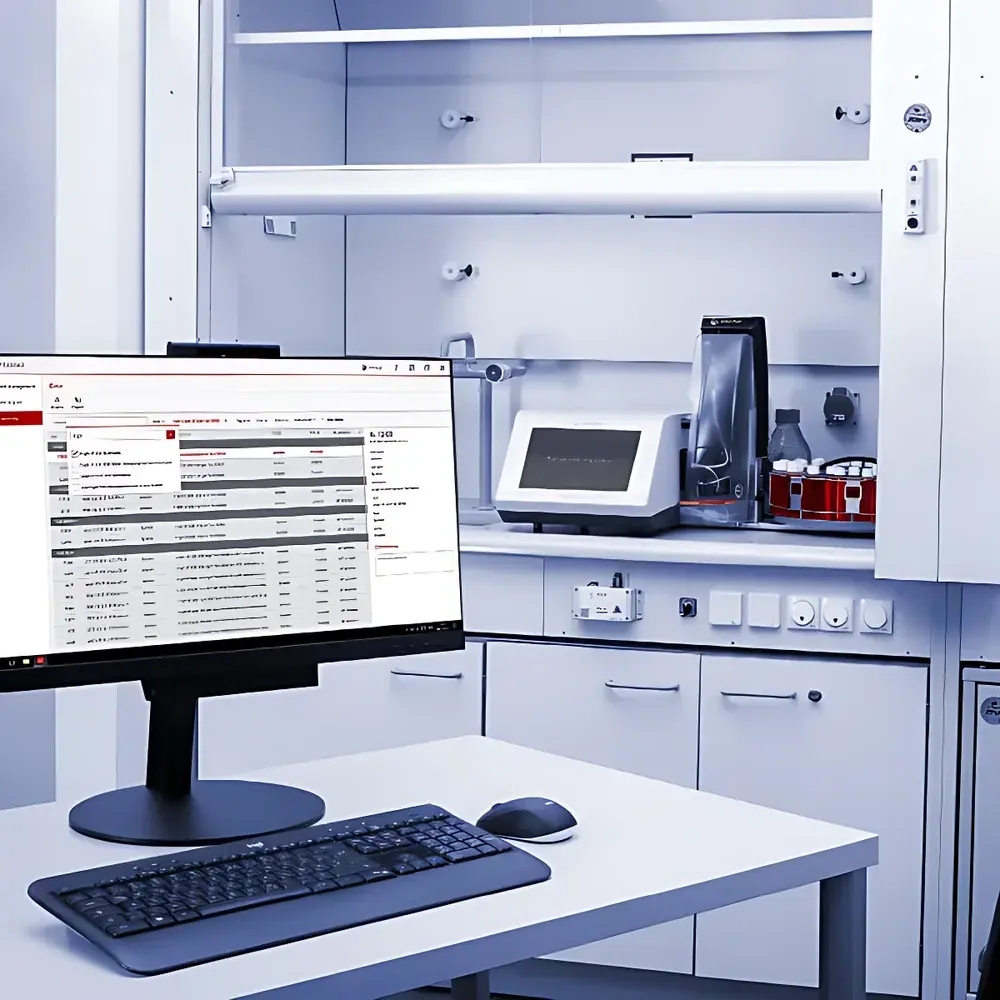
AP Connect provides a centralized, SQL-backed repository with configurable retention policies and encrypted storage at rest and in transit (TLS 1.2+). Its Results Browser enables filtering, sorting, and cross-instrument comparison using custom tags, batch IDs, or metadata fields. Data export modules support scheduled or event-triggered transfers to LIMS, ELN, ERP, or cloud storage via SFTP, SMB, or REST endpoints. For regulated users, the system maintains complete audit trails—including who accessed what data, when, and from which client IP—with no ability to delete or modify historical entries. All software updates undergo rigorous regression testing; version history and patch notes are documented per ISO 13485-compliant release management practices.
Applications
- Pharmaceutical QC labs: Automating dissolution testing, viscosity assays, and particle size distribution reporting while maintaining full 21 CFR Part 11 compliance for regulatory submissions.
- Food safety laboratories: Integrating moisture analyzers (CEM), turbidity meters (Hach), and TOC analyzers (Shimadzu) into unified batch release workflows with automated certificate generation.
- Petrochemical R&D: Correlating rheological data (DVNext, RheolabQC), density measurements (DMA), and FTIR spectra (Thermo Scientific) within a single analytical context for formulation development.
- Contract testing organizations (CTOs): Managing multi-client instrument access, enforcing data segregation, and generating auditable reports with embedded electronic signatures and revision-controlled templates.
- Legacy instrument modernization: Capturing analog or serial-output data from older equipment (e.g., vintage viscometers, manual titrators) without hardware modification—enabling ROI-positive digital transformation.
FAQ
Is AP Connect validated out-of-the-box for GxP environments?
Yes—the Pharmaceutical Edition includes a comprehensive validation support package (IQ/OQ templates, risk assessments, UAT scripts) and is designed for use in environments subject to 21 CFR Part 11, EU Annex 11, and ISO 13485. Final validation remains the customer’s responsibility but is significantly accelerated by Anton Paar’s documented evidence.
Can AP Connect connect to instruments not listed in the official compatibility matrix?
Custom adapter development is possible via Anton Paar’s Professional Services team. Integration feasibility depends on the instrument’s communication protocol (e.g., SCPI, Modbus TCP, vendor-specific SDK availability) and must undergo functional verification prior to deployment.
What database options does AP Connect support?
Microsoft SQL Server 2016 through 2022 (Standard or Express editions) is fully supported. SQL Server Express is sufficient for ≤100,000 measurements; larger deployments require Standard or Enterprise editions with appropriate licensing.
Does AP Connect require continuous internet connectivity?
No—AP Connect operates entirely on-premises or within private cloud infrastructure. Internet access is optional and only required for license activation, software updates, or remote support sessions initiated by the user.
How does AP Connect handle instrument downtime or network interruptions?
Data buffering is implemented at the adapter level: measurements are queued locally on the AP Connect host during transient outages and transmitted once connectivity resumes, preserving chronological integrity and preventing data loss.