
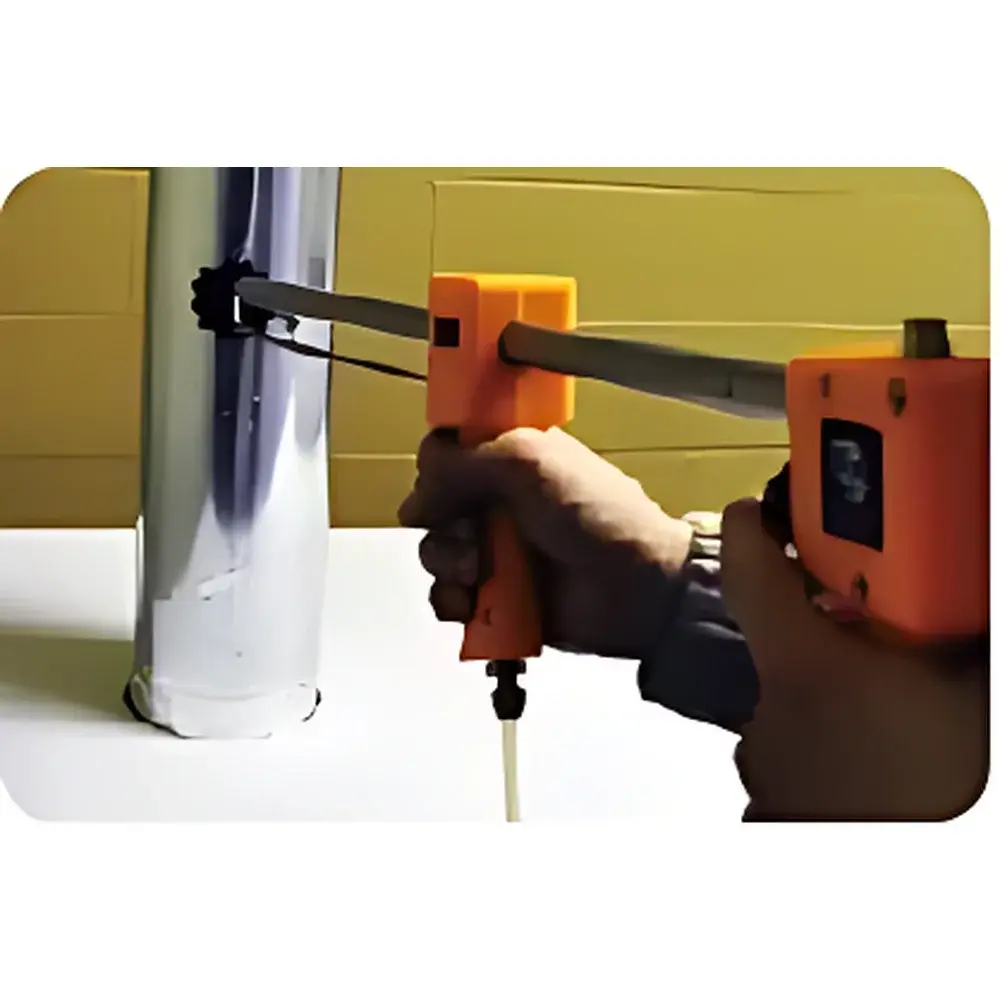
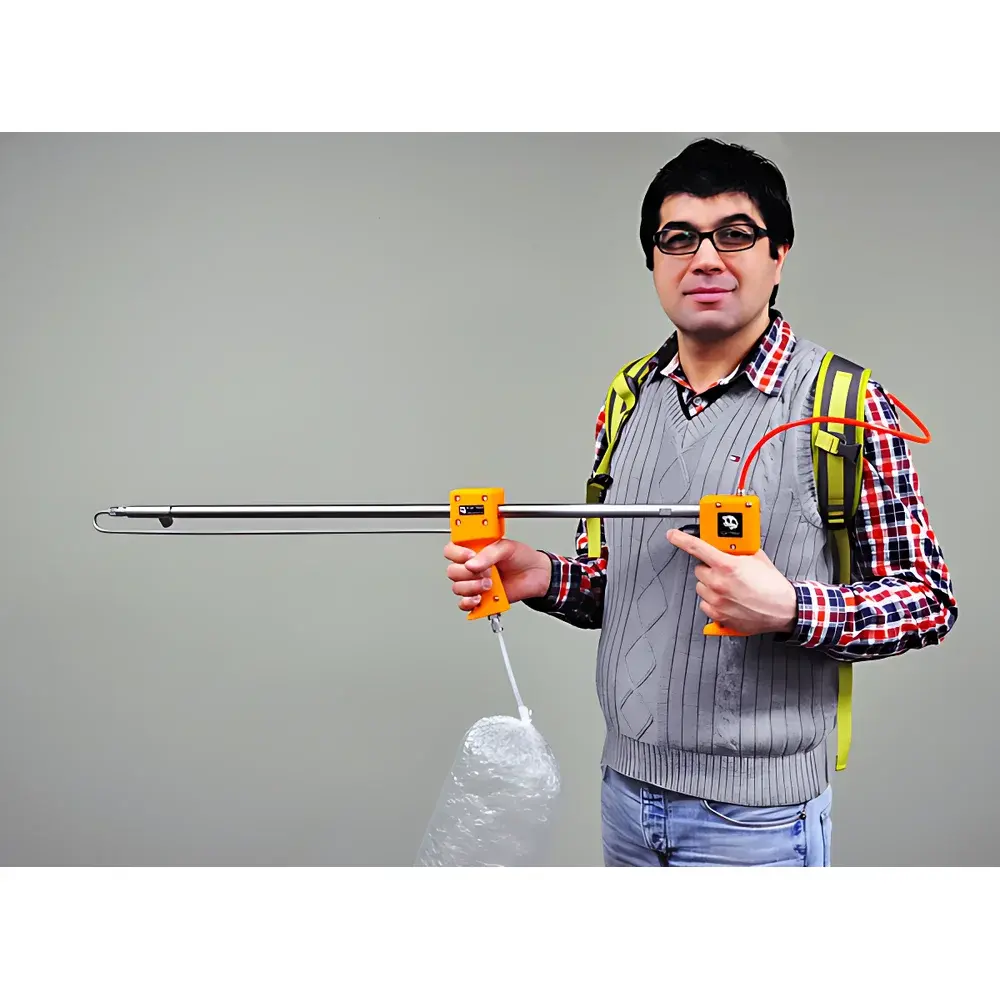
IDES 1013 Odor Source Dilution Sampler
| Brand | IDES |
|---|---|
| Origin | Canada |
| Manufacturer Type | Authorized Distributor |
| Origin Category | Imported |
| Model | 1013 |
| Pricing | Upon Request |
Overview
The IDES 1013 Odor Source Dilution Sampler is a precision-engineered, thermally controlled sampling instrument designed for the quantitative dilution of hot, moisture-laden, and chemically reactive odorant emissions prior to collection in inert sampling bags (e.g., Tedlar® or FlexFoil®). It operates on the principle of dynamic, isokinetic dilution—introducing ultra-pure nitrogen or zero-air at precisely regulated mass flow rates into a heated 35 mm stainless-steel probe, where mixing with the undiluted stack or duct gas occurs under laminar, temperature-stabilized conditions. This approach prevents condensation, minimizes adsorption losses of volatile organic compounds (VOCs), sulfur-containing species (e.g., H₂S, mercaptans), and other polar odorants, and ensures representative sample integrity for subsequent olfactometric analysis (e.g., EN 13725:2022) or instrumental characterization (GC-MS, GC-PID, PTR-TOFMS).
Key Features
- Heated 35 mm stainless-steel sampling probe, maintained at ≥180 °C to suppress condensation and wall adsorption across a wide range of odorant volatilities
- 14-step programmable dilution ratio control—from 1:1 (undiluted) to 1:305—achieved via calibrated dual-mass-flow controllers (MFCs) for carrier gas and sample gas
- Integrated thermal management system with PID-controlled heating zones and real-time probe temperature monitoring (±1 °C accuracy)
- Zero-air or high-purity nitrogen compatibility, with inlet filtration meeting ISO 8573-1 Class 1 for particulates, water, and oil
- Compact, field-deployable chassis with IP54-rated enclosure, CE-marked for industrial environments
- Pressure-compensated flow measurement and automatic back-pressure regulation to maintain isokinetic sampling conditions during variable stack velocities
Sample Compatibility & Compliance
The IDES 1013 is validated for use with emission streams up to 250 °C and dew points up to 120 °C. It supports sampling of complex odor matrices including wastewater treatment off-gases, composting facility headspaces, rendering plant exhausts, and anaerobic digester biogas. The system complies with key regulatory and methodological frameworks: EN 13725:2022 (odor concentration determination by dynamic olfactometry), US EPA Method TO-15 (for VOCs in diluted samples), and ASTM D6196–21 (standard practice for selecting ambient air monitoring methods). All wetted materials—including probe liner, MFC internals, and dilution chamber—are electropolished 316L stainless steel or perfluoroalkoxy (PFA)-lined to ensure chemical inertness and minimize memory effects.
Software & Data Management
The sampler includes an embedded microcontroller with RS-232 and optional Ethernet connectivity. The proprietary firmware logs timestamped operational parameters—including dilution ratio, probe temperature, sample and diluent mass flow rates, differential pressure, and system status—at 1 Hz resolution. Data export is supported in CSV format compliant with LIMS integration requirements. Audit trails meet GLP and ISO/IEC 17025 traceability standards, with user-accessible calibration history, event logging (e.g., temperature excursions, flow deviations), and password-protected configuration settings. Optional software modules provide automated dilution protocol sequencing aligned with EN 13725 dilution series requirements and support 21 CFR Part 11-compliant electronic signatures when deployed in regulated QA/QC environments.
Applications
- Preparation of certified reference dilutions for field olfactometer calibration and panel training
- Stabilized sampling of high-humidity, high-sulfur biogas streams for odorant speciation and quantification
- Compliance monitoring of municipal and industrial odor control systems per local air quality ordinances
- Source apportionment studies requiring reproducible, matrix-matched dilutions for GC-based fingerprinting
- Validation of continuous odor monitoring systems (e.g., metal oxide sensors, e-noses) using standardized diluted challenge gases
FAQ
What dilution ratios are supported, and how are they verified?
The IDES 1013 provides 14 discrete, factory-calibrated dilution steps from 1:1 to 1:305, traceable to NIST-certified flow standards. Each ratio is validated using gravimetric flow verification and dynamic dilution certification per EN 13725 Annex B.
Can the unit be used with both nitrogen and zero-air?
Yes—dual-gas capability is standard. Zero-air must meet ISO 8573-1 Class 1 specifications; nitrogen purity shall be ≥99.999% with hydrocarbon content <0.1 ppmv.
Is probe heating sufficient to prevent condensation in high-dew-point stacks?
The probe maintains ≥180 °C surface temperature, exceeding typical dew points of most biological odor sources (typically <120 °C); optional extended-range heating to 250 °C is available for specialized applications.
Does the system support automated dilution series for olfactometric testing?
Yes—the firmware includes preloaded EN 13725-compliant dilution sequences, with programmable dwell times and auto-sequencing between ratios via external trigger or internal timer.
What maintenance is required for long-term field deployment?
Routine maintenance includes quarterly MFC recalibration, annual probe liner inspection, and replacement of inlet particulate filters every 200 operating hours—documented in the integrated maintenance log.







