
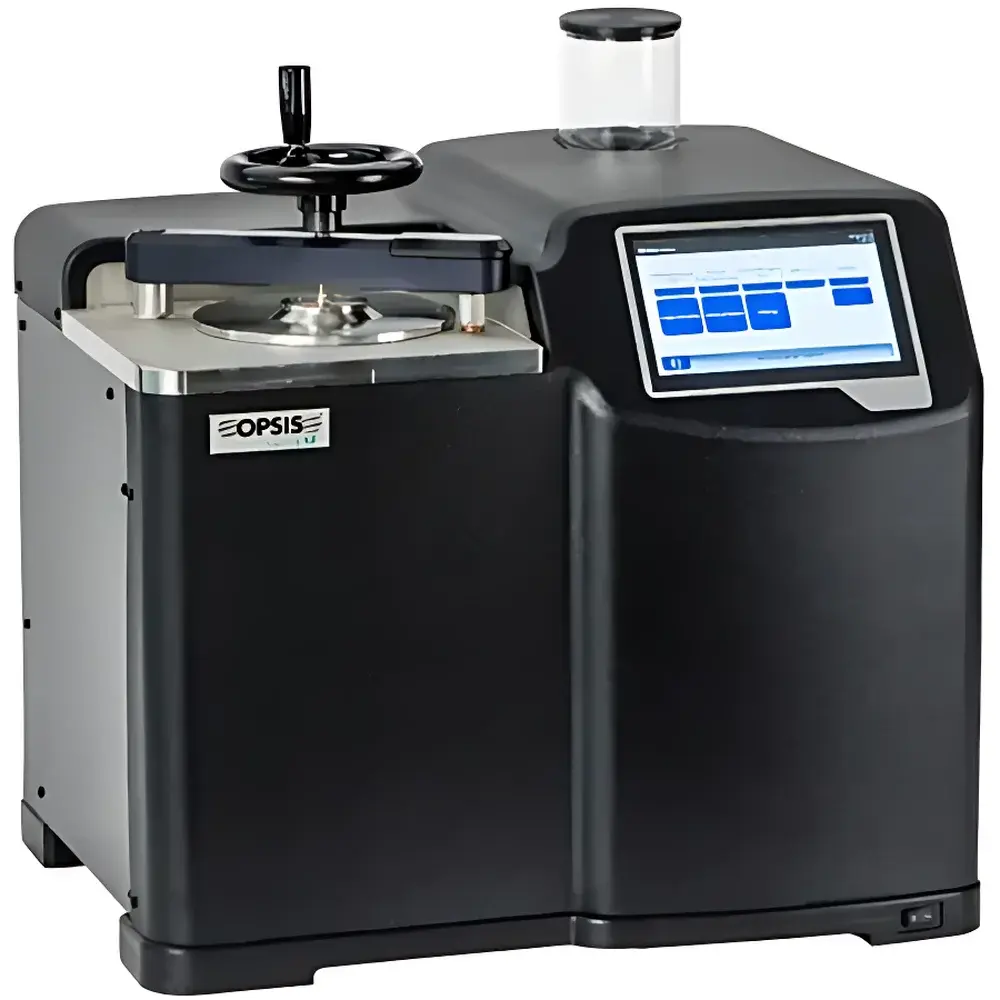
Opsis FB-310 Automated Fiber Analyzer
| Brand | Opsis |
|---|---|
| Origin | Sweden |
| Model | FB-310 |
| Sample Capacity | 27 per batch |
| Temperature Range | Ambient to 100 °C |
| Temperature Control Accuracy | ±0.1 °C |
| Repeatability | ≤0.5% RSD |
| Measurement Range | 0–100% |
| Display | Color LCD touchscreen with bilingual (English/Chinese) interface |
| Programmable Methods | Up to 50 user-defined protocols |
| Reagent Ports | 4 independent external connections (acid, base, neutral detergent, acid detergent) + dedicated amylase reservoir |
| Compliance | AOAC 978.10, AOAC 2002.04, AOAC 962.09, AACC 32–25, USP <281>, GB/T 6434–2006, GB/T 20806–2006, AAFCO Official Methods |
Overview
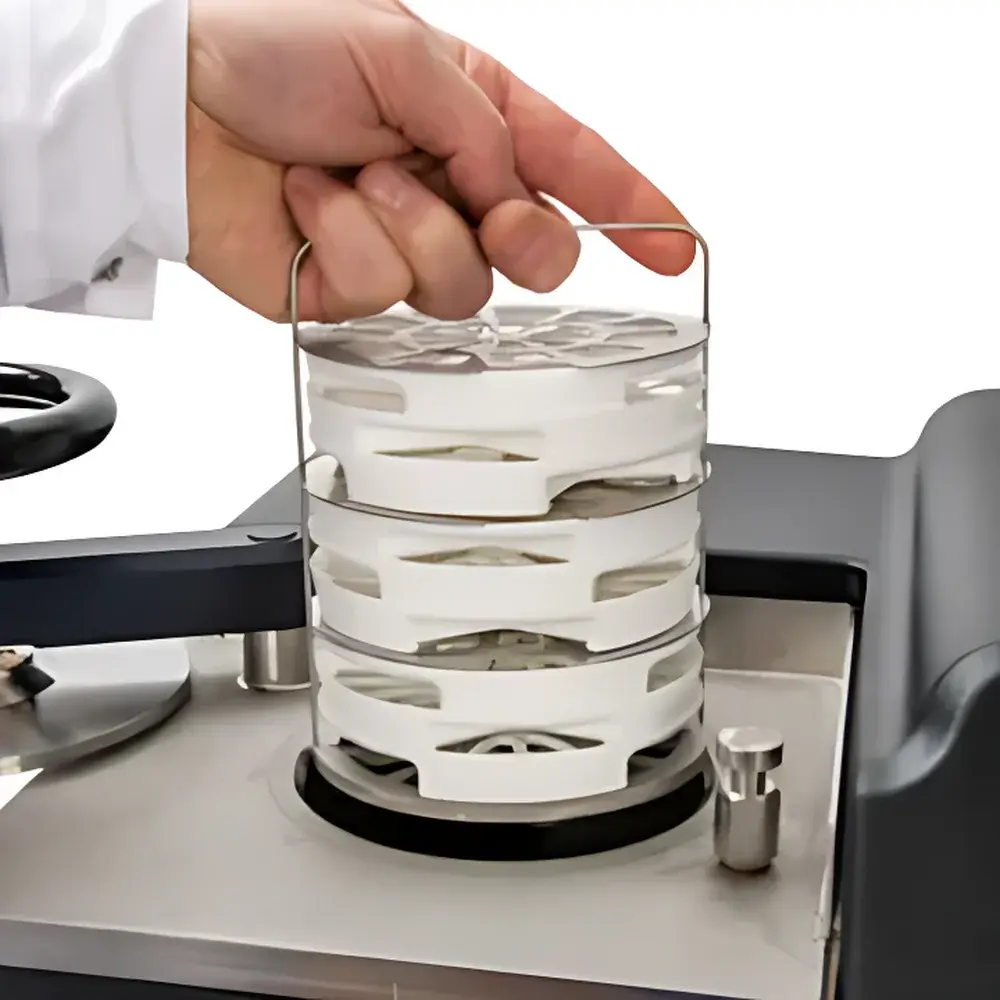
The Opsis FB-310 Automated Fiber Analyzer is an integrated, fully automated benchtop system engineered for precise and standardized determination of dietary fiber fractions in feed, food, and botanical matrices. It implements the gravimetric filter-bag methodology—recognized as the reference technique by AOAC International, AACC, USP, and major national standards (e.g., GB/T 6434 and GB/T 20806). Unlike traditional crucible-based fiber analysis, the FB-310 eliminates manual filtration, vacuum-assisted washing, and air-backflushing steps. Instead, pre-weighed samples are sealed in porous polyester filter bags and subjected to controlled sequential digestion in heated reagent solutions within a pressurized, temperature-regulated reaction chamber. The system performs acid hydrolysis (for ADF), neutral detergent digestion (for NDF, with optional α-amylase treatment), acid detergent hydrolysis (for ADL), and acetone defatting—all under programmable, closed-loop control. This architecture ensures uniform thermal exposure, consistent mechanical agitation via vertical bag oscillation, and unrestricted reagent permeation—minimizing analyte loss, wall adhesion, and inter-sample variability. The result is high reproducibility (≤0.5% RSD), traceable compliance with GLP/GMP workflows, and full alignment with FDA 21 CFR Part 11 requirements when used with LabConnect software.
Key Features
- Fully automated operation: Unattended execution of reagent dosing, heating, digestion, agitation, rinsing, waste discharge, and acetone dewaxing.
- 27-sample capacity per batch, enabling throughput of up to 108 crude fiber (CF), 135 NDF, or 162 ADF determinations per 24-hour period.
- Four independent reagent inlets (acid, base, neutral detergent, acid detergent) plus dedicated amylase reservoir—supporting AOAC 2002.04 (NDF with amylase) and AOAC 978.10 (ADF/ADL) without manual intervention.
- Precision temperature control (±0.1 °C) across ambient to 100 °C, maintained via PID-regulated heating elements and dual redundant PT100 sensors.
- Integrated safety architecture: Dual liquid-level sensors, real-time pressure monitoring (with mechanical pressure relief valve), overtemperature cutoff, lid-position interlock, and automatic overflow containment.
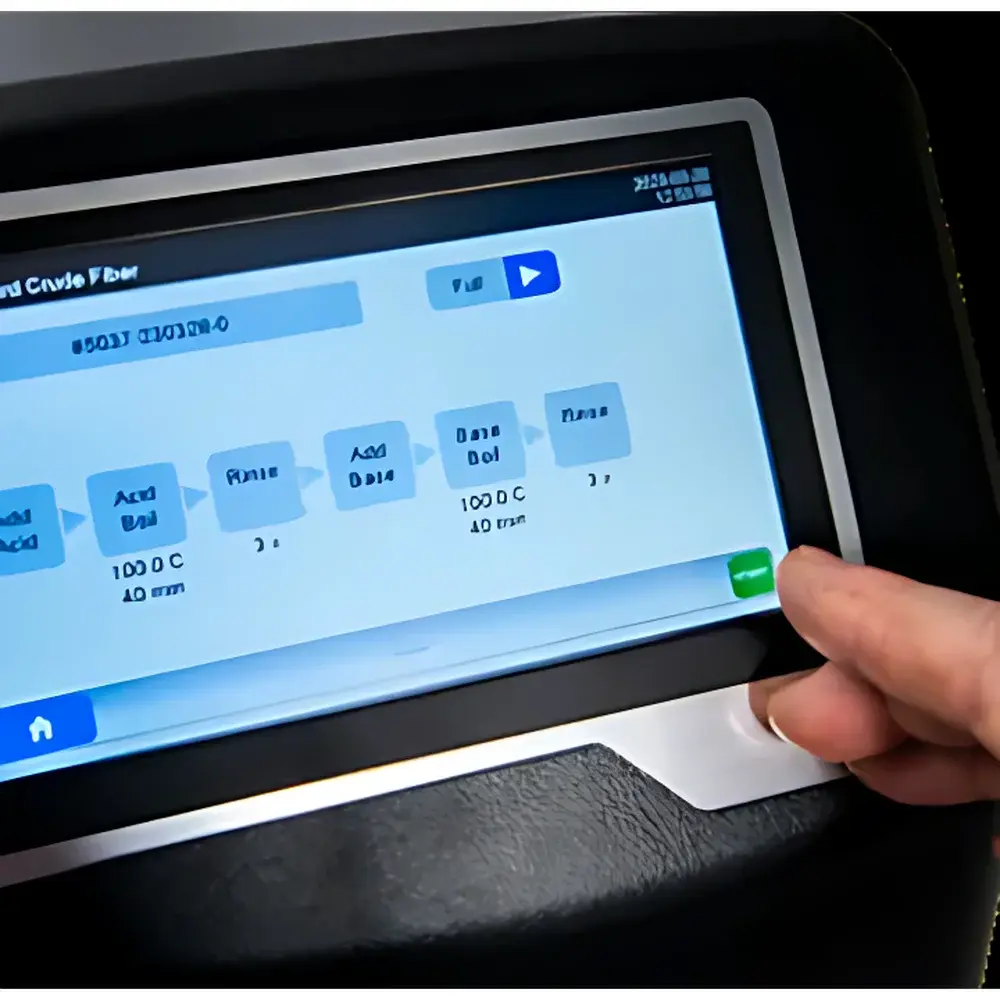
- Bilingual (English/Chinese) color touchscreen interface with intuitive workflow navigation and on-device method editing—including customizable digestion time, temperature ramp profiles, rinse cycles, and reagent volumes.
- No fume hood required: Sealed digestion chamber eliminates need for condenser water cooling or external ventilation.
Sample Compatibility & Compliance
The FB-310 supports diverse solid organic matrices including compound feeds, premixes, grains, forages (alfalfa, timothy, corn silage), grasses, legumes, oilseeds, pet food, and botanical extracts. Its filter-bag format accommodates particle sizes up to 2 mm without pre-milling, preserving structural integrity during digestion. All analytical sequences adhere strictly to internationally validated protocols: AOAC 978.10 (crude fiber), AOAC 2002.04 (NDF with heat-stable amylase), AOAC 962.09 (ADF), and AOAC 973.18 (ADL). Method equivalence to GB/T 6434–2006 (crude fiber) and GB/T 20806–2006 (NDF/ADF in feeds) has been verified using certified reference materials (CRMs) traceable to NIST SRM 1846 (Animal Feed). Instrument validation documentation includes IQ/OQ/PQ templates aligned with ISO/IEC 17025 and FDA 21 CFR Part 11 data integrity expectations.
Software & Data Management
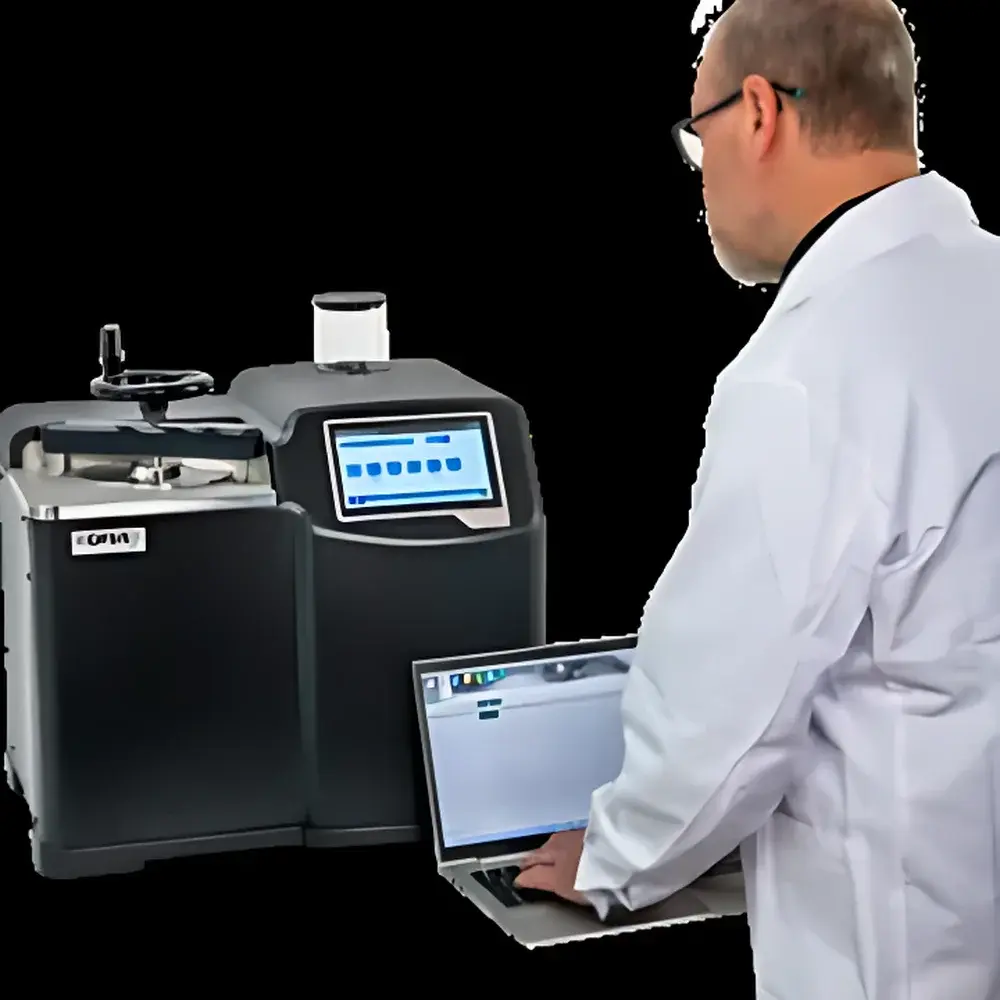
The FB-310 interfaces natively with Opsis LabConnect—a secure, audit-trail-enabled laboratory information management system (LIMS). LabConnect provides electronic signature support, role-based access control (administrator, analyst, reviewer), full method versioning, and automated metadata capture (sample ID, weight, operator, timestamp, instrument parameters, raw mass values). When linked to analytical balances and barcode scanners, sample mass and identifier entry occurs automatically—eliminating transcription errors. Real-time push notifications (via email or mobile app) alert users to operational anomalies (e.g., low reagent level, temperature deviation, lid open event). All raw data, intermediate calculations, and final reports are stored in encrypted, tamper-evident formats compliant with ALCOA+ principles (Attributable, Legible, Contemporaneous, Original, Accurate, Complete, Consistent, Enduring, Available).
Applications
The FB-310 serves quality control laboratories in animal nutrition, agribusiness, contract testing, and academic research. Typical use cases include nutritional labeling compliance (e.g., AAFCO-defined fiber declarations), feed formulation optimization (balancing digestible vs. indigestible fiber fractions), forage quality assessment (RFV, RFQ calculations), starch interference correction in NDF assays, and regulatory submission support for FDA CVM, EFSA, or China’s Ministry of Agriculture. Its robustness enables routine analysis of high-lignin samples (e.g., mature straw, wood chips) and high-fat matrices (e.g., distillers’ grains, full-fat soybean meal) without clogging or carryover—critical for labs handling >500 samples weekly.
FAQ
Does the FB-310 require a fume hood or external condenser system?
No. Its sealed, pressurized digestion chamber operates without reflux cooling; no tap water or ventilation infrastructure is needed.
Can the instrument validate method equivalence to local pharmacopoeial standards?
Yes. Pre-configured methods align with USP , EP 2.5.12, and JP 17, and validation packages include CRM-based accuracy verification per ISO 17025 Clause 5.4.5.
How is reagent consumption optimized?
The system supports half-volume digestion mode (reducing reagent use by ~40%) and intelligent pump calibration to minimize over-delivery while ensuring stoichiometric excess.
Is remote monitoring supported for multi-site laboratories?
LabConnect enables centralized fleet management across geographically dispersed instruments, with synchronized firmware updates and consolidated audit logs.
What maintenance is required beyond routine cleaning?
Annual calibration of temperature, pressure, and liquid-level sensors is recommended; no consumable parts (e.g., filters, gaskets) require replacement under normal operation.





