
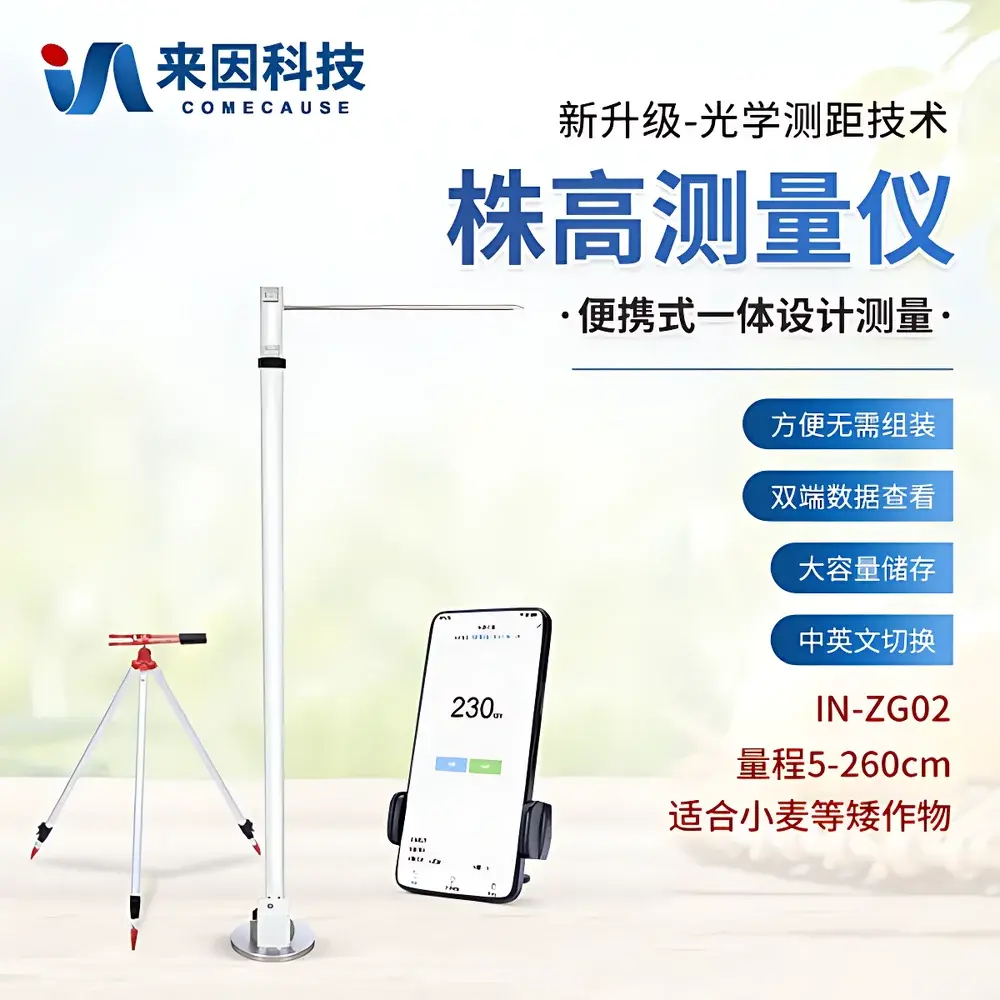
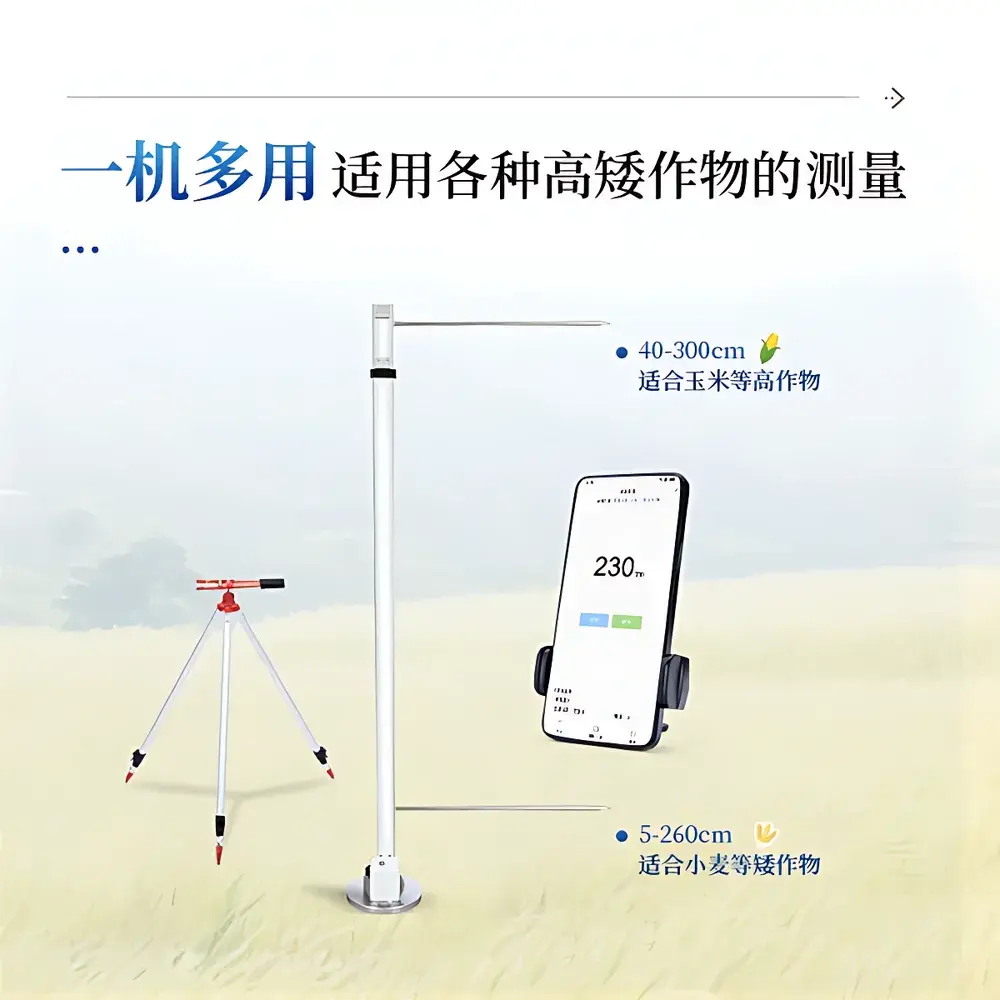
COMECAUSE IN-ZG02 Portable Optical Crop Height Measurement System
| Brand | COMECAUSE |
|---|---|
| Origin | Shandong, China |
| Manufacturer Type | Direct Manufacturer |
| Country of Origin | China |
| Model | IN-ZG02 |
| Measuring Range | 5–260 cm |
| Accuracy | ±1 mm |
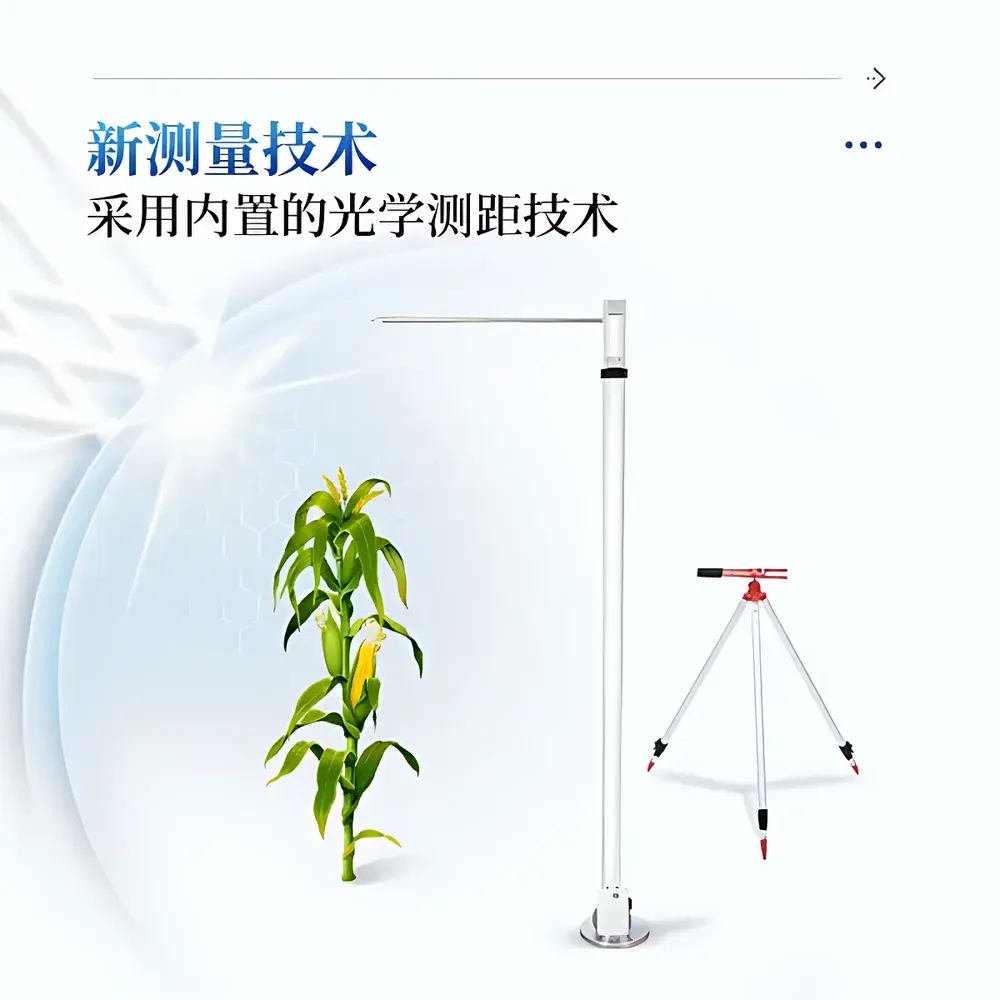
| Measurement Principle | Integrated Optical Time-of-Flight (ToF) Distance Sensing |
| Housing Material | Aerospace-Grade Aluminum Alloy |
| Operating System | Android-based Embedded Platform |
| Battery Life | >10 hours continuous operation |
| Onboard Storage | 128 GB internal flash memory |
| Connectivity | Wi-Fi 5 / 4G LTE |
| Data Export Format | CSV, Excel (.xlsx), Geo-tagged JPEG |
| Language Support | English & Chinese (switchable) |
| Max Wireless Control Distance | 10 m |
| Minimum Detectable Height | 0.05 m |
| Target Crop Stages | Seedling, Jointing, Heading, Grain Filling |
Overview
The COMECAUSE IN-ZG02 Portable Optical Crop Height Measurement System is a field-deployable, non-contact phenotyping instrument engineered for high-throughput, quantitative assessment of plant height in cereal crops—primarily wheat (Triticum aestivum). It employs an integrated optical time-of-flight (ToF) distance sensing module, operating within a fully enclosed, ambient-light-immune optical path to eliminate measurement drift caused by solar glare, cloud cover, or low-light conditions. Unlike legacy methods relying on manual tape measures or photogrammetric reconstruction from RGB imagery, the IN-ZG02 delivers direct, real-time height values referenced to ground level—defined as the vertical distance from the soil surface (or tiller base) to the apical meristem during vegetative stages, and to the top of the spike (excluding awns) at heading and grain-filling stages. Its design adheres to the morphological definitions codified in ISO 7973:2020 (Cereals — Determination of plant height) and aligns with FAO’s Crop Growth Monitoring Framework for standardized agronomic trait capture.
Key Features
- Optical ToF Core: Sealed, factory-calibrated ToF sensor with sub-millimeter resolution ensures stable performance across variable field lighting, temperature (−10°C to 50°C), and humidity (20–95% RH, non-condensing).
- Field-Ready Ergonomics: Monolithic aluminum housing (IP54 rated) integrates telescoping measurement pole, built-in digital inclinometer, and tripod-compatible base—enabling rapid deployment without tool-assisted assembly.
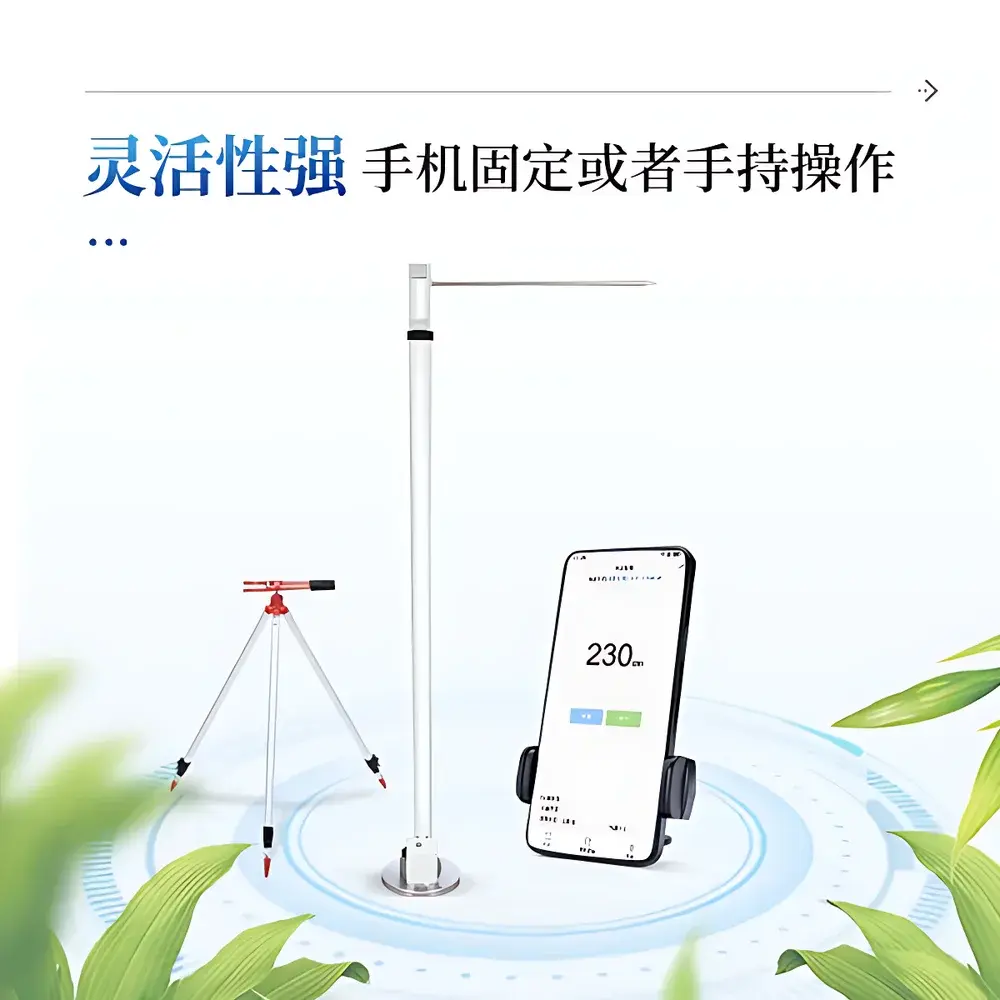
- Smart Mobile Integration: Dedicated Android application runs natively on embedded tablet or user-supplied smartphone; supports offline data capture with automatic geo-tagging (GPS/GLONASS/Galileo) and timestamping compliant with ISO 11783-10 (Tractor Data Logging).
- Multi-Stage Height Protocol: Software enforces stage-specific measurement logic—e.g., “pseudo-stem height” (base to ligule of uppermost expanded leaf) at seedling/jointing stages; “true stem height” (sum of internode lengths) upon stem elongation; and “spike height” (base to spike apex) post-anthesis.
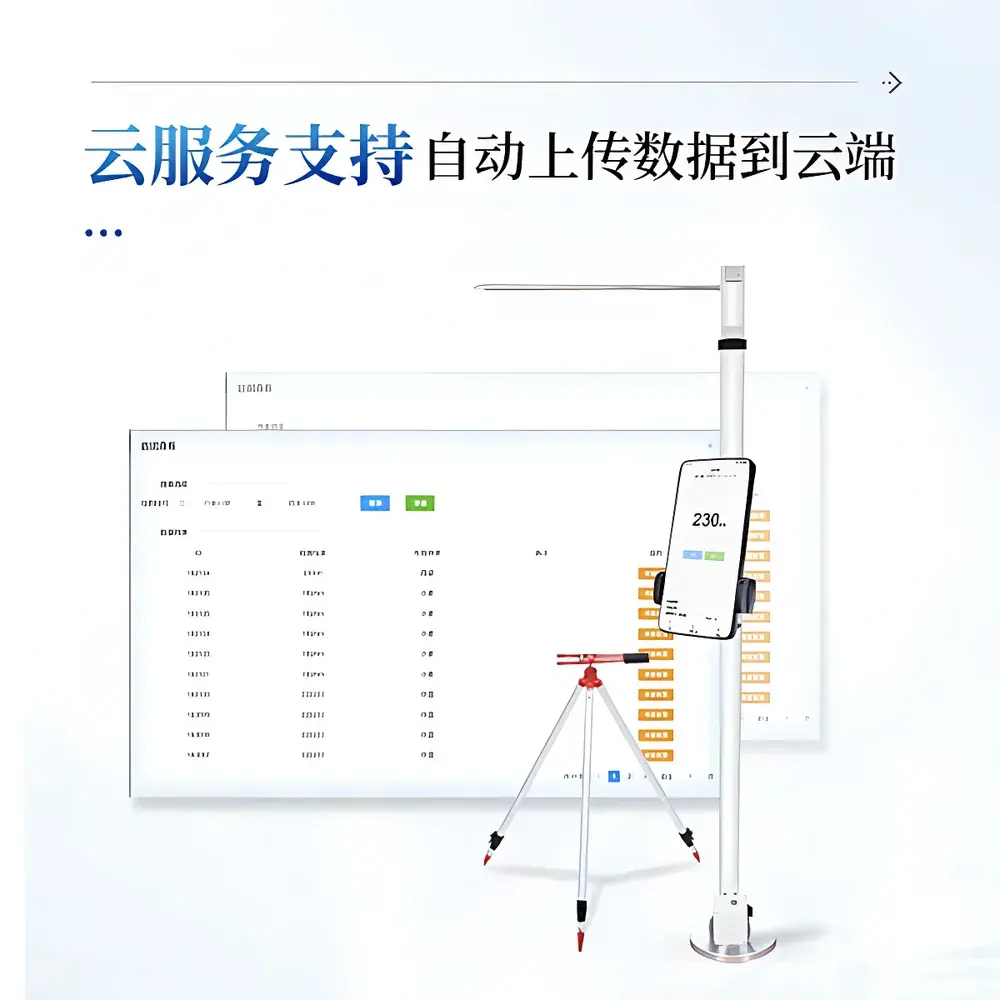
- Cloud-Enabled Workflow: Automatic synchronization via Wi-Fi or 4G LTE uploads structured datasets—including height value, GPS coordinates, image thumbnail, crop growth stage code (BBCH scale), operator ID, and custom annotations—to secure, audit-ready cloud storage.
- Regulatory-Ready Data Integrity: All measurements generate immutable records with cryptographic hash signatures; metadata logs support GLP-compliant audit trails per OECD Series on Principles of Good Laboratory Practice.
Sample Compatibility & Compliance
The IN-ZG02 is validated for monocot and dicot species with erect or semi-erect architecture, including Triticum aestivum, Oryza sativa, Zea mays, Sorghum bicolor, and Brassica napus. It accommodates canopy densities up to 800 plants/m² and tolerates wind-induced sway ≤±3° during acquisition. Measurement protocols conform to ASTM D7705-22 (Standard Guide for Phenotypic Trait Measurement in Field-Based Plant Studies) and support traceability under ISO/IEC 17025:2017 for accredited agricultural testing laboratories. Device firmware complies with IEC 62304:2015 (Medical Device Software Lifecycle) for robustness in mission-critical agronomic deployments.
Software & Data Management
The companion application implements a tiered data model: raw sensor output → geometric correction (inclination compensation) → phenotypic annotation → export-ready dataset. Users define experimental layouts (plot IDs, replication blocks, treatment codes) prior to fieldwork. Each measurement stores synchronized metadata: EXIF-tagged image, WGS84 coordinates, BBCH growth stage, operator credentials, and environmental notes. Export functions generate FAIR-compliant (Findable, Accessible, Interoperable, Reusable) files: Excel (.xlsx) with pivot-ready columns; CSV with UTF-8 encoding; and GeoJSON for GIS integration. Cloud backend supports role-based access control (RBAC), versioned dataset archiving, and automated report generation aligned with CIMMYT’s Wheat Yield Trial Reporting Standards.
Applications
- Accelerated Breeding Cycles: Enables high-frequency screening of 5,000+ segregating lines per season across multiple locations, reducing selection cycle time by ≥40% compared to manual methods—critical for implementing genomic selection models requiring dense longitudinal height trajectories.
- Quantitative Physiology Studies: Supports derivation of growth rate derivatives (e.g., dH/dt in cm/day) and inflection point detection in sigmoidal height curves—key inputs for calibrating crop simulation models such as APSIM-Wheat or DSSAT-CERES.
- Production Risk Mitigation: Integrates with farm management information systems (FMIS) to trigger early-warning alerts when mean plot height exceeds cultivar-specific thresholds (e.g., >90 cm in lodging-prone environments), enabling preemptive harvest scheduling or mechanical reinforcement.
- Regulatory Trial Documentation: Generates auditable height datasets required for national variety registration trials (e.g., EU Common Catalogue, USDA-NRCS Crop Variety Testing Program), satisfying documentation requirements under UPOV TG/1/5 (Test Guidelines for Wheat).
FAQ
What defines “height” at different wheat growth stages according to the IN-ZG02’s measurement protocol?
The system applies BBCH-scale–aligned definitions: seedling stage uses pseudo-stem height (base to ligule); jointing to booting uses true stem height (internode sum); heading to grain filling uses spike height (base to spike tip, excluding awns).
Does the device require calibration before each use?
No. Factory calibration is retained across power cycles; optional field verification using the included reference height gauge (certified to ISO 6789-2) is recommended weekly or after transport shock.
Can data be exported without internet connectivity?
Yes. All measurements are stored locally on the 128 GB onboard memory and can be exported via USB-C to external drives in standard Excel or CSV formats.
Is the system compatible with third-party analysis platforms like R or Python?
Yes. Exported CSV files include column headers compliant with the Plant Phenomics Data Standard (PPDS v2.1), enabling direct ingestion into R packages (e.g., ‘phenofit’) or Python libraries (e.g., ‘cropmodel’).
How does the IN-ZG02 handle uneven terrain or sloped fields?
The integrated dual-axis inclinometer automatically compensates for tilt angles up to ±15°, applying trigonometric correction to maintain vertical height accuracy without requiring manual leveling.





