
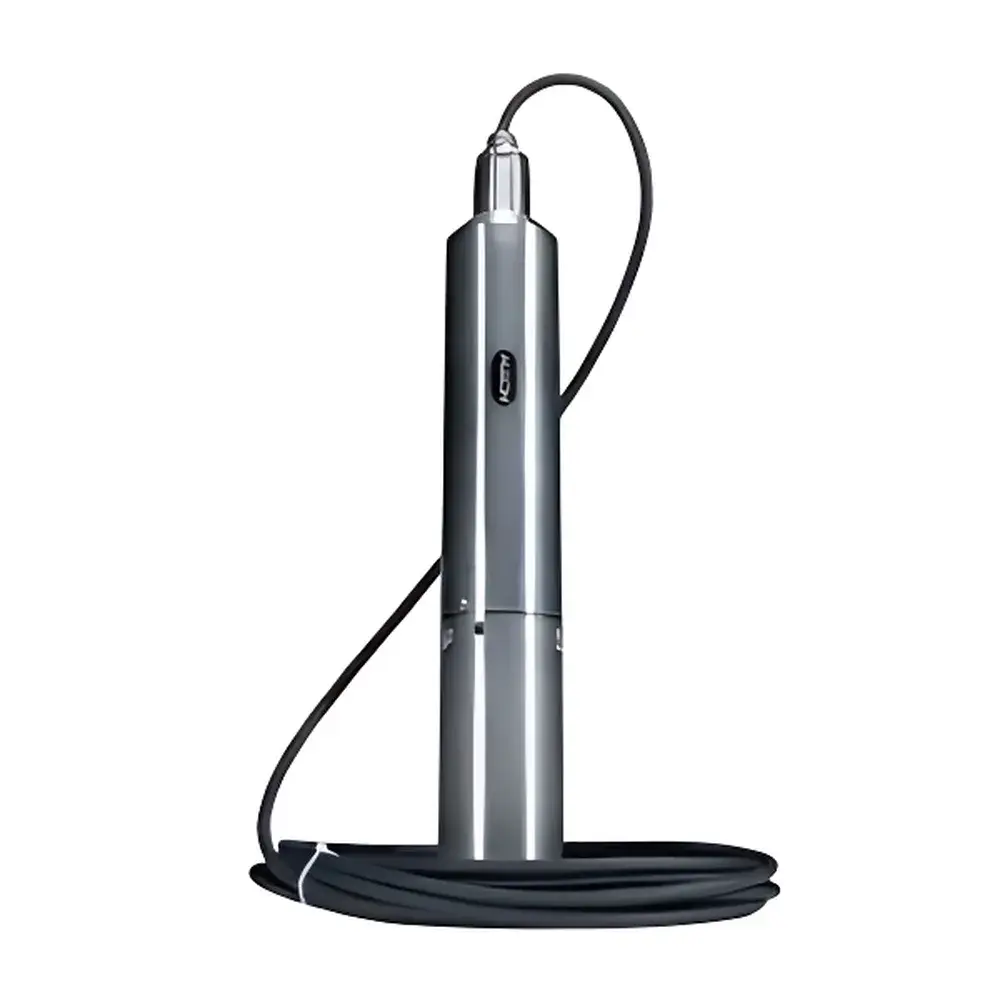
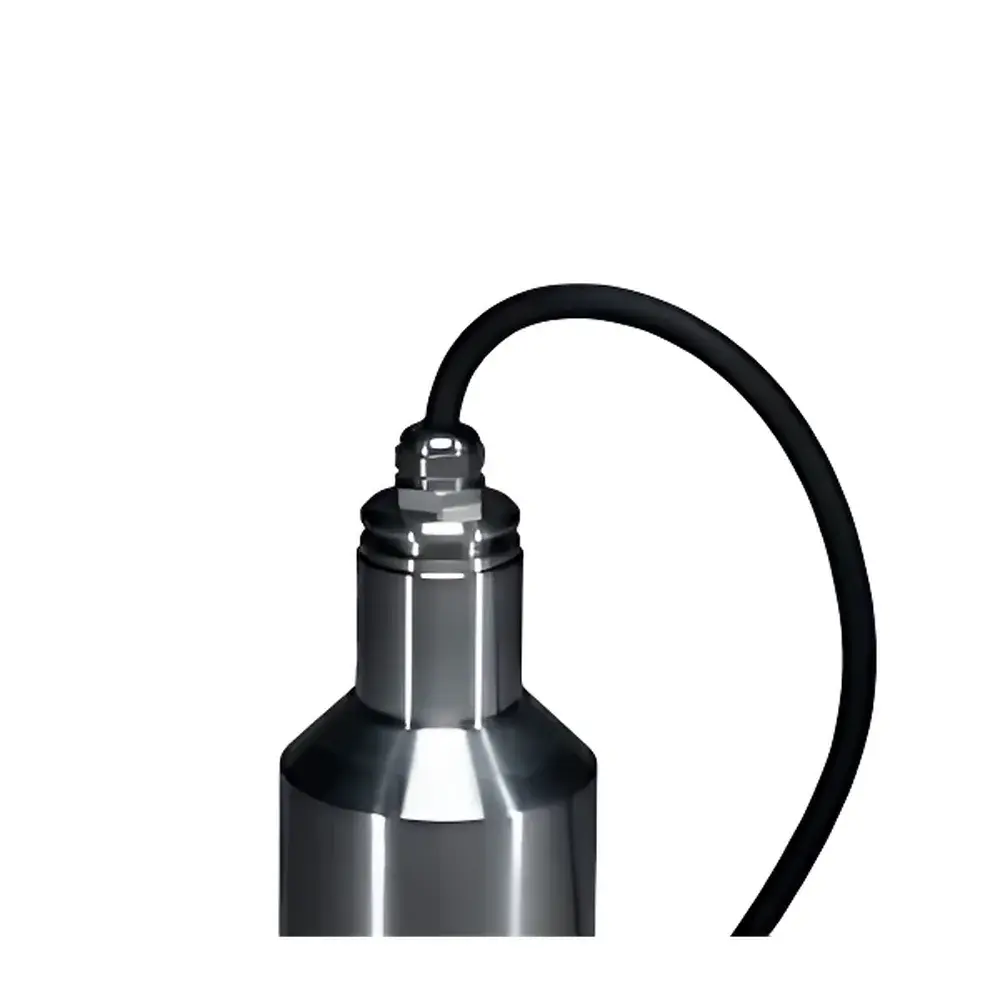
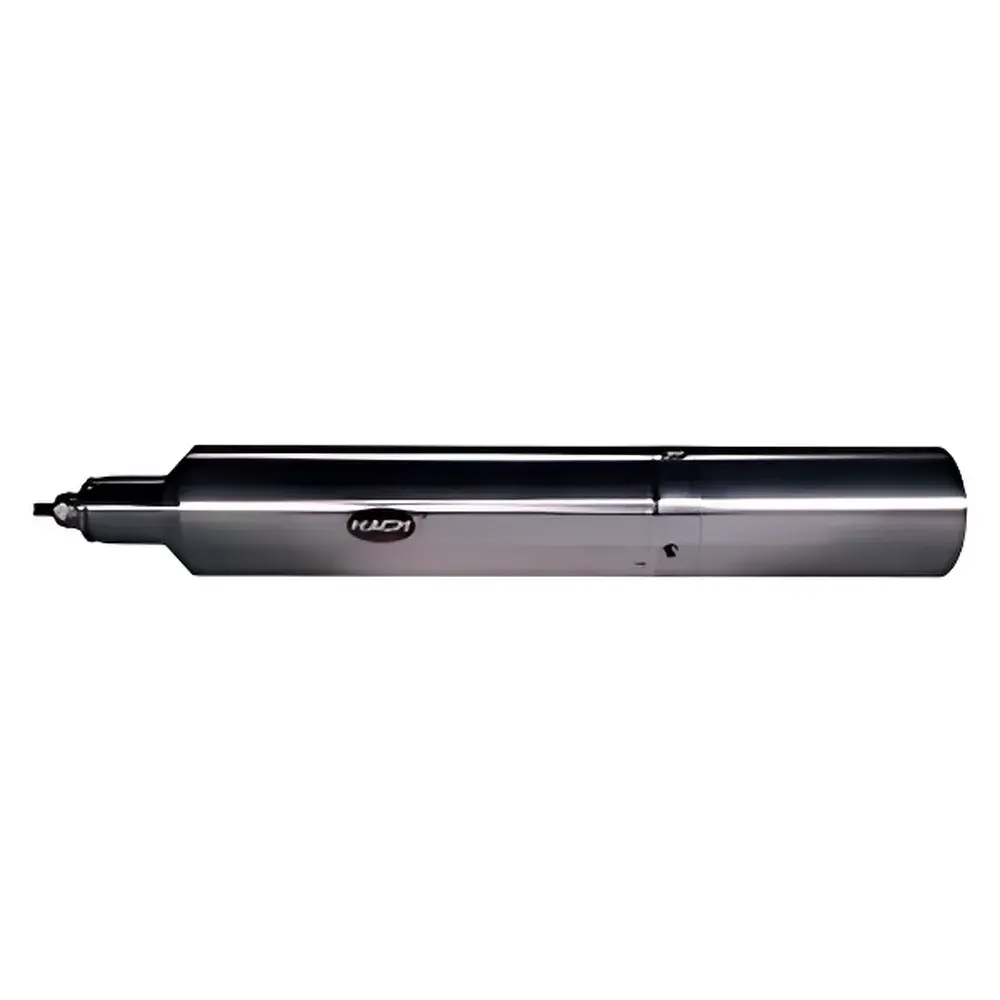
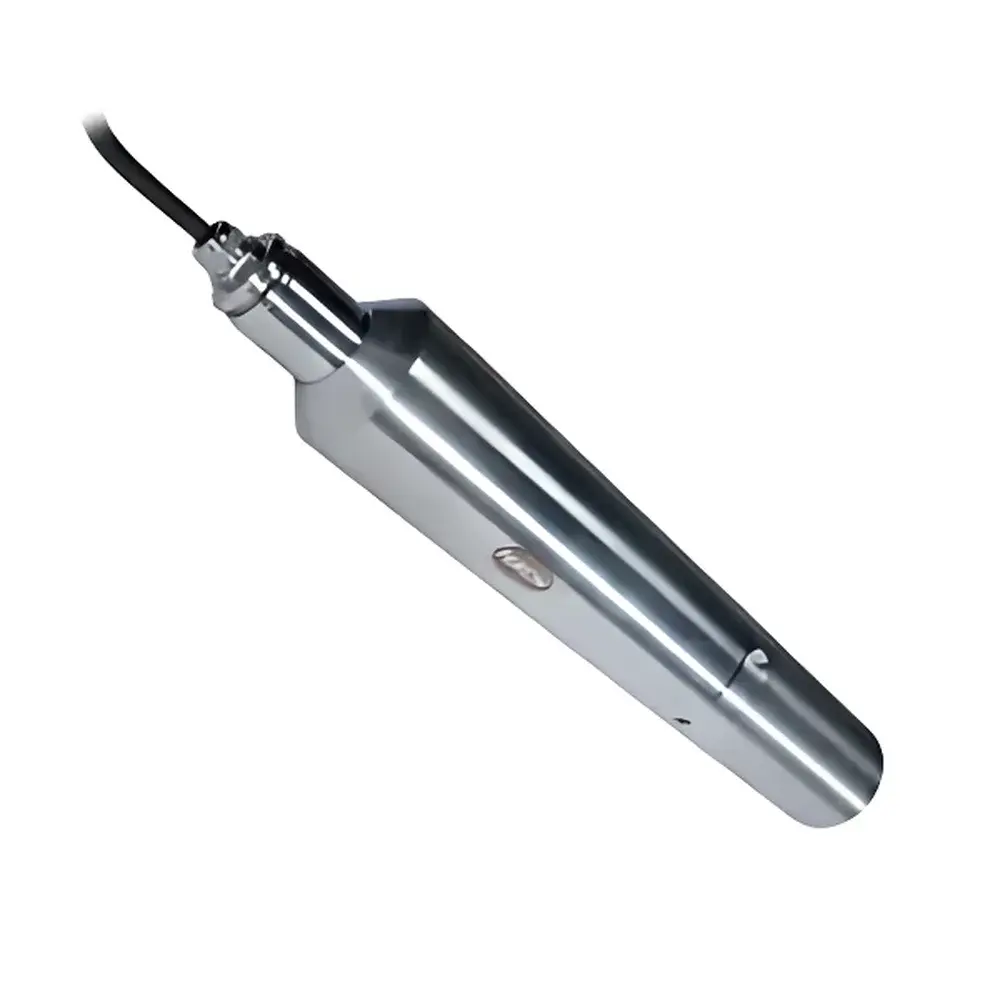
HACH NT3100/NT3200 Nitrate & Nitrite Online Analyzer
| Brand | HACH |
|---|---|
| Origin | Imported |
| Manufacturer Type | Manufacturer |
| Model | NT3100 Nitrate Online Analyzer / NT3200 Nitrate & Nitrite Dual-Parameter Online Analyzer |
| Measurement Principle | UV Absorption Spectrophotometry (220 nm & 275 nm dual-wavelength correction) |
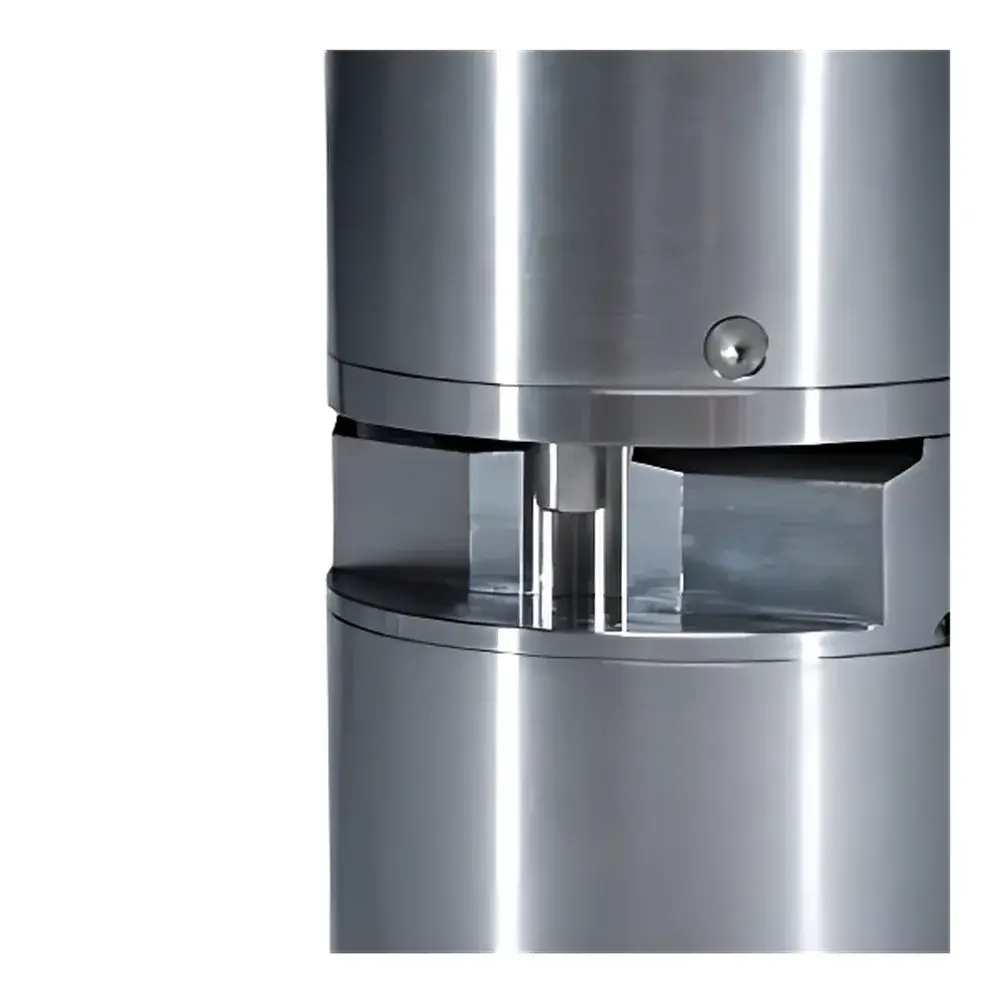
| Optical Path Options | 1 mm, 2 mm, 5 mm flow-through sensor cells |
| Detection Limit | 0.02 mg/L NO₃⁻-N (NT3100, 5 mm path) |
| Compliance | Designed for continuous operation in drinking water, surface water, wastewater, and industrial process water applications per ISO 15839, EN 14181 (QAL1/QAL2), and US EPA Method 353.2 principles |
| Maintenance Interval | Up to 3 months between cleanings (with optional auto-brush cleaning module) |
| Output | 4–20 mA analog, Modbus TCP/RTU, Ethernet/IP, optional onboard data logging |
Overview
The HACH NT3100 and NT3200 Nitrate & Nitrite Online Analyzers are engineered for high-reliability, unattended monitoring of dissolved nitrate (NO₃⁻) and nitrite (NO₂⁻) nitrogen species in aqueous matrices using dual-wavelength ultraviolet (UV) absorption spectrophotometry. Based on the proven Nitratax sc platform, the NT3 series implements an enhanced optical architecture with temperature-stabilized LED sources and precision photodiode detection at 220 nm (primary nitrate absorbance band) and 275 nm (organic interference correction wavelength). This two-point spectral correction significantly improves selectivity and minimizes matrix effects from humic substances, turbidity, and other UV-absorbing interferents commonly encountered in wastewater and surface water. Unlike ion-selective electrode or colorimetric methods, UV absorption requires no reagents, eliminates consumables-related drift, and delivers inherently stable calibration over extended periods—making it ideal for long-term compliance monitoring and process control in regulated environments.
Key Features
- Dual-parameter capability: NT3200 simultaneously quantifies both nitrate-N and nitrite-N concentrations in a single instrument housing, reducing footprint and integration complexity versus separate analyzers.
- Modular optical path selection: Interchangeable 1 mm, 2 mm, and 5 mm flow-through sensor cells enable optimization for low-concentration (e.g., drinking water: 0.02–5 mg/L NO₃⁻-N) or high-concentration (e.g., activated sludge return streams: up to 100 mg/L NO₃⁻-N) applications without hardware modification.
- Tool-free maintenance design: Patented slide-in brush cleaning mechanism operates automatically or on scheduled intervals; no disassembly or calibration interruption required during routine fouling mitigation.
- Embedded prognostic diagnostics: Integrated temperature, humidity, motor current, LED intensity, and photodiode baseline monitoring provide real-time health assessment and early warning of potential sensor degradation or flow anomalies.
- Robust environmental rating: IP66/NEMA 4X enclosure with corrosion-resistant wetted materials (316L SS, PTFE, fused silica) ensures reliable operation in outdoor shelters, pump stations, and biological treatment basins.
Sample Compatibility & Compliance
The NT3 series is validated for continuous analysis of raw water, clarified effluent, tertiary treated water, and recirculated process streams across pH 5.0–9.5 and temperatures from 0 °C to 45 °C. It meets the functional requirements of ISO 15839 (performance criteria for online water quality analyzers) and supports QAL1 (initial verification) and QAL2 (ongoing performance validation) procedures per EN 14181. While not a certified reference method, its measurement traceability aligns with US EPA Method 353.2 (UV spectrophotometric determination of nitrate) when operated under controlled hydraulic conditions and verified against laboratory-grade IC or cadmium reduction standards. The analyzer’s zero-drift stability (< ±0.01 mg/L NO₃⁻-N/week) and repeatability (< 1.5% RSD) satisfy typical regulatory reporting thresholds for discharge consent and nutrient removal optimization.
Software & Data Management
HACH SC200 or SC1000 controllers serve as the primary human-machine interface, supporting intuitive configuration, real-time trend visualization, and alarm management via web-based HTML5 dashboards. All measurements, diagnostic logs, calibration events, and maintenance timestamps are time-stamped and stored locally with optional secure cloud upload via MQTT or FTPS. Audit trails comply with GLP/GMP data integrity expectations, including electronic signatures, user-level access controls, and immutable event history—fully compatible with FDA 21 CFR Part 11 requirements when deployed with validated SC platform firmware and network security policies.
Applications
- Drinking water treatment: Early detection of agricultural runoff intrusion in reservoirs and groundwater sources.
- Wastewater bioreactor control: Real-time feedback for denitrification optimization in anoxic zones and ORP-based DO setpoint adjustment.
- Industrial pretreatment monitoring: Verification of nitrate removal efficiency in electroplating or semiconductor rinse water recycling loops.
- Environmental compliance reporting: Continuous submission of validated nitrate/nitrite data to state NPDES portals or EU WISE databases.
- Research & pilot-scale studies: High-frequency profiling of nitrogen speciation dynamics during biofilm development or constructed wetland performance evaluation.
FAQ
Does the NT3200 require reagents or consumable kits for routine operation?
No—UV absorption is a reagent-free technique; only periodic mechanical cleaning of the optical windows is required.
Can the NT3 series be integrated into existing SCADA systems?
Yes—native Modbus TCP/RTU, Ethernet/IP, and 4–20 mA outputs ensure seamless interoperability with major industrial automation platforms.
How frequently must calibration be performed?
Factory calibration remains stable for ≥6 months under normal conditions; field verification using NIST-traceable standard solutions is recommended quarterly per ISO 15839 guidance.
Is the 0.02 mg/L detection limit achievable in all optical path configurations?
That limit applies specifically to the 5 mm path length configuration under low-turbidity, low-DOC conditions; sensitivity scales inversely with path length (e.g., 1 mm path yields ~0.1 mg/L practical LOD).
What certifications does the NT3 platform hold for hazardous area installation?
Standard units are rated for non-hazardous locations; ATEX/IECEx-certified variants (e.g., NT3100-ATEX) are available upon request for Zone 2/22 deployments.







