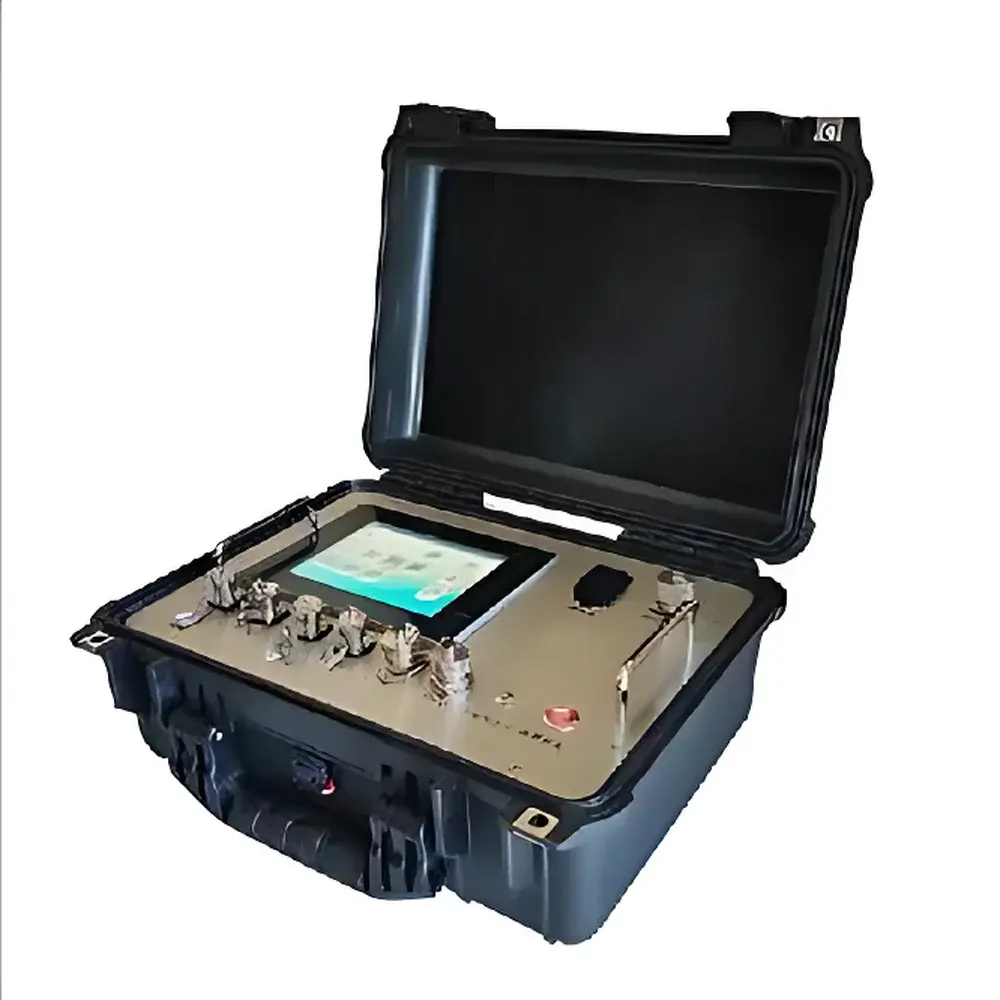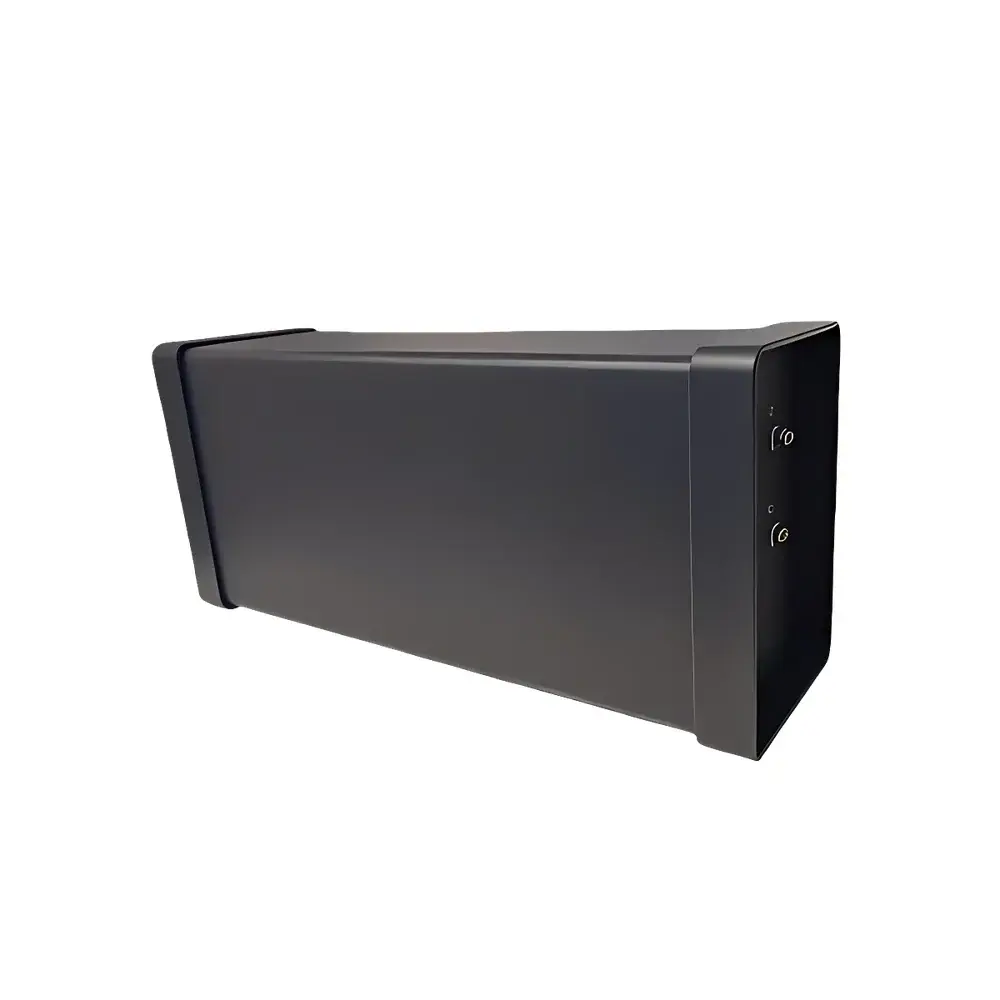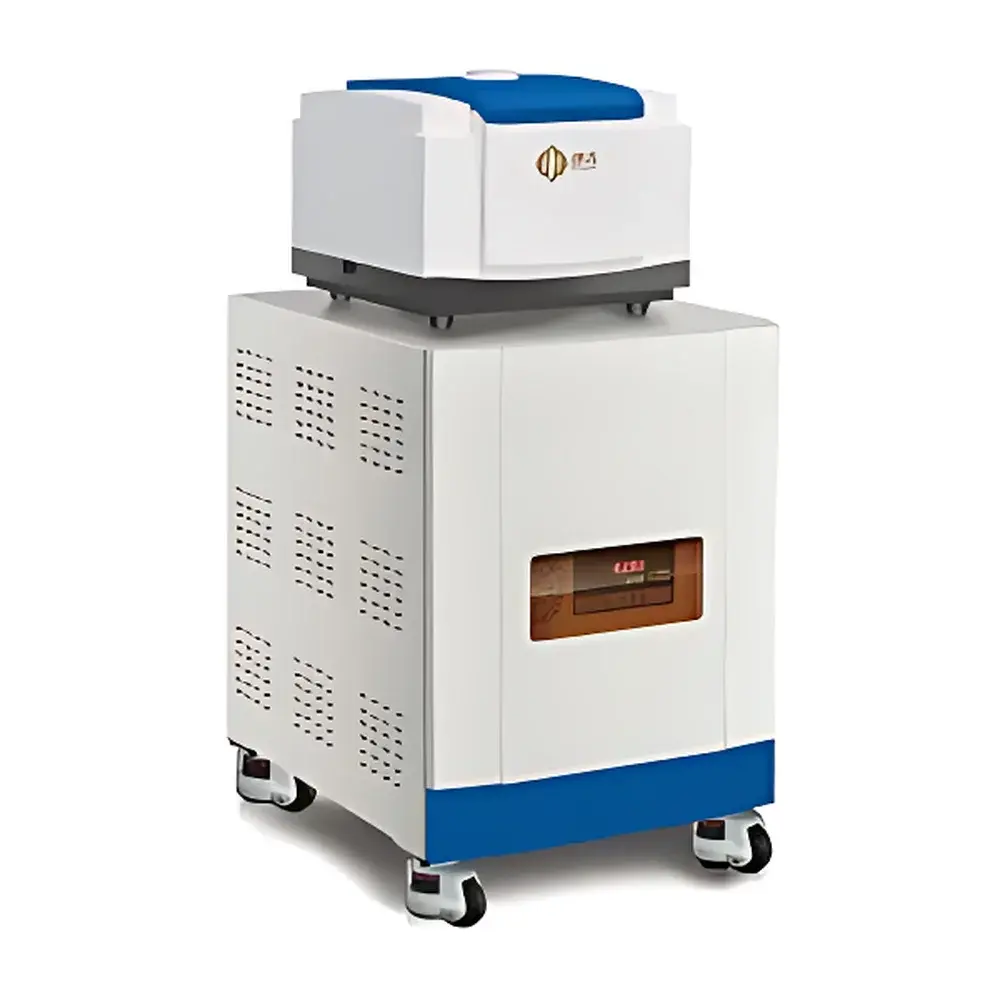
NIUMAG PQ001 Low-Field Nuclear Magnetic Resonance (LF-NMR) Oilseed Analyzer for Rapeseed
| Brand | NIUMAG |
|---|---|
| Origin | Jiangsu, China |
| Manufacturer Type | Authorized Distributor |
| Country of Origin | China |
| Model | PQ001 |
| Instrument Type | Seed Oil & Moisture Analyzer |
| Moisture Measurement Range | 0.1–14% (w/w) |
| Magnet Type | Permanent Magnet |
| Magnetic Field Strength | 0.5 ± 0.08 T |
| Probe Coil Diameter | 25 mm |
Overview
The NIUMAG PQ001 is a dedicated low-field nuclear magnetic resonance (LF-NMR) analyzer engineered for rapid, non-destructive quantification of oil content and moisture in rapeseed and other oil-bearing seeds. Unlike destructive solvent-extraction methods (e.g., Soxhlet), the PQ001 leverages the intrinsic magnetic properties of hydrogen nuclei (1H) in triglycerides and water molecules. Under a stable 0.5 T permanent magnetic field, these protons resonate at characteristic Larmor frequencies; their transverse relaxation decay (T2) profiles are acquired via a CPMG pulse sequence and deconvoluted using multi-exponential fitting algorithms to resolve distinct signal components—oil-bound, free water, and bound water. This physical measurement principle ensures traceability to fundamental NMR parameters, enabling calibration-free operation after initial instrument validation and eliminating reagent consumption, sample preparation time, or operator-induced variability.
Key Features
- Non-invasive analysis: Intact seed kernels analyzed without grinding, drying, or chemical extraction—preserving sample integrity for downstream testing or archival.
- Dual-parameter output: Simultaneous determination of oil content (% w/w) and total moisture (% w/w) within a single 2–4 minute acquisition cycle.
- Robust permanent magnet architecture: 0.5 T field strength optimized for high signal-to-noise ratio (SNR) in seed matrices while maintaining thermal stability and zero cryogen dependency.
- 25 mm diameter RF probe: Engineered for uniform B1 excitation across heterogeneous seed batches; accommodates standard 10–15 g rapeseed samples in disposable cylindrical holders.
- Embedded real-time signal processing: Onboard FPGA-accelerated data acquisition and T2 inversion reduce reliance on external computing resources and ensure reproducible curve fitting.
- GLP-compliant operational framework: Audit trail logging, user access levels, and electronic signature support align with ISO/IEC 17025 and internal quality management system requirements.
Sample Compatibility & Compliance
The PQ001 is validated for intact or lightly homogenized oilseeds including rapeseed (Brassica napus and B. rapa), soybean, peanut, sunflower, flax, and sesame. It complies with ASTM D7493–22 (“Standard Test Method for Determination of Oil Content in Oilseeds by Low-Field NMR”) and supports method development per ISO 10565:1998 (oilseed oil content) and ISO 6540:2017 (moisture in oilseeds). Its non-destructive nature enables repeat measurements on the same sample—critical for longitudinal studies of post-harvest moisture migration or lipid oxidation kinetics. All hardware and firmware meet CE electromagnetic compatibility (EMC) Directive 2014/30/EU and RoHS 2011/65/EU restrictions.
Software & Data Management
The proprietary NMIQ software suite provides intuitive workflow control, automated calibration verification (using reference standards traceable to NIST SRM 1911d), and batch reporting compliant with FDA 21 CFR Part 11 requirements—including electronic signatures, audit logs, and secure data encryption (AES-256). Raw FID and T2 distribution files are exportable in ASCII and HDF5 formats for third-party statistical analysis (e.g., PCA, PLS regression). The software includes built-in tools for moisture phase analysis—quantifying immobile vs. mobile water fractions based on T2 relaxation time thresholds—and supports custom calibration models for regional cultivars or processing conditions.
Applications
- Routine quality assurance in seed breeding programs: High-throughput screening of oil yield traits across thousands of rapeseed lines without sacrificing genetic material.
- Harvest readiness assessment: Field-deployable configuration (optional) enables on-farm moisture and oil profiling to optimize combine settings and storage conditions.
- Oil extraction process optimization: Monitoring kernel moisture gradients pre-pressing to minimize energy input and maximize oil recovery efficiency.
- Storage stability monitoring: Detecting early-stage hydrolytic rancidity via shifts in T2 distributions before peroxide value changes become measurable.
- Regulatory compliance documentation: Generating auditable reports for EU Common Agricultural Policy (CAP) subsidies tied to oil content thresholds or national seed certification schemes.
FAQ
Does the PQ001 require routine shimming or field homogeneity adjustment?
No—permanent magnet design eliminates active shimming; field homogeneity is factory-optimized and maintained over ambient temperature ranges (15–30 °C) without recalibration.
Can the instrument distinguish between surface moisture and internal seed moisture?
Yes—multi-component T2 analysis resolves at least three relaxation populations, enabling differentiation of surface-adsorbed water (T2 < 10 ms), interstitial water (T2 10–100 ms), and bulk oil (T2 > 200 ms).
Is method transfer possible between different PQ001 units?
Yes—inter-unit reproducibility is maintained within ±0.3% absolute oil content (n = 10, same lot of rapeseed), verified annually using certified reference materials.
What sample preparation is required for accurate results?
Minimal: Seeds must be at ambient equilibrium (no oven-drying or freezing); whole kernels are loaded directly into the 25 mm tube; particle size variation is compensated algorithmically via T2 distribution modeling.
How is instrument performance verified daily?
A standardized water-oil emulsion reference sample is measured before each analytical session; deviation >2% from historical mean triggers automated diagnostic checks and recalibration prompts.