
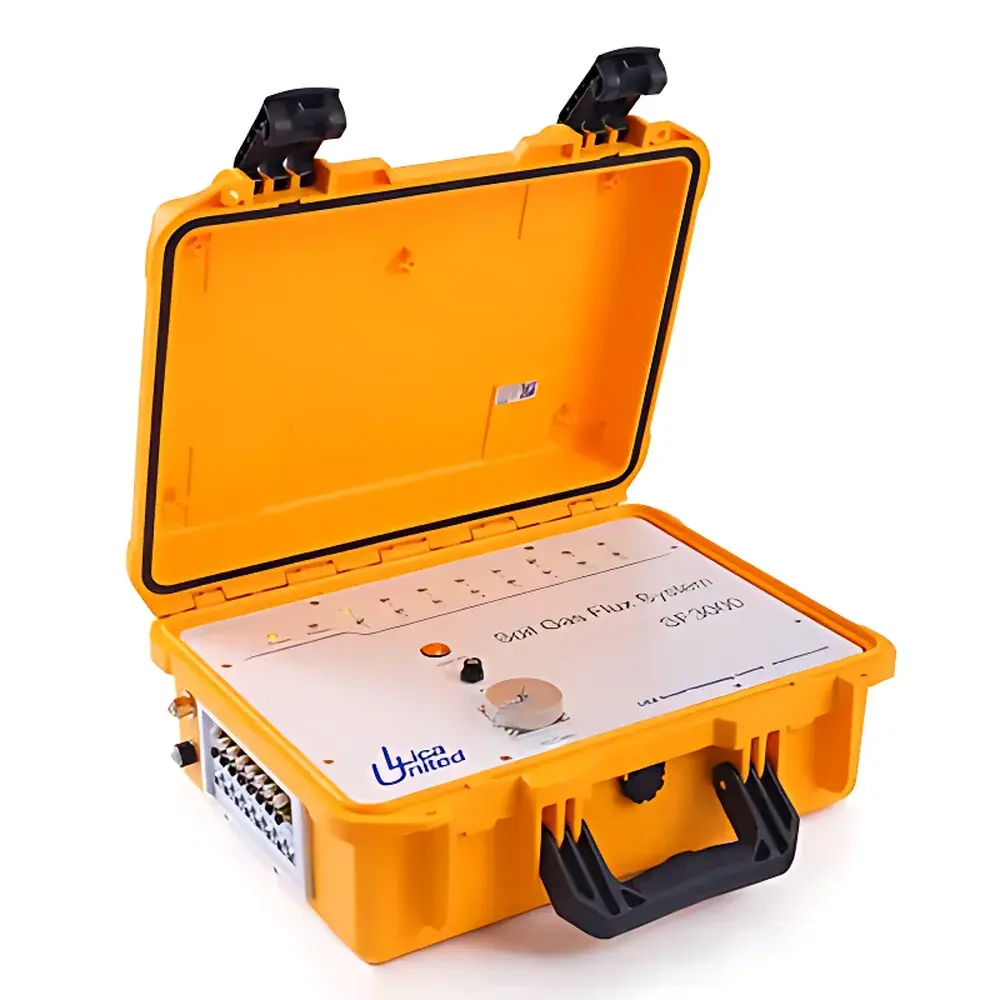
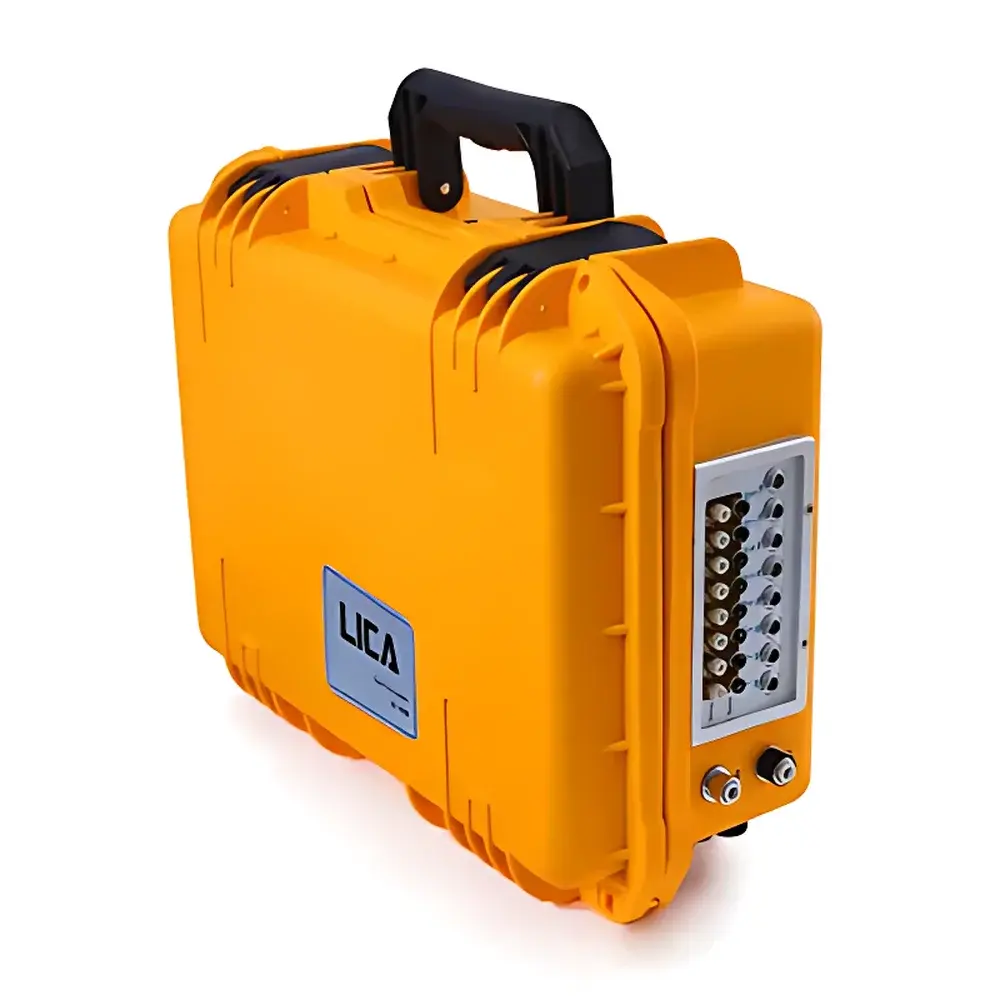
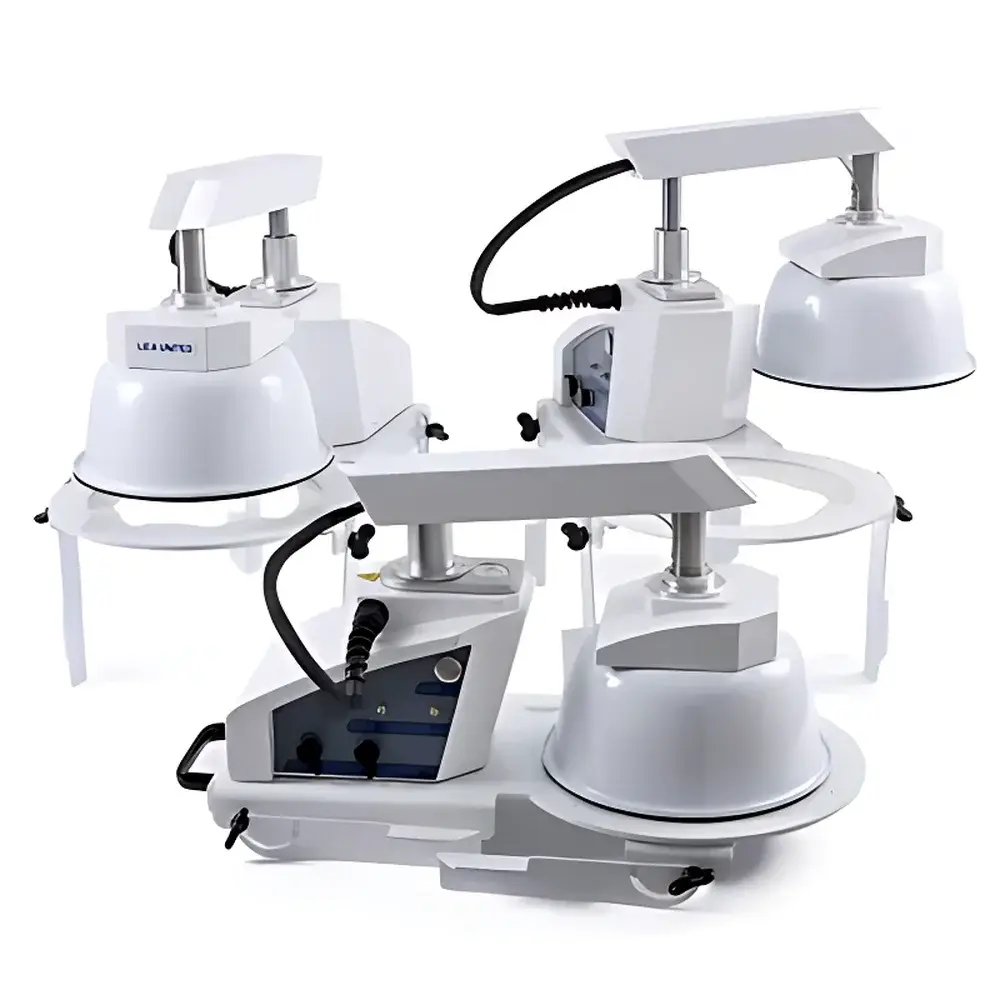
LICA SF-3000 Soil Gas Flux Measurement System
| Origin | Beijing, China |
|---|---|
| Manufacturer Type | Authorized Distributor |
| Origin Category | Domestic (PRC) |
| Model | SF-3000 |
| Quotation | Upon Request |
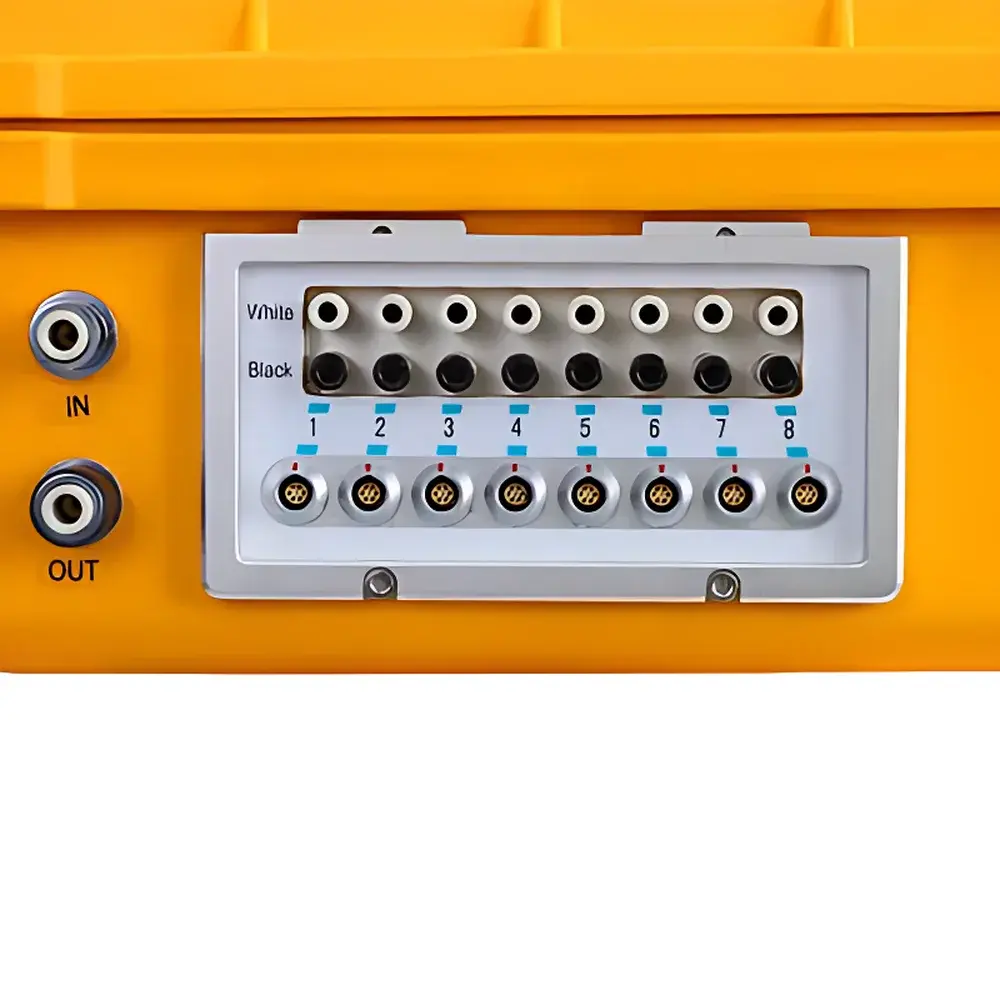
| Control Channels | 8 or 16 |
| Operating Temperature (Controller) | −25 to +55 °C |
| Relative Humidity Range | 0–95% RH |
| Communication Interface | RS-232 (26-pin aviation connector) |
| Baud Rate | 9600 bps |
| Sensor Interface | SDI-12 (5-pin aviation connector) |
| SDI-12 Ports | 8 (expandable to 62 sensors) |
| Data Storage | USB 1.1 Full-Speed (USB 2.0 compatible) |
| Power Input | 12 VDC ±10%, ≥3 A |
| Power Output | 12 VDC ±10%, ≤1.1 A per channel |
| Enclosure Dimensions (Controller) | 16.2 × 40.7 × 28.5 cm, 5.9 kg |
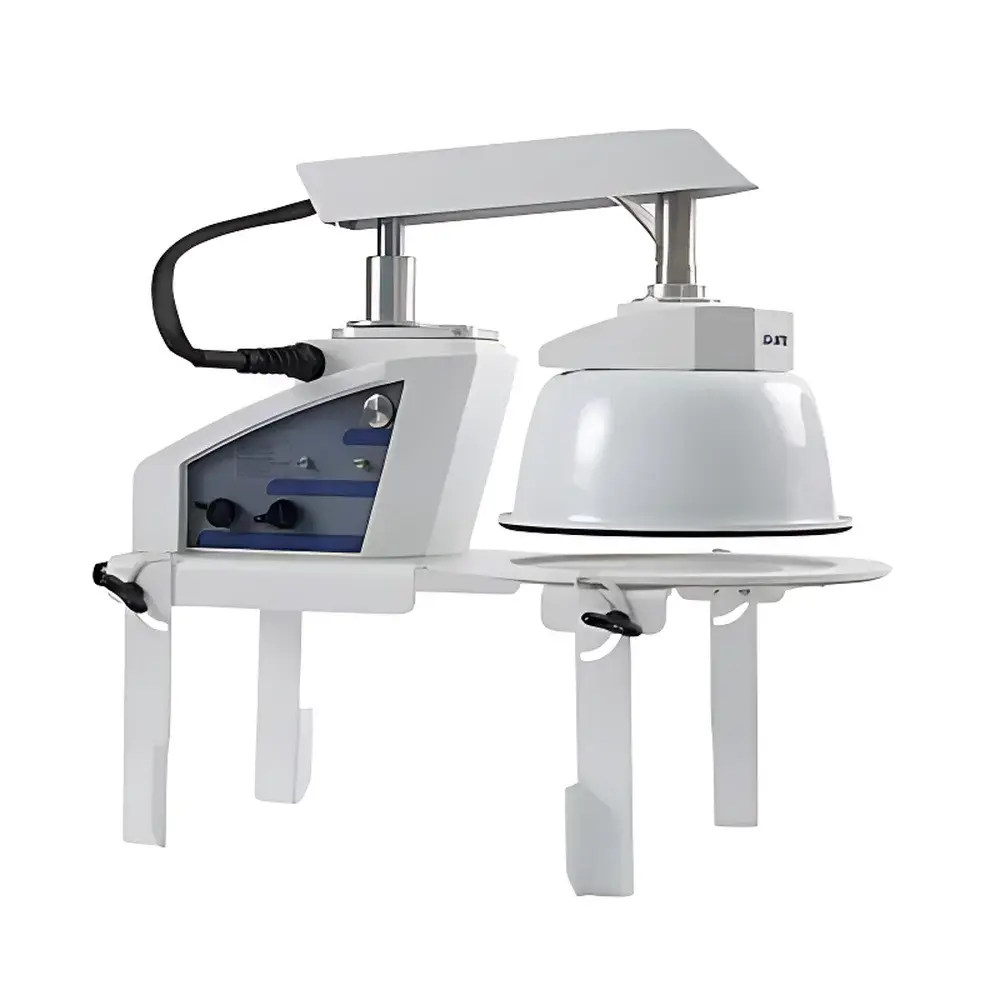
| Flux Chamber Dimensions | 24 × 28 × 45 cm, 6.0 kg |
| Chamber Volume | 3100 cm³ |
| Chamber Footprint Area | 314 cm² |
| Chamber Actuation | Pneumatic (external cylinder) |
| Barometric Pressure Range | 15–115 kPa, ±1.5% accuracy |
| Chamber Temperature Range | −20 to +50 °C |
| Temperature Sensor Accuracy | ±0.5 °C |
Overview
The LICA SF-3000 Soil Gas Flux Measurement System is an engineered field-deployable platform designed for high-reproducibility, long-term quantification of soil-atmosphere gas exchange using the closed-chamber method. It operates on first-principles mass balance modeling—calculating flux as the time derivative of gas concentration change within a sealed measurement chamber, corrected for temperature, pressure, and chamber geometry. The system is fully agnostic to analyte detection technology: it interfaces seamlessly with tunable diode laser absorption spectrometers (TDLAS), cavity ring-down spectrometers (CRDS), nondispersive infrared (NDIR), and photoacoustic gas analyzers—including those capable of stable isotope ratio analysis (e.g., 13CO2, 15N14NO, 12C18O16O). Its architecture supports multi-point spatial monitoring across heterogeneous terrain via automated sequential chamber actuation, with built-in chamber purging logic to restore internal concentrations to ambient background levels between cycles—minimizing carryover bias and enabling true diurnal or seasonal time-series acquisition.
Key Features
- Modular 8- or 16-channel controller unit with expandable SDI-12 sensor support (up to 62 external environmental sensors)
- Pneumatically actuated flux chambers with externally mounted cylinders—eliminating internal heat/mass interference and ensuring mechanical reliability in dust, rain, or freeze-thaw conditions
- Onboard real-time flux computation using linear and nonlinear regression models (e.g., HMR, R2-weighted slope fitting), eliminating post-processing dependencies
- Ruggedized industrial enclosure rated for continuous operation at −25 °C to +55 °C and 0–95% RH non-condensing humidity
- Dual-voltage regulated power architecture: 12 VDC input (±10%) with overvoltage, overcurrent, and thermal protection; isolated 12 VDC outputs per channel (≤1.1 A) with EMI hardening
- Integrated barometric and chamber temperature sensing with traceable calibration: ±1.5 kPa (15–115 kPa) and ±0.5 °C (−25 to +85 °C)
- USB 1.1 Full-Speed data logging (USB 2.0 backward compatible) supporting FAT32-formatted USB flash drives, CF/SD cards via industry-standard adapters
Sample Compatibility & Compliance
The SF-3000 is validated for quantitative measurement of CO2, CH4, N2O, NH3, and isotopically labeled analogues under field conditions compliant with ISO 18587:2017 (soil greenhouse gas flux protocols) and ASTM D8170-20 (standard guide for chamber-based soil gas flux measurements). Its pneumatic actuation, low-power design, and sealed electronics meet IEC 60529 IP54 requirements for outdoor instrumentation. All firmware and data handling routines adhere to GLP-aligned audit trail principles: timestamped event logs, immutable raw concentration/time series storage, and checksum-verified data transfer. While not FDA 21 CFR Part 11 certified out-of-box, the system’s deterministic control logic, write-once storage architecture, and user-accessible metadata tagging enable straightforward validation for regulated environmental monitoring programs.
Software & Data Management
The SF-3000 operates autonomously without host PC dependency. Configuration, scheduling, and diagnostics are managed via ASCII command protocol over RS-232 (9600 bps, 8N1), compatible with LGR, Picarro, Los Gatos, and other OEM analyzers. Raw chamber concentration time series, environmental metadata (T, P, RH), and computed flux values are stored in comma-separated (CSV) format with ISO 8601 timestamps and SI-unit headers. Each record includes chamber ID, cycle start/stop times, regression R2, residual error, and instrument status flags. USB media is formatted upon first insertion and auto-mounted; no driver installation required. Optional Python SDK (available under NDA) enables integration with FluxNet-compatible ingestion pipelines and custom QA/QC workflows.
Applications
- Long-term eddy covariance validation and gap-filling at ecosystem-scale flux towers
- Soil carbon sequestration studies across agricultural, forest, and wetland biomes
- Nitrogen cycling research involving nitrification/denitrification hotspots and fertilizer response trials
- Permafrost thaw monitoring via CH4 and CO2 efflux gradients
- Isotopic tracer experiments (e.g., 15N-labeled urea, 13C-glucose) to partition microbial vs. abiotic respiration pathways
- Regulatory compliance monitoring for landfill cover performance and remediation site closure criteria
FAQ
Can the SF-3000 operate unattended for extended periods in remote locations?
Yes. With a 12 V battery bank (≥30 Ah recommended) and solar charge controller, the system achieves >6 months of continuous operation at typical 30-min cycle intervals. Internal watchdog timers and brownout recovery ensure resilience against power interruption.
Does the system support dynamic chamber height adjustment for uneven terrain?
No. The SF-3000 uses fixed-volume chambers (3100 cm³) with standardized 314 cm² footprint. For highly variable topography, optional leveling feet and ground-contact gaskets are available.
How is chamber leakage verified during deployment?
The controller executes automated zero-check sequences: sealing the chamber and monitoring concentration drift over 60 seconds. Drift exceeding ±0.2% of full scale triggers a hardware fault flag and logs diagnostic data.
Is firmware update capability available in the field?
Yes. Updates are delivered as signed binary files loaded via USB. The bootloader validates digital signatures before flashing, preserving configuration integrity.
What level of technical support does LICA provide for international users?
LICA offers English-language documentation, remote diagnostics via serial-over-IP, and application engineering consultation. Hardware service is coordinated through authorized regional partners with calibrated test benches and spare module inventories.







