
LaVision StrainMaster Digital Image Correlation and Digital Volume Correlation System
| Brand | LaVision GmbH |
|---|---|
| Origin | Germany |
| Model | StrainMaster |
| Type | Turnkey Optical Deformation & Strain Analysis System |
| Core Technologies | 2D/3D Stereo Digital Image Correlation (DIC), Digital Volume Correlation (DVC) |
| Compatible Imaging Modalities | X-ray CT, MRI, OCT, high-speed visible-light imaging |
| Application Domain | Solid mechanics, granular material deformation, composite testing, biomechanics, additive manufacturing validation |
| Compliance Framework | Designed for GLP/GMP-aligned workflows |
| Software Architecture | Windows-based, modular, scriptable (Python API), compliant with FDA 21 CFR Part 11 for electronic records and signatures (optional configuration) |
Overview
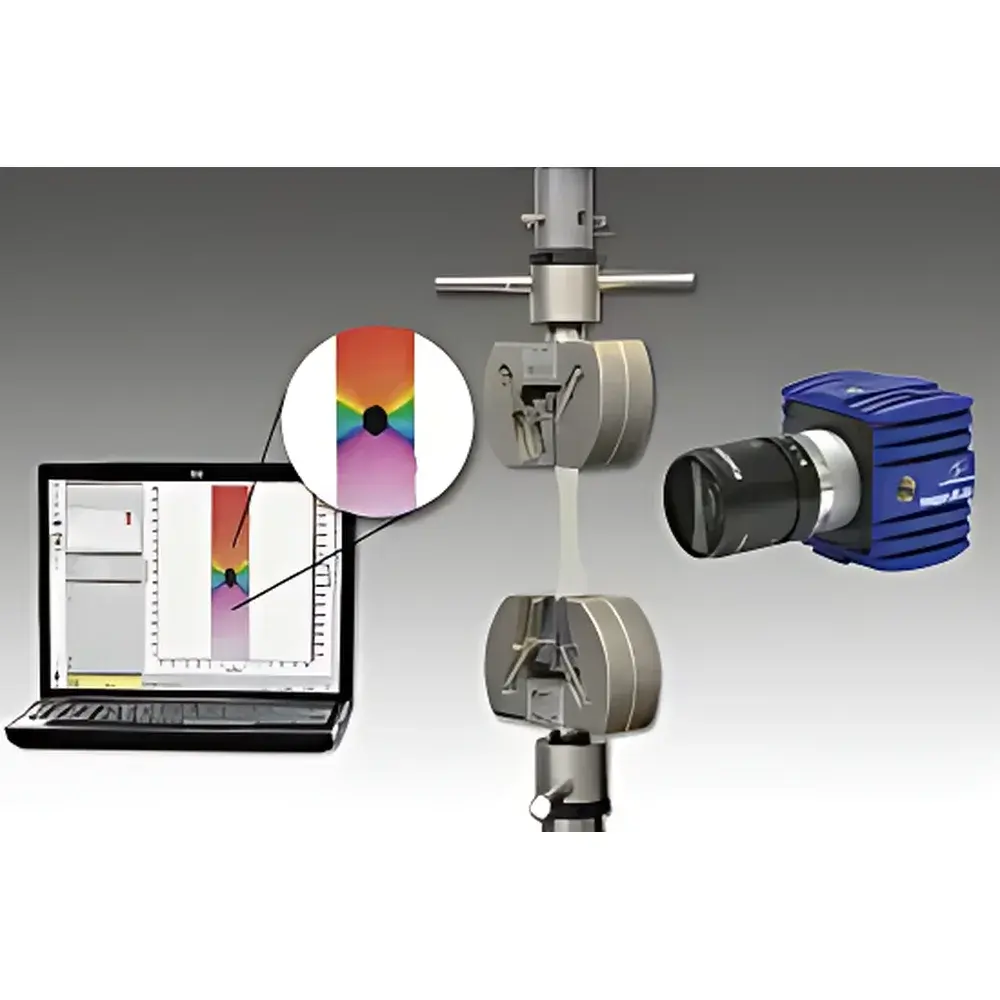
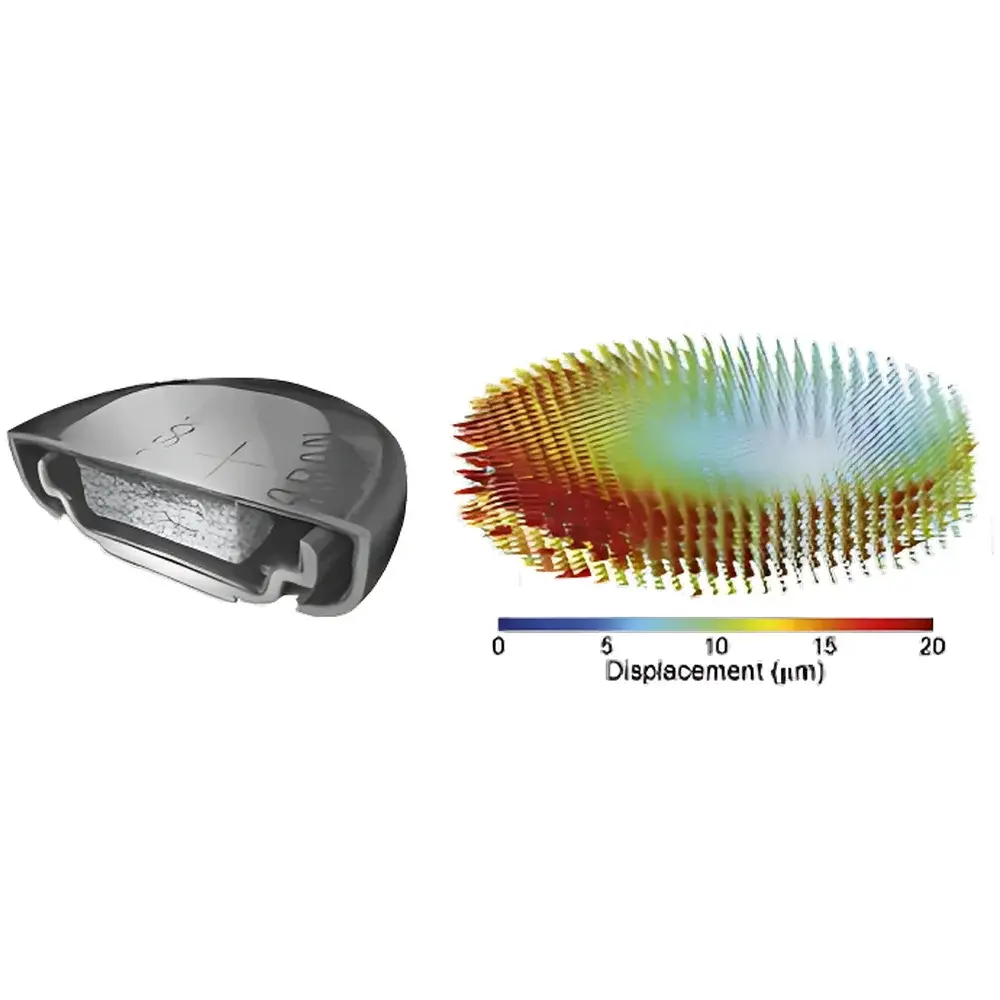
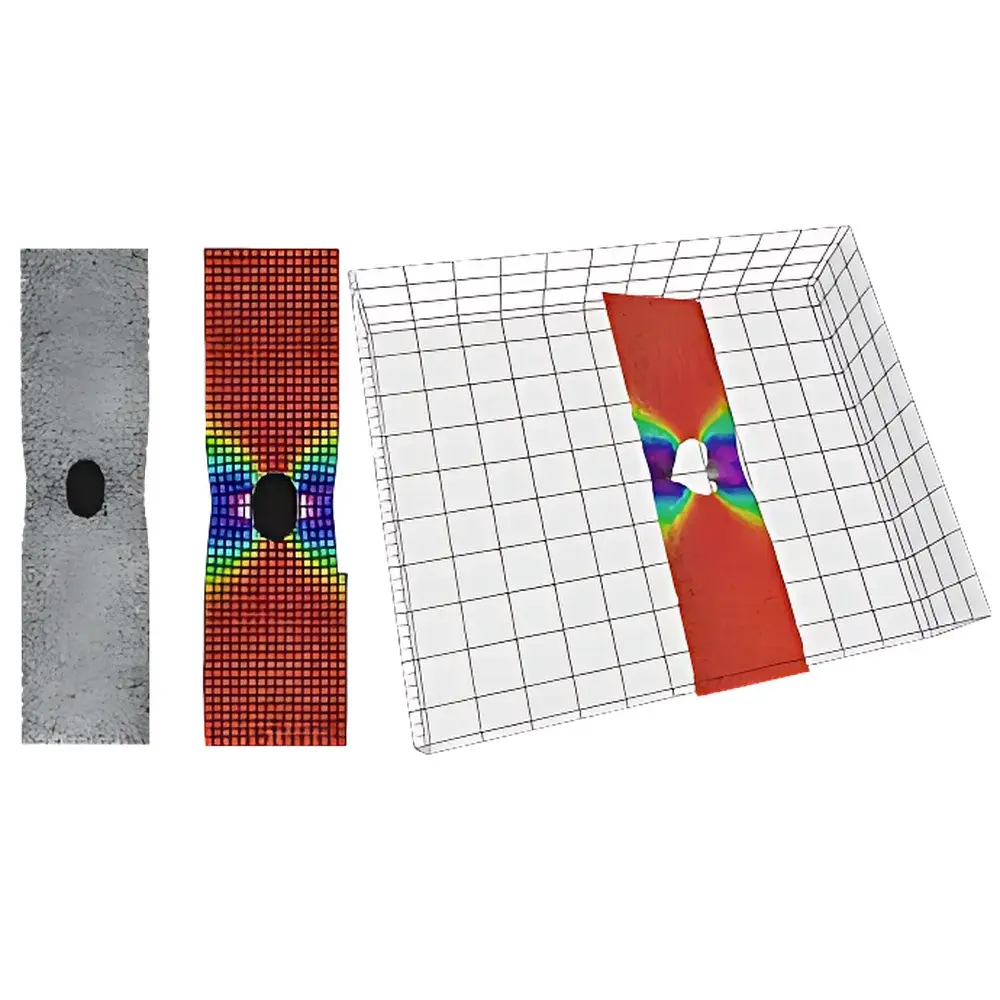
The LaVision StrainMaster is a turnkey optical metrology platform engineered for full-field, non-contact quantification of shape, surface displacement, strain, and volumetric deformation in solid and quasi-solid materials. It operates on the physical principles of Digital Image Correlation (DIC) and Digital Volume Correlation (DVC), leveraging pixel-level tracking of stochastic intensity patterns—either naturally occurring surface textures or controlled speckle patterns—to compute sub-pixel displacements across two or more synchronized image sequences. In 2D/3D stereo DIC mode, the system reconstructs in-plane and out-of-plane displacement fields from calibrated dual-camera acquisitions, enabling calculation of engineering strain tensors (εxx, εyy, γxy) and principal strain magnitudes with spatial resolution down to micrometer-scale per pixel, dependent on optical magnification and sensor geometry. In DVC mode, StrainMaster extends this capability into the third dimension by correlating voxel-intensity variations across time-resolved volumetric image stacks acquired via X-ray computed tomography (CT), magnetic resonance imaging (MRI), or optical coherence tomography (OCT), thereby delivering true 3D strain tensor fields within opaque or heterogeneous internal structures.
Key Features
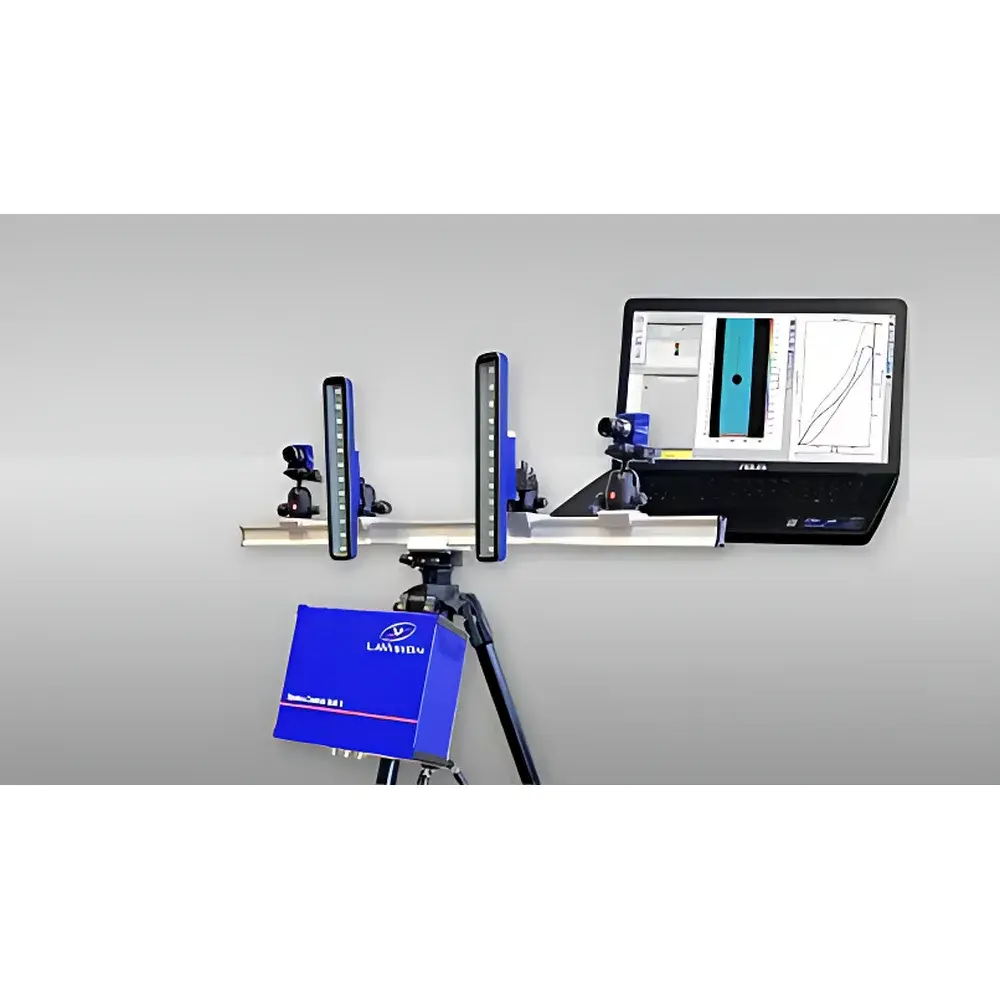
- Modular hardware architecture supporting both portable field-deployable configurations and high-precision laboratory-grade setups
- Native integration of 2D DIC, stereo 3D DIC, and Digital Volume Correlation (DVC) within a unified software environment
- Sub-pixel displacement resolution achieved through advanced correlation kernels (e.g., Newton-Raphson optimization, zero-mean normalized cross-correlation)
- Real-time image acquisition synchronization with external triggers (e.g., load frames, environmental chambers, mechanical actuators)
- Calibration traceability to NIST-traceable standards; support for multi-lens, telecentric, and macro objectives
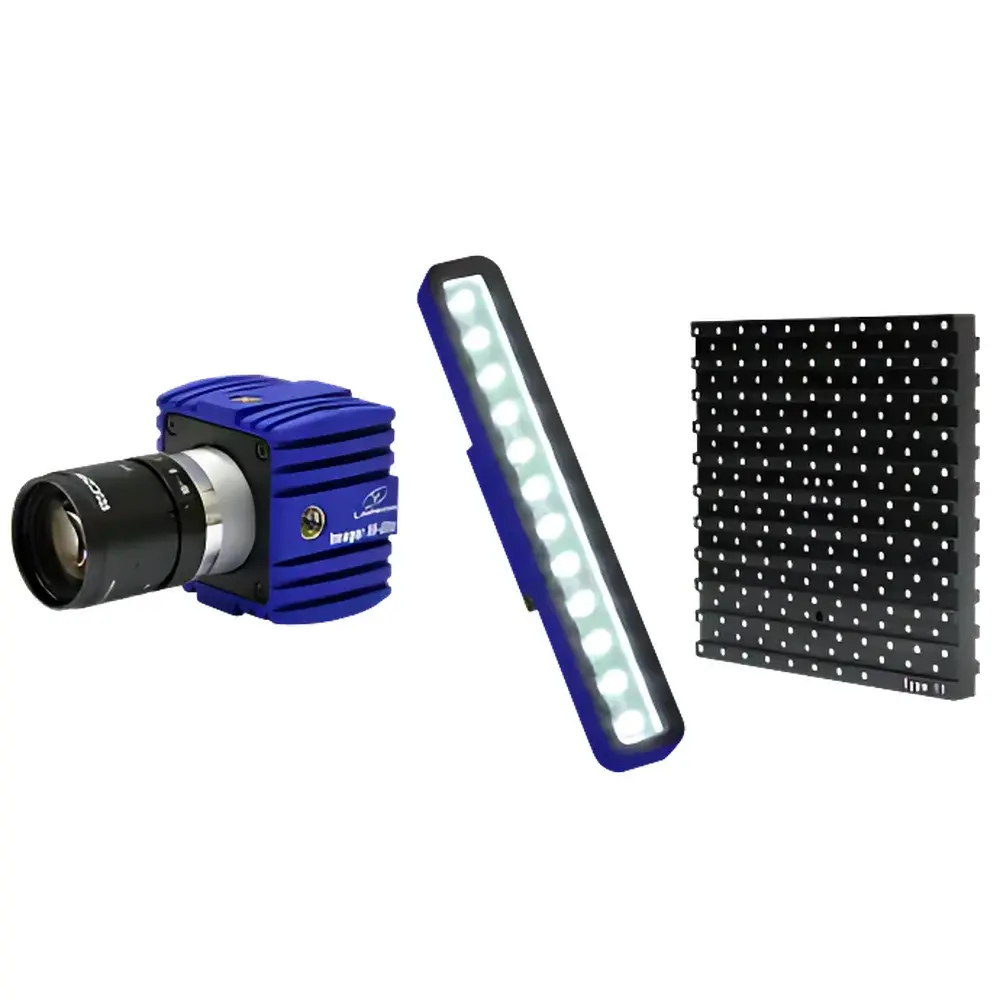
- Hardware-agnostic compatibility with scientific CMOS and sCMOS cameras (up to 16-bit depth, >100 fps at full resolution), LED and structured-light illumination systems, and motorized translation stages
- Robust noise suppression algorithms optimized for low-contrast surfaces and low-SNR volumetric datasets
Sample Compatibility & Compliance
StrainMaster accommodates a broad spectrum of specimen geometries and material classes—including metallic alloys, polymer composites, ceramics, biological tissues, foams, and granular media—without requiring physical attachment of sensors or strain gauges. Surface preparation follows ASTM E837-22 guidelines for speckle pattern application when natural texture is insufficient. For volumetric analysis, sample size and density must conform to the constraints of the associated modality (e.g., CT scan field-of-view and reconstruction voxel size). The system supports compliance-critical environments: raw image metadata (timestamps, exposure settings, calibration parameters) are embedded and preserved throughout processing; version-controlled analysis pipelines ensure reproducibility; optional 21 CFR Part 11 configuration enables electronic signature enforcement, audit trail logging, and role-based access control—meeting requirements for regulated R&D, quality assurance, and failure analysis in aerospace, medical device, and automotive sectors.
Software & Data Management
StrainMaster Control & Analysis Software provides an integrated interface for experiment design, hardware orchestration, real-time preview, batch processing, and post-hoc visualization. All DIC/DVC computations are performed using LaVision’s proprietary correlation engine, validated against benchmark datasets from the Society for Experimental Mechanics (SEM) and the European Association of Experimental Mechanics (EAEM). Processed results—including displacement maps, strain tensors, rotation fields, and von Mises equivalent strain—are exportable in HDF5, TIFF stack, CSV, and VTK formats for interoperability with MATLAB, Python (NumPy/SciPy), ANSYS Mechanical, and Abaqus. A Python SDK enables automated workflow scripting, parameter sweeps, and integration into CI/CD pipelines for high-throughput testing. Data provenance is maintained via immutable project archives containing raw images, calibration files, processing logs, and user annotations—facilitating ISO/IEC 17025-compliant reporting and third-party verification.
Applications
- Mechanical characterization of additively manufactured components under tensile, compressive, and cyclic loading
- Crack initiation and propagation analysis in fatigue testing, including pre-critical defect identification via DVC-induced strain localization
- Thermo-mechanical deformation mapping of bonded joints and adhesive interfaces during thermal cycling
- Biomechanical strain analysis in soft tissue models (e.g., cartilage, arterial walls) imaged via MRI or OCT
- In-situ deformation monitoring of battery electrode microstructures during electrochemical cycling using synchrotron X-ray CT
- Validation of finite element models by direct comparison of predicted vs. measured strain fields
FAQ
What distinguishes StrainMaster’s DVC capability from conventional surface DIC?
DVC extends correlation-based displacement measurement into the interior of opaque specimens by analyzing intensity fluctuations across 3D volumetric image series—enabling full-volume strain tensor computation without destructive sectioning.
Can StrainMaster be integrated with existing mechanical test frames or environmental chambers?
Yes—via TTL, analog, or Ethernet-based trigger protocols; hardware synchronization modules support latency-compensated acquisition aligned to load, displacement, or temperature signals.
Is training and technical support available for first-time DIC users?
LaVision offers on-site and remote application training, certified operator workshops, and dedicated application engineering support for method development and validation.
Does the system support automated batch processing for repetitive test series?
Yes—the software includes job queue management, template-driven analysis workflows, and CLI access for unattended overnight processing.
How is measurement uncertainty quantified and reported?
Uncertainty estimation follows the GUM (Guide to the Expression of Uncertainty in Measurement) framework, incorporating contributions from camera noise, lens distortion, speckle quality, subset size, and interpolation error—each configurable and documented per test protocol.



