
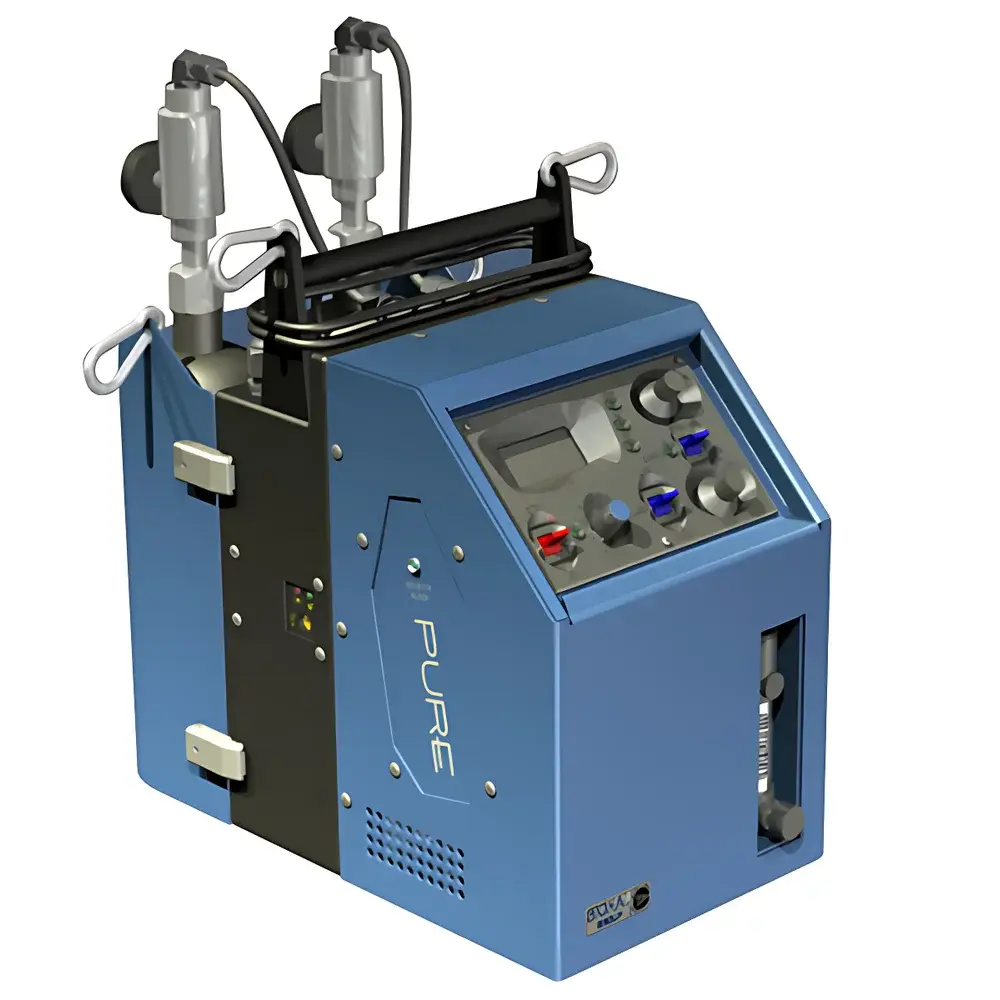
LESHI Model 3010 Portable Total Hydrocarbons / Methane / Non-Methane Hydrocarbons Analyzer
| Brand | Leshi |
|---|---|
| Origin | Beijing, China |
| Instrument Type | Portable |
| Detection Principle | Heated Flame Ionization Detection (HFID) with High-Temperature Catalytic Methane Scrubber |
| Compliance | HJ/T 38–2017, HJ 1012–2018, DB11/T 1367–2016, GB 18352.6–2016, GB 17691–2018, EN 12619, EN 13526, US EPA Compliant |
| Certification | CPA Certified, MCERTS Certified |
| Fuel Options | H₂/He mixture or pure H₂ |
| Zero Air Source | Integrated catalytic air purifier (no external zero air required) |
| Data Logging | Built-in recorder with IoT-enabled telemetry |
| Optional Modules | O₂, temperature, pressure, flow, humidity, PID/benzene speciation |
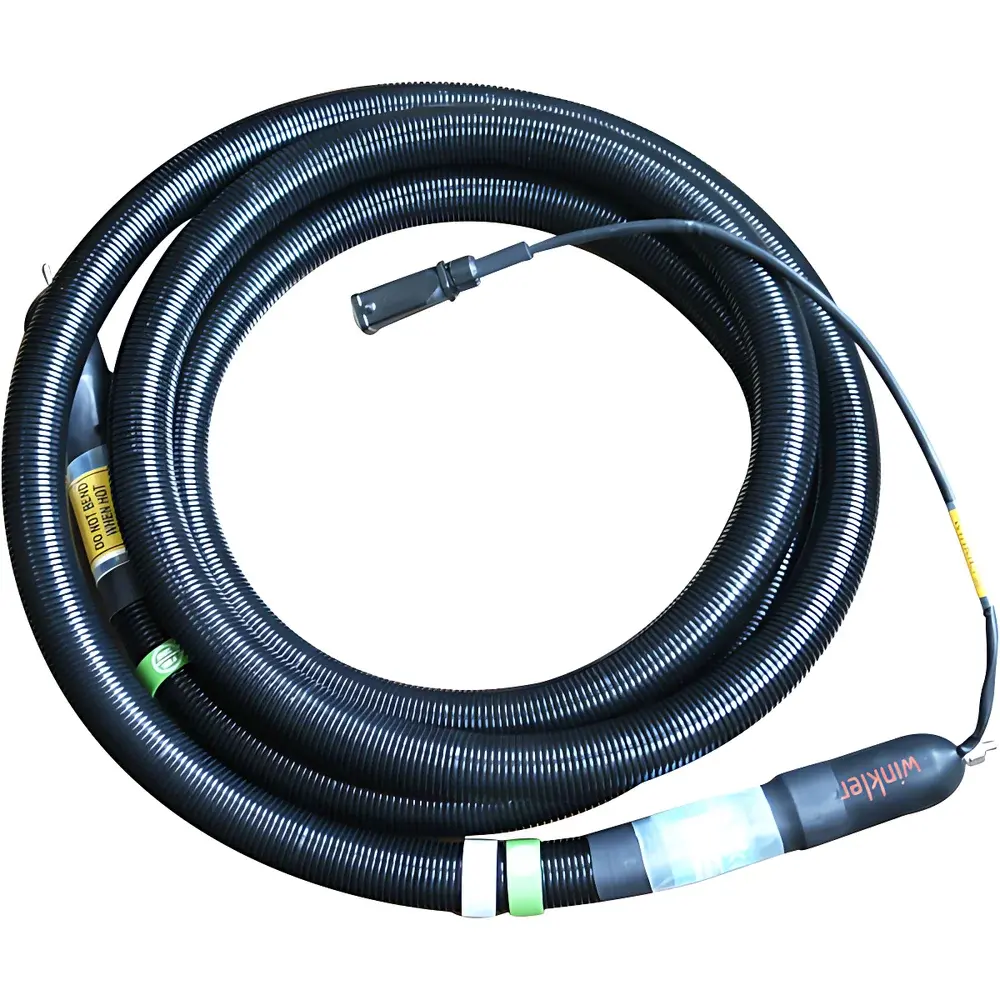
| Sample Line | Integrated heated sampling line (up to 180 °C) |
| Detection Limit | Sub-ppb range for THC (typical) |
| Response Time | T₉₀ < 3 s |
| Range Switching | Multi-range, auto-switching without power cycle |
| Filter | Removable PTFE particulate filter |
Overview
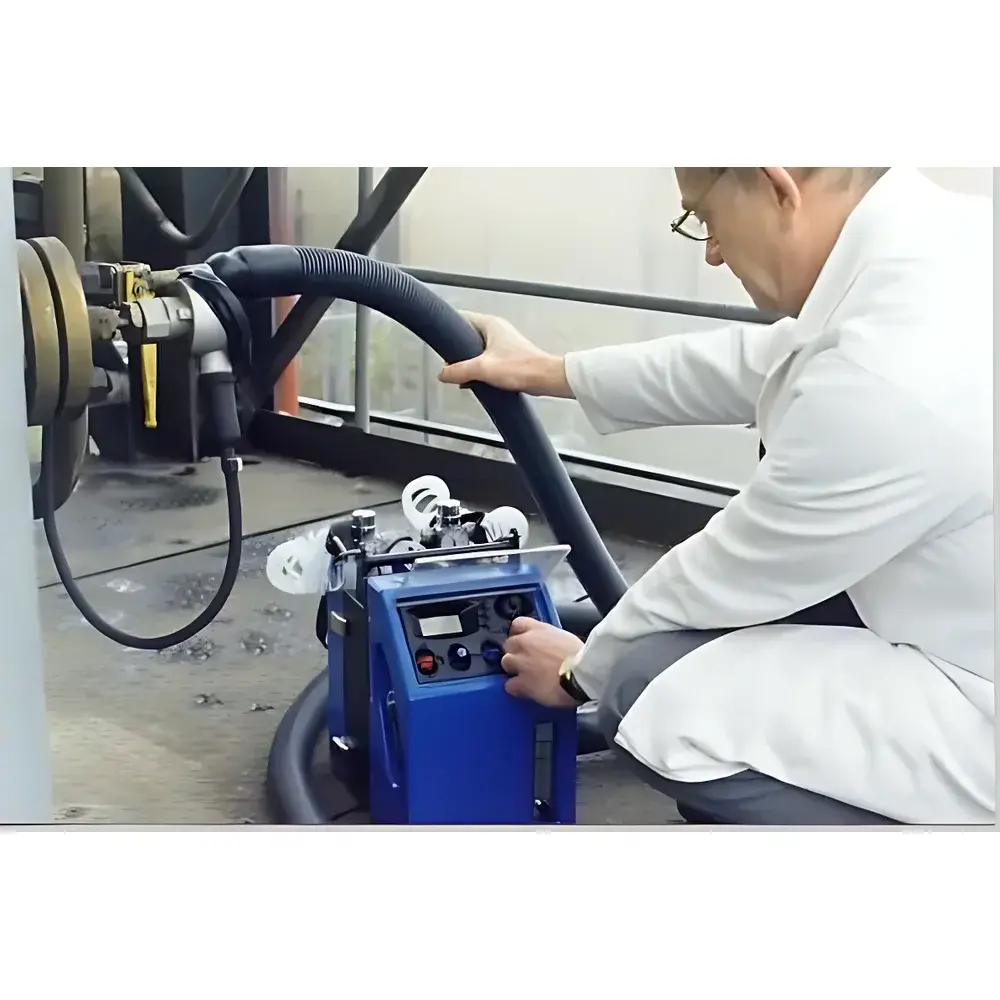
The LESHI Model 3010 Portable Total Hydrocarbons / Methane / Non-Methane Hydrocarbons Analyzer is an engineered solution for field-deployable, regulatory-grade quantification of hydrocarbon species in ambient air, stack emissions, and process streams. It operates on the principle of heated flame ionization detection (HFID), where sample gas is combusted in a hydrogen-fueled flame at elevated temperatures (≥180 °C), generating ions proportional to carbon content. A high-efficiency, thermally stabilized catalytic converter (methane cutter) selectively oxidizes methane at >600 °C—enabling precise differentiation between total hydrocarbons (THC), methane (CH₄), and non-methane hydrocarbons (NMHC) via sequential measurement modes. This methodology aligns with internationally recognized reference techniques defined in HJ/T 38–2017, HJ 1012–2018, and US EPA Method 25A, ensuring metrological traceability and interlaboratory comparability. Designed for rugged field use, the Model 3010 integrates all critical subsystems—including heated sample transport, catalytic zero-air generation, flame stabilization logic, and oxygen-compensated signal processing—into a single, self-contained unit weighing under 12 kg.
Key Features
- CPA-certified and MCERTS-compliant architecture, validated per HJ 1012–2018 performance criteria for portable NMHC analyzers
- Integrated heated sampling line (180 °C max) with stainless-steel/PFA construction and real-time temperature monitoring
- Onboard catalytic air purifier producing ultra-low-hydrocarbon zero air (<0.02 ppm C₁–C₆ equivalent), eliminating dependency on external zero-gas cylinders
- Oxygen compensation algorithm dynamically adjusts flame stoichiometry to mitigate cross-sensitivity from variable O₂ concentrations (1–21% v/v)
- Multi-range FID detector with automatic span switching across six decades (0.1–10,000 ppm C₁ as propane), no power interruption required
- PTFE particulate filter (0.5 µm retention) with quick-release housing for field maintenance
- Built-in data logger (≥32 GB internal storage) supporting time-stamped, GPS-tagged records compliant with GLP audit trails
- IoT-ready embedded module enabling secure TLS 1.2 telemetry to cloud platforms (MQTT/HTTPS), with configurable alarm thresholds and remote firmware updates
Sample Compatibility & Compliance
The Model 3010 accepts gaseous samples with moisture content ≤40% RH (non-condensing) and particulate loading ≤1 mg/m³. It maintains accuracy across matrix variations typical of combustion exhaust (CO₂ up to 15%, NOₓ ≤500 ppm), solvent vapors (acetone, toluene, xylene), and biogenic emissions (isoprene, monoterpenes). Regulatory alignment includes full conformance with Chinese national standards HJ/T 38–2017 (NMHC calculation protocol), HJ 1012–2018 (portable analyzer technical requirements), DB11/T 1367–2016 (stack testing), and GB 18352.6–2016 (light-duty vehicle certification). For international deployment, it satisfies EN 12619 (stationary source monitoring), EN 13526 (performance validation), and US EPA Method 25A equivalency when operated per specified calibration and interference protocols. All hardware and firmware comply with IEC 61000-6-2/6-4 EMC requirements and ATEX Zone 2/IECEx certification readiness (pending regional declaration).
Software & Data Management
The analyzer runs LESHI’s FieldLink™ embedded OS, featuring a 7-inch capacitive touchscreen interface with multilingual support (English, Chinese, Spanish). Measurement data are stored in ISO/IEC 17025-aligned CSV and SQLite formats, including raw ion current, calibrated concentration, instrument status flags, and environmental metadata (T, P, RH, O₂). The optional Signal Desktop Suite (Windows/macOS) provides spectral visualization, compliance reporting templates (HJ 1012 Annex D), uncertainty budgeting per GUM principles, and automated QA/QC flagging (e.g., zero drift >±2% full scale over 24 h). Mobile access is enabled via Signal Mobile App (iOS/Android), delivering live dashboards, geotagged emission maps, and push notifications for out-of-spec events. All data exchanges adhere to FDA 21 CFR Part 11 requirements, including electronic signatures, audit trail logging, and role-based access control.
Applications
- Regulatory stack testing at thermal oxidizers, incinerators, and chemical reactors per GB 17691–2018 and EU Industrial Emissions Directive
- In-vehicle exhaust characterization during PEMS (Portable Emission Measurement Systems) campaigns for light- and heavy-duty engines
- Leak detection and repair (LDAR) surveys in petrochemical facilities, LNG terminals, and natural gas distribution networks
- Process optimization in semiconductor cleanrooms, coating lines, and solvent recovery units
- Academic research on VOC reactivity, atmospheric oxidation pathways, and combustion intermediates using controlled reactor effluents
- Environmental monitoring of landfill gas, wastewater treatment off-gases, and agricultural emission sources
FAQ
What fuel gases are compatible with the Model 3010?
The analyzer supports both pure hydrogen and H₂/He mixtures (typically 40/60 v/v). H₂/He is recommended for variable-oxygen environments (e.g., ambient air, flue gas) to minimize flame temperature fluctuations.
Does the instrument require external zero air or calibration gases?
No. The integrated catalytic air purifier generates certified zero air (<0.02 ppm THC). Only certified span gases (e.g., propane in nitrogen) are required for calibration.
How is methane selectivity achieved?
A high-temperature nickel catalyst (≥600 °C) oxidizes CH₄ prior to the FID, while retaining C₂+ hydrocarbons intact. Methane concentration is derived by difference: NMHC = THC − CH₄.
Can the Model 3010 measure oxygen simultaneously?
Yes—via optional electrochemical O₂ sensor (0–25% v/v, ±0.1% accuracy), which feeds into the oxygen compensation algorithm for improved FID stability.
Is remote data access supported out of the box?
Yes. The embedded IoT module enables secure cloud connectivity; configuration requires only network SSID/password and server endpoint credentials.
Related Products







