
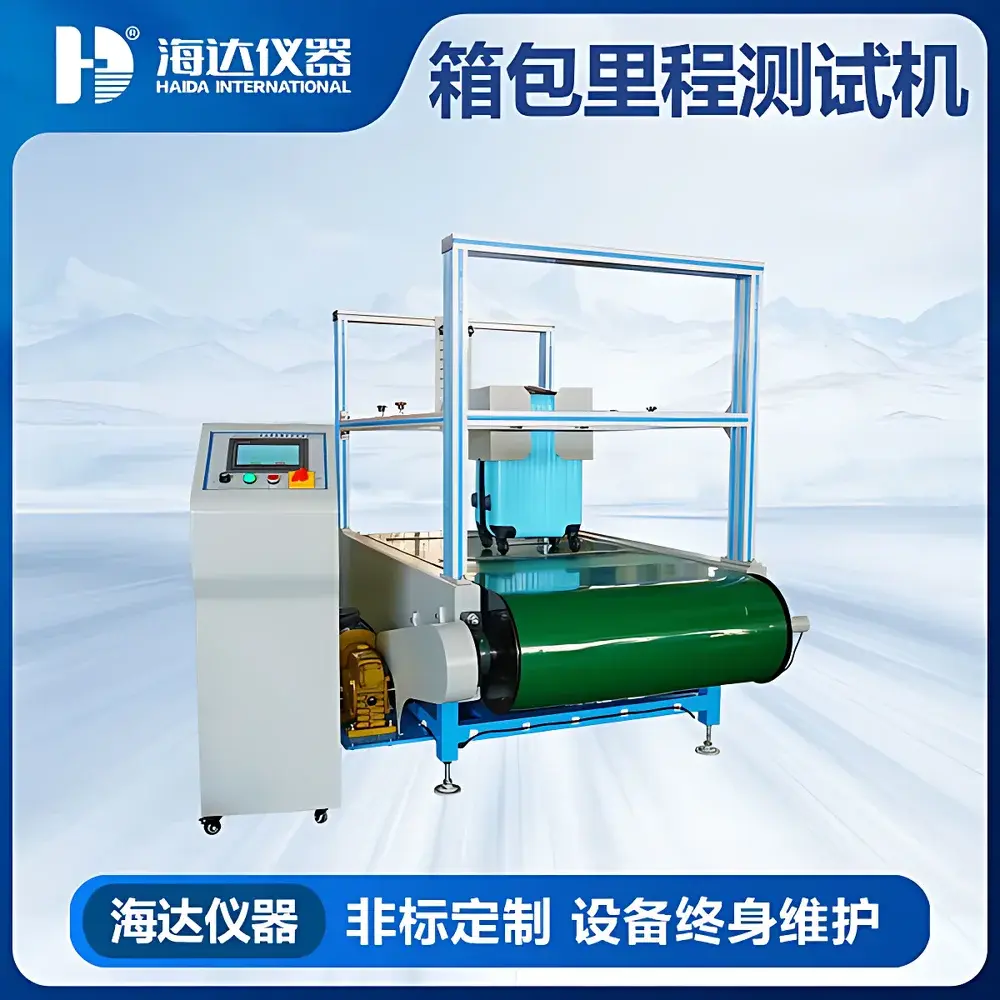
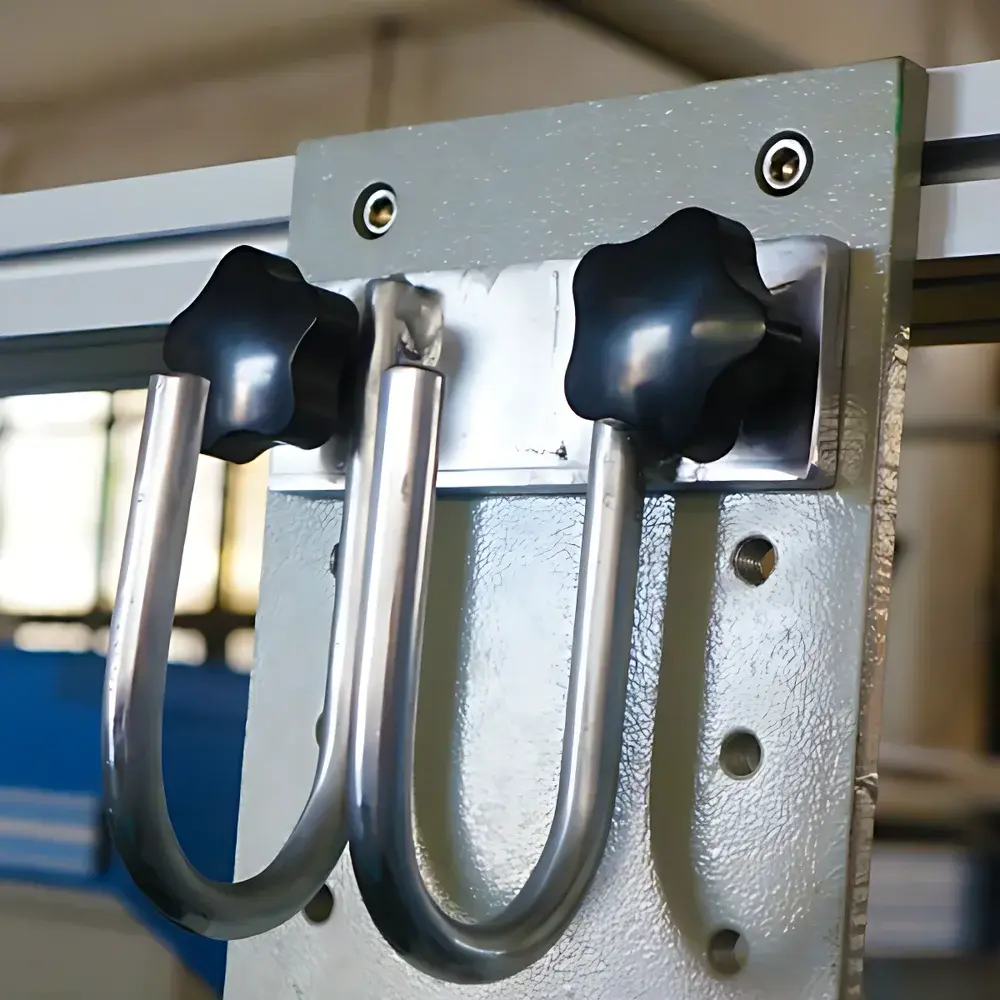
HAIDA HD-D113-2 Luggage Mileage Life Testing Machine
| Brand | HAIDA INTERNATIONAL |
|---|---|
| Origin | Guangdong, China |
| Manufacturer Type | Direct Manufacturer |
| Product Origin | Domestic (China) |
| Model | HAIDA HD-D113-2 Luggage Mileage Life Testing Machine |
| Price | Upon Request |
| Test Speed (Method B) | 0.1–3 km/h (adjustable) |
| Intermittent Cycle | 10 min pause per 2 km |
| Bump Plate Material | Aluminum Alloy |
| Bump Plate Hardness | HB (40 ± 5) |
| Bump Plate Length | (300 ± 2) mm |
| Conveyor Belt Circumference | (5500 ± 25) mm |
| Conveyor Belt Width | (700 ± 5) mm |
| Hook Height Adjustment Range | 450–700 mm (from conveyor surface to hook center) |
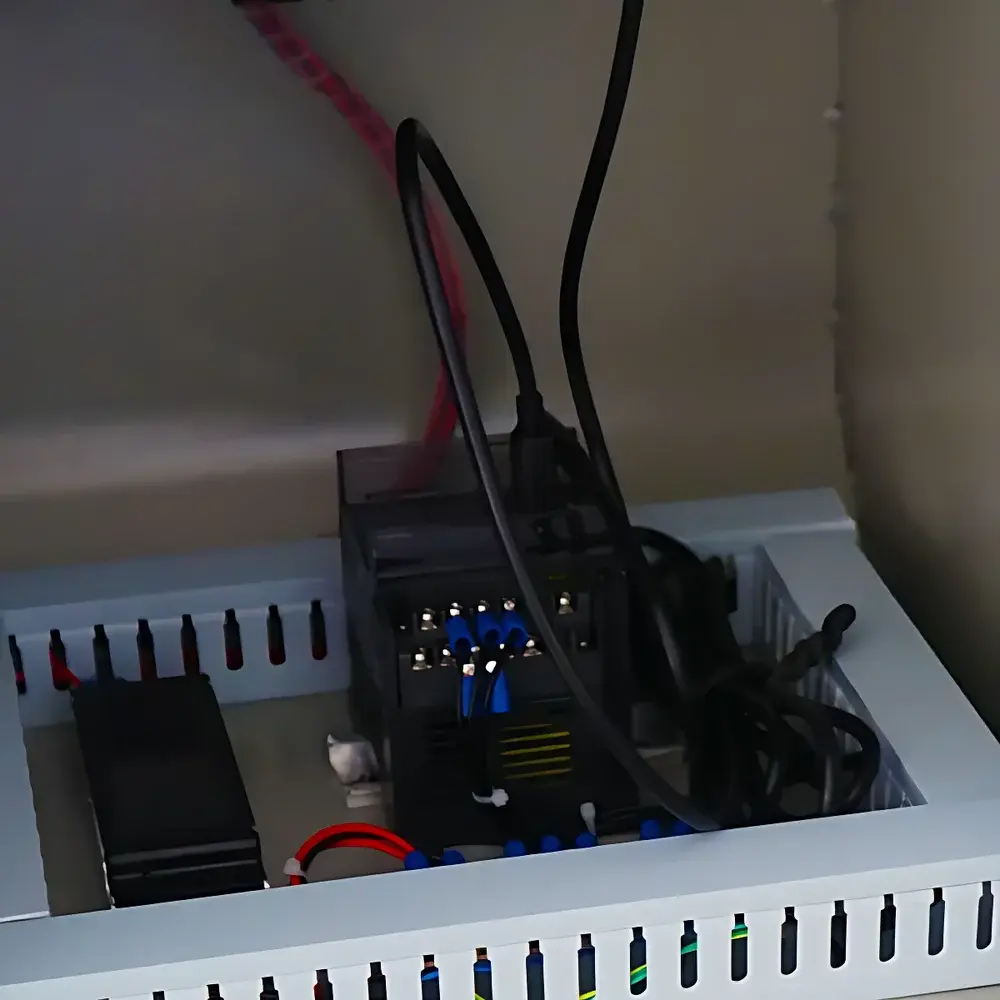
| Control System | PLC-based |
| Display Interface | Touchscreen HMI |
| Data Export | USB port |
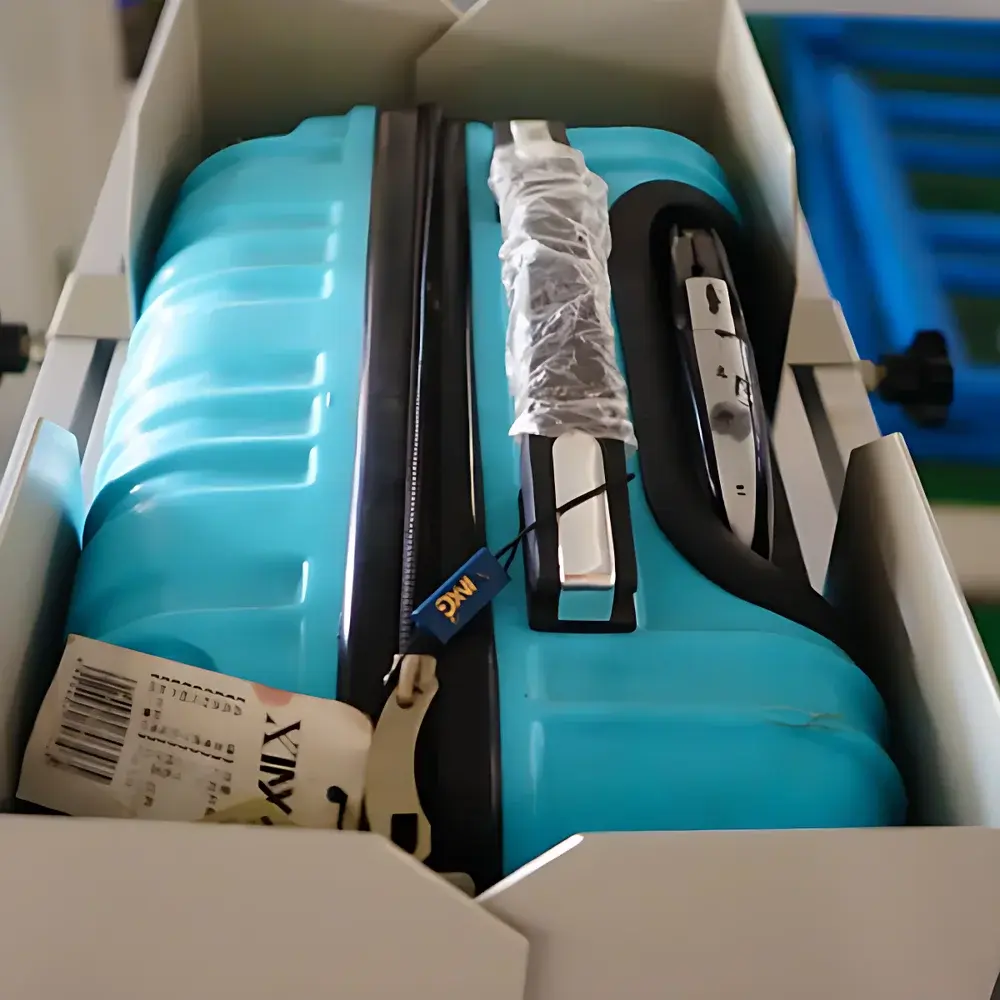
| Sample Size Compatibility | Suitcases: 16–33 inches |
| Travel Bags | 20–50 L |
| Overall Dimensions (L×W×H) | Approx. 2700 × 1350 × 1800 mm |
| Weight | Approx. 750 kg |
| Power Supply | 1-phase AC 220 V |
| Rated Power | ~950 W |
| Compliant Standard | QB/T 2920–2018 (Method B) |
Overview
The HAIDA HD-D113-2 Luggage Mileage Life Testing Machine is an engineered test system designed to evaluate the structural integrity and functional durability of wheeled luggage under simulated real-world walking conditions. It operates on the principle of controlled mechanical fatigue induction: a motor-driven conveyor belt transports the test specimen while a precisely dimensioned aluminum bump plate—hardened to HB (40 ± 5)—repeatedly impacts the wheels during transit. This replicates cumulative ground irregularities encountered during typical pedestrian use, enabling quantitative assessment of wheel wear, axle deformation, trolley mechanism stability, frame rigidity, and overall assembly robustness. The machine implements Method B of QB/T 2920–2018, the Chinese national standard for luggage endurance testing, and supports traceable, repeatable validation in accordance with ISO/IEC 17025-aligned quality assurance frameworks.
Key Features
- High-fidelity bump plate assembly fabricated from aerospace-grade aluminum alloy, machined to strict dimensional tolerances (length: 300 ± 2 mm) and hardness specification (HB 40 ± 5), ensuring consistent impact energy delivery across test cycles.
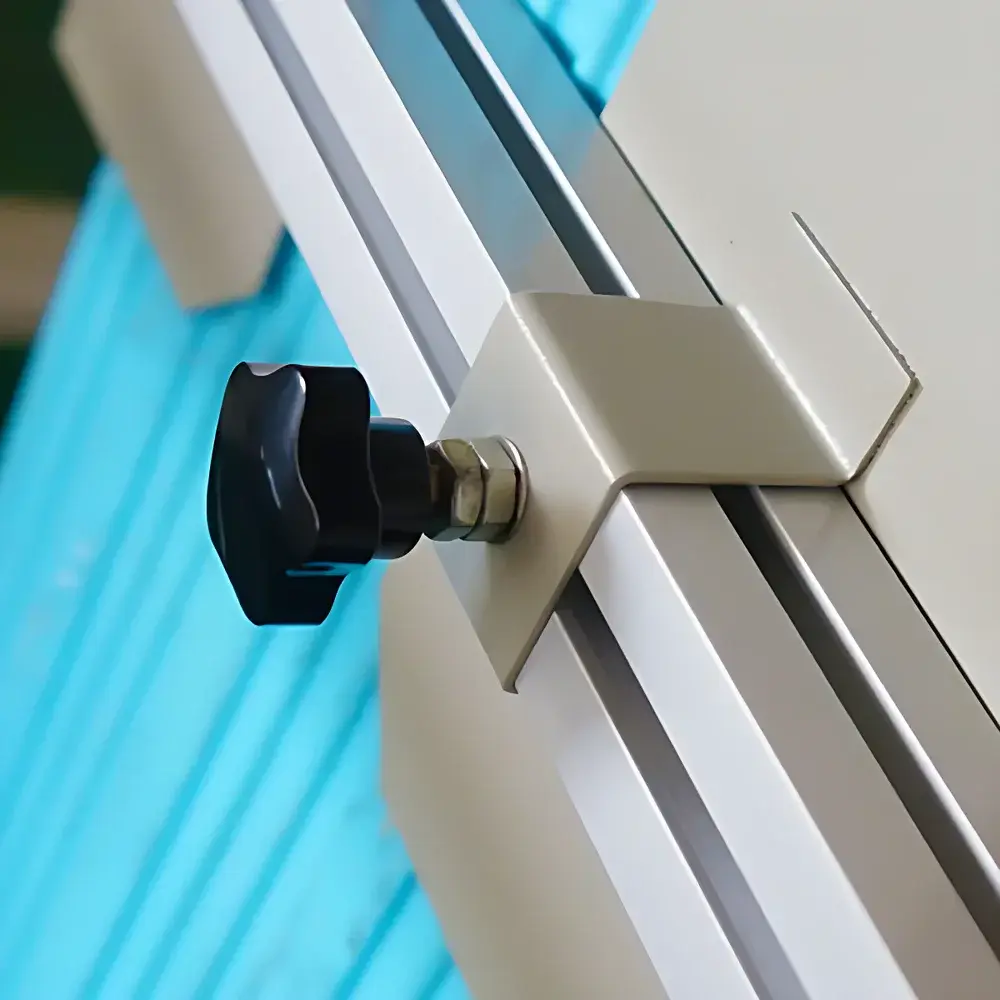
- Adjustable hook-height mechanism (450–700 mm range) accommodates diverse suitcase geometries and center-of-gravity configurations without mechanical reconfiguration.
- PLC-controlled motion logic with touchscreen HMI interface enables precise speed regulation (0.1–3 km/h), programmable intermittent rest intervals (10 min pause per 2 km), and real-time status monitoring.
- Integrated safety architecture includes dual-channel optical curtain sensors that halt operation upon intrusion detection, plus audible/visual fault alerts for abnormal load, belt slippage, or power anomaly.
- Industrial-grade powder-coated steel frame provides long-term corrosion resistance and mechanical stability under continuous 950 W operational load.
- Dual-sample capability allows concurrent evaluation of two distinct luggage units under identical environmental and kinematic conditions—enhancing throughput and inter-unit comparability.
Sample Compatibility & Compliance
The HD-D113-2 accommodates a broad spectrum of commercial luggage formats: rigid and soft-shell suitcases ranging from 16 to 33 inches (measured diagonally), and travel bags with volumes between 20 L and 50 L. Its modular mounting fixtures support four-wheel configurations with variable axle spacing and caster orientation. All mechanical and control subsystems conform to QB/T 2920–2018 Method B requirements—including conveyor belt geometry (5500 ± 25 mm circumference, 700 ± 5 mm width), bump plate placement, and speed profile sequencing. While primarily aligned with Chinese national standards, the test methodology correlates with key international durability benchmarks such as ASTM D7262 (Standard Test Method for Rolling Resistance of Luggage) and ISO 11987 (Luggage—Test Methods for Wheeled Luggage), facilitating cross-market compliance documentation.
Software & Data Management
Operation is managed via an embedded PLC controller interfaced with a 7-inch industrial touchscreen HMI. The firmware supports parameter logging (speed, elapsed distance, cycle count, pause duration), automatic test termination signaling, and timestamped event recording. Test data—including total distance traveled, number of bump impacts, and runtime statistics—is exportable in CSV format via USB 2.0 interface for integration into LIMS or QA reporting systems. The control software maintains audit-ready session logs with user ID tagging (where configured), supporting GLP/GMP-aligned record retention protocols. No cloud connectivity or proprietary drivers are required—ensuring compatibility with air-gapped laboratory networks and minimizing cybersecurity exposure surfaces.
Applications
- Pre-production validation of wheel bearing materials, polyurethane tread compounds, and axle fastening integrity.
- Comparative wear analysis across OEM vs. third-party replacement wheel assemblies.
- Quality conformance testing for suppliers prior to bulk shipment (AQL-based sampling).
- Root-cause investigation of field failure reports related to caster detachment, wheel cracking, or trolley collapse.
- Supporting technical documentation for CE marking, GB certification, or retailer-specific vendor qualification programs (e.g., Walmart, Target, Amazon Vendor Central).
- Academic research on polymer tribology and dynamic load distribution in flexible luggage chassis.
FAQ
What standards does the HD-D113-2 comply with?
It is fully compliant with QB/T 2920–2018 Method B, the prevailing Chinese national standard for luggage mileage life testing.
Can the machine test non-wheeled bags or backpacks?
No—it is specifically engineered for wheeled luggage subjected to rolling fatigue; non-wheeled items lack the mechanical interface required for valid bump plate interaction.
Is calibration certification included with delivery?
Yes, each unit ships with a factory calibration report traceable to national metrology institutes, covering conveyor speed accuracy, bump plate dimensions, and height adjustment linearity.
What maintenance is required for long-term reliability?
Scheduled inspection of conveyor belt tension, bump plate mounting bolts, and optical curtain alignment every 500 operational hours; lubrication of drive sprockets per manufacturer guidelines.
Does HAIDA provide technical training for operators?
Yes—on-site or remote operator training sessions cover test setup, parameter configuration, safety protocols, data export procedures, and basic troubleshooting.



