
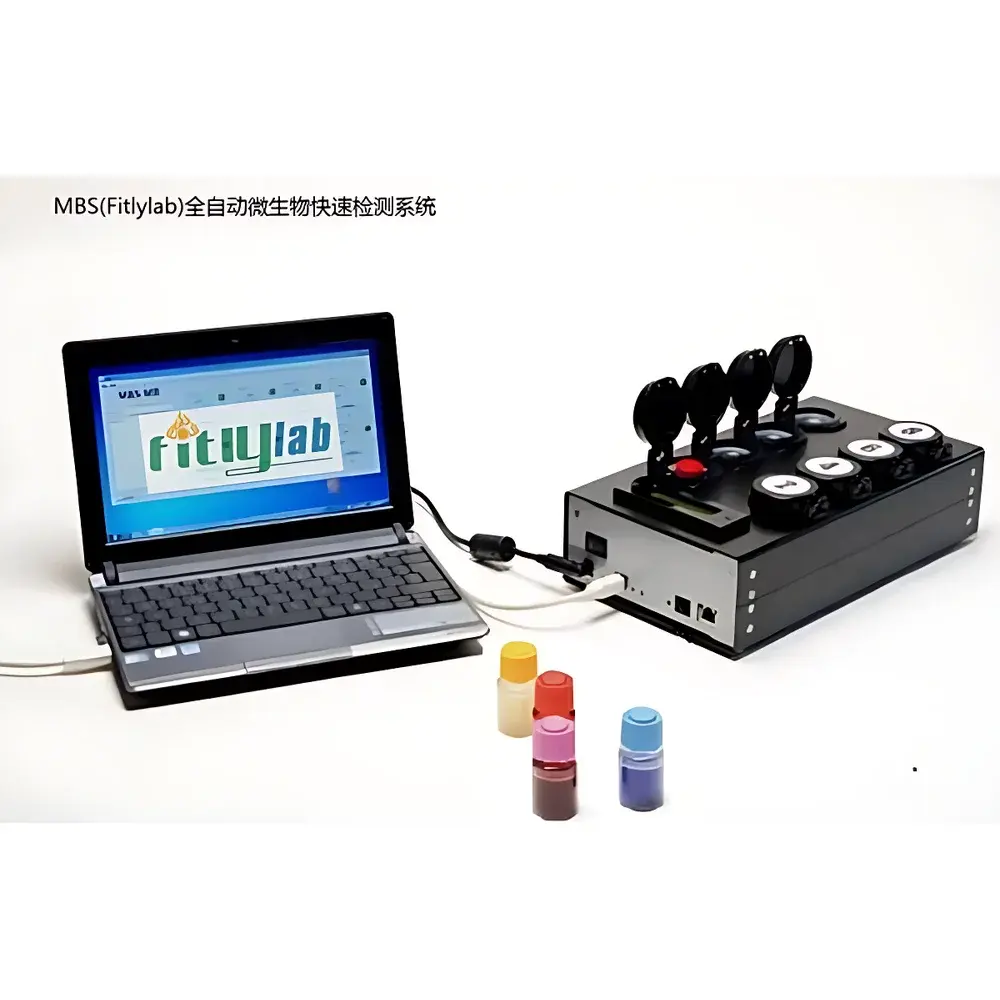
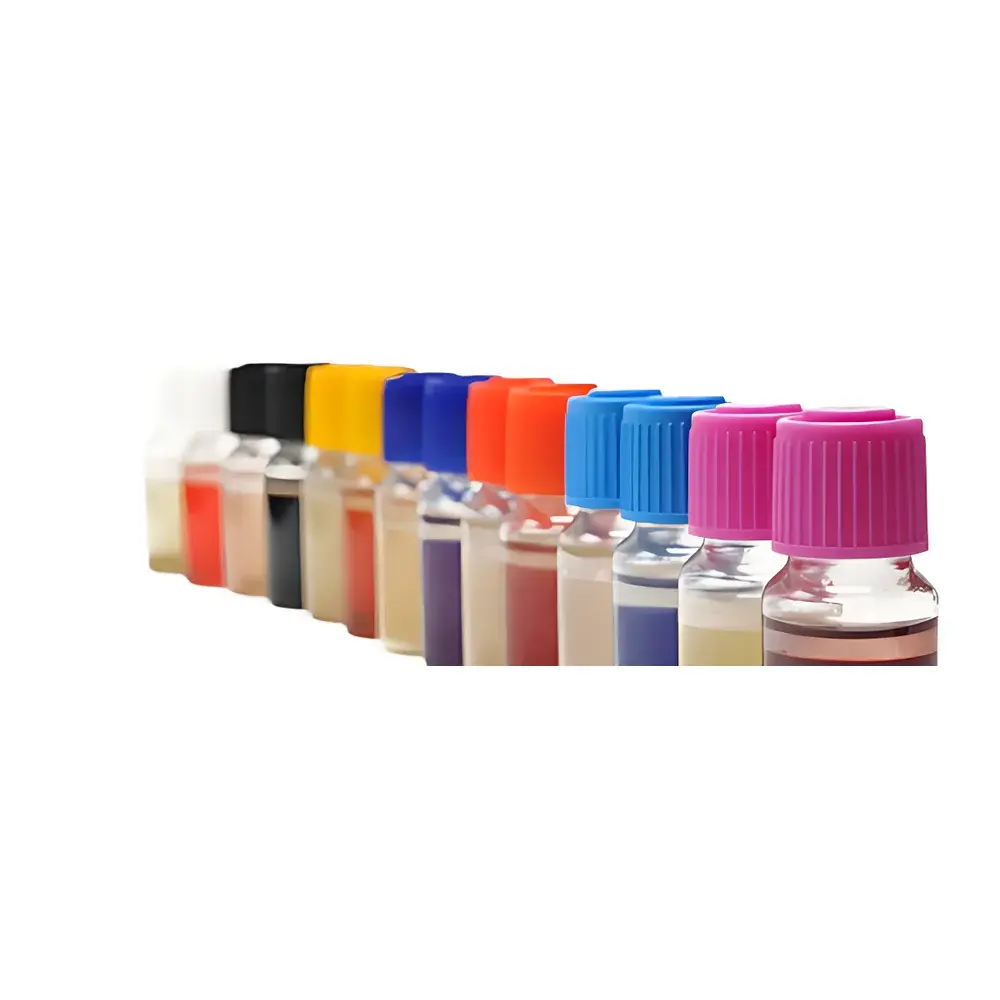
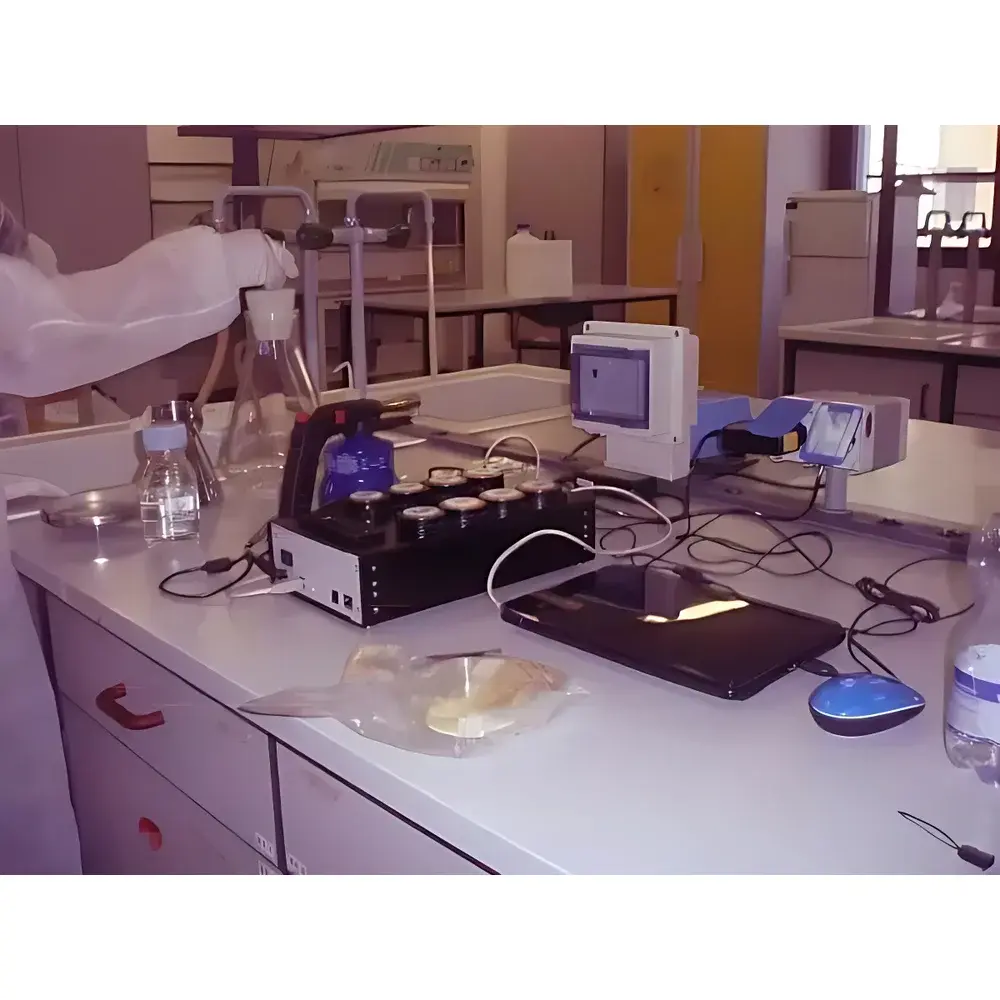
MBS Fitlylab MBS-MR Portable Multi-Channel Food Microbial Rapid Detection System
| Brand | MBS.SRL |
|---|---|
| Origin | Italy |
| Model | MBS(Fitlylab) MBS-MR |
| Function Type | Multi-analyte Quantitative Microbial Detection |
| Sample Types | Solid, Liquid, Surface, Paste, Slurry |
| Wavelengths | Simultaneous Blue-Green-Red (450 nm, 530 nm, 630 nm) |
| Detection Time | 2–10× faster than conventional culture methods |
| Reproducibility | High (CV < 5% across replicate runs) |
| Detection Channels | 8 independent, temperature-controlled wells |
| Sensitivity | 1 CFU per test |
| Specificity | ≥99.999% |
| Compliance | ISO 16140:2003 (validation of alternative microbiological methods), ISO/IEC 17025:2005 (testing laboratory competence), ISO/TR 13843:2000 (water microbiology) |
Overview
The MBS Fitlylab MBS-MR Portable Multi-Channel Food Microbial Rapid Detection System is an ISO-validated, benchtop-to-field deployable instrument engineered for quantitative microbial enumeration in food, environmental, and hygiene monitoring applications. It operates on a patented redox-based optical detection principle: target microorganisms metabolically reduce chromogenic substrates within sealed VL detection vials, inducing time-resolved color shifts in the oxidation-reduction indicator system. Unlike endpoint plate counting or single-wavelength photometry, the MBS-MR continuously monitors absorbance kinetics across three discrete wavelengths (450 nm, 530 nm, 630 nm) to resolve spectral interference from turbidity, particulates, or non-specific background reactions. The system correlates the inflection point (maximum first derivative) of the tri-channel differential intensity curve with microbial concentration—enabling precise, calibration-free quantification of viable cells without colony isolation or DNA extraction.
Key Features
- 8 independent, thermally regulated detection wells—each programmable for distinct incubation profiles (e.g., 30°C for Enterobacteriaceae, 37°C for E. coli, 41.5°C for Campylobacter)
- Tri-wavelength optical sensing (blue/green/red) eliminates scattering artifacts common in heterogeneous samples (e.g., ground meat homogenates, dairy slurries, surface swabs)
- Single-step sample introduction: 1 g solid or 1 mL liquid added directly to VL vial—no enrichment, centrifugation, or filtration required for most matrices
- Integrated sterilization cycle: VL vials contain built-in thermal/chemical inactivation post-assay; disposed as standard biohazard waste after decontamination
- Automated report generation compliant with GLP/GMP documentation requirements—including audit trail, operator ID, timestamp, raw kinetic curves, and pass/fail flagging against user-defined action limits
- Portable architecture (<12 kg, battery-operable option available) certified for use in non-classified laboratories, production floors, field inspection sites, and mobile labs
- Fitlylab software platform supports FDA 21 CFR Part 11-compliant electronic signatures, role-based access control, and encrypted database archiving
Sample Compatibility & Compliance
The MBS-MR accommodates diverse sample formats per ISO 16140-2:2016 Annex B protocols: homogenized food composites (meat, produce, dairy), potable/non-potable water (membrane-filtered or direct inoculation), environmental swabs (RODAC, sponge-stick), and cosmetic emulsions. Each VL vial contains matrix-specific selective agents (e.g., bile salts for Gram-negative inhibition, cefoperazone for Salmonella enrichment) and proprietary redox mediators optimized for respiratory chain coupling in target organisms. Validation data per ISO 16140:2003 confirm equivalence to reference methods for Total Viable Count, Coliforms, E. coli, Enterococcus faecalis, Staphylococcus aureus, Pseudomonas aeruginosa, Listeria monocytogenes, Salmonella spp., and Yeasts/Molds. Internal certification under ISO/IEC 17025:2005 covers uncertainty budgeting for all reported CFU/mL or CFU/g values.
Software & Data Management
Fitlylab v5.x software (English/Chinese bilingual interface) provides full traceability from sample registration to final report export (PDF, CSV, XML). Instrument firmware logs every optical measurement at 15-second intervals, storing raw tri-channel absorbance arrays with metadata (temperature, humidity, vial lot number, calibration epoch). Audit trails record user actions—including method modifications, result overrides, and report approvals—with immutable timestamps. Data encryption (AES-256) and optional network synchronization enable centralized LIMS integration. Software updates are delivered remotely at no cost for the instrument’s operational lifetime, incorporating new validation packages and regulatory alignment (e.g., updated EU Regulation (EC) No 2073/2005 annexes).
Applications
- HACCP prerequisite program verification: surface swabbing of food contact zones (conveyor belts, cutting boards, packaging lines)
- Raw material release testing: inbound grain, spices, powdered milk, and ready-to-eat ingredients
- Environmental monitoring in cleanrooms and aseptic processing suites (ISO 14644-1 Class 5–8)
- Water safety assessment per WHO Guidelines and EPA Method 1604 compliance
- Outbreak investigation support: rapid screening of suspect batches during recall containment
- Regulatory submission dossiers: validated alternative method data accepted by EFSA, FDA, and China NMPA
FAQ
How does the MBS-MR differentiate between live and dead microorganisms?
It measures active respiratory electron flux via enzymatic reduction of redox dyes—only metabolically viable cells generate detectable signal kinetics.
Can the system quantify mixed cultures (e.g., E. coli + Salmonella in one sample)?
No—each VL vial targets a single organism or functional group; parallel testing across multiple wells is required for co-detection.
What is the shelf life of unused VL vials, and how should they be stored?
18 months refrigerated (2–8°C); stable for 72 hours at ambient temperature post-reconstitution.
Does the system require daily calibration or routine maintenance?
No consumable calibration standards; optical path self-checks occur automatically at startup; only annual verification per ISO/IEC 17025 is recommended.
Is remote technical support available for method troubleshooting?
Yes—Fitlylab Connect enables secure screen-sharing and real-time diagnostics with MBS.SRL application scientists based in Rome.
Related Products




