
Onefive Origami Low-Noise Soliton Femtosecond Fiber Laser
| Brand | Onefive |
|---|---|
| Origin | Switzerland |
| Model | Origami |
| Wavelength Options | 513–535 nm, 765–785 nm, 1025–1070 nm, 1530–1580 nm, 1580–1700 nm |
| Pulse Width | <60–500 fs (model-dependent) |
| Average Power | 30–250 mW |
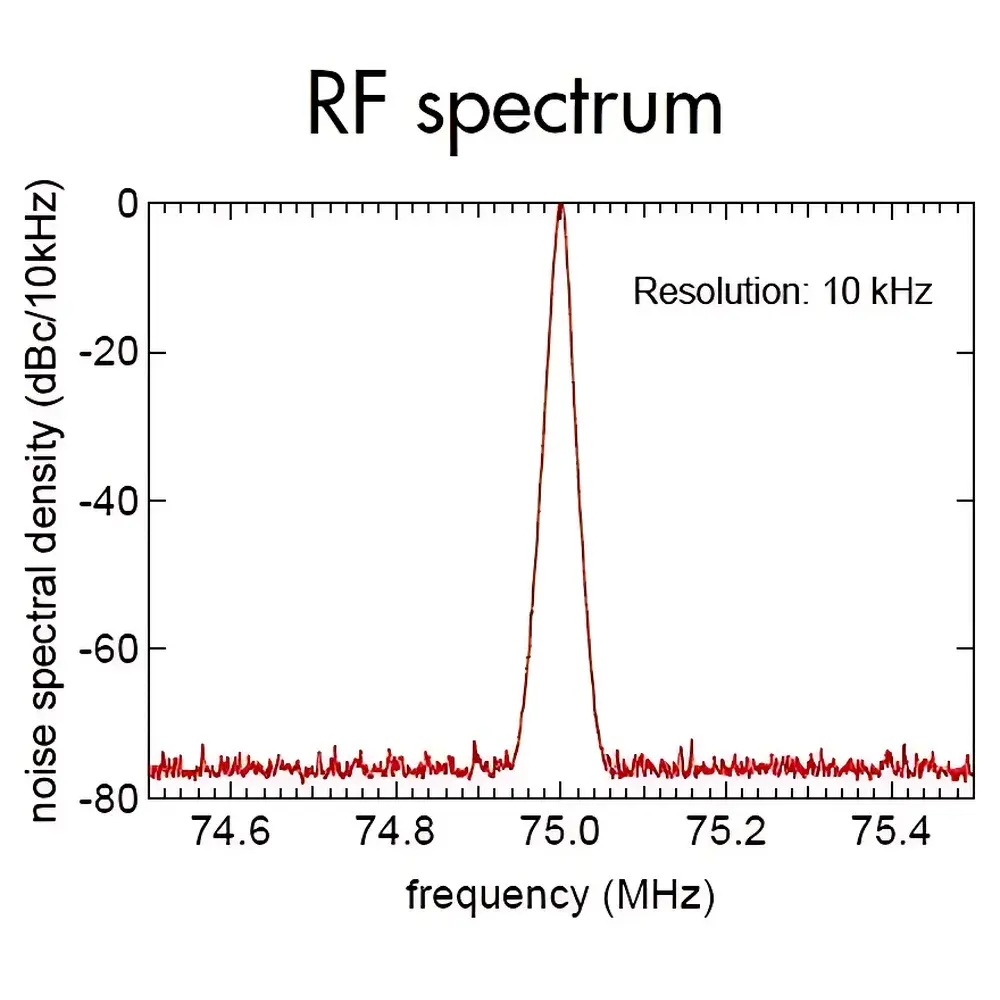
| Repetition Rate | 20 MHz – 1.3 GHz |
| Beam Quality | M² < 1.1, TEM₀₀ |
| Amplitude Noise | < 0.2% rms (24 h) |
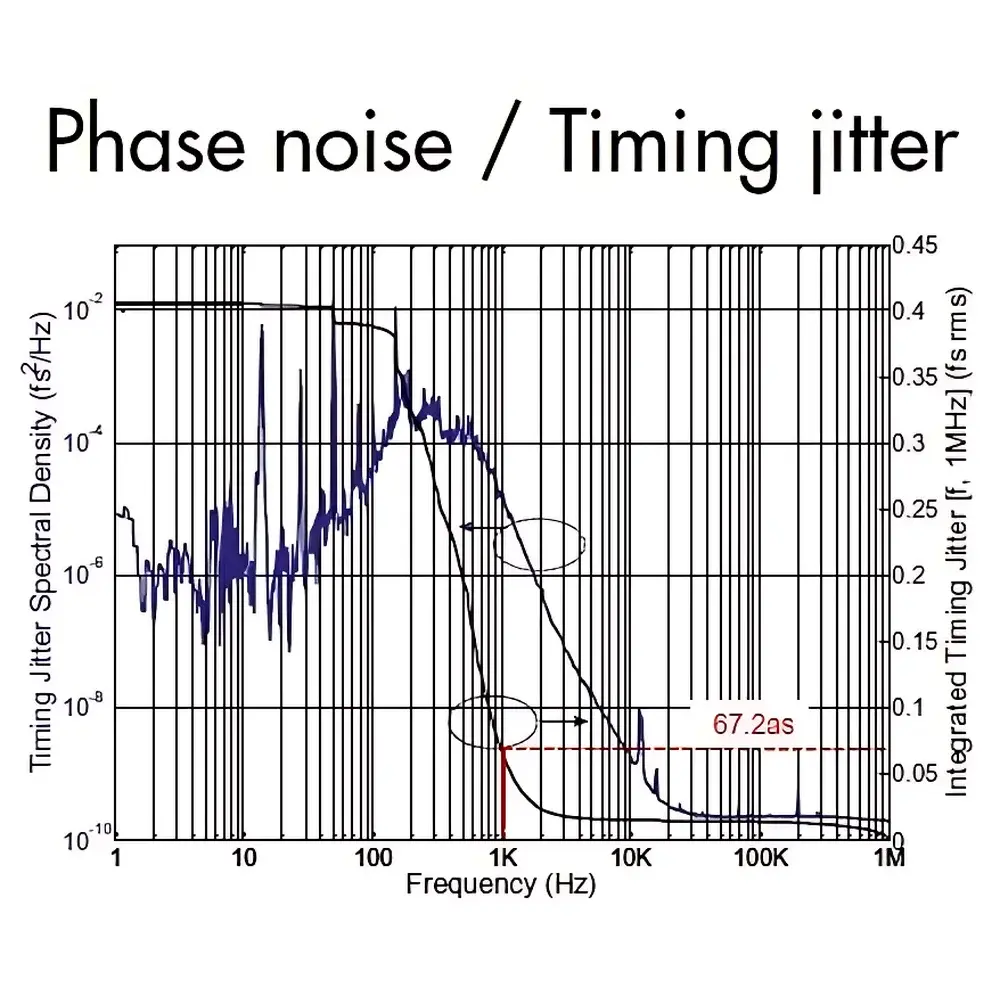
| Timing Jitter | Ultra-low (sub-10 fs RMS, integrated from 10 kHz–10 MHz) |
| Cooling | Passive air-cooling |
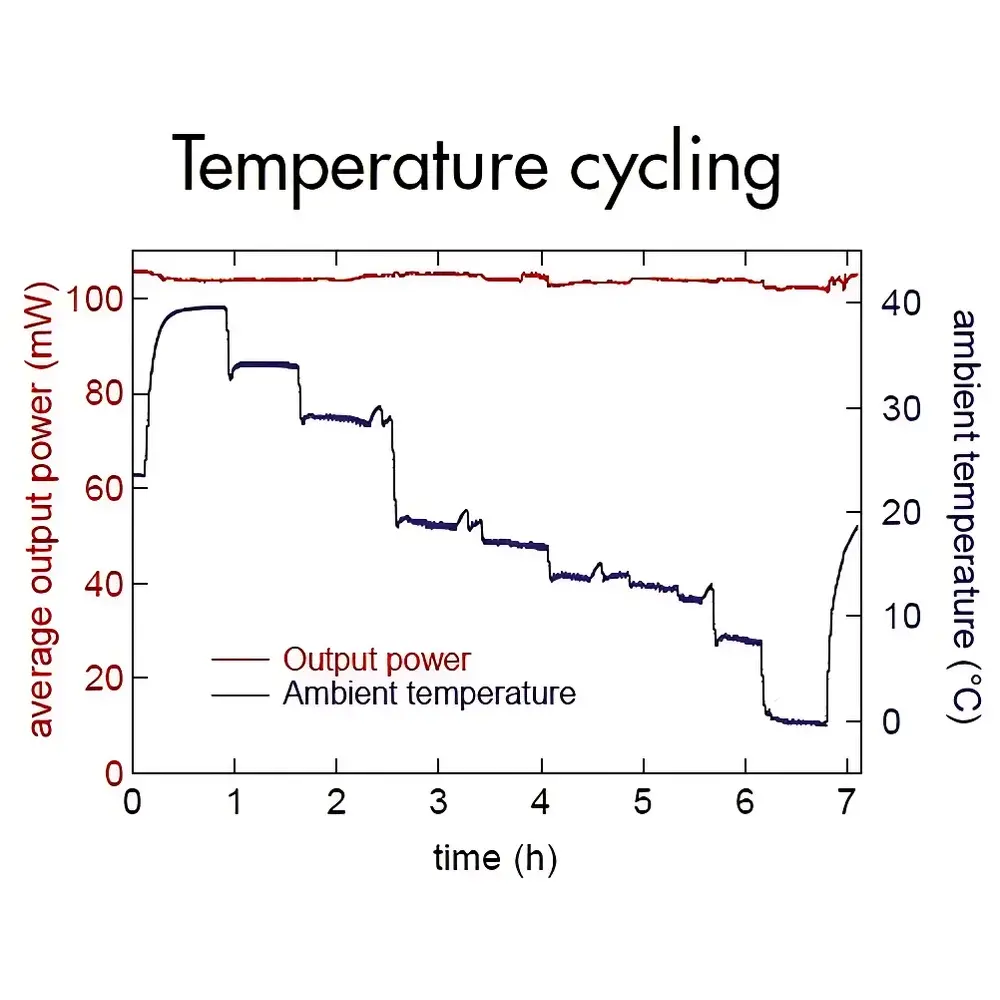
| Operating Temperature | 10–40 °C |
| Compliance | IEC 60068-2-6, -2-27, -2-29 |
| Enclosure | Sealed OEM module, dust-proof, vibration-resistant |
Overview
The Onefive Origami Low-Noise Soliton Femtosecond Fiber Laser is an industrial-grade, turnkey ultrafast laser source engineered for demanding applications requiring exceptional timing stability, spectral purity, and long-term operational reliability. Based on passively mode-locked fiber oscillator architecture operating in the soliton regime, the Origami series generates transform-limited, sech²-shaped pulses without Kelly sidebands or spectral ripples—ensuring minimal chirp and optimal temporal fidelity. Unlike hybrid amplifier-based systems, the Origami employs a compact, all-fiber oscillator design with no internal amplification stages, eliminating amplified spontaneous emission (ASE) noise and enabling intrinsic amplitude and phase noise performance among the lowest commercially available for femtosecond oscillators. Its monolithic, hermetically sealed OEM packaging—developed and manufactured in Zurich, Switzerland—integrates robust thermal management and mechanical isolation to sustain stable operation across ambient temperatures from 10 °C to 40 °C, with full 24/7 duty cycle capability and >10,000 power-on cycles verified per IEC standards.
Key Features
- Ultra-low timing jitter: Sub-10 fs RMS (10 kHz–10 MHz integration bandwidth), enabling precision synchronization in frequency comb metrology and photonic ADCs
- Transform-limited soliton pulses: Near-Fourier-limited time-bandwidth product (τ·Δν ≈ 0.32), confirmed via autocorrelation and FROG measurements
- Exceptional amplitude stability: <0.2% rms intensity noise over 24 hours, validated under continuous operation without active feedback
- Diffractive-limited beam quality: M² < 1.1, TEM₀₀ spatial profile with pointing stability <5 µrad over 8 hours
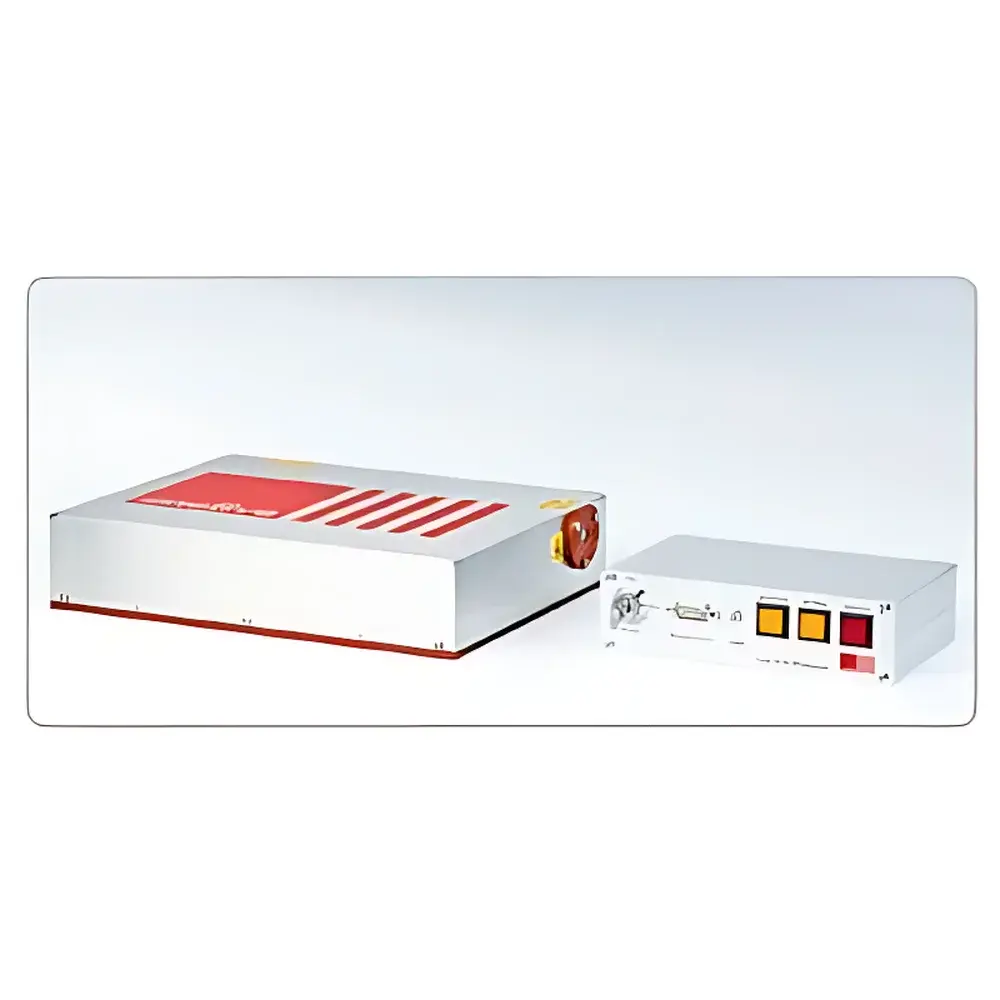
- OEM-optimized form factor: Compact laser head (296 × 112 × 54 mm³, 2.5 kg) and controller (165 × 104 × 44 mm³, 0.65 kg) with passive air cooling—no water chiller required
- Full environmental resilience: Certified to IEC 60068-2-6 (vibration), -2-27 (shock), and -2-29 (bump); rated for deployment in non-climate-controlled labs and embedded instrumentation
- No internal gain medium or pump diodes requiring replacement: Solid-state reliability with >50,000 hours MTBF prediction
Sample Compatibility & Compliance
The Origami laser is designed for integration into regulated and research-grade optical systems where traceability, reproducibility, and electromagnetic compatibility are critical. It complies with CE marking requirements under the EU Electromagnetic Compatibility Directive 2014/30/EU and Low Voltage Directive 2014/35/EU. While not classified as a medical device, its stability metrics meet the baseline requirements for use in GLP-compliant ultrafast spectroscopy setups and ISO/IEC 17025-accredited calibration laboratories. The absence of ASE and low RIN (<−165 dBc/Hz at 1 MHz offset) ensures compatibility with high-dynamic-range detection schemes—including balanced optical cross-correlators and heterodyne beat-note analysis—without signal contamination. All models support optional carrier-envelope phase (CEP) stabilization kits for octave-spanning frequency comb generation compliant with CIPM MRA guidelines for optical frequency standards.
Software & Data Management
Origami lasers ship with the Onefive Laser Control Suite—a platform-independent, USB- or Ethernet-connected application supporting real-time monitoring of output power, repetition rate, and internal temperature diagnostics. The suite provides SCPI-compatible command sets for integration into LabVIEW, Python (PyVISA), MATLAB, or custom C++ control frameworks. All operational parameters—including pulse energy, average power, and lock status—are logged with timestamped metadata in CSV format, enabling audit-ready data provenance for QA/QC workflows. Optional firmware upgrades preserve backward compatibility and include enhanced logging features aligned with FDA 21 CFR Part 11 principles (electronic signatures, audit trails, and user-access controls) when deployed in GMP-aligned photonics manufacturing environments.
Applications
- Seed sources for chirped-pulse amplification (CPA) and optical parametric amplification (OPA) systems
- Primary oscillators in self-referenced f–2f interferometers for optical frequency combs (e.g., in optical clocks or spectroscopic calibration)
- Pump-probe platforms requiring sub-100 fs temporal resolution and shot-to-shot phase coherence
- THz generation via optical rectification in DAST, GaSe, or organic crystals
- Photonic-assisted analog-to-digital conversion (PADC) and microwave photonics signal distribution
- Nonlinear microscopy (e.g., multiphoton excitation, CARS) where low pulse-to-pulse energy fluctuation minimizes photodamage
- Time-of-flight LiDAR and optical sampling oscilloscopes requiring ultra-low jitter clock distribution
FAQ
Is the Origami laser suitable for vacuum or cleanroom integration?
Yes—the sealed, dust-proof OEM enclosure meets ISO Class 5 particulate limits when installed with standard optical feedthroughs; optional stainless-steel mounting brackets and low-outgassing cable harnesses are available upon request.
Can repetition rate be tuned in real time during operation?
Yes—models equipped with the optional RF tuning input support continuous repetition rate adjustment from 20 MHz up to the specified maximum (e.g., 1.3 GHz) with <1 ps step resolution and no mode-hopping.
What is the typical warm-up time to achieve full spectral and amplitude stability?
<10 minutes from cold start, with drift in central wavelength <±0.05 nm and power variation <±0.1% after stabilization.
Does the laser support external cavity dispersion compensation?
No—the oscillator is intrinsically dispersion-managed for soliton formation; however, free-space or fiber-based post-compression modules (e.g., grating or chirped-mirror compressors) can be interfaced externally for sub-30 fs pulse delivery.
Are service contracts and extended warranty options available?
Yes—Onefive offers 3-year and 5-year comprehensive support agreements including remote diagnostics, firmware updates, and priority access to factory recalibration services per ISO 10110-5 optical testing protocols.



