
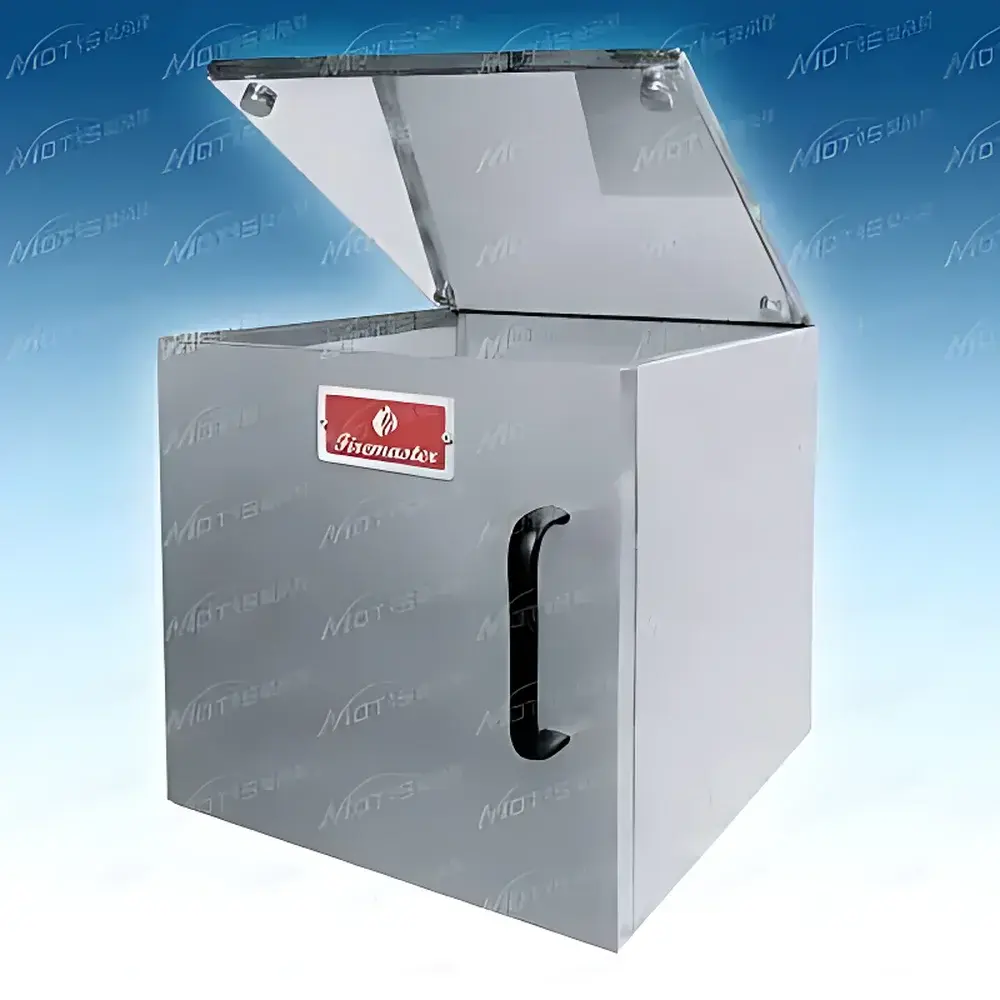
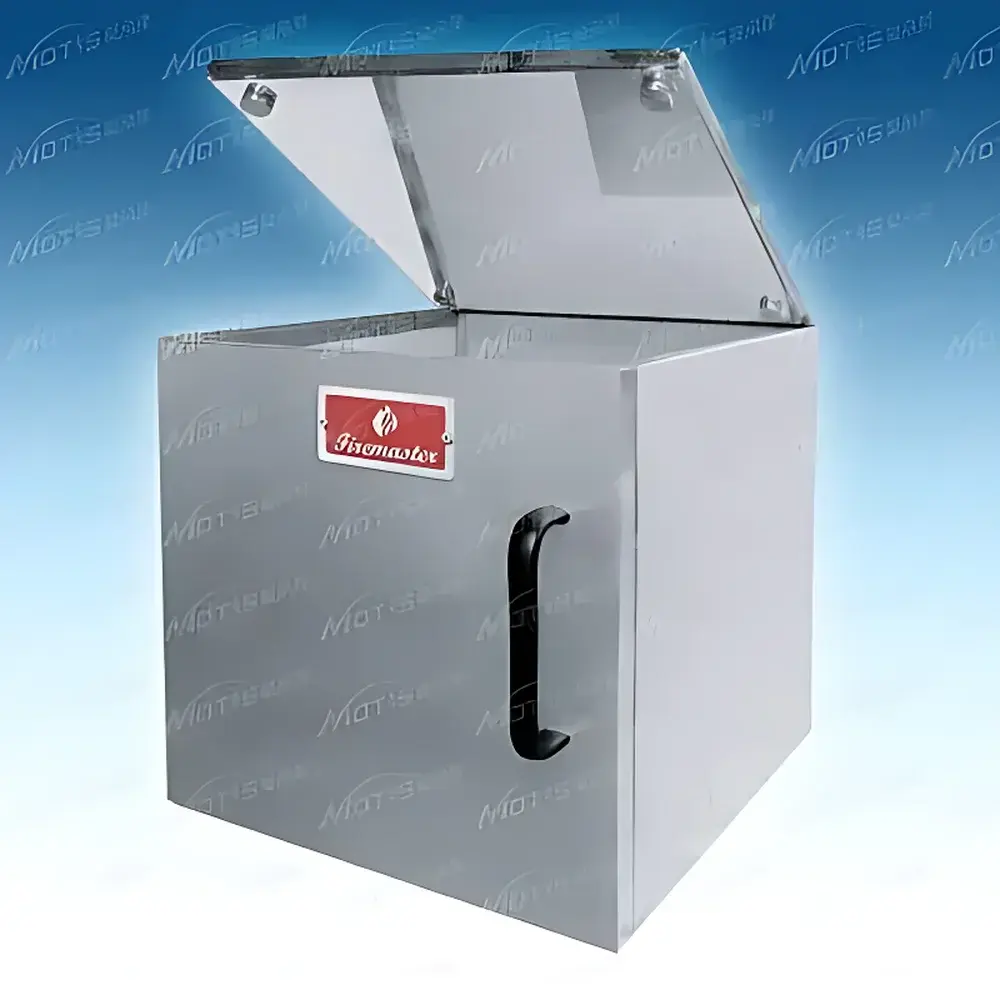
MOTIS CFT Carpet Flammability Test Chamber
| Brand | MOTIS |
|---|---|
| Model | CFT |
| Application | Carpet Ignition Resistance Testing |
| Standards Compliance | ISO 6925, ASTM D2859 (equivalent to CFR 1630/1631), BS 6307, BS 4790, GB/T 14644 |
| Construction | Stainless Steel Enclosure with Refractory Lining |
| Observation | Integrated Heat-Resistant Viewing Window |
| Accessories Included | Standardized Metal Test Plate, Certified Hexamethylenetetramine (Urotropine) Pills, High-Temperature Stainless Steel Nut (rated to 900 °C) |
| Test Methods | Hot Metal Nut Method & Urotropine Pill Ignition Method |
| Safety Features | Self-Contained Combustion Chamber with Ventilation Interface |
Overview
The MOTIS CFT Carpet Flammability Test Chamber is a purpose-engineered apparatus designed for standardized assessment of ignition resistance and flame propagation behavior in textile floor coverings under controlled small-flame exposure conditions. It operates on two internationally recognized test principles: the hot metal nut method (simulating thermal contact ignition from radiant or conductive heat sources) and the urotropine pill method (simulating localized flaming ignition from smoldering or low-energy ignition events). The instrument implements a defined energy input protocol—either via a pre-heated stainless steel nut held at 900 °C for precise thermal transfer, or through combustion of a certified hexamethylenetetramine (urotropine) tablet delivering reproducible flame duration and heat flux. Its design conforms strictly to the physical geometry, thermal boundary conditions, and procedural requirements specified in ISO 6925, CFR Title 16 Parts 1630 and 1631, BS 6307, BS 4790, and GB/T 14644—ensuring regulatory alignment across North American, European, UK, and Chinese market access pathways.
Key Features
- Robust 304 stainless steel chamber housing with integrated refractory ceramic board lining, engineered to withstand repeated thermal cycling up to 900 °C without structural degradation or outgassing.
- Optically clear, high-temperature borosilicate viewing window with sealed gasket assembly, enabling real-time visual monitoring of ignition onset, flame spread, and afterglow behavior without compromising chamber integrity.
- Standardized brass or stainless steel positioning ring (per ISO 6925 Annex A) for precise sample registration and consistent energy application location relative to the carpet surface.
- Included calibrated urotropine pills (certified mass and composition per ASTM D2859 Annex A), traceable to NIST-traceable reference materials, ensuring inter-laboratory repeatability.
- High-purity austenitic stainless steel test nut (ASTM F1527-compliant geometry), capable of stable 900 °C dwell time in muffle furnace prior to transfer, with minimal thermal mass variation between cycles.
- Modular base plate configuration supporting both flat-lay carpet specimens (with optional backing restraint) and edge-mounted vertical configurations as required by specific standard clauses.
Sample Compatibility & Compliance
The CFT chamber accommodates standard test specimens measuring 230 mm × 230 mm, cut from commercial carpet products including tufted, woven, needle-punched, and bonded constructions—with or without attached underlay. Specimens are conditioned per ISO 139 (23 °C ± 2 °C, 50% RH ± 5%) prior to testing. All operational procedures—including nut heating duration, placement timing, observation intervals, and pass/fail evaluation criteria (e.g., char length ≤ 100 mm after 30 s exposure)—are fully aligned with the normative text of ISO 6925 and its referenced test protocols. The system supports full audit readiness for GLP-compliant laboratories and meets documentation requirements for FDA-regulated facility fire safety validation under 21 CFR Part 11 when paired with validated electronic logbook integration.
Software & Data Management
While the CFT is a manually operated mechanical test platform, it integrates seamlessly into digital quality management ecosystems via optional I/O modules (RS-232/USB) for timestamped event logging. When used with MOTIS LabSuite v3.2 or third-party LIMS platforms, operators can record test ID, operator name, ambient conditions, specimen lot number, observed char dimensions, and pass/fail status with electronic signature capture. Audit trails comply with ISO/IEC 17025:2017 clause 7.9 and support retrospective verification during regulatory inspections. Raw measurement data (e.g., char length in mm, post-test residue mass) is exportable in CSV format for statistical process control (SPC) analysis per ISO 7870-2.
Applications
- Pre-market flammability screening of residential and commercial carpeting for compliance with CPSC 16 CFR 1630/1631 (USA).
- Verification testing of flame-retardant treatments applied to nylon, polypropylene, wool, and blended fiber systems.
- Root cause analysis of field-reported ignition incidents involving radiant heaters, dropped cigarettes, or electrical fault proximity.
- Supplier qualification testing per automotive OEM specifications (e.g., Ford WSS-M99P1111-A, GMW15634) where carpet flammability is a subsystem requirement.
- Research into thermal degradation kinetics of backing adhesives and secondary laminates under transient heat flux conditions.
- Training and demonstration in fire safety engineering curricula accredited by SFPE or NFPA.
FAQ
What calibration standards are required for routine operation?
The CFT requires annual verification of nut temperature uniformity using a calibrated thermocouple probe inserted into the nut’s central bore during furnace dwell; urotropine pill mass must be verified daily using Class I analytical balance (±0.1 mg tolerance).
Can the chamber be used for testing non-carpet textiles such as rugs or mats?
Yes—provided specimens meet dimensional and mounting requirements of ISO 6925 Annex B; however, results are only directly comparable to carpet-specific pass/fail thresholds when tested per Clause 6.1.
Is exhaust ventilation mandatory during testing?
Yes. The chamber must be connected to a dedicated fume hood or local exhaust system meeting EN 14175-3 airflow velocity specifications (≥0.5 m/s at sash opening) to remove combustion byproducts and maintain operator safety.
How is repeatability ensured across different laboratories?
Through strict adherence to specimen conditioning, nut thermal soak time (10 min minimum), and use of certified reference urotropine pills—procedures validated in interlaboratory studies reported in Fire Safety Journal Vol. 89 (2017), pp. 112–121.
Does MOTIS provide installation qualification (IQ) documentation?
Yes. Factory-issued IQ/OQ protocols—including dimensional verification, viewing window optical transmission test, and nut temperature mapping report—are supplied with each unit and customizable for site-specific validation.



