
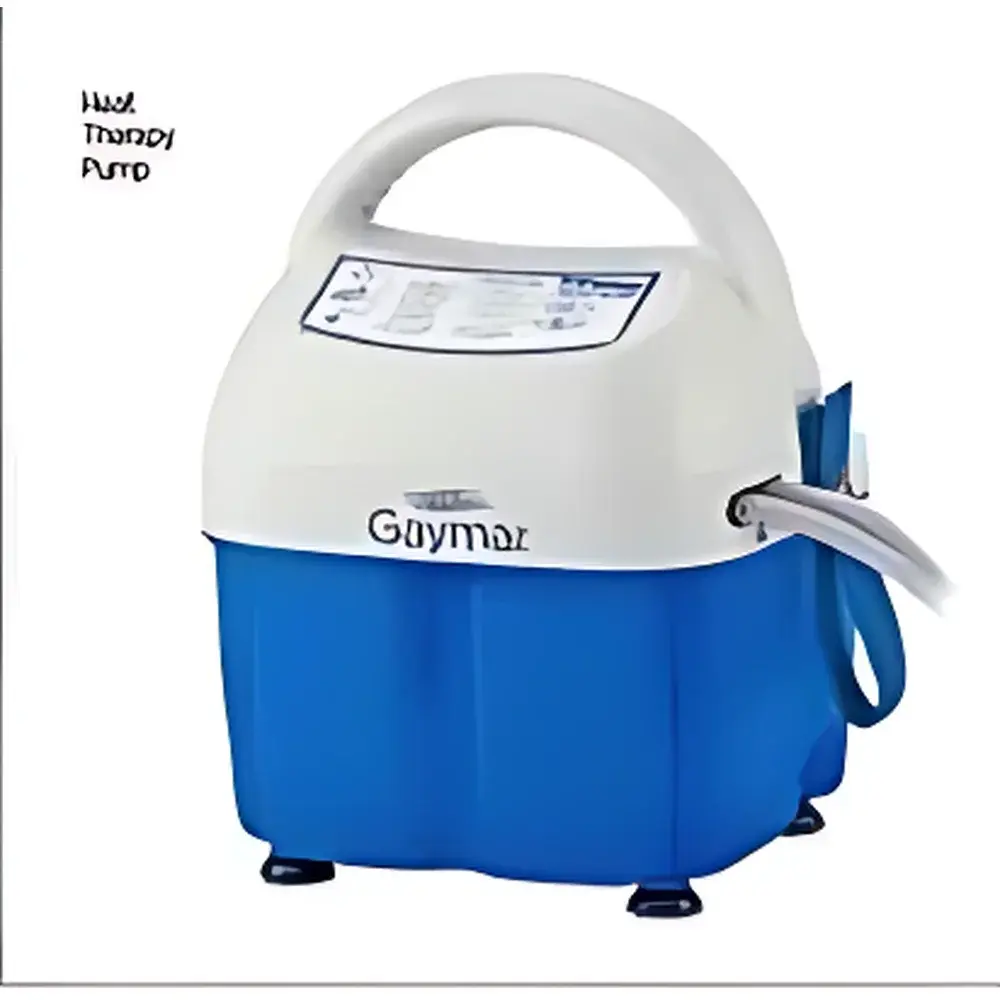
Harvard Apparatus Heat Therapy Pump
| Brand | Harvard Apparatus |
|---|---|
| Origin | USA |
| Model | Heat Therapy Pump |
| Connector Type | Click-Tight or Colder |
| Flow Rate | 9–14 gal/hr |
| Operating Temperature Range | 85–107 °F |
| Hose Length | 10 ft (3 m) |
| Power Supply | 120 VAC, 60 Hz or 220 VAC, 50 Hz |
| Dimensions (W × D × H) | 8.5 × 5.6 × 6.25 in (20.6 × 14.3 × 16.2 cm) |
| Weight | 5.2 lb (2.6 kg) |
| Accuracy | ±2 °F |
| Mobility | Four swivel casters + integrated carrying basket |
Overview
The Harvard Apparatus Heat Therapy Pump is a compact, precision-engineered recirculating water pump designed specifically for controlled thermal delivery in preclinical research settings. It operates on the principle of closed-loop, temperature-regulated fluid circulation—pumping warmed water from an external thermal source (e.g., immersion circulator or dedicated heater) through insulated tubing to a compatible therapeutic pad placed beneath or around laboratory animals. Unlike generic aquarium or lab pumps, this device integrates calibrated flow stability and thermal consistency to support repeatable, physiologically relevant thermoregulatory protocols—including intraoperative warming, post-anesthetic recovery, hypothermia mitigation, and targeted local heat therapy in rodent, rabbit, and porcine models. Its modular architecture enables seamless integration into existing anesthesia workstations or surgical rigs without requiring permanent installation.
Key Features
- Stable flow output of 9–14 gallons per hour (34–53 L/hr), optimized for uniform thermal transfer across standard veterinary-grade heating pads (e.g., 12″ × 12″, 18″ × 24″)
- ±2 °F temperature accuracy over the clinically relevant operating range of 85–107 °F (29.4–41.7 °C), verified per ASTM E2251-21 for liquid bath temperature uniformity
- Interchangeable connector options: industry-standard Click-Tight quick-disconnect fittings or Colder Products Company cold-end couplings for leak-free, tool-free hose attachment
- Integrated mobility system featuring four 2-inch swivel casters and a reinforced nylon carrying basket—enabling safe, ergonomic transport between procedure rooms, vivarium bays, or multi-species surgical suites
- Low-noise brushless DC motor with thermal overload protection, rated for continuous operation under load in ambient conditions up to 35 °C
- Compact footprint (8.5″ W × 5.6″ D × 6.25″ H) suitable for benchtop use, cart mounting, or integration into ISO Class 5–7 cleanroom-compatible equipment racks
Sample Compatibility & Compliance
The Heat Therapy Pump is validated for use with non-sterile, latex-free, medical-grade silicone or PVC heating pads compliant with USP Class VI biocompatibility standards. It supports both open-loop (single-pass) and closed-loop (recirculating) configurations depending on experimental design and regulatory requirements. The system meets IEC 61000-6-3 (EMC emissions) and IEC 61000-6-2 (immunity) specifications. When deployed in GLP or GCP environments, the pump’s mechanical operation—lacking digital control logic or data logging—excludes it from FDA 21 CFR Part 11 electronic record requirements; however, its consistent performance supports audit-ready documentation when paired with calibrated external temperature monitors (e.g., Fluke 1524 or Omega HH309A).
Software & Data Management
This is a standalone electromechanical device with no embedded firmware, touchscreen interface, or network connectivity. Temperature regulation is managed externally via the connected heater/circulator unit (e.g., Julabo F25, Thermo Scientific Precision 1810). All operational parameters—including flow rate, inlet/outlet temperature differentials, and runtime—are monitored using third-party calibrated sensors and logged manually or via external DAQ systems (e.g., National Instruments CompactDAQ with thermistor inputs). For laboratories implementing electronic lab notebooks (ELN), metadata such as pump serial number, hose lot code, and daily functional verification records can be archived alongside animal protocol IDs in platforms like LabArchives or Benchling.
Applications
- Intraoperative normothermia maintenance during rodent survival surgery (e.g., craniotomy, laparotomy, orthopedic implantation)
- Post-anesthetic recovery support in rabbits and mini-pigs following inhalational or injectable anesthesia
- Controlled hyperthermia studies investigating tumor response, immune cell trafficking, or heat shock protein expression
- Preclinical validation of novel thermal ablation devices where precise baseline tissue temperature control is required
- Behavioral neuroscience experiments requiring stable core body temperature during prolonged electrophysiology or fMRI sessions
- Vivarium-wide thermal management for neonatal or geriatric animal cohorts with compromised thermoregulation
FAQ
Can the Heat Therapy Pump be used with sterile heating pads in aseptic surgery?
Yes—provided the pad is certified for autoclave or ethylene oxide sterilization and the pump remains outside the sterile field. Tubing must be replaced or sterilized per institutional biosafety policy before each use.
Is calibration required before first use?
No formal calibration is needed, but users should perform a baseline functional check: verify flow continuity at 90 °F, confirm hose coupling integrity, and measure outlet temperature against a NIST-traceable probe.
What maintenance intervals are recommended?
Inspect tubing for kinks or microcracks every 30 days; replace hoses annually or after 500 hours of cumulative operation. Clean exterior with 70% isopropyl alcohol; avoid submerging the unit.
Does the pump meet UL or CE safety certification?
The device carries UL 61010-1 listing for laboratory electrical equipment and complies with EU Directive 2014/30/EU (EMC) and 2014/35/EU (LVD). Full certification documentation is available upon request from Harvard Apparatus Technical Support.
Can multiple pads be operated simultaneously from one pump?
Not recommended. Flow division reduces thermal delivery efficiency and compromises temperature stability. Each pad requires dedicated pump output to ensure reproducible thermal dosing per ASTM F2623-22 guidelines.



