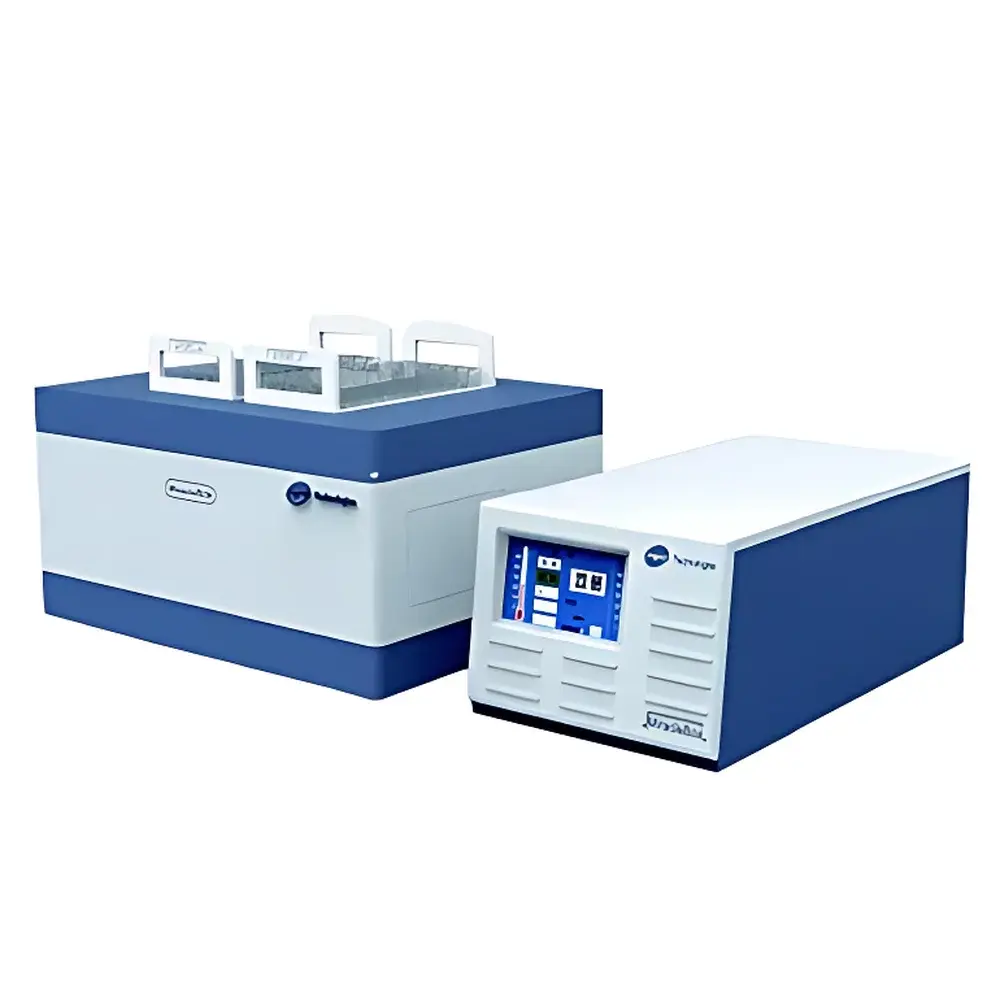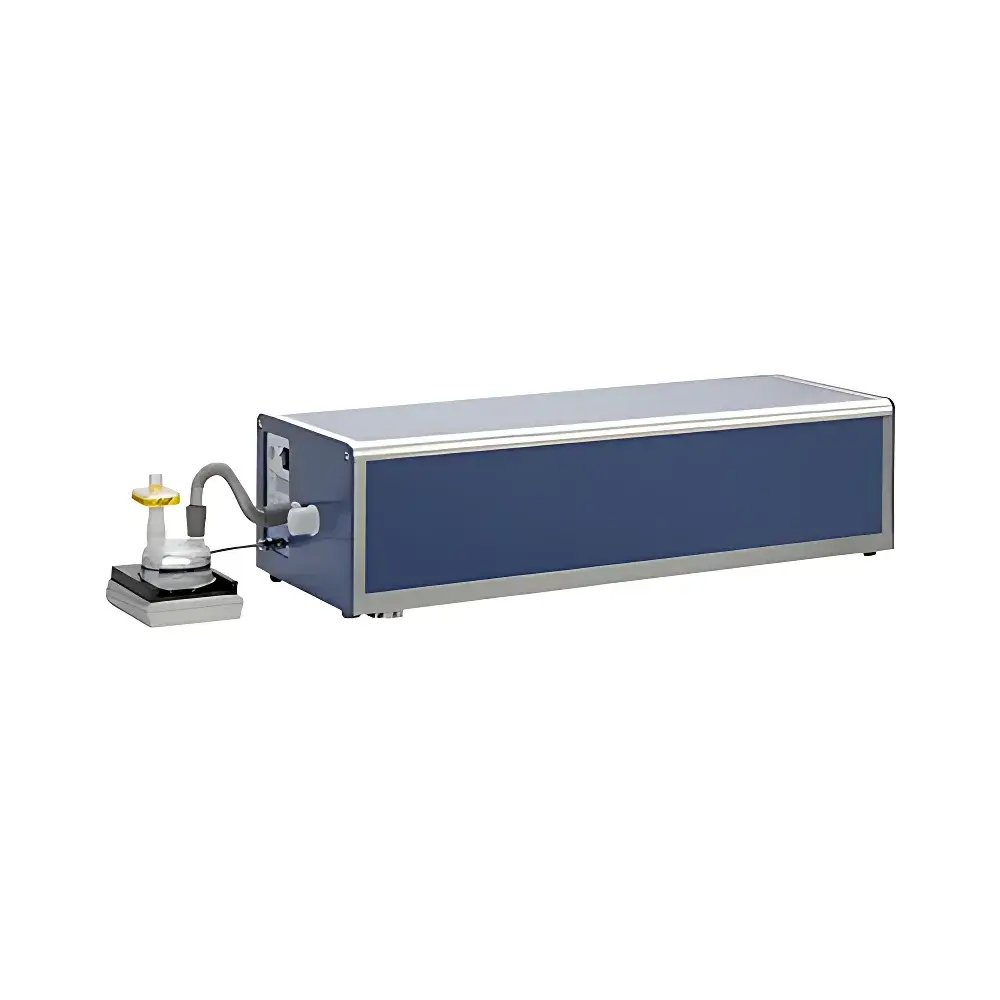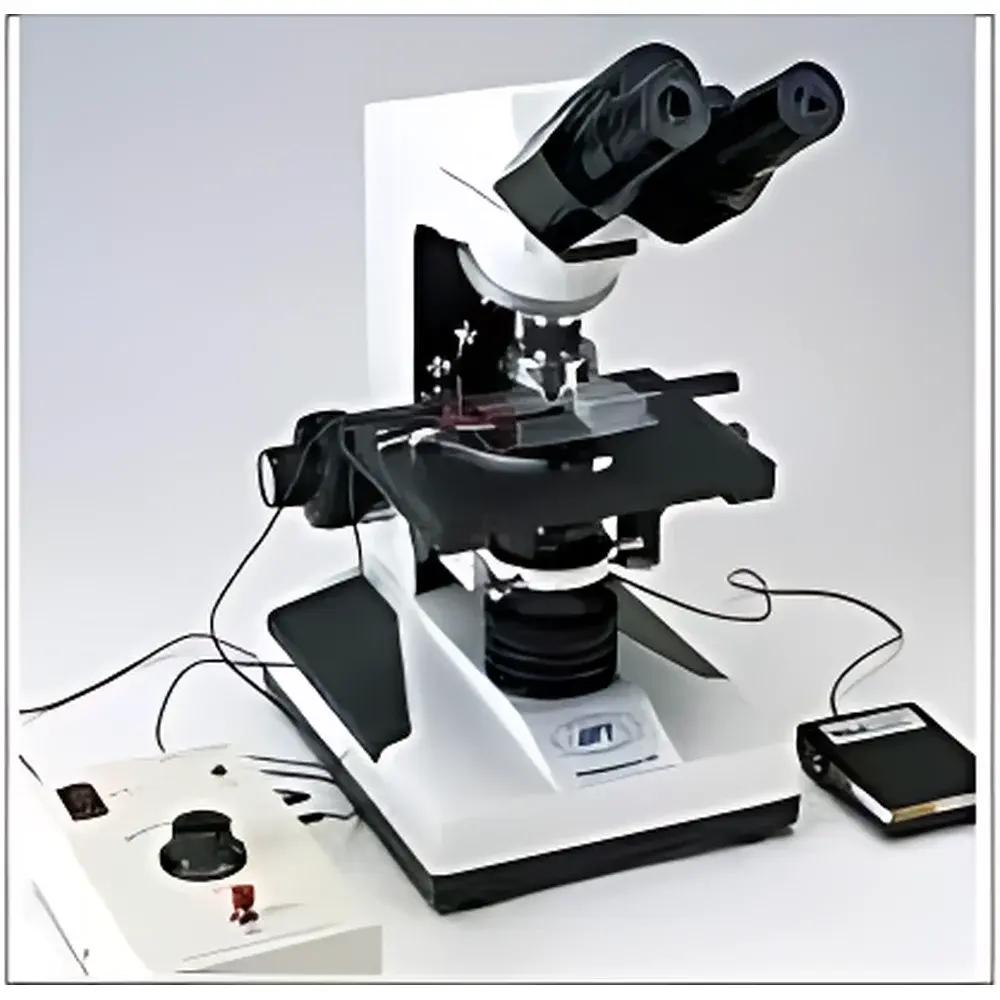
MF200 Microelectrode Polishing System by WPI
| Origin | USA |
|---|---|
| Manufacturer Type | Authorized Distributor |
| Origin Category | Imported |
| Model | MF200 |
| Pricing | Available Upon Request |
Overview
The MF200 Microelectrode Polishing System is a precision-engineered instrument designed for post-pull optimization of glass micropipettes used in patch-clamp electrophysiology, intracellular recording, and single-cell stimulation applications. Following fabrication using a micropipette puller (e.g., Sutter P-97 or Narishige PC-10), pipette tips often exhibit microscopic irregularities—such as jagged edges, residual glass shards, or asymmetric taper—that compromise seal formation (gigaohm seals) with cellular membranes. The MF200 addresses this critical step by enabling controlled thermal polishing via resistive heating of platinum-iridium filaments, inducing localized surface melting and reflow under optical guidance. Its integrated inverted microscope (H602 series) provides real-time visualization at two operational magnifications—40× long-working-distance objective (3 mm working distance) for precise tip alignment and thermal monitoring, and 10× eyepieces (pair included) for coarse positioning—ensuring reproducible, operator-independent tip geometry refinement.
Key Features
- Digital Signal Processing (DSP)-based filament power control ensures stable, repeatable heating profiles with sub-second temporal resolution for consistent tip smoothing.
- Programmable memory stores up to 10 distinct polishing protocols—including filament type (H2, H3, H4), dwell time, ramp rate, and blow pressure settings—enabling method standardization across users and experiments.
- Foot-switch–activated operation allows hands-free initiation and termination of polishing cycles, minimizing mechanical perturbation during fine manipulation.
- Dual-mode operation: fully manual mode for exploratory optimization; fully automated mode for routine, high-throughput tip conditioning aligned with SOPs.
- Digital pneumatic pressure control delivers calibrated, low-flow nitrogen or dry air pulses (<5 psi) immediately after heating to cool the tip while suppressing tip collapse and reducing electrical resistance drift.
- Modular optical configuration includes a 40× long-working-distance objective (3 mm WD) and 10× eyepieces; optional 15× eyepieces available for enhanced resolution during ultra-fine tip assessment.
Sample Compatibility & Compliance
The MF200 accommodates standard borosilicate (e.g., KG-33, BF150-86-10) and quartz capillaries (1.0–1.5 mm OD) pulled to tip diameters ranging from 0.1 µm to 2.0 µm. It supports both single-barrel and double-barrel (theta) pipettes. All electronic subsystems comply with IEC 61010-1:2012 safety standards for laboratory equipment. Firmware architecture supports audit-trail–enabled operation when integrated into GLP/GMP-regulated environments; configuration changes, protocol executions, and user logins are timestamped and exportable via USB interface. While not FDA-cleared as a medical device, the system meets ASTM E2500-13 guidelines for verification of laboratory instrumentation used in preclinical neurophysiology research.
Software & Data Management
The MF200 operates without host PC dependency—control logic resides entirely within its embedded microcontroller. All parameters (filament selection, heating duration, blow timing, pressure level) are adjusted via front-panel rotary encoder and LCD interface. Protocol recall, execution history, and system diagnostics are viewable on the 3.5-inch monochrome display. Settings export is supported via USB mass-storage mode (FAT32), generating CSV-formatted logs compliant with 21 CFR Part 11 Annex 11 requirements when paired with validated lab information management systems (LIMS). No proprietary software installation is required; firmware updates are performed via drag-and-drop file transfer.
Applications
- Gigaohm seal formation in whole-cell, cell-attached, and outside-out patch configurations.
- Reduction of pipette access resistance in high-resolution intracellular recordings from neurons, cardiomyocytes, and oocytes.
- Preparation of low-noise electrodes for voltage-clamp and current-clamp studies requiring signal fidelity below 0.1 pA RMS.
- Tip conditioning prior to filling with K-gluconate or Cs-methanesulfonate-based internal solutions to minimize cationic leakage artifacts.
- Standardized electrode preparation in core electrophysiology facilities supporting multi-investigator projects and training programs.
FAQ
What filament types are compatible with the MF200?
The system supports H2, H3, and H4 platinum-iridium filaments—each optimized for distinct capillary compositions and target tip geometries.
Is the MF200 suitable for quartz pipettes?
Yes; quartz capillaries require higher filament temperatures and shorter dwell times—protocols for quartz are preconfigured in firmware v2.4+.
Can polishing parameters be locked to prevent accidental modification?
Yes; administrator-level password protection enables read-only access to stored protocols in shared-lab environments.
Does the system support integration with third-party microscope stages?
The MF200’s optical stage is fixed but features standardized M6 threading; custom adapters for motorized XYZ stages are available upon request.
What maintenance is required for long-term filament stability?
Filaments should be inspected visually before each session; typical service life exceeds 500 cycles when operated within specified voltage ranges and ambient humidity <60% RH.