
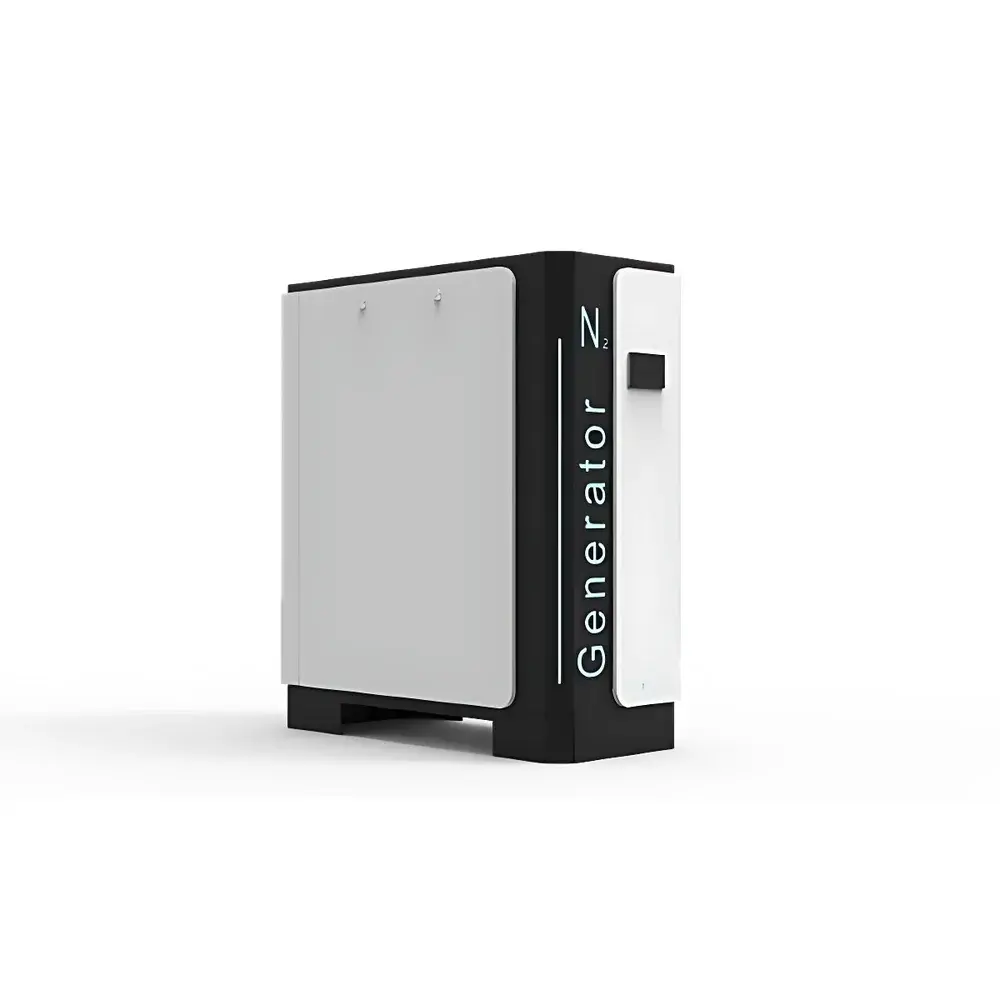
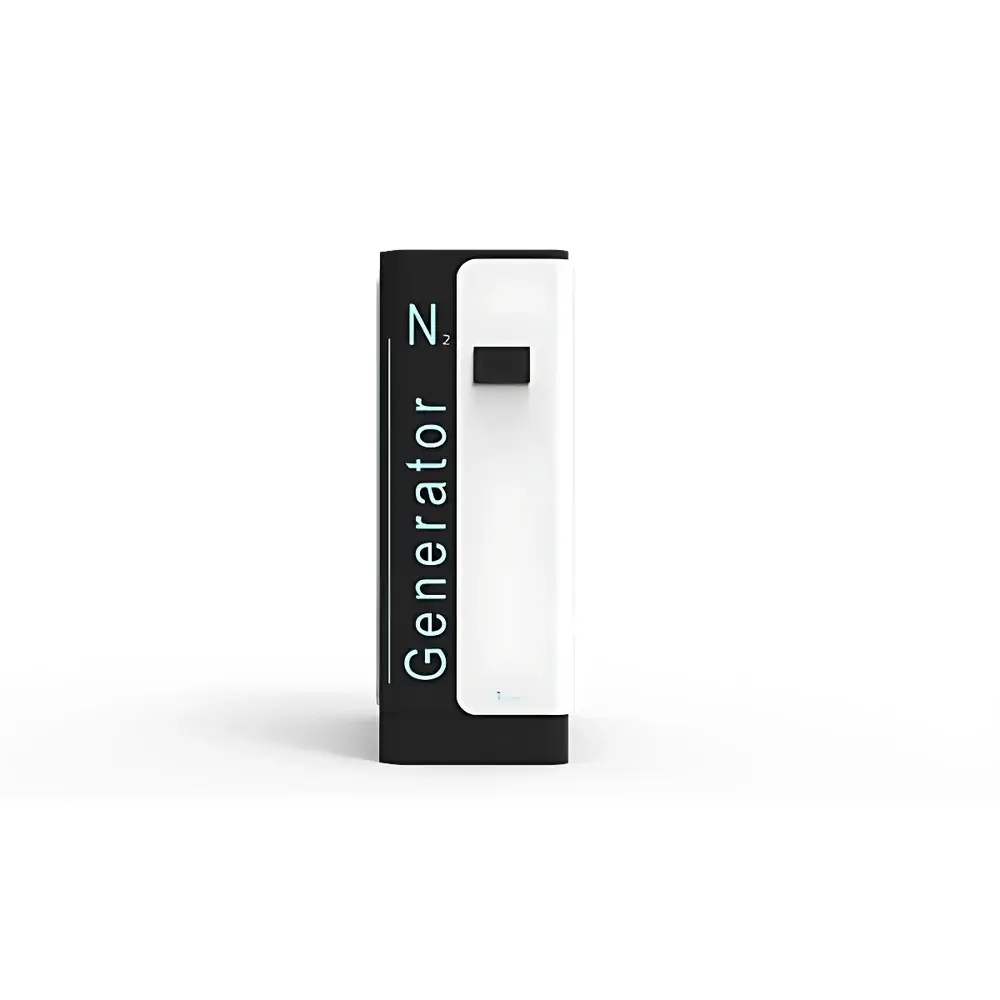
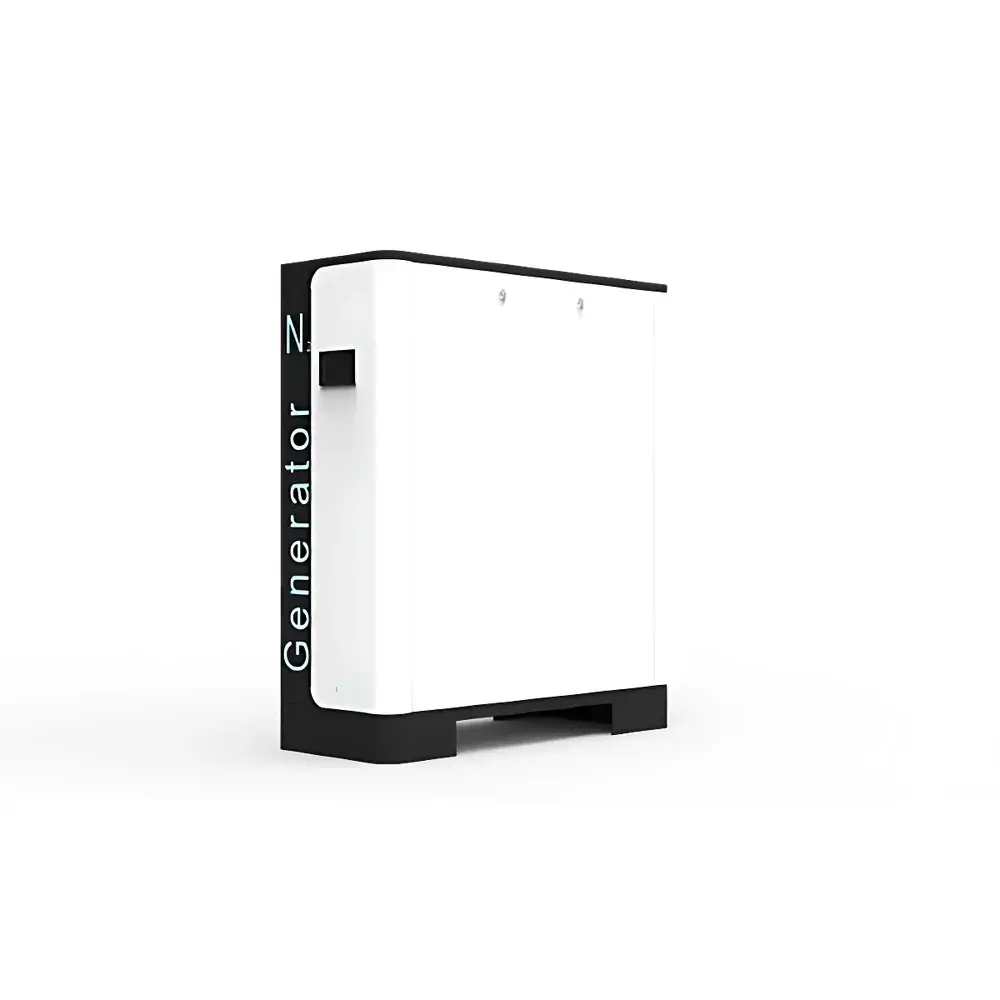
i-Lab N160-0Pro PSA Nitrogen Generator
| Brand | i-Lab |
|---|---|
| Origin | Shanghai, China |
| Manufacturer Type | Direct Manufacturer |
| Instrument Type | Nitrogen Generator |
| Nitrogen Generation Principle | Pressure Swing Adsorption (PSA) with Carbon Molecular Sieve (CMS) |
| Output Flow Rate | 0–160 L/min |
| Output Pressure | 0–7 bar |
| Nitrogen Purity | 99.9% |
| Design Architecture | Split-System (Requires External Air Compressor) |
| Control Interface | Touchscreen LCD with Real-Time Monitoring |
| Connectivity | IoT-Enabled Remote Monitoring & Management |
| Operational Duty Cycle | Continuous 24/7 Operation |
| Compliance Context | Designed for GLP/GMP-aligned laboratories |
| compatible with ASTM D857 and ISO 8573-1 | 2010 Class 2 compressed air input requirements |
Overview
The i-Lab N160-0Pro PSA Nitrogen Generator is an engineered solution for high-demand laboratory environments requiring continuous, on-site generation of high-purity nitrogen gas. Built upon a dual-stage Pressure Swing Adsorption (PSA) architecture enhanced by proprietary SFP (Split-Flow Purification) technology, the system leverages imported carbon molecular sieve (CMS) media to selectively adsorb oxygen, moisture, and trace contaminants from compressed air—delivering nitrogen at ≥99.9% purity across its full operational flow range. Unlike membrane-based or cryogenic alternatives, the N160-0Pro offers superior long-term stability in purity output, minimal sensitivity to inlet air fluctuations, and no consumable replacement cycles beyond scheduled CMS maintenance. Its split-system configuration decouples the generator module from the air compression stage, enabling flexible integration into existing lab infrastructure while preserving floor space and simplifying heat dissipation management. The unit is expressly designed to support critical applications including LC-MS mobile phase blanking, ESI source gas supply, sample evaporation systems, and inert atmosphere glove boxes—all under stringent regulatory expectations for gas consistency and traceability.
Key Features
- Proprietary SFP (Split-Flow Purification) technology—refined from conventional PSA—to optimize CMS utilization efficiency and extend service life while maintaining <0.1% O₂ residual across 0–160 L/min flow range.
- Industrial-grade touchscreen HMI with real-time visualization of outlet pressure, mass flow rate, dew point estimate, CMS bed status, and system fault diagnostics.
- Zero-touch startup sequence: fully automated purge, pressurization, and purity ramp-up completed within ≤8 minutes from cold start.
- Integrated programmable logic controller (PLC) supporting configurable setpoints, alarm thresholds, and scheduled maintenance reminders via embedded non-volatile memory.
- IoT-ready Ethernet/Wi-Fi interface compliant with MQTT v3.1.1 protocol; enables secure remote monitoring, firmware updates, and audit log export through i-Lab Cloud Platform (Firmware v2.4+).
- Robust mechanical architecture rated for IP20 indoor operation, corrosion-resistant aluminum alloy housing, and redundant pressure relief valves meeting PED 2014/68/EU Annex I essential safety requirements.
Sample Compatibility & Compliance
The N160-0Pro is compatible with any laboratory-grade oil-free air compressor delivering clean, dry feed air meeting ISO 8573-1:2010 Class 2 (≤0.1 µm particles, ≤0.1 ppm oil aerosol, ≤−40 °C pressure dew point). It supports direct connection to multiple downstream instruments—including Waters, Thermo Fisher, Agilent, and Shimadzu LC-MS platforms—via standardized 1/4″ BSP stainless steel tubing. All internal wetted materials conform to USP Class VI biocompatibility standards. The system’s event logging functionality records timestamped pressure, flow, and purity events with optional GLP-compliant electronic signatures when integrated with validated LIMS environments. While not certified as a medical device, its design adheres to ISO 13485-aligned quality control protocols during final assembly and functional testing.
Software & Data Management
The embedded firmware provides native support for CSV-based data export (hourly averaged flow, pressure, and estimated purity) via USB host port or network share. Audit trail functionality captures all operator actions—including mode changes, parameter edits, and emergency stops—with immutable timestamps and user ID tagging (role-based access control: Admin / Technician / Viewer). When deployed in FDA-regulated settings, the system may be configured to comply with 21 CFR Part 11 requirements through third-party validation packages that include electronic signature implementation, audit trail encryption, and system access lockout after five failed login attempts. Firmware updates are digitally signed and verified prior to installation to ensure integrity.
Applications
- LC-MS nitrogen supply for electrospray ionization (ESI), atmospheric pressure chemical ionization (APCI), and heated electrospray ionization (H-ESI) sources.
- High-throughput sample preparation workflows involving nitrogen blow-down evaporators (e.g., TurboVap®, Reacti-Therm™) requiring stable 160 L/min flow at 3–5 bar.
- Inert gas overlay in chromatography solvent storage cabinets and reagent dispensing stations.
- Blank gas supply for TOC analyzers and dissolved oxygen measurement calibration.
- Controlled-atmosphere cell culture incubators and anaerobic workstations where oxygen displacement must remain below 1,000 ppm.
FAQ
What compressed air specifications are required for optimal N160-0Pro performance?
The generator requires oil-free, desiccated feed air meeting ISO 8573-1:2010 Class 2 (maximum 0.1 µm particulates, ≤0.1 ppm total oil content, and pressure dew point ≤−40 °C). A refrigerated dryer + coalescing filter + desiccant dryer train is strongly recommended upstream.
Can the N160-0Pro operate unattended for extended periods?
Yes—designed for 24/7 continuous duty, it includes automatic shutdown on overpressure, high temperature, or CMS saturation detection, with local audible/visual alarms and remote SNMP trap notification.
Is the nitrogen purity verified in real time?
No built-in electrochemical O₂ sensor is included; purity is inferred from calibrated PSA cycle timing, pressure profiles, and CMS aging models. Optional external paramagnetic O₂ analyzers (e.g., Servomex 4100) can be integrated via 4–20 mA analog input for independent verification.
How often does the carbon molecular sieve require replacement?
Under typical lab conditions (8 hrs/day, ISO Class 2 air), CMS service life exceeds 30,000 operating hours. Replacement intervals are tracked automatically and reported via the HMI and cloud dashboard.
Does the system support integration with building management systems (BMS)?
Yes—Modbus TCP and BACnet/IP gateways are available as factory-installed options for seamless interoperability with Siemens Desigo, Honeywell EBTS, or Schneider EcoStruxure platforms.



