
SapIP Mesh Wireless Data Acquisition and Transmission System by Dynamax
| Brand | Dynamax |
|---|---|
| Origin | USA |
| Manufacturer Type | Authorized Distributor |
| Product Category | Imported |
| Model | SapIP |
| Pricing | Upon Request |
Overview
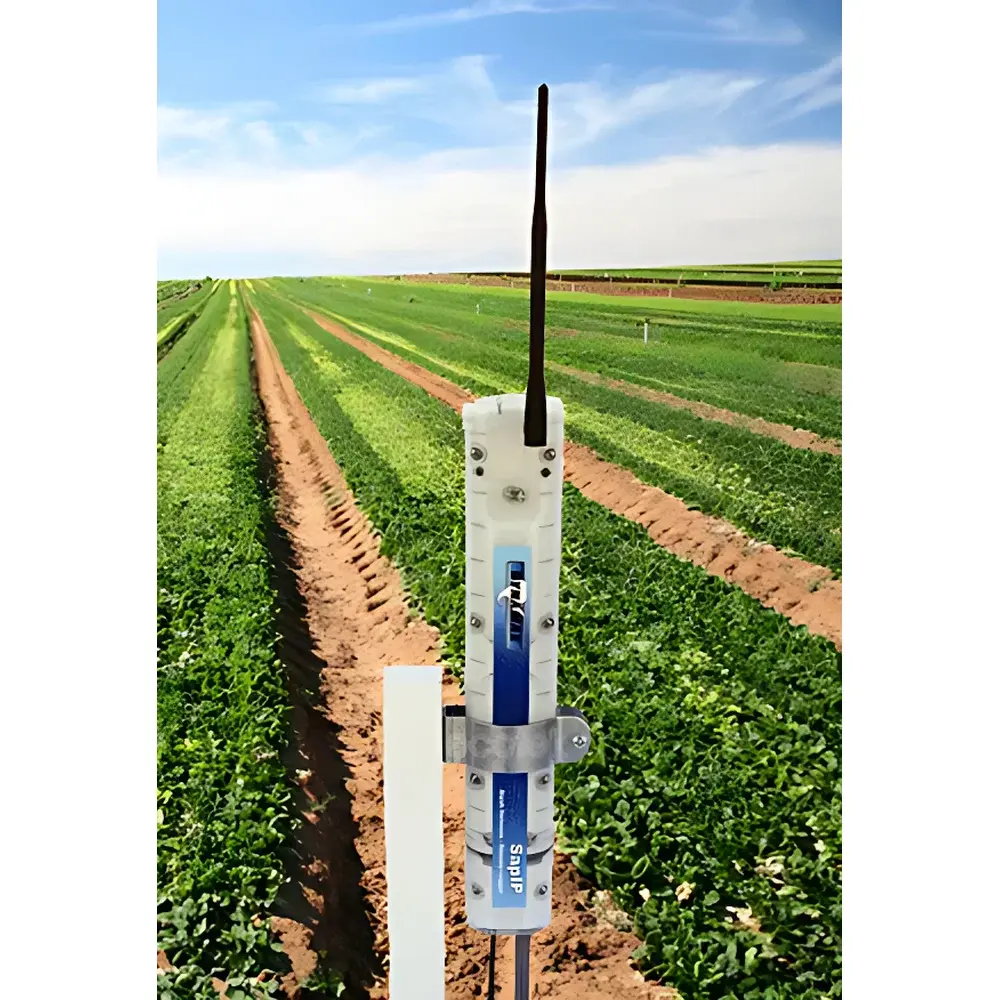
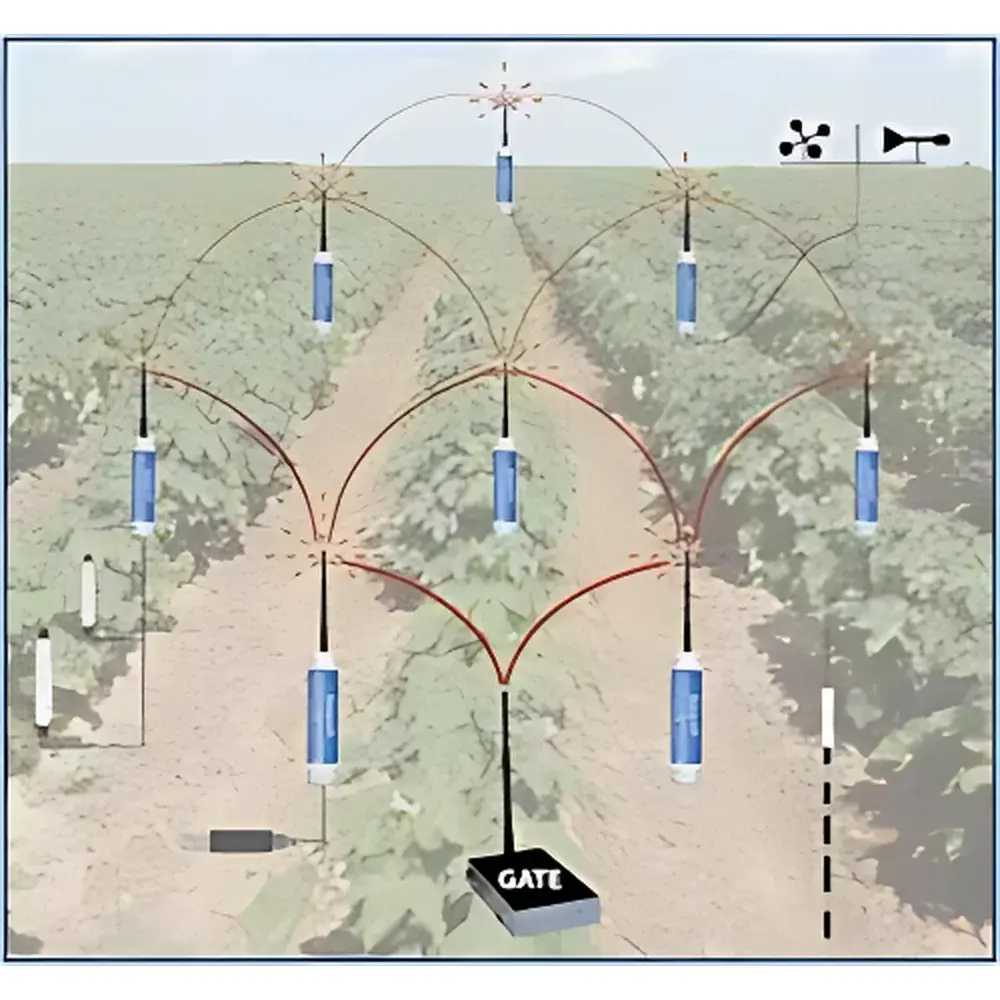
The SapIP Mesh Wireless Data Acquisition and Transmission System is a purpose-engineered, field-deployable environmental monitoring platform developed by Dynamax (Houston, TX, USA) for long-term, low-maintenance sap flow and ecosystem-level physiological measurements. Built upon IEEE 802.15.4-compliant mesh networking architecture, the system operates on self-healing radio-frequency (RF) communication—supporting both 2.4 GHz (urban: up to 350 m; rural: up to 500 m) and 900 MHz (USA-only, range up to 1,000 m) configurations—to enable robust, multi-hop data relaying among distributed sensor nodes without reliance on centralized infrastructure. Each SapIP node functions as both data collector and network repeater: it acquires high-fidelity analog signals from plant physiology and microclimate sensors, stores them locally in non-volatile flash memory (30,000 records capacity), and forwards validated packets across the mesh until reaching the gateway. The gateway then transmits time-stamped, metadata-annotated datasets to a remote server via either LAN (Ethernet) or GPRS cellular uplink—with optional annual data service plans for managed connectivity. Designed for GLP-aligned field deployments, the system supports autonomous operation across -20 °C to +50 °C ambient conditions and features IP67-rated sealed enclosures (7 cm × 30 cm footprint) with integrated mounting hardware.
Key Features
- True mesh topology: Each SapIP node autonomously relays data from upstream nodes—enabling seamless signal propagation across up to seven hops without single-point failure.
- 8-channel differential analog input: 24-bit A/D conversion with 22-bit effective resolution (±4 µV), 1 µV voltage resolution, and programmable gain ranges from ±0.1 mV to ±2.5 V—optimized for thermocouple-based stem flow probes (e.g., Granier-type, TDP, HFD) and resistive soil moisture sensors.
- Dual pulse inputs: Support for high-frequency mechanical or anemometric signals (up to 150 Hz), suitable for wind speed or drip-counting applications.
- Programmable excitation & power management: Precision 5.00 V ±0.1% excitation source (150 mA max); regulated 1.5–9 V DC output (1.5 A max) for sensor heating or active transducers.
- Adaptive duty cycling: Configurable sampling-to-transmission intervals from 1 minute to 60 minutes—balancing temporal resolution with battery longevity in solar-recharged installations.
- Integrated surge and overvoltage protection: All analog and digital I/O lines include transient voltage suppression (TVS) diodes and gas-discharge tube (GDT) lightning protection—critical for open-field deployment.
Sample Compatibility & Compliance
The SapIP system interfaces natively with a broad spectrum of plant and environmental sensors certified for ecological research use, including but not limited to: Dynamax SGA/SGA-X series stem flow gauges (cylindrical, needle, and thermal dissipation types), EC-5 and 5TM soil volumetric water content sensors, ATMOS 41 weather stations, and custom thermistor arrays. All firmware and data packet structures adhere to ISO/IEC 11801 cabling standards for signal integrity and comply with FCC Part 15 Subpart C (for 900 MHz) and ETSI EN 300 328 (for 2.4 GHz) RF emission requirements. Data logging protocols support timestamped CSV export with embedded sensor calibration coefficients—facilitating traceability per ISO/IEC 17025 and USDA ARS field data governance guidelines.
Software & Data Management
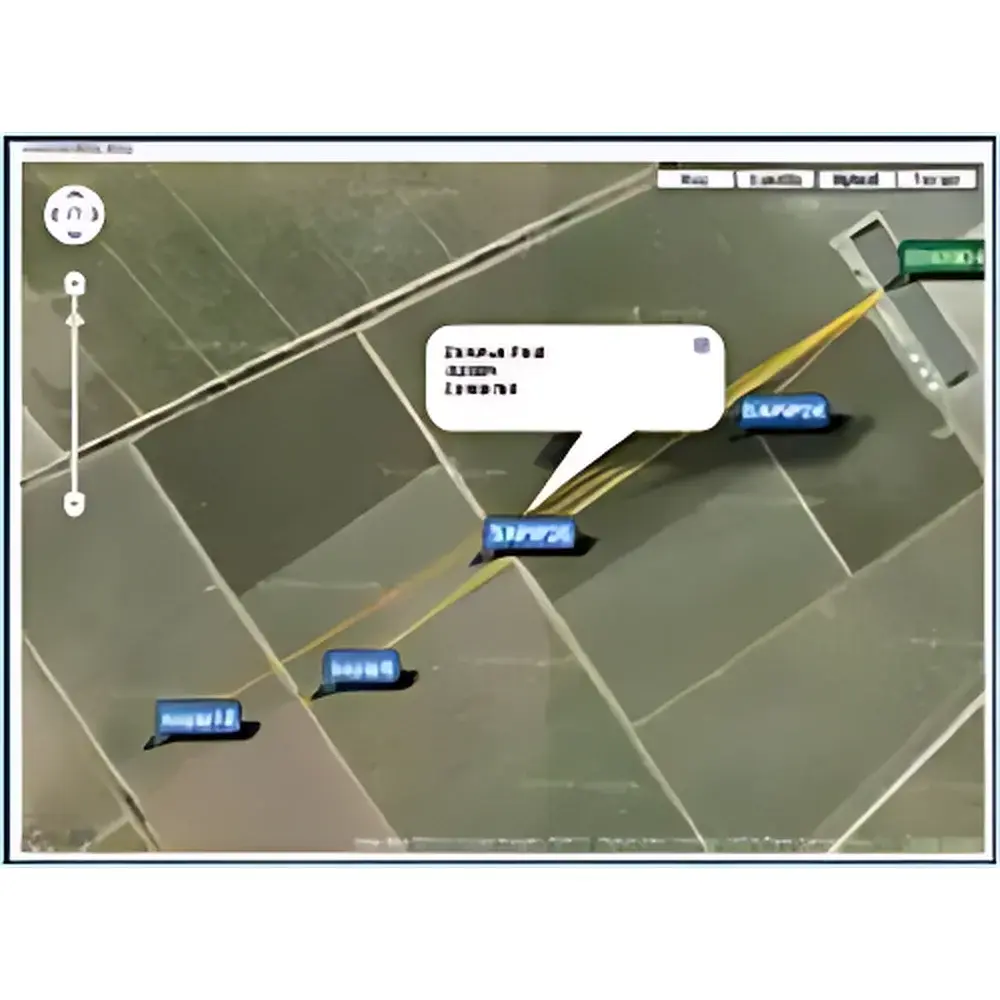
Data acquisition is managed via Dynamax’s SapView™ configuration utility (Windows/Linux), enabling remote node parameterization—including channel scaling, offset correction, noise filtering thresholds, and mesh routing tables—over secure TLS-encrypted serial or Ethernet links. Raw sensor values are stored with dual redundancy: onboard flash memory (retention >10 years at 25 °C) and synchronized server archives. The gateway supports both scheduled HTTP POST uploads and manual retrieval via USB mass-storage mode for offline CSV backup—ensuring continuity during WAN outages. Audit trails, user access logs, and firmware version stamps are retained in accordance with FDA 21 CFR Part 11 Annex 11 principles for electronic records in environmental monitoring workflows.
Applications
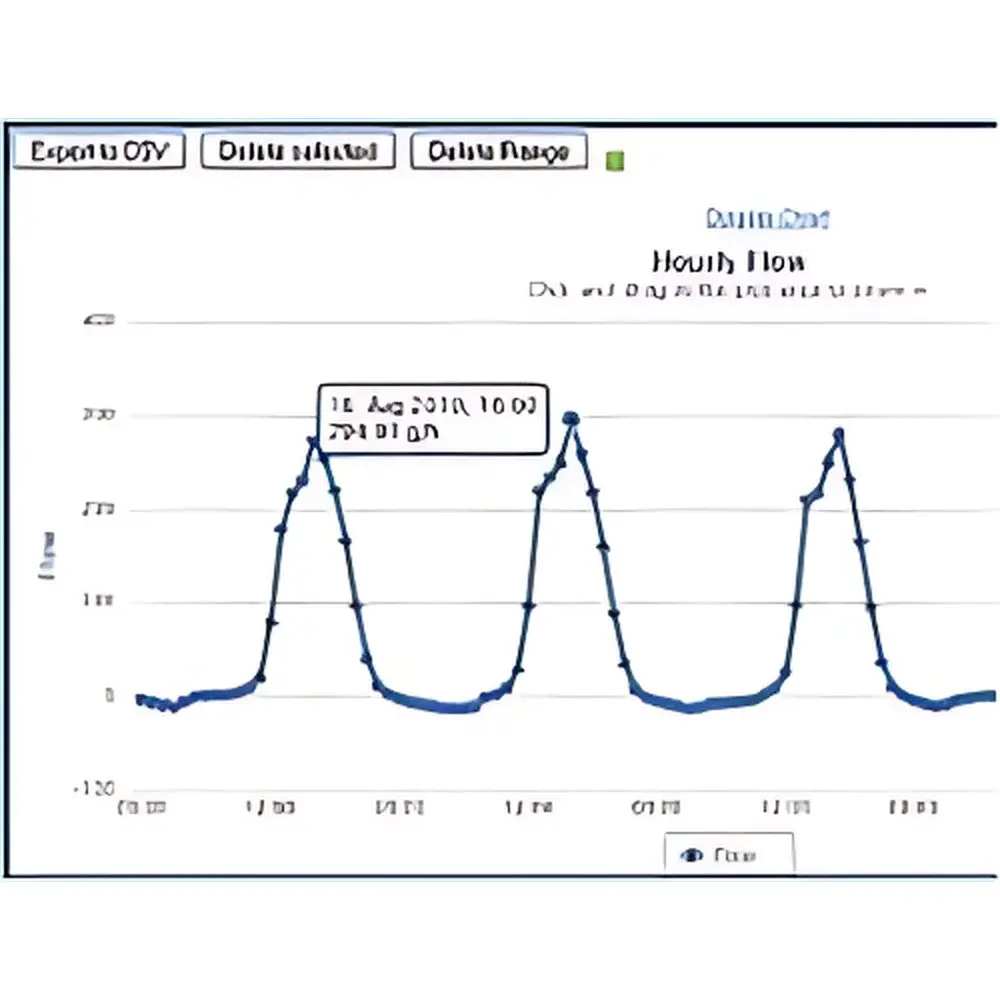
- Long-term sap flux quantification in orchards, vineyards, and forest stands using Granier, TDP, or HFD methodologies.
- Integrated plant-water-atmosphere continuum studies coupling stem flow with eddy covariance, soil moisture profiles, and micrometeorological variables.
- Automated irrigation scheduling based on real-time transpiration demand derived from multi-point sap velocity trends.
- Phenological response monitoring under climate manipulation experiments (e.g., rainout shelters, warming chambers).
- Calibration validation of satellite-derived evapotranspiration (ET) models using ground-truthed canopy-scale water use metrics.
FAQ
What is the maximum number of SapIP nodes supported per gateway?
A single gateway can manage up to 25 SapIP nodes within a unified mesh network.
Does the system support time-synchronized sampling across distributed nodes?
Yes—nodes maintain sub-second clock alignment via mesh-based time distribution protocol, ensuring coherent temporal referencing for cross-site physiological comparisons.
Can SapIP operate without internet connectivity at the field site?
Yes—local data persistence (30,000 records) and manual USB extraction ensure full data integrity during extended WAN outages.
Is firmware update capability available remotely?
Firmware upgrades may be deployed over-the-air (OTA) via gateway-initiated secure HTTPS download and verified checksum installation.
What mounting options are included for canopy-level deployment?
Each unit ships with stainless-steel strap mounts and is optimized for 3-meter mast installation above crop canopies or forest understory layers.




