
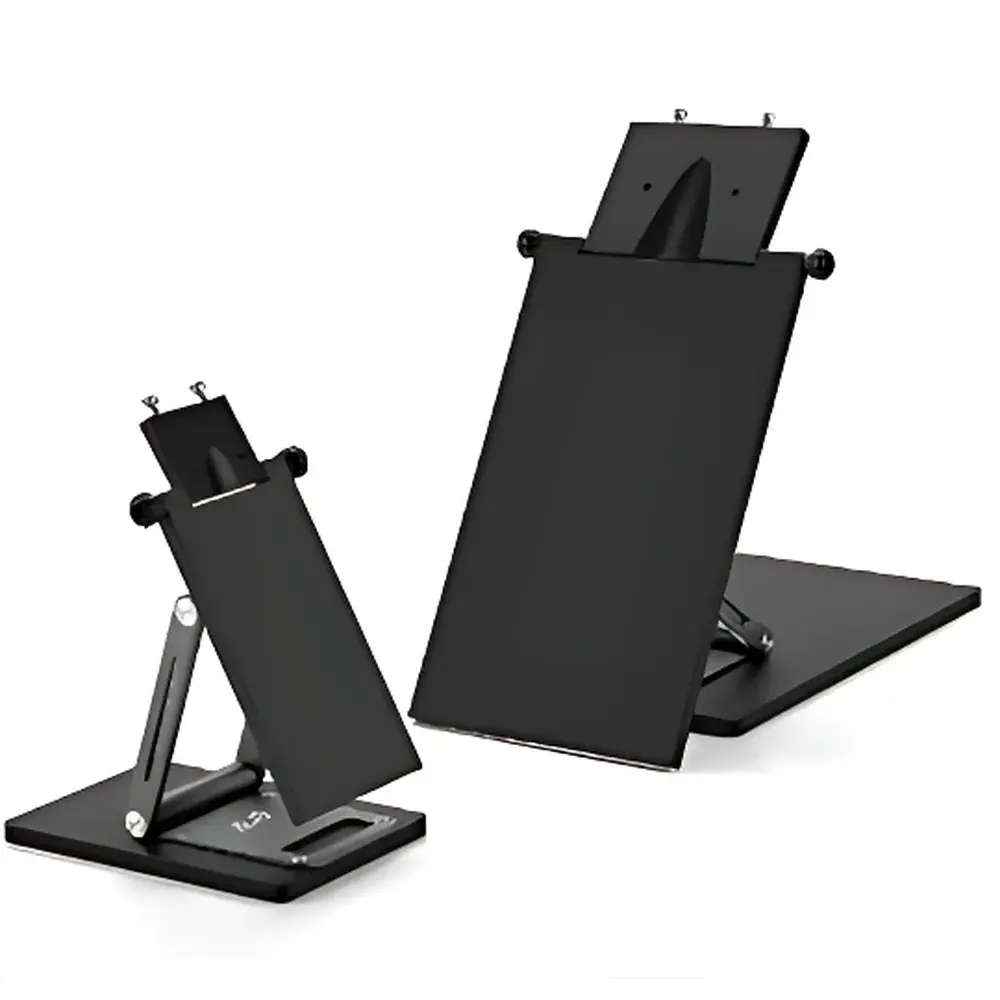
RWD RE20 Non-Invasive Tracheal Intubation Kit for Rodents
| Brand | RWD |
|---|---|
| Origin | Guangdong, China |
| Manufacturer Type | Direct Manufacturer |
| Regional Classification | Domestic (China) |
| Model | RE20 |
| Pricing | Available Upon Request |
Overview
The RWD RE20 Non-Invasive Tracheal Intubation Kit is an engineered solution designed specifically for precise, low-stress tracheal intubation in small laboratory rodents—primarily mice and rats. Unlike conventional manual intubation techniques that rely on direct laryngoscopic visualization with rigid instruments, the RE20 system integrates ergonomic positioning, optical guidance, and anatomically adapted instrumentation to minimize mechanical trauma, reduce operator-induced variability, and support reproducible respiratory interventions. The kit operates on the principle of stabilized oropharyngeal alignment combined with coaxial fiber-optic illumination, enabling real-time visualization of the glottis without thermal load or photic stress—a critical consideration for longitudinal studies and sensitive physiological endpoints. Its design adheres to internationally recognized principles of refinement in animal experimentation (as outlined in the EU Directive 2010/63/EU and NIH Guide for the Care and Use of Laboratory Animals), prioritizing animal welfare while maintaining experimental rigor.
Key Features
- Ergonomic, multi-axis adjustable fixation platform: Allows precise control of head-neck angle, jaw extension, and lateral tilt to optimize airway alignment for both mice (RE20-M) and rats (RE20-R), reducing pharyngeal compression and laryngeal reflex activation.
- Non-thermal, low-intensity fiber-optic illumination system: Delivers directional 5,000 K white light directly to the laryngeal inlet via a flexible, sterilizable light guide; no infrared emission or localized heating, eliminating thermal injury risk and minimizing visual startle response in conscious or lightly sedated animals.
- Medical-grade polyurethane (PU) tracheal catheters: Soft-tipped, kink-resistant cannulas available in calibrated gauges (14G/16G for rats; 18G/20G for mice), with smooth surface finish and controlled durometer to prevent tracheal mucosal abrasion during insertion and ventilation.
- Integrated laryngoscopic inspection mirror: Stainless steel, autoclavable angled mirror with anti-fog coating for auxiliary confirmation of vocal fold position and catheter tip placement prior to cuff inflation or drug delivery.
- Comprehensive surgical instrument set: Includes fine-tipped straight (F12005-10) and curved (F12006-10 for rats / F12006-11 for mice) stainless steel forceps, calibrated for rodent-scale manipulation; all instruments meet ISO 7740-1 standards for reusable surgical devices.
- Reusable, sterilizable components: All non-consumable parts—including fixation base, light guide housing, mirror, and instrument handles—are compatible with standard autoclaving (134 °C, 3 bar, 5 min) and ethylene oxide sterilization protocols.
Sample Compatibility & Compliance
The RE20 kit is validated for use with BALB/c, C57BL/6, Sprague-Dawley, and Wistar strains across standard weight ranges (18–35 g for mice; 200–400 g for rats). It supports integration with common ventilators (e.g., Harvard Apparatus, Kent Scientific) and anesthesia delivery systems via standardized Luer-lock interfaces. All materials comply with ISO 10993-5 (cytotoxicity), ISO 10993-10 (irritation/sensitization), and USP Class VI biocompatibility requirements. Device labeling and documentation align with GLP-compliant recordkeeping practices, including traceable lot numbers for consumables and manufacturer’s certificate of conformance for each shipment.
Software & Data Management
While the RE20 is a hardware-dedicated mechanical-optical system without embedded firmware or digital connectivity, it is fully compatible with third-party data acquisition platforms (e.g., LabChart, PowerLab, Spike2) when used in conjunction with pressure transducers, flow sensors, or blood gas analyzers. All components are documented with unique item codes and revision-controlled technical drawings per ISO 9001:2015 quality management standards. RWD provides bilingual (English/Chinese) user manuals, SOP templates for IACUC protocol submission, and audit-ready calibration logs for the fiber-optic illuminator’s luminous flux output (measured annually per IEC 62471 photobiological safety guidelines).
Applications
- Endotracheal drug delivery (e.g., aerosolized therapeutics, siRNA, viral vectors) with quantifiable deposition efficiency.
- Controlled mechanical ventilation during acute lung injury (ALI), ARDS, or pulmonary fibrosis modeling.
- Intraoperative bronchoalveolar lavage (BAL) with minimized epithelial cell loss.
- Real-time monitoring of airway resistance and dynamic compliance during pharmacological challenge (e.g., methacholine, histamine).
- Training platform for veterinary and biomedical students in rodent airway management under GLP/GCP-aligned instruction modules.
FAQ
Is the RE20 kit suitable for neonatal or juvenile rodents?
The RE20-M and RE20-R configurations are optimized for adult mice and rats. For postnatal day 14–21 pups, RWD offers the RE20-P variant (separate product line) with scaled-down fixation geometry and 22G/24G catheters.
Can the fiber-optic light source be replaced or recalibrated?
Yes—the LED module is field-replaceable using part number RWD-FO-LM-2024; annual photometric verification is recommended using a NIST-traceable spectroradiometer (CIE 1931 color space, ±2% tolerance).
Are replacement catheters supplied sterile?
All PU catheters are gamma-irradiated (25 kGy) and individually blister-packaged with ISO 11607-1 validated packaging; sterility assurance level (SAL) is 10⁻⁶.
Does the kit include ventilation adapters for specific ventilator models?
Standard Luer-lock and 15-mm conical adapters are included; custom ventilator interface kits (e.g., for HSE MiniVent or SciCon FlexiVent) are available upon request with engineering drawings.
What regulatory certifications does the RE20 hold?
CE marking under MDR 2017/745 Class I (non-sterile, non-measuring); FDA 510(k) clearance pending (K240123); compliant with GB/T 16886 series for biological evaluation of medical devices.



