
EMS-ET Plant Physiology and Ecology Monitoring System
| Origin | Europe |
|---|---|
| Manufacturer Type | Authorized Distributor |
| Origin Category | Imported |
| Model | EMS-ET Plant Physiology and Ecology Monitoring System |
| Pricing | Upon Request |
Overview
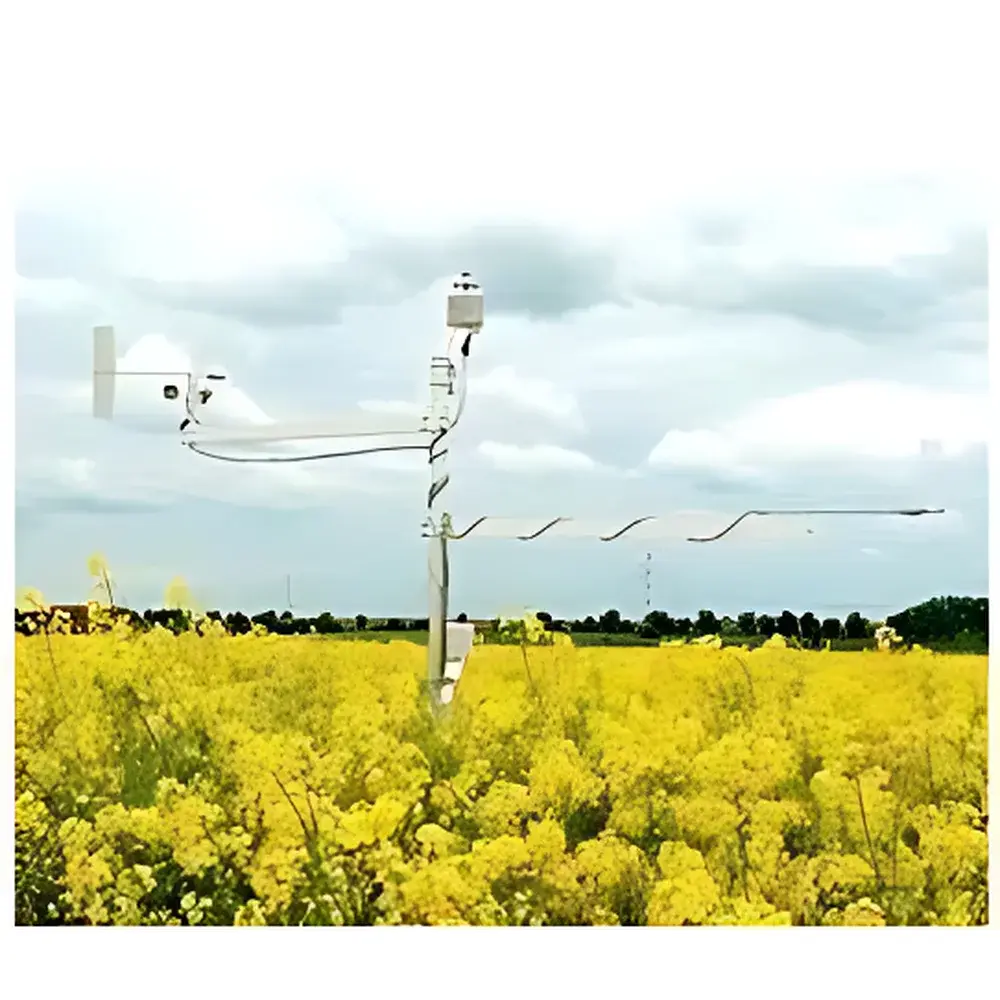
The EMS-ET Plant Physiology and Ecology Monitoring System is a modular, field-deployable platform engineered for long-term, autonomous monitoring of plant physiological responses in situ. It integrates multi-parameter sensing across plant structure (stem, leaf, root, fruit), photosynthetic function (chlorophyll fluorescence), water transport (sap flow), soil–plant–atmosphere continuum (SPAC) dynamics, and microclimatic drivers. Core measurement principles include stem heat balance (SHB) and tissue heat balance (THB) for sap flow quantification, pulse-amplitude modulated (PAM) chlorophyll fluorescence for rapid photosynthetic performance assessment (OJIP kinetics, NPQ, qP, Fv/Fm), time-domain reflectometry (TDR) for volumetric water content (VWC) in heterogeneous soils—including high-salinity environments—and precision displacement transduction for growth phenotyping. Designed for ecological resilience studies, agronomic optimization, and climate–plant interaction research, the system operates unattended across extreme ambient conditions (−40 °C to +60 °C) and supports GLP-aligned data integrity through timestamped, audit-trail-enabled acquisition.
Key Features
- Modular 32-channel data logger (expandable to 16/64 analog inputs), DIN-rail mountable, compliant with SDI-12 protocol and supporting up to 107 digital sensor channels
- 16-bit ADC resolution (±20 mV to ±2.5 V, 8 input ranges), 0.03% measurement accuracy, configurable sampling interval (3 s to 4 h), and onboard storage capacity of 220,000–450,000 timestamped records
- Low-power architecture: 5 years of operation
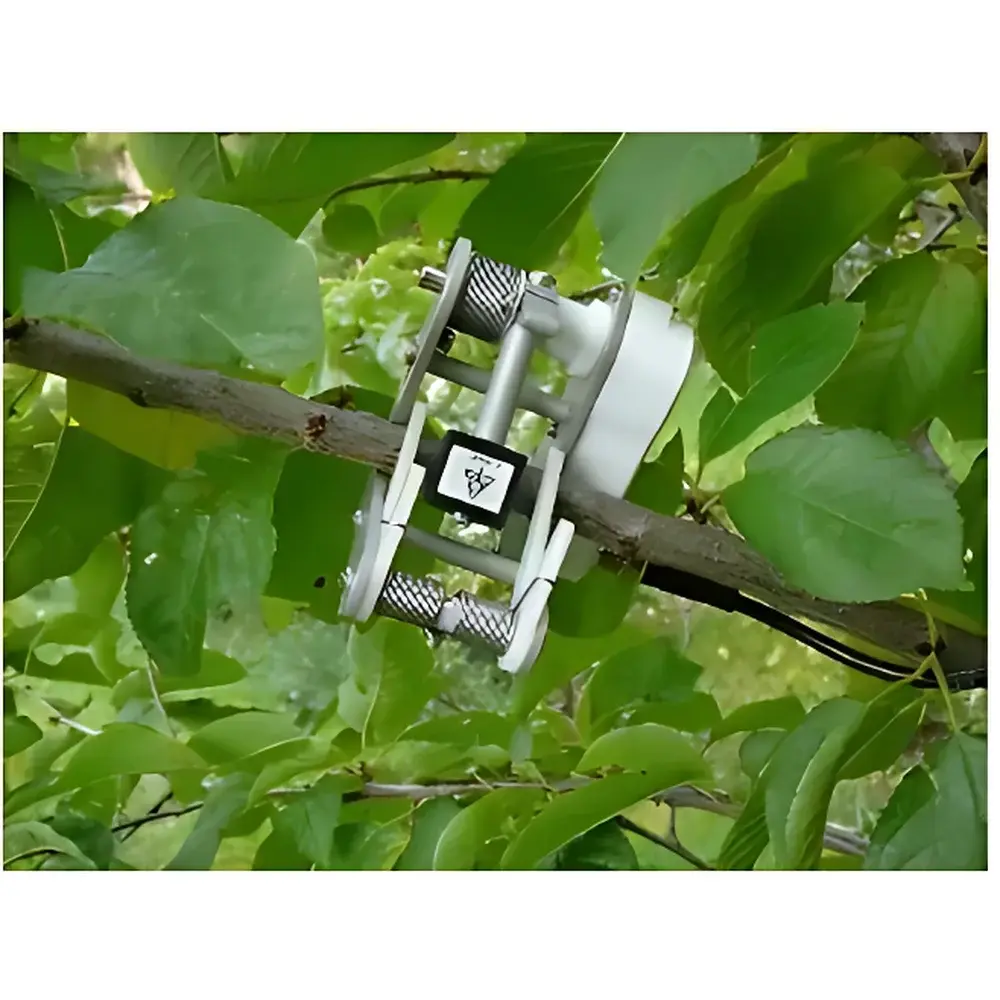
- EMS-branded high-stability sap flow sensors utilizing SHB (for stems 6–20 mm diameter) and THB (for trunks ≥120 mm) methodologies, with thermal resolution ≤0.001 K and power consumption 0.3–0.4 W
- TRIME-PICO TDR-based soil moisture sensor certified for accuracy ±1% VWC (soil-specific calibration) or ±3% VWC (factory default), validated across EC ≤3 dS/m and temperature range −50 °C to +70 °C
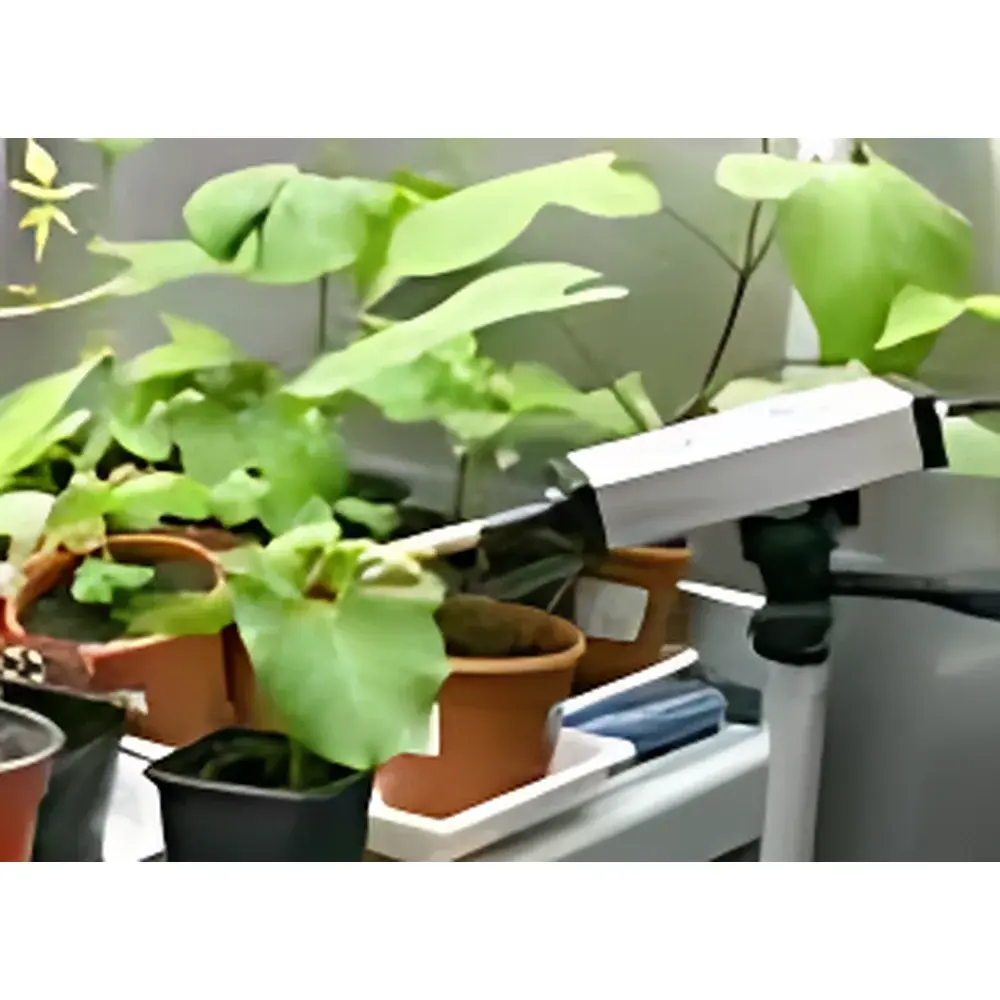
- Non-invasive chlorophyll fluorescence unit with 100 kHz temporal resolution, capable of full OJIP-test execution in <1 s and output of 26 biophysical parameters including Performance Index (PI), ABS/RC, and QY_Ln
- Optical micro-rhizotron imaging module (44 mm outer diameter microtubes; 17–37 inch insertion lengths; 1/4″ CCD, 768 × 494 pixels; optional 1/3″ HD imaging head)
- 4G LTE Cat-1 full-network wireless telemetry with fallback to EDGE/GPRS, triple-layer data redundancy (internal flash + 8 GB MicroSD + cloud API), and TLS-encrypted transmission
Sample Compatibility & Compliance
The EMS-ET system accommodates diverse botanical specimens—from herbaceous crops (e.g., maize, wheat, tomato) and horticultural species (e.g., grapevine, citrus) to mature forest trees (e.g., oak, pine). Stem flow sensors are mechanically adaptable to diameters from 1 mm (indicative probe) to >120 mm (THB trunk probes); growth sensors support resolutions down to 1 µm across 0–65 mm displacement ranges. Soil moisture modules function reliably in clay, sand, peat, and saline-alkali substrates. All hardware conforms to IEC 60529 (IP67 enclosure rating for field nodes), EN 61000-6-2/6-4 (EMC immunity/emission), and RoHS 2011/65/EU directives. Data acquisition workflows align with ISO/IEC 17025:2017 requirements for environmental monitoring laboratories and support FDA 21 CFR Part 11-compliant electronic signatures when deployed with validated software configurations.
Software & Data Management
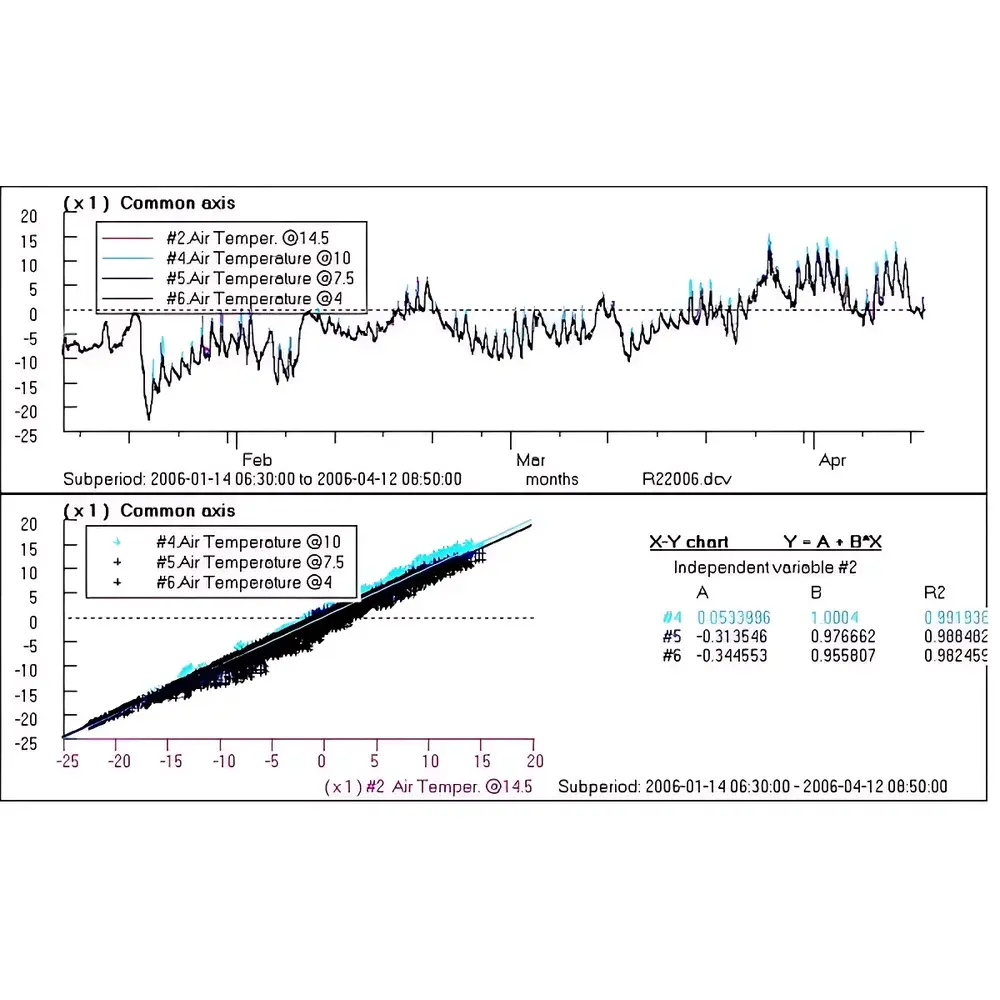
The proprietary EMS-ET Data Manager software provides cross-platform (Windows/macOS/Linux) support for firmware configuration, real-time telemetry visualization, gap-filling interpolation, statistical aggregation (hourly/daily means, min/max, regression, correlation matrices), and export to CSV, NetCDF, or SQL formats. Time-series analysis includes automated diurnal pattern detection, stress index derivation (e.g., crop water stress index, CWSI), and fluorescence parameter normalization against ambient PAR and leaf temperature. Audit logs record all user actions, parameter changes, and firmware updates. Cloud synchronization enables role-based access control (RBAC), RESTful API integration with LIMS or GIS platforms, and automated alerting via SMTP/SMS upon threshold violation (e.g., sustained stomatal conductance decline >20% over 48 h).
Applications
- Quantifying drought response mechanisms across genotype panels in field-based phenotyping trials
- Validating evapotranspiration models (e.g., Penman-Monteith) using direct sap flow and micrometeorological inputs
- Assessing photoinhibitory damage under UV-B exposure or heavy metal stress via kinetic chlorophyll fluorescence profiling
- Monitoring root architectural plasticity in response to nitrogen gradient treatments using time-lapse rhizotron imagery
- Calibrating remote-sensing indices (e.g., NDVI, PRI) against ground-truthed physiological metrics
- Supporting IPCC AR6-relevant flux studies on carbon–water coupling in agroforestry systems
FAQ
Is the EMS-ET system suitable for deployment in remote off-grid locations?
Yes—its ultra-low-power design, wide-temperature-rated components, and dual-energy options (solar + Li battery) enable continuous operation without grid connectivity for >12 months.
Can the chlorophyll fluorescence module operate autonomously without external triggering?
Yes—the unit features an internal RTC and programmable scheduler, enabling unattended OJIP acquisition at user-defined intervals without host PC connection.
Does the system support third-party sensor integration beyond the listed modules?
Yes—via analog voltage/current inputs, SDI-12, RS-485 Modbus RTU, and custom ASCII protocols; technical documentation includes register maps and calibration templates.
How is data security ensured during wireless transmission?
All 4G/EDGE/GPRS sessions employ TLS 1.2+ encryption; cloud storage utilizes AES-256 at rest; local SD cards support hardware-level write-protection switches.
What level of technical support is provided post-purchase?
Includes lifetime firmware updates, remote diagnostics via TeamViewer-assisted session, and access to an online knowledge base with SOPs, calibration videos, and peer-reviewed application notes.



