
ADC Bio LCpro T Advanced Portable Photosynthesis Measurement System
| Brand | ADC Bio |
|---|---|
| Origin | United Kingdom |
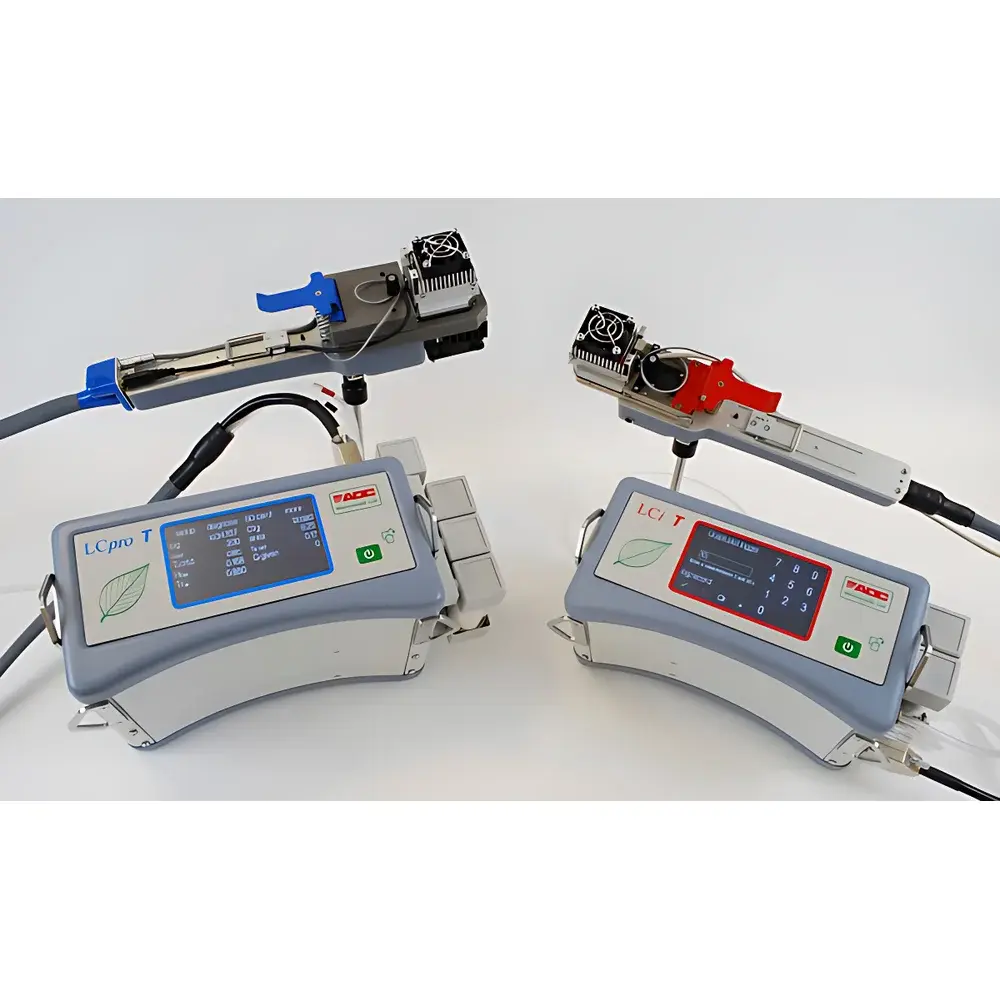
| Model | LCpro T Intelligent Photosynthesis System |
| CO₂ Range | 0–2000 ppm |
| H₂O Control Range | 0–75 mbar |
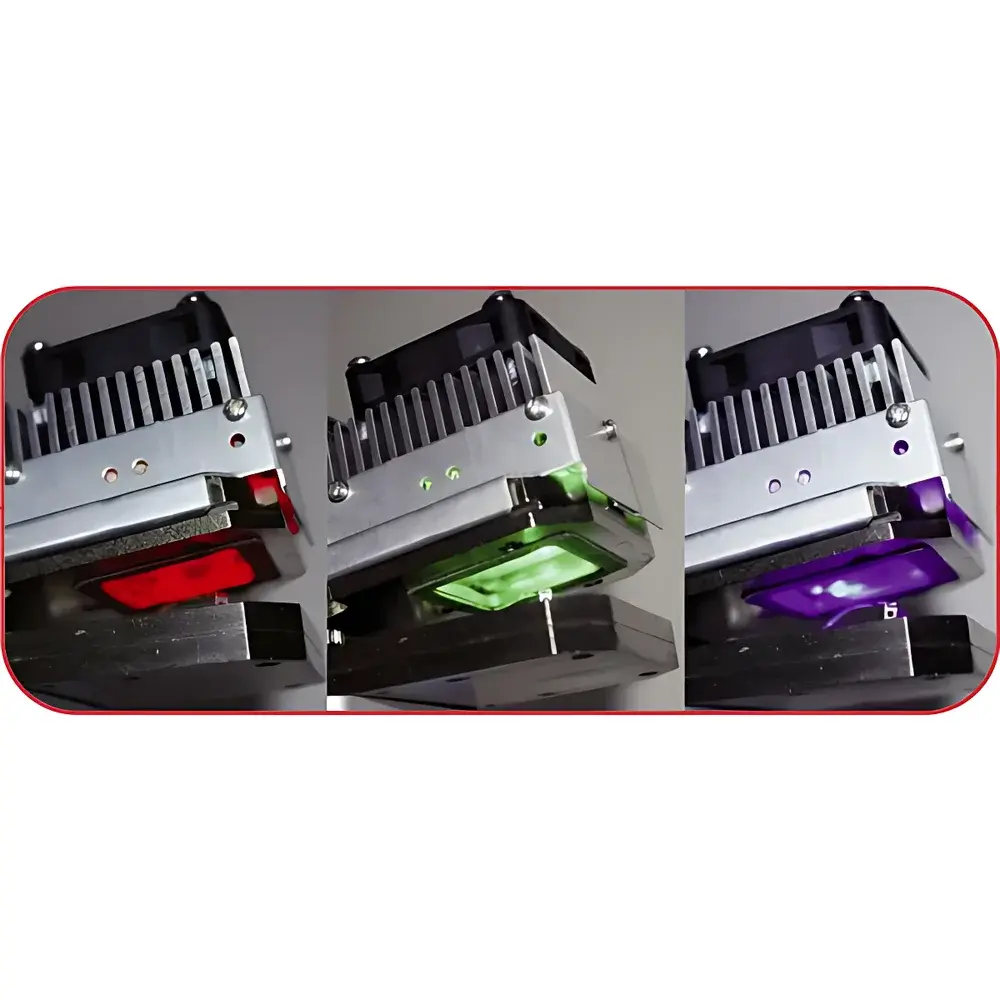
| PAR Source | Adjustable RGB or White LED (0–2400 µmol·m⁻²·s⁻¹) |
| Temperature Control | Peltier-based (ΔT = +15 °C / −10 °C vs. ambient or ambient-follow mode) |
| GPS | Integrated with UTC time, latitude/longitude, and altitude logging |
| Humidity Sensors | Dual high-precision laser-trimmed capacitive sensors |
| IRGA Design | Gold-coated, miniaturized, time-domain differential dual-beam NDIR for drift-free CO₂ measurement |
| Leaf Chamber Climate Control | Simultaneous closed-loop regulation of CO₂, H₂O, PAR, and temperature |
| Battery Life | Up to 16 h (Li-ion) |
| Weight | Control Unit 4.1 kg, Measurement Unit 0.8 kg |
| Data Storage | SD card + USB interface |
| Fluorescence Integration | Direct hardware synchronization with FluorCam and portable chlorophyll fluorometers |
| Compliance | Designed for GLP-aligned field data acquisition |
Overview
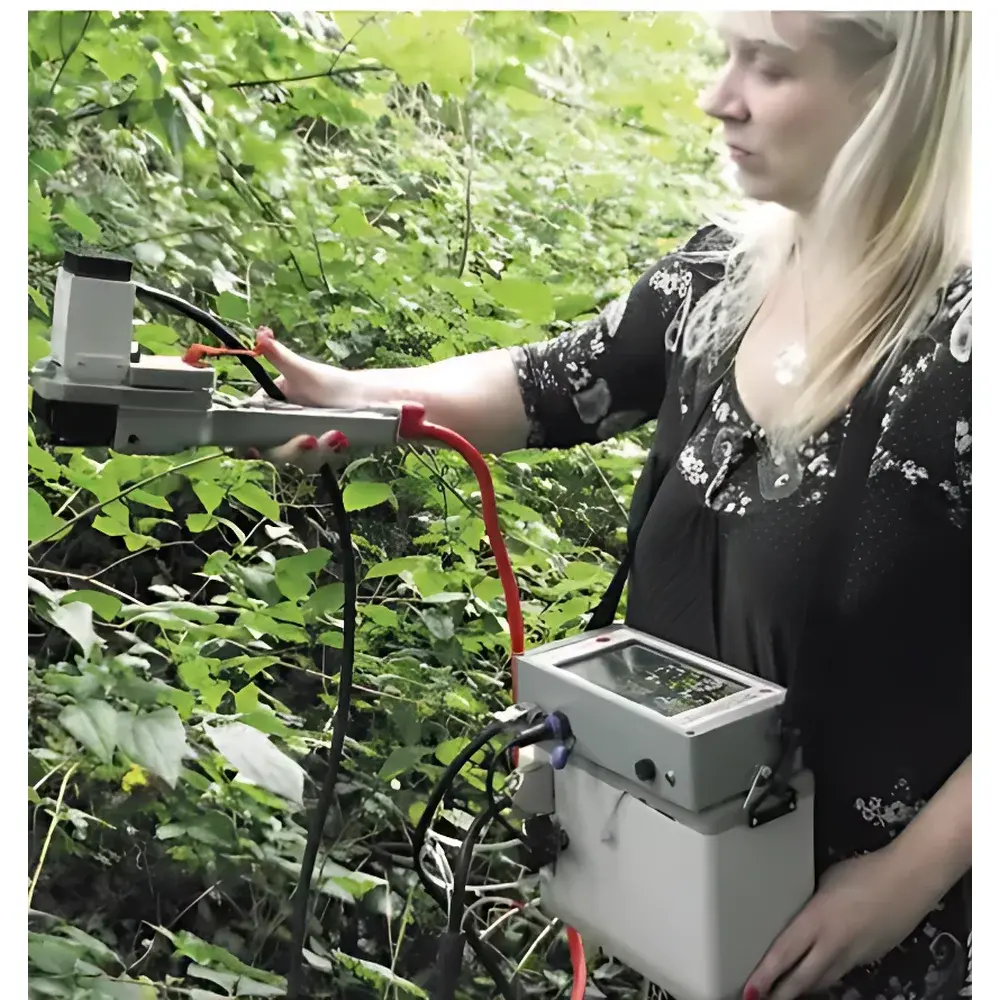
The ADC Bio LCpro T Advanced Portable Photosynthesis Measurement System is a field-deployable, closed-system gas exchange instrument engineered for high-fidelity, real-time quantification of net CO₂ assimilation (A), stomatal conductance (gs), transpiration (E), and intrinsic water-use efficiency (iWUE) in intact plant tissues. It operates on the principle of differential infrared gas analysis (IRGA) coupled with dynamic leaf chamber climate control, enabling precise manipulation and monitoring of four key environmental drivers—CO₂ concentration, water vapor pressure deficit (VPD), photosynthetically active radiation (PAR), and leaf temperature—within a physically integrated measurement head. Unlike legacy systems relying on remote analyzers connected via long sample lines, the LCpro T embeds its gold-coated, time-domain differential dual-beam NDIR CO₂ sensor directly adjacent to the leaf chamber, eliminating transport lag, condensation artifacts, and flow-induced signal attenuation. This architecture ensures sub-second response times (<1.2 s for 95% step change), critical for capturing rapid physiological dynamics such as lightfleck responses or diurnal stomatal oscillations.
Key Features
- Integrated dual-beam NDIR CO₂ analyzer with gold-coated optical path and time-domain differential signal processing—eliminates zero drift and eliminates need for periodic balance calibration.
- Four-parameter closed-loop climate control: independent regulation of CO₂ (0–2000 ppm), H₂O (0–75 mbar VPD), PAR (0–2400 µmol·m⁻²·s⁻¹, RGB or white LED), and leaf temperature (Peltier-driven, ±15 °C range relative to ambient).
- 360° wide-viewing-angle color touchscreen with auto-brightness adjustment, glove-compatible touch response, and IP65-rated sealed enclosure for all-weather field operation.
- Built-in GPS module logging WGS84 coordinates, UTC timestamp, altitude, and positional accuracy metrics with each measurement record.
- Dual high-stability capacitive humidity sensors—laser-trimmed for inter-sensor agreement <±0.3% RH—enabling robust transpiration rate derivation under variable boundary layer conditions.
- Modular leaf chamber system supporting standardized configurations: broadleaf, narrowleaf, conifer, Arabidopsis, fruit, soil respiration, and canopy-integrated chambers.
- Native hardware-level synchronization interface for FluorCam chlorophyll fluorescence imaging systems and portable fluorometers (e.g., FluorPen, PlantPen), enabling concurrent A/gs/Fv/Fm acquisition without temporal misalignment.
Sample Compatibility & Compliance
The LCpro T accommodates diverse biological matrices without modification to core measurement protocols: single leaves (including epidermal peels and detached petioles), whole fruits (e.g., apple, tomato), intact seedlings, soil cores (via dedicated soil chamber), and low-canopy vegetation (using extended-height chambers). All leaf chambers feature thermally insulated walls, laminar airflow design, and integrated thermocouple ports for independent leaf temperature validation. The system complies with ASTM E2912–22 (Standard Practice for Field Measurement of Gas Exchange in Plants) and supports traceable calibration workflows aligned with ISO/IEC 17025 requirements for environmental testing laboratories. Metadata—including GPS coordinates, ambient barometric pressure, operator ID, and chamber-specific calibration coefficients—is embedded in every data file, satisfying GLP documentation standards for ecological field studies and regulatory submissions.
Software & Data Management
Data acquisition and experimental sequencing are managed through ADC Bio’s proprietary LCpro T Control Suite, a Windows-based application supporting both real-time visualization and offline protocol scripting. The software enables definition of multi-step climate gradients (e.g., A/Ci, LRC, gs/VPD), automated dark/light transitions, and conditional triggering based on physiological thresholds (e.g., initiate fluorescence measurement when A stabilizes within ±0.2 µmol·m⁻²·s⁻¹ for 15 s). Raw sensor outputs (Cref, Can, Wref, Wan, Q, Tleaf) are logged at 10 Hz with 24-bit resolution and stored in open-format CSV/NetCDF files. Audit trails—including user login events, parameter changes, and firmware version stamps—are maintained per session. Export modules support direct ingestion into R (photosynthesis package), Python (ecosys, plantecophys), and MATLAB for advanced modeling of Farquhar-von Caemmerer-Berry parameters.
Applications
The LCpro T serves as a primary tool across academic, agricultural, and environmental research domains. Its portability and precision make it ideal for: (1) field-based drought stress phenotyping across crop germplasm collections; (2) urban tree physiology assessments under heat island conditions; (3) eddy-covariance gap-filling via tower-synchronized leaf-level A/gs measurements; (4) mechanistic studies of photoinhibition using synchronized PAR ramping and OJIP transient acquisition; (5) soil–plant–atmosphere continuum (SPAC) modeling requiring simultaneous root-zone CO₂ efflux and shoot-level assimilation; and (6) regulatory ecotoxicology trials evaluating photosynthetic inhibition following herbicide or heavy metal exposure. Published applications span temperate pine forests (Vermeulen et al., Earth Syst. Dyn. 2015), coastal dune species (Hwang et al., Photosynthetica 2016), and precision agriculture canopy monitoring (Zarco-Tejada et al., Remote Sens. Environ. 2016).
FAQ
Does the LCpro T support A/Ci curve generation?
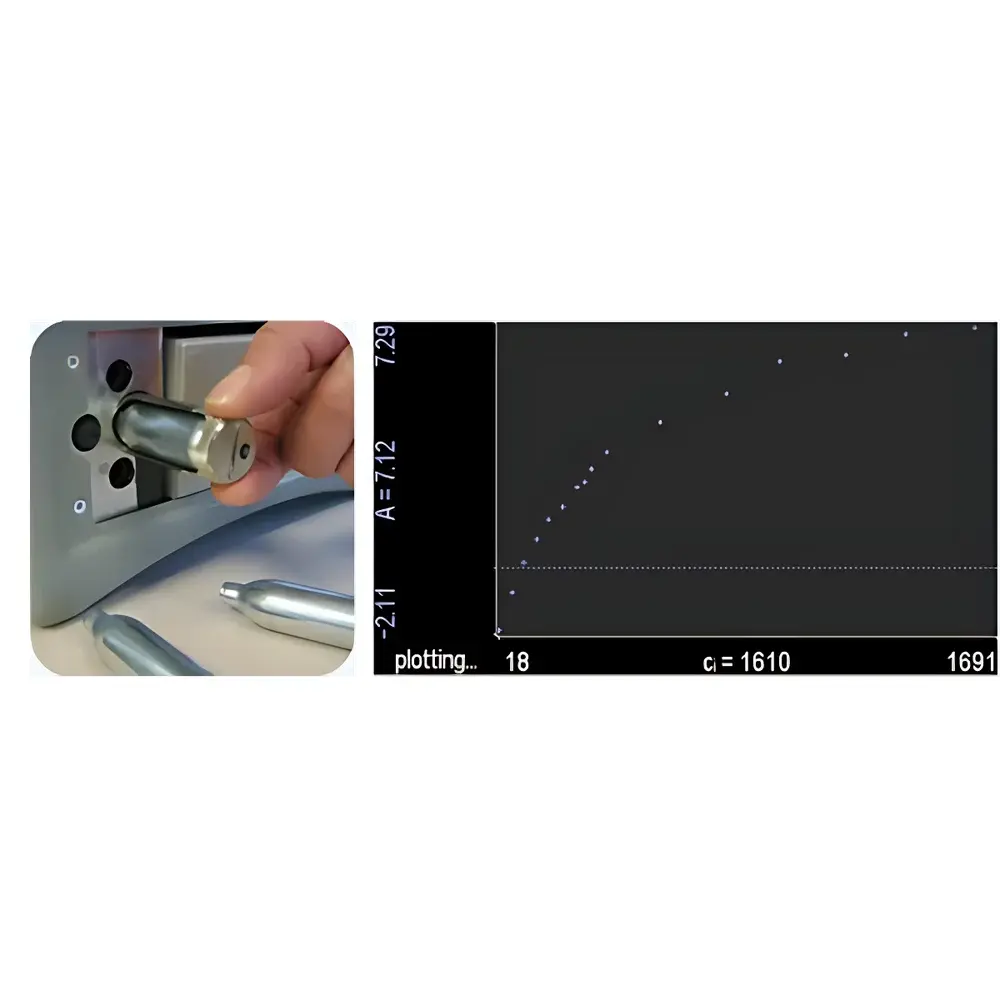
Yes—the integrated CO₂ controller delivers stable 0–2000 ppm sequences over ≥32 hours using standard 12-L CO₂ cylinders; automated A/Ci protocols are preconfigured in the Control Suite.
Can leaf temperature be measured independently of the Peltier unit?
Yes—via optional surface-mounted thermocouples or energy-balance calculation using chamber air temperature, humidity, and radiative flux inputs.
Is the system compatible with third-party fluorescence devices beyond FluorCam?
Hardware synchronization is native only for FluorCam and ADC Bio’s FluorPen series; analog/digital trigger I/O allows integration with other fluorometers via custom TTL signaling.
What calibration standards are recommended for field use?
Daily zero/span verification using certified NIST-traceable CO₂/N₂ and dry N₂ gas mixtures; humidity sensor recalibration every 6 months using saturated salt solutions per ISO 4618.
How is data security ensured during long-term unattended deployment?
SD card write-lock function, encrypted firmware boot sequence, and optional password-protected user profiles prevent unauthorized configuration changes or data deletion.



