
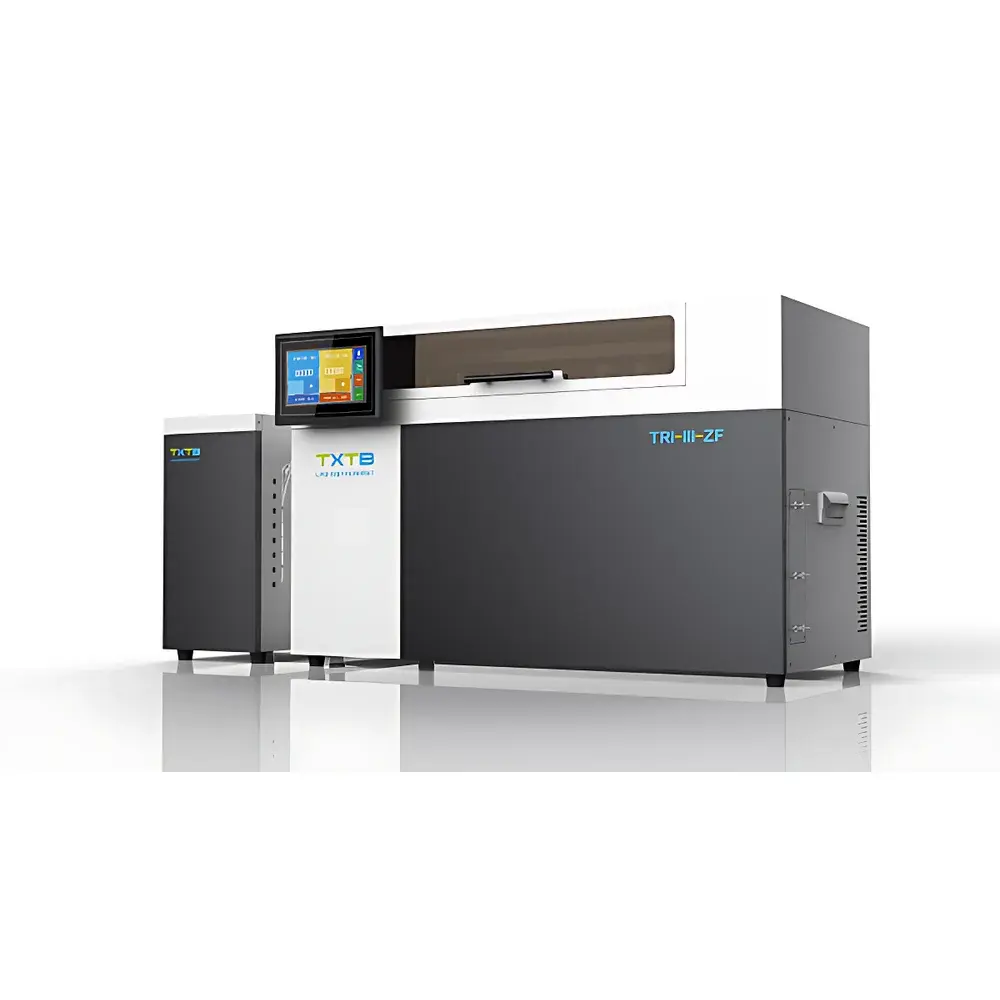
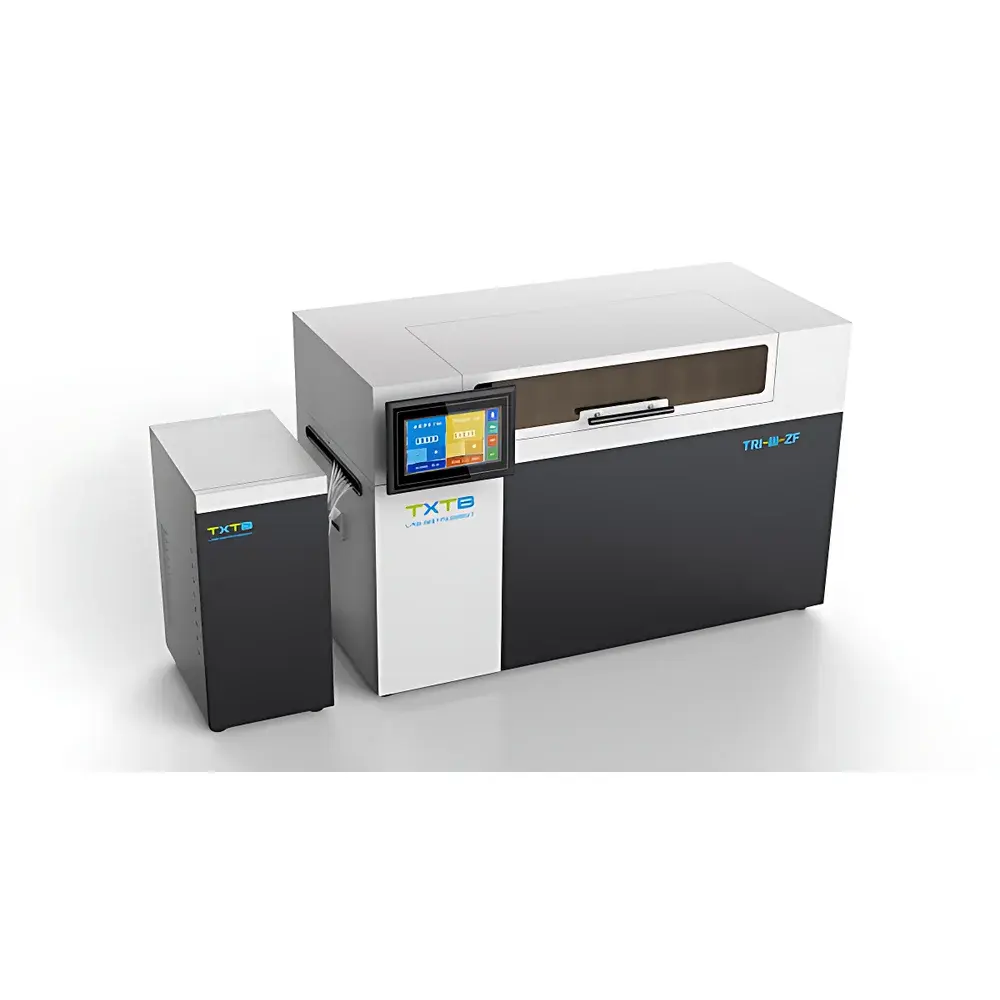
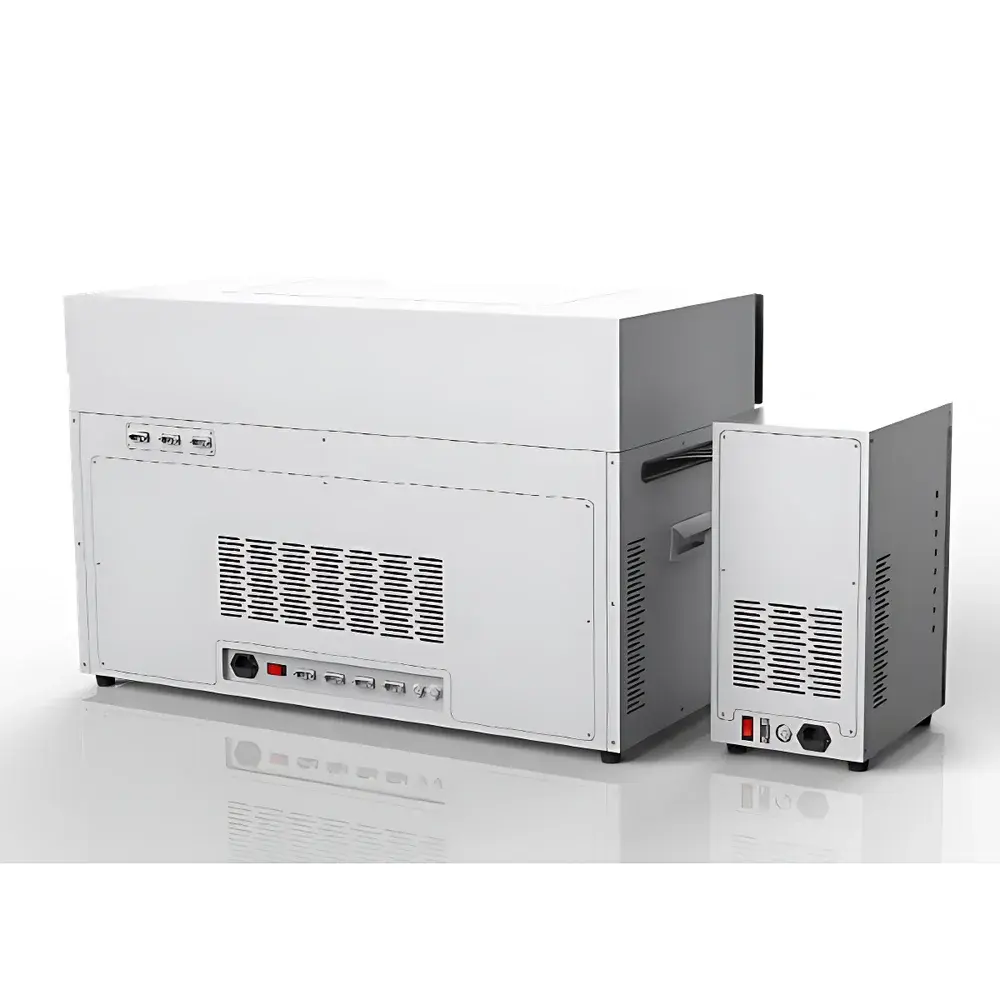
Tongxintianbo TRI-III-ZF Automated Fatty Acid Value Analyzer
| Brand | Tongxintianbo |
|---|---|
| Model | TRI-III-ZF (1-, 2-, 4-, or 8-channel configuration) |
| Origin | Beijing, China |
| Power Supply | 220 V AC / 50 Hz |
| Channel Options | Single, Dual, Quad, or Octal |
| Compliance | Designed for GB/T 15684–2015, ISO 660, and AOAC Official Method 940.28 |
Overview
The Tongxintianbo TRI-III-ZF Automated Fatty Acid Value Analyzer is an integrated, multi-channel benchtop system engineered for precise, high-throughput quantification of free fatty acids (FFA) in grain, oilseed, and edible oil matrices. It operates on the principle of potentiometric titration with standardized alcoholic potassium hydroxide (KOH), following gravimetric or volumetric sample introduction and endpoint detection via pH-sensitive electrode monitoring. The instrument automates all critical steps—including sample dissolution, reagent dispensing, titrant delivery, endpoint recognition, calculation, and report generation—minimizing operator intervention while ensuring analytical consistency across batches and laboratories. Its architecture supports routine quality control in grain elevators, oil refineries, and regulatory testing labs where compliance with national and international fat quality standards is mandatory.
Key Features
- Modular channel design: Configurable as 1-, 2-, 4-, or 8-channel units to match laboratory throughput requirements without sacrificing per-sample precision.
- Integrated titration module with calibrated burette (±0.02 mL accuracy), high-resolution stepper-driven dosing, and real-time pH monitoring for robust endpoint detection.
- Automated sample handling: Pre-programmed sequence for solvent addition (e.g., neutralized ethanol–ether mixture), homogenization, and titration initiation—reducing inter-operator variability.
- Dual-mode operation: Supports both weight-based (g sample) and volume-based (mL oil) input protocols aligned with GB/T 15684–2015 and ISO 660 methodologies.
- Embedded thermal management: Maintains stable ambient temperature during titration to prevent drift in KOH concentration and endpoint reproducibility.
- Self-diagnostic routines: Automatic calibration verification, electrode status reporting, and reagent level monitoring with audible/visual alerts.
- CE-compliant electrical architecture with surge protection and isolated power circuits for continuous operation in industrial environments.
Sample Compatibility & Compliance
The TRI-III-ZF is validated for use with cereals (wheat, rice, corn), oilseeds (soybean, rapeseed, sunflower), crude and refined vegetable oils (soybean oil, palm oil, peanut oil), and flour-based commodities. It delivers results traceable to certified reference materials (CRMs) and conforms to measurement uncertainty requirements outlined in ISO/IEC 17025. Method alignment includes GB/T 15684–2015 (China National Standard for Fatty Acid Value in Cereals), ISO 660:2020 (Animal and vegetable fats and oils — Determination of acid value and acidity), and AOAC Official Method 940.28 (Acid Number of Fats and Oils). While not FDA 21 CFR Part 11–certified out-of-the-box, its audit trail functionality (timestamped logs, user ID tagging, and result immutability) supports GLP/GMP-aligned validation protocols when deployed with controlled access and documented SOPs.
Software & Data Management
The analyzer runs on embedded firmware with a touchscreen HMI interface supporting multilingual operation (English, Chinese, Spanish). Data are stored locally in CSV and PDF formats with full metadata: sample ID, operator, date/time, channel used, raw titration curve, endpoint volume, calculated FFA (as % oleic acid or mg KOH/g), and pass/fail flag against user-defined limits. USB export enables integration into LIMS environments; optional RS-232 or Ethernet connectivity allows remote monitoring and centralized data aggregation. All changes to method parameters, calibration records, and result exports are logged with immutable timestamps and user authentication—meeting foundational requirements for audit readiness under ISO 17025 Clause 7.7 and internal QA documentation systems.
Applications
- Grain storage facilities: Monitoring FFA rise during storage to assess rancidity onset and optimize rotation schedules.
- Oilseed processing plants: In-line QC of expeller cake and crude oil to adjust refining parameters (e.g., caustic dosage in neutralization).
- Edible oil refineries: Verification of final product compliance with Codex Alimentarius limits (e.g., ≤ 0.6 mg KOH/g for extra virgin olive oil).
- Third-party testing labs: Accredited analysis for certification bodies requiring repeatable, defensible FFA data per ISO/IEC 17025.
- Research institutions: Comparative studies of lipid oxidation kinetics under varying temperature, humidity, or packaging conditions.
FAQ
What standard methods does the TRI-III-ZF support?
It natively implements GB/T 15684–2015, ISO 660:2020, and AOAC 940.28. Custom method templates can be configured for proprietary or regional variants.
Is the system compatible with non-aqueous titration solvents?
Yes—it accommodates ethanol–ether, isopropanol–toluene, and other AOAC-recommended solvent blends via programmable dispensing profiles.
Can results be exported directly to LIMS?
Via USB mass storage or optional serial/Ethernet interfaces using ASCII-delimited files compliant with ASTM E1384 and ISO/IEC 11179 metadata conventions.
What maintenance is required for long-term reliability?
Monthly electrode cleaning and calibration, quarterly burette lubrication, and annual verification against NIST-traceable KOH standards are recommended.
Does the instrument include validation documentation?
Factory test reports and IQ/OQ documentation templates are provided; PQ must be performed on-site per user-defined acceptance criteria and local regulatory expectations.






