
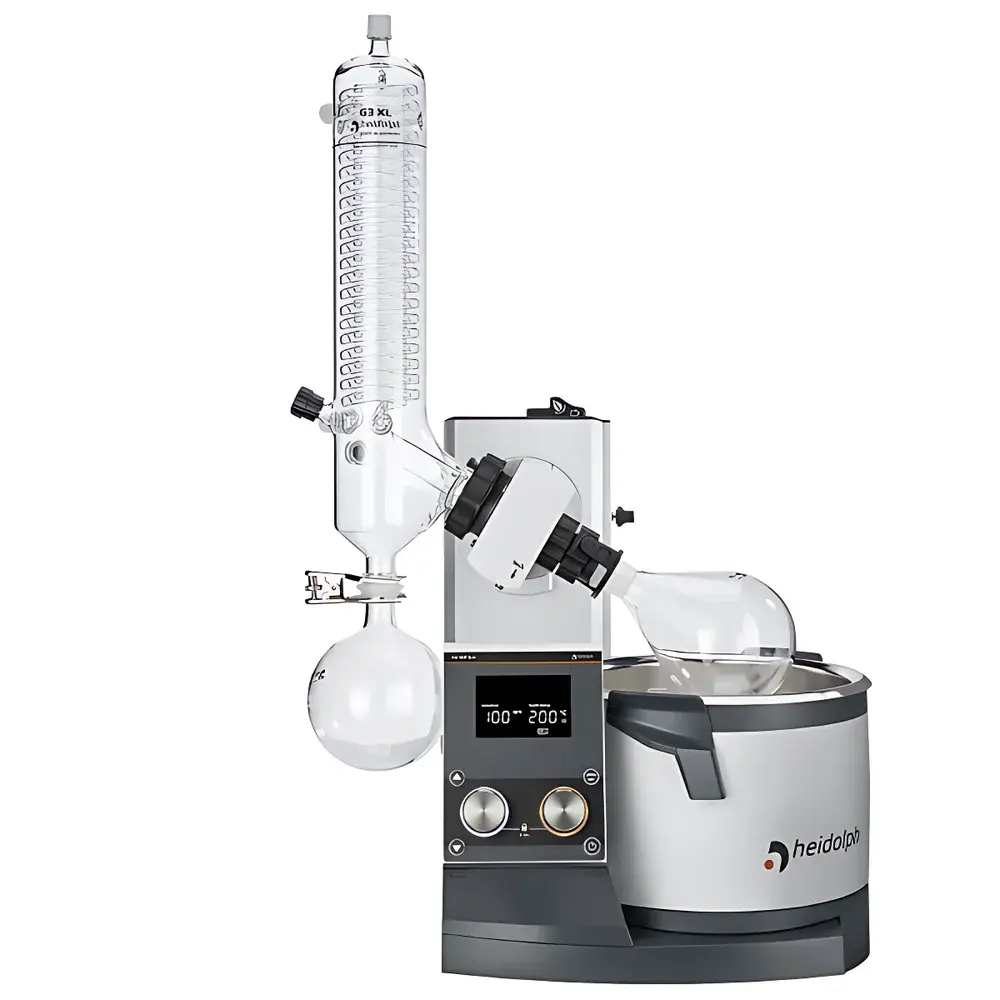
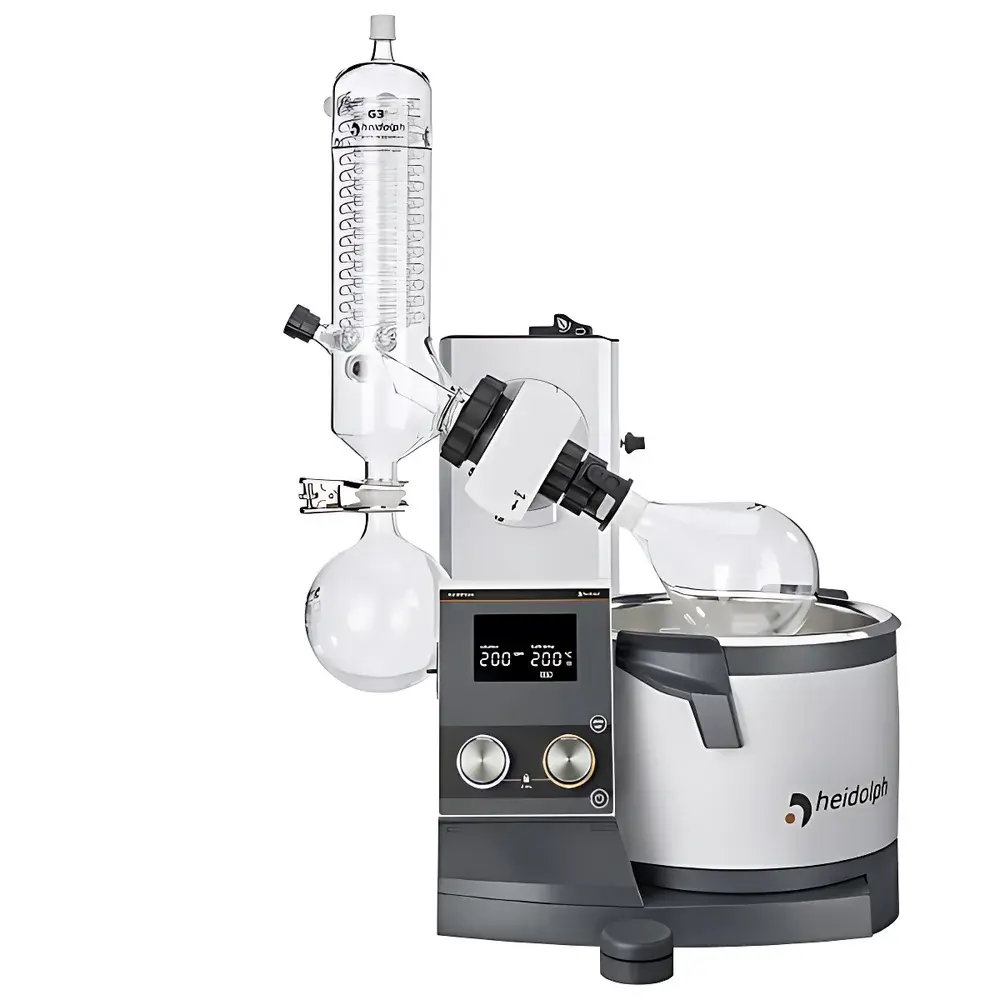
Heidolph Hei-VAP Core Rotary Evaporator (Manual/Electric Lift)
| Brand | Heidolph |
|---|---|
| Origin | Germany |
| Model | Hei-VAP Core HL G3 / ML G3 |
| Capacity | 50–5000 mL |
| Ultimate Vacuum | 2 mbar |
| Rotation Speed | 10–280 rpm |
| Bath Temperature Range | 20–210 °C |
| Temperature Control Accuracy | ±1 °C |
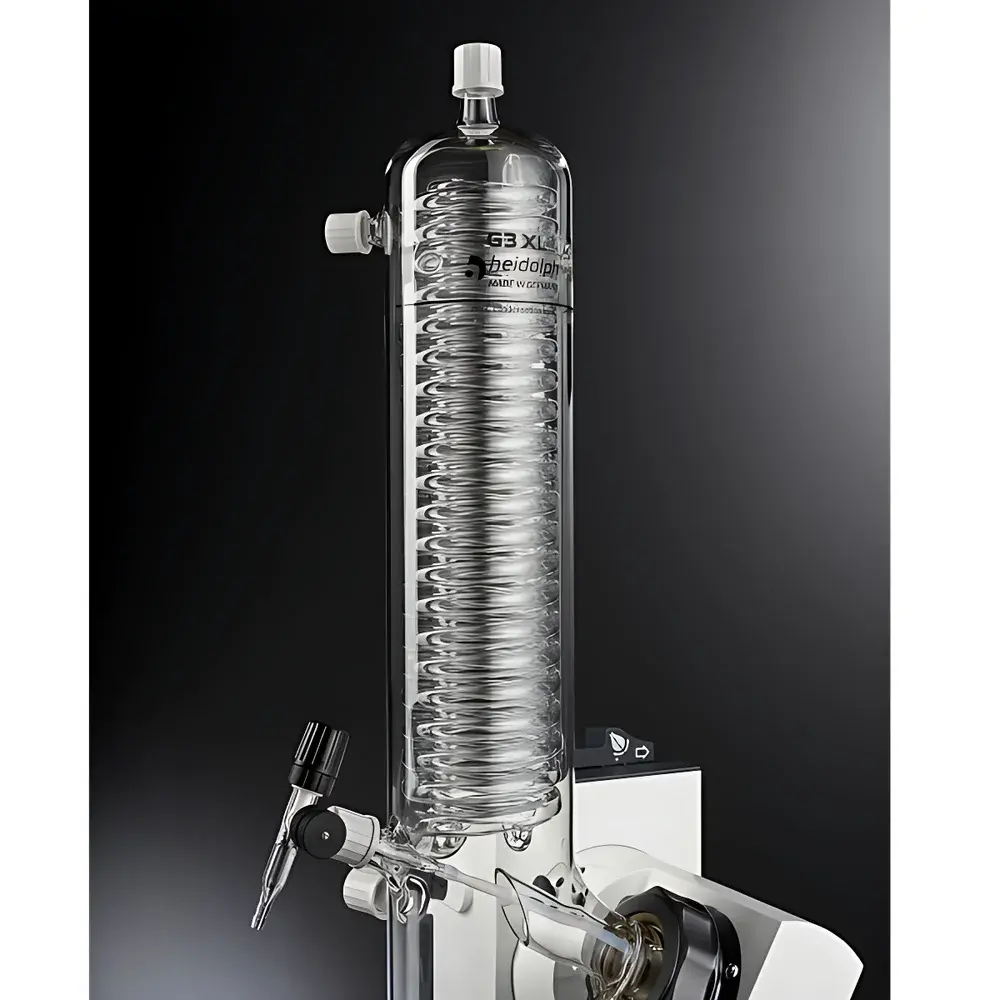
| Condenser Cooling Surface Area | 2,200 cm² |
Overview
The Heidolph Hei-VAP Core Rotary Evaporator is a precision-engineered laboratory system designed for efficient, reproducible solvent removal and concentration under reduced pressure. Based on the fundamental principle of rotary evaporation—where simultaneous rotation, heating, and vacuum application lower the boiling point of solvents to enable gentle, controlled distillation—the Hei-VAP Core delivers robust performance across academic, pharmaceutical, and industrial R&D environments. Its modular architecture supports both manual (HL G3) and electric (ML G3) vertical lift configurations, enabling optimal integration into fume hoods or automated workflows. Engineered in Germany and manufactured to DIN EN ISO 9001 standards, the system emphasizes operational safety, long-term thermal stability, and vacuum integrity—critical parameters for GLP-compliant sample preparation and process development.
Key Features
- Vacuum-tight construction with PTFE/FKM dual-material sealing rings ensures chemical resistance against aggressive solvents (e.g., chlorinated hydrocarbons, strong acids/bases) and maintains stable vacuum down to 2 mbar.
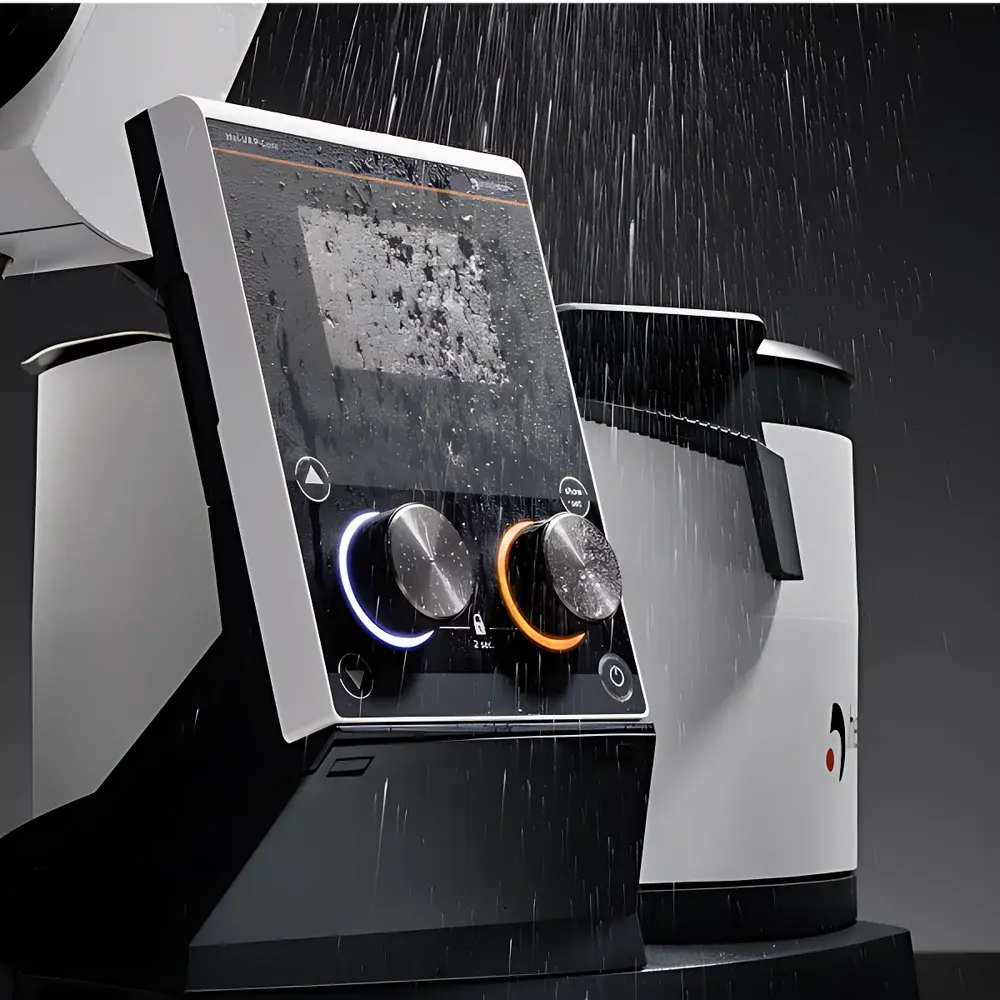
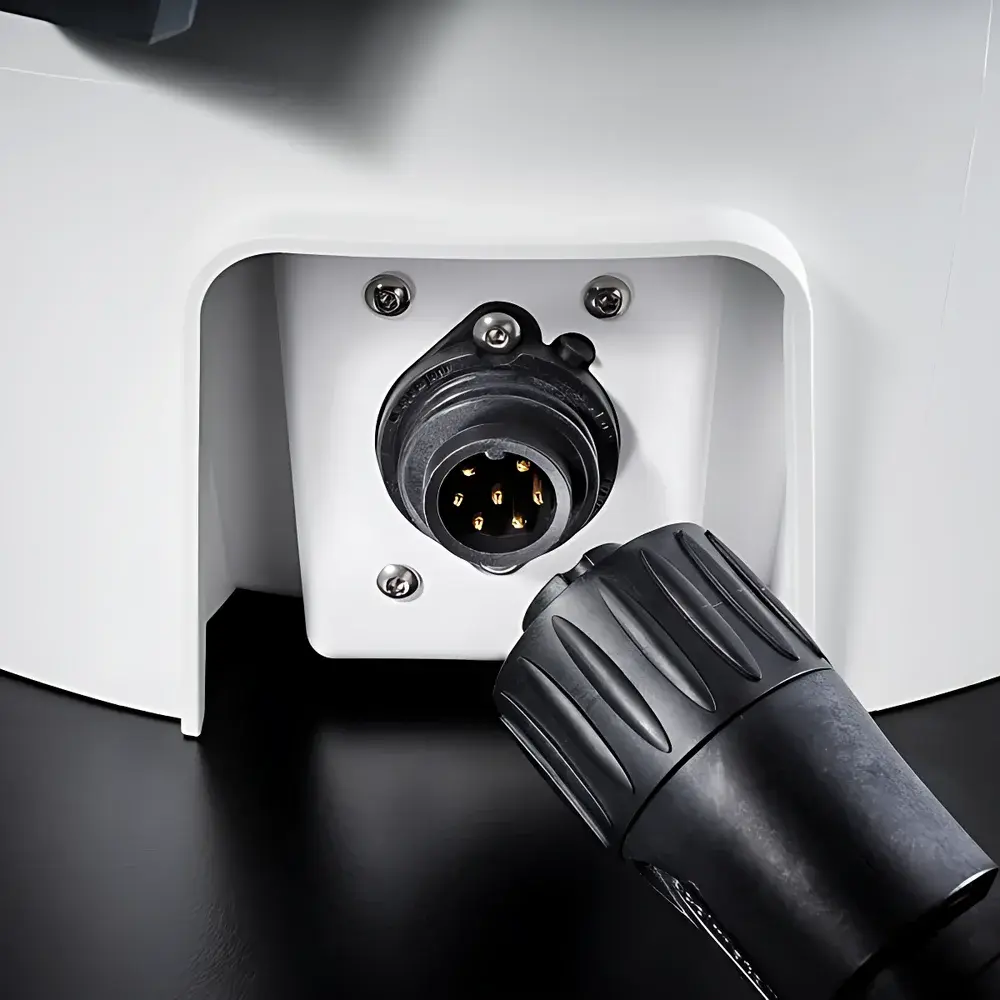
- AISI 316L stainless steel heating bath with double-wall insulation minimizes thermal loss, prevents surface temperatures exceeding safe handling limits, and incorporates an ergonomic safety handle and IP67-rated cable interface for electrical protection in humid or splash-prone environments.
- Over-temperature safety cutoff activates automatically when bath temperature exceeds setpoint by >5 °C, halting power delivery to prevent thermal degradation of samples or glassware.
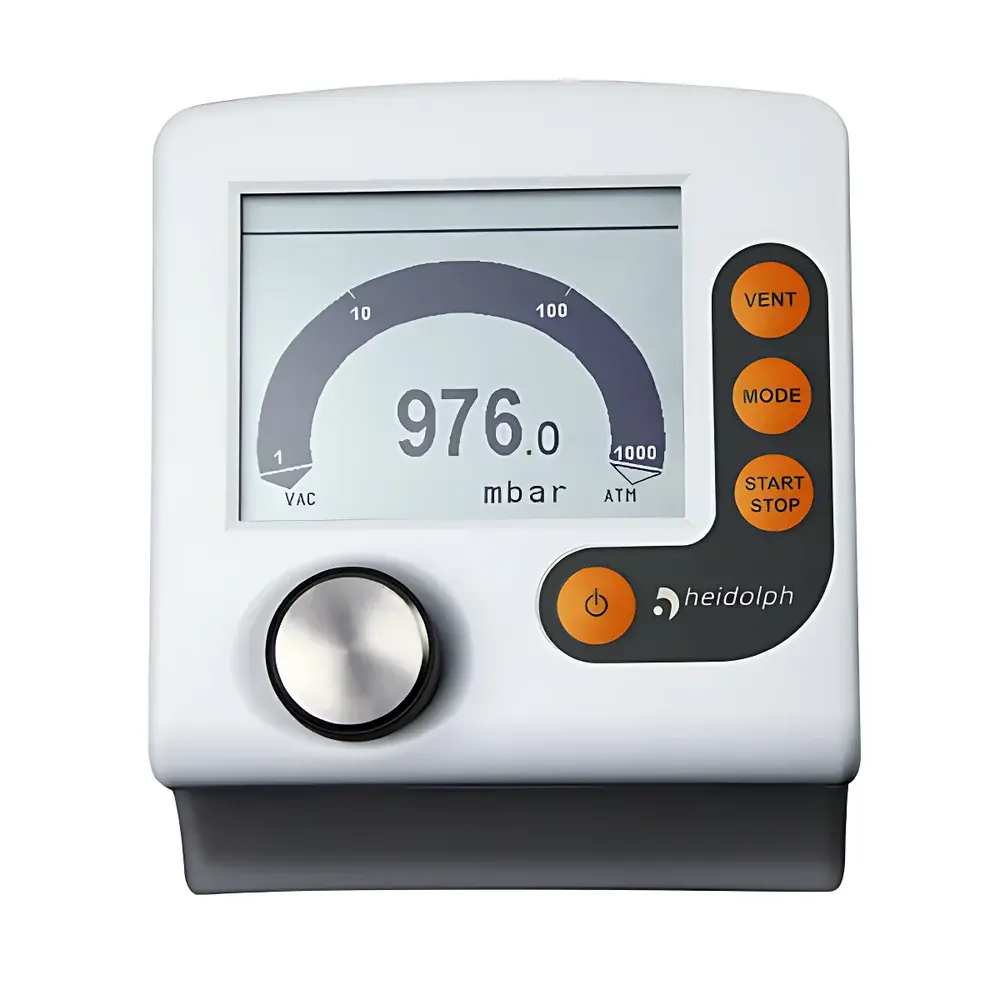
- Intuitive 3.5-inch LED control panel displays real-time rotation speed, setpoint and actual bath temperature simultaneously; status-indicating ring LEDs provide at-a-glance operational feedback.
- Detachable control module with extended cable allows remote operation outside fume hoods—essential for operator safety during prolonged distillations involving volatile or toxic solvents.
- Ergonomic design elements include patented evaporator tube bushing (EP2213352 B1) preventing adhesion to the drive shaft, quick-release flask clamping mechanism (EP2213353 B1), and anti-siphon condenser geometry to eliminate backflow contamination.
Sample Compatibility & Compliance
The Hei-VAP Core accommodates standard ground-glass jointed glassware (ISO 297, ISO 3805) from 50 mL to 5 L capacity, including round-bottom flasks, receiving flasks, and vertical/horizontal condensers. Its vacuum integrity and thermal uniformity meet requirements for ASTM E2408 (standard practice for rotary evaporation of organic extracts) and support method validation per USP and ICH Q5C guidelines. The system’s electrical design complies with IEC 61010-1 (safety requirements for laboratory equipment), while its sealed electronics and corrosion-resistant materials align with ISO 14644-1 Class 7 cleanroom compatibility when installed with appropriate ventilation. Optional integration with Heidolph’s AutoDistil module enables 24/7 unattended operation under validated GMP conditions, including audit-trail-capable event logging per FDA 21 CFR Part 11.
Software & Data Management
While the base Hei-VAP Core operates via standalone hardware controls, it is fully compatible with Heidolph’s optional AutoDistil automation platform. This module adds programmable sensor-driven or time-based distillation logic—including automatic feed replenishment, condensate drainage, and residue evacuation—with configurable thresholds for weight, temperature, or vacuum level. All operational events (start/stop times, parameter deviations, safety interventions) are timestamped and stored locally; data export is supported via USB or RS232 for traceability in regulated QA/QC workflows. The unified controller includes emergency shutdown protocols that de-energize all subsystems upon fault detection, satisfying risk mitigation requirements outlined in ISO 14971.
Applications
- Solvent recovery and concentration in natural product isolation (e.g., plant extracts, essential oils)
- Removal of low-boiling solvents (e.g., dichloromethane, ethyl acetate, hexane) prior to HPLC or GC analysis
- Lyophilization pre-concentration steps in biopharmaceutical formulation development
- High-throughput parallel evaporation in combinatorial chemistry labs using multi-position adapters
- Scale-up feasibility studies bridging benchtop (50–500 mL) and pilot-scale (2–5 L) evaporation protocols
- Environmental testing labs performing EPA Method 3510C (separation of analytes via rotary evaporation)
FAQ
What vacuum level can the Hei-VAP Core achieve, and which vacuum pumps are recommended?
The system achieves a minimum pressure of 2 mbar when paired with a diaphragm pump rated for ≤2 mbar ultimate vacuum and equipped with a cold trap.
Is the heating bath compatible with silicone oil or water as heat transfer media?
Yes—the AISI 316L bath is chemically inert and thermally stable for use with water (up to 100 °C), silicone oil (up to 210 °C), or other high-boiling heat transfer fluids meeting DIN 51502 specifications.
Can the Hei-VAP Core be integrated into a LabVIEW or Python-controlled automation framework?
Via optional RS232 or analog I/O modules, third-party software can monitor and command basic functions (rotation start/stop, bath setpoint adjustment); full AutoDistil interoperability requires Heidolph’s proprietary control interface.
Does the system support GLP-compliant electronic record keeping?
When operated with the AutoDistil module and configured with password-protected user roles, it provides tamper-evident audit trails, electronic signatures, and exportable CSV logs compliant with ALCOA+ principles.
What maintenance intervals are recommended for long-term reliability?
PTFE/FKM seals should be inspected every 6 months; heating bath fluid replaced annually; vacuum tubing checked for permeation quarterly—full service intervals follow Heidolph’s DIN-certified maintenance schedule included in the technical documentation package.



