
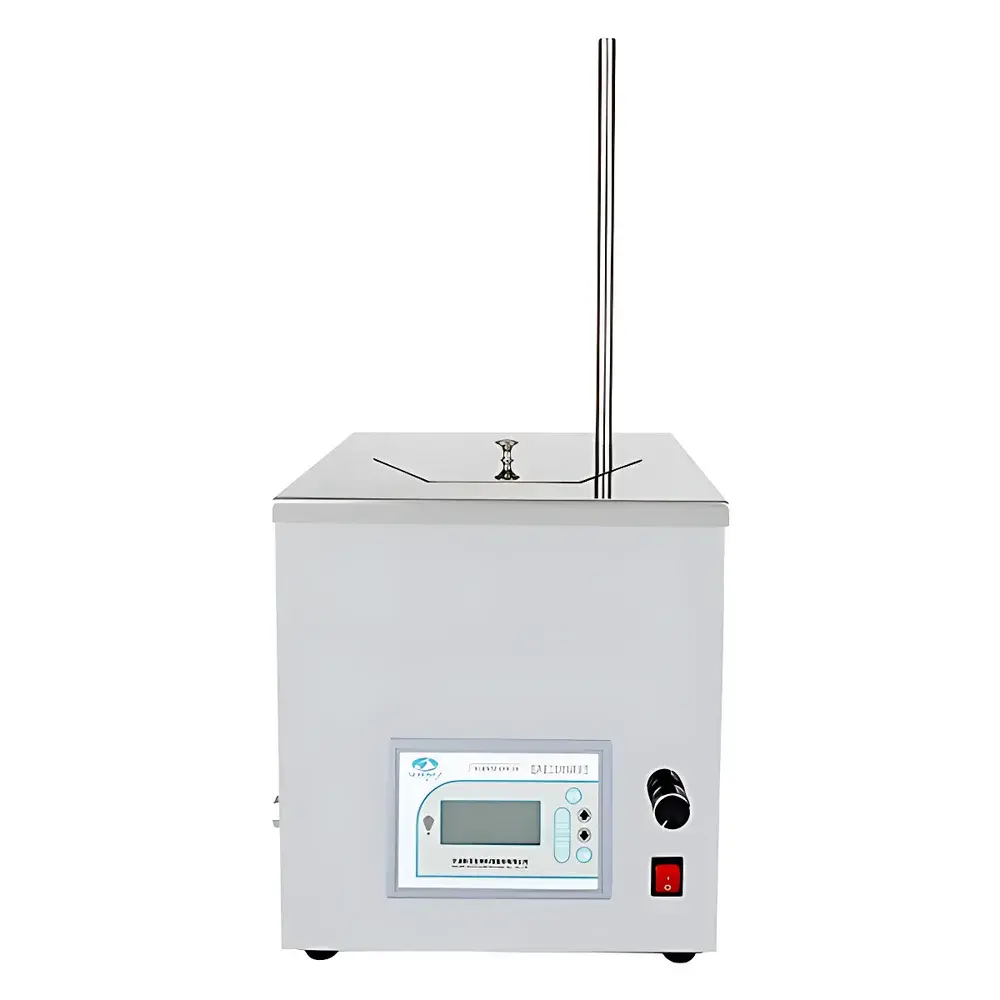
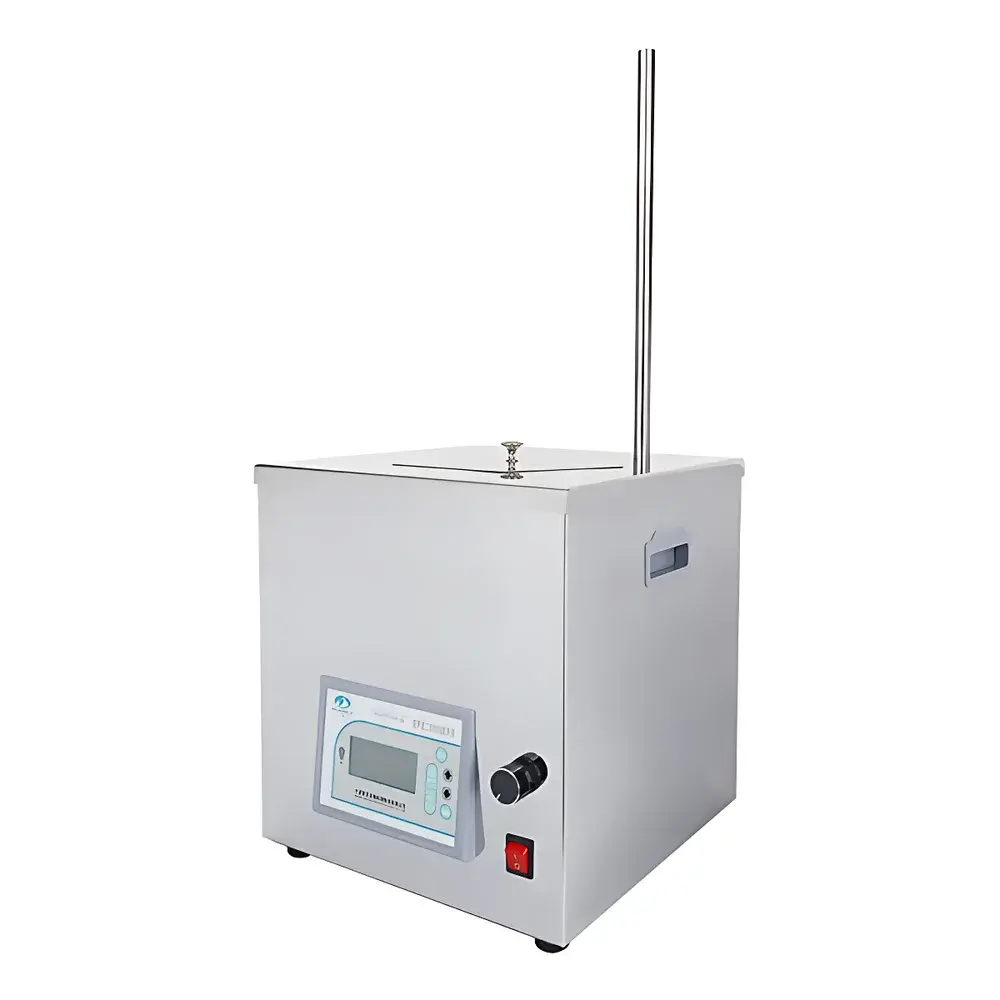
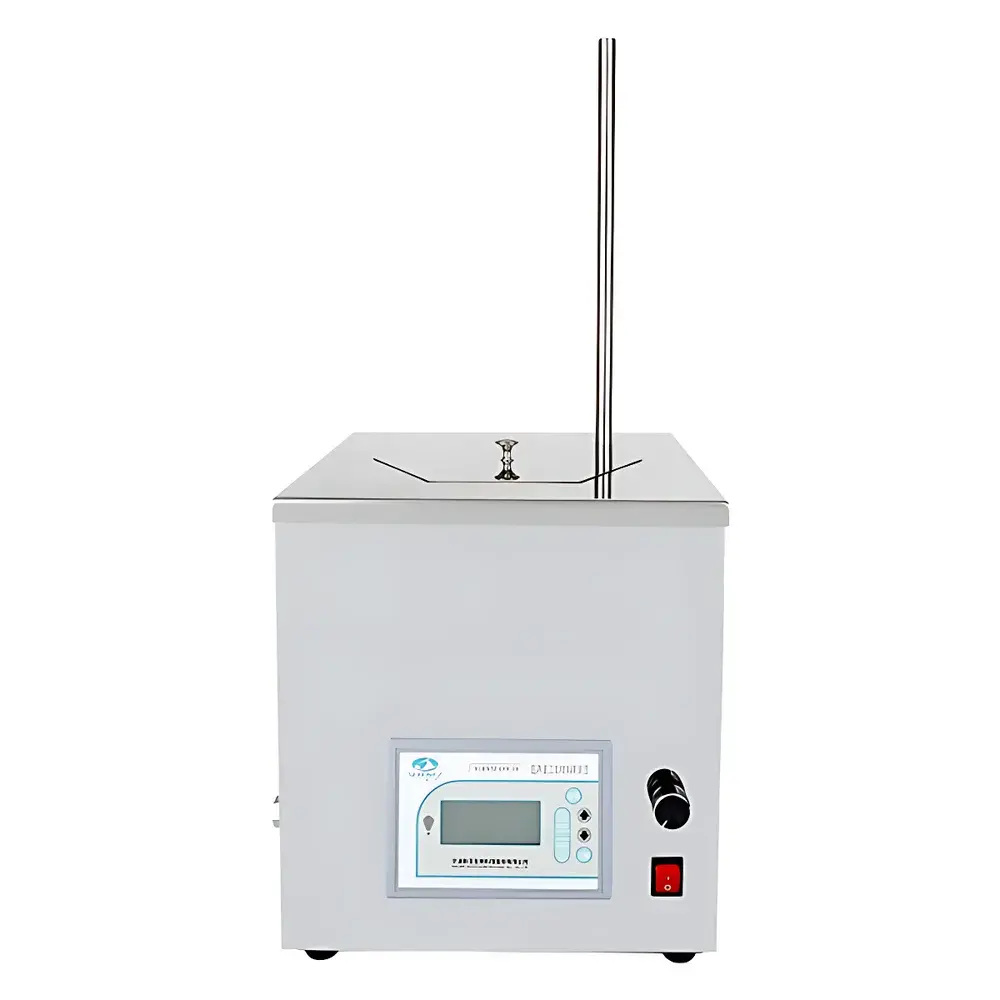
Ningbo Scientz SCIENTZ-CHF-5A Ultrasonic Exfoliation System for 2D Materials
| Brand | Ningbo Scientz |
|---|---|
| Origin | Zhejiang, China |
| Manufacturer Type | Original Equipment Manufacturer (OEM) |
| Product Origin | Domestic (China) |
| Model | SCIENTZ-CHF-5A |
| Pricing | Upon Request |
Overview
The Ningbo Scientz SCIENTZ-CHF-5A Ultrasonic Exfoliation System is an engineered platform designed specifically for the controlled, non-destructive liquid-phase exfoliation of layered crystalline materials—most notably graphene, transition metal dichalcogenides (e.g., MoS₂, WS₂), hexagonal boron nitride (h-BN), and black phosphorus. It operates on the physical principle of acoustic cavitation in dispersant media (e.g., NMP, IPA, water with surfactants), where high-frequency ultrasonic energy (typically 20–40 kHz) induces transient microbubble formation and asymmetric collapse near the surface of bulk layered crystals. This collapse generates localized microjets (>100 m/s) and shear forces sufficient to overcome van der Waals interlayer binding energy—enabling progressive delamination without lattice distortion or chemical functionalization. Unlike probe-type sonicators that risk sample contamination and thermal degradation, the SCIENTZ-CHF-5A employs a bath-coupled transducer architecture with optimized frequency stability and uniform energy distribution across the chamber volume, ensuring reproducible monolayer yield and narrow thickness distribution.
Key Features
- Integrated ultrasonic bath with digitally regulated 20 kHz transduction, delivering stable acoustic output over extended operation cycles (up to 999 min continuous or cyclic mode)
- Programmable control interface: independent adjustment of ultrasonic duration, pause interval, total cycle count, and RMS power output (10–100% full scale)
- Real-time monitoring of bath temperature (range: 0–80 °C) with Peltier-assisted cooling and PID feedback regulation to suppress thermal aggregation
- 7-inch high-contrast LCD touchscreen with intuitive GUI supporting multi-step protocol storage (≥10 user-defined methods)
- Modular mechanical design: detachable ultrasonic tank, independent cooling unit, and removable sample holder tray for rapid cleaning and cross-contamination prevention
- Corrosion-resistant construction: 316L stainless steel tank interior, anodized aluminum housing, and chemically inert gasket materials compatible with organic solvents and aqueous surfactant systems
Sample Compatibility & Compliance
The SCIENTZ-CHF-5A supports exfoliation of diverse layered substrates—including graphite, MoS₂, Bi₂Se₃, TaS₂, and CaFe₂As₂—in common dispersion media such as N-methyl-2-pyrrolidone (NMP), isopropanol (IPA), dimethylformamide (DMF), and sodium cholate/water solutions. Its operational parameters align with standard laboratory protocols referenced in ASTM D7852-19 (Standard Guide for Preparation of Graphene Dispersions) and ISO/IEC 17025:2017 requirements for instrument calibration traceability. While not certified for GMP manufacturing environments, the system’s data logging capability—including timestamped parameter records and temperature history—supports GLP-compliant documentation for academic and industrial R&D workflows. All electrical components meet CE safety directives (EN 61000-6-3, EN 61000-6-4), and acoustic emissions comply with ISO 9614-1 for laboratory noise classification.
Software & Data Management
The embedded microcontroller firmware enables full audit-trail functionality: each exfoliation run automatically saves configuration metadata (power setting, duration, temperature setpoint, real-time thermal profile) to internal flash memory. Export is supported via USB 2.0 port in CSV format for post-processing in MATLAB, OriginLab, or Python-based analysis pipelines. No proprietary software installation is required; raw logs are human-readable and compatible with LIMS integration via third-party middleware. The system does not implement FDA 21 CFR Part 11 electronic signature controls, but timestamped, immutable log files satisfy basic data integrity requirements for peer-reviewed publication and internal technical reporting.
Applications
- Preparative-scale production of few-layer and monolayer nanosheets for ink formulation (flexible electronics, printed sensors)
- Routine quality control of flake size distribution and lateral dimension homogeneity prior to thin-film deposition (spin-coating, vacuum filtration)
- Comparative study of solvent–substrate interaction energy during exfoliation kinetics (via time-resolved UV-Vis absorbance tracking)
- Development of hybrid dispersions (e.g., graphene–polymer, MoS₂–cellulose nanocrystal) requiring gentle yet effective deagglomeration
- Teaching laboratories: demonstration of bottom-up nanomaterial synthesis principles aligned with undergraduate materials science curricula
FAQ
What is the maximum recommended sample volume per batch?
The standard tank accommodates up to 500 mL of dispersion medium; optimal exfoliation efficiency is achieved at 200–400 mL fill level with 10–50 mg of starting material.
Can the system be used with aggressive solvents like chloroform or DMF?
Yes—provided appropriate personal protective equipment and fume hood ventilation are employed; all wetted parts are chemically resistant to halogenated and polar aprotic solvents.
Is external temperature control (e.g., recirculating chiller) supported?
The built-in Peltier cooler maintains bath temperature within ±1.5 °C of setpoint; for sub-0 °C operation or high-heat-load scenarios, optional external chiller integration is available via threaded coolant port.
How is reproducibility ensured across multiple users or labs?
Protocol locking, password-protected method editing, and exportable parameter logs enable strict SOP adherence and inter-laboratory method transfer validation.
Does the device include calibration certification?
Each unit ships with a factory calibration report for temperature sensor and power output verification, traceable to national metrology standards; annual recalibration services are available through authorized Scientz service centers.



