
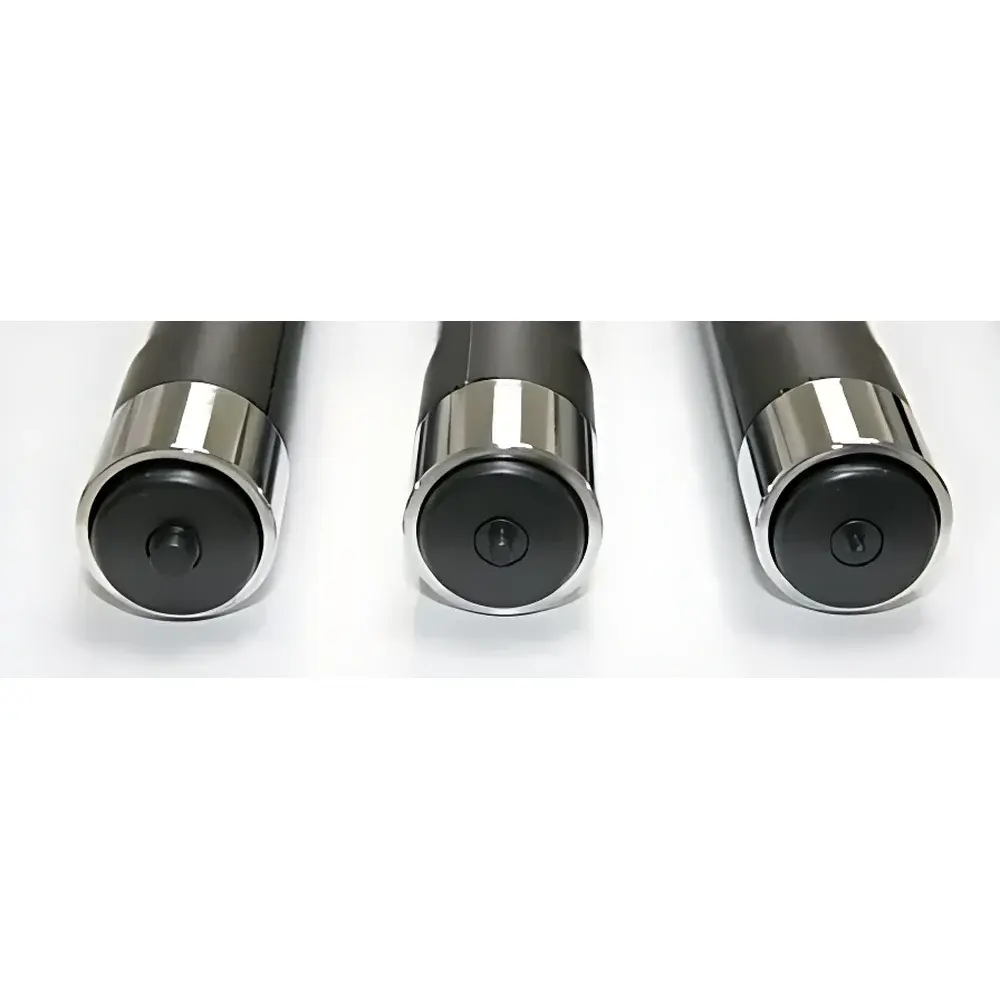
CK IDM 800 Skin Density and Softness Probe
| Brand | CK |
|---|---|
| Origin | Germany |
| Distributor Type | Authorized Distributor |
| Origin Category | Imported |
| Model | IDM 800 |
| Pricing | Upon Request |
Overview
The CK IDM 800 Skin Density and Softness Probe is a precision mechanical indentation instrument engineered for quantitative, non-invasive assessment of tissue mechanical compliance. It operates on the fundamental principle of controlled axial indentation: a calibrated spring-loaded probe applies a defined, repeatable normal force to the sample surface, and the resulting displacement (penetration depth) of the indenter tip is measured with high-resolution linear position sensing. According to Hertzian contact mechanics and empirical biomechanical models, the inverse relationship between penetration depth and material resistance enables derivation of relative density, stiffness, and softness indices—parameters directly correlated with extracellular matrix integrity, collagen density, and epidermal-dermal cohesion. Designed specifically for human skin but validated across heterogeneous soft materials, the IDM 800 delivers objective, operator-independent metrics essential for translational dermatology, cosmetic science, and biomaterials characterization.
Key Features
- Spring-driven indentation mechanism ensuring consistent, low-velocity loading profiles compliant with ISO 1798 and ASTM D3574 guidelines for soft material testing.
- High-resolution digital displacement sensor (resolution: ≤1 µm) with real-time data acquisition at 100 Hz sampling rate.
- Ergonomic handheld design with integrated trigger actuation and LED status feedback for single-handed operation in clinical or lab settings.
- Modular probe tip geometry (standard 2 mm spherical stainless-steel indenter; optional 1 mm and 5 mm tips available) enabling adaptation to anatomical site variability (e.g., forehead vs. volar forearm).
- Zero-drift thermal compensation algorithm minimizing measurement drift during extended sessions (>30 min) across ambient temperature ranges (15–30 °C).
- CE-marked medical device (Class I, Annex II) and compliant with IEC 61000-4 electromagnetic immunity standards.
Sample Compatibility & Compliance
The IDM 800 is validated for use on intact human skin (face, neck, arms, abdomen), ex vivo tissue specimens (e.g., split-thickness skin grafts), and synthetic analogues including silicone-based skin phantoms (e.g., Viscotek SKIN-1 series). Its mechanical range accommodates samples with elastic moduli from 5 kPa (e.g., edematous or aged skin) to 120 kPa (e.g., scleroderma-affected dermis or dense hydrogels). For non-biological applications, it supports comparative softness evaluation of textiles (woven/nonwoven fabrics), elastomeric polymers (TPU, silicone rubber), and semi-solid food matrices (gelatin gels, yogurt). All measurements adhere to Good Laboratory Practice (GLP) documentation requirements, with audit-ready raw displacement vs. time traces exportable in CSV and HDF5 formats.
Software & Data Management
The probe interfaces via USB-C with CK’s proprietary DermSoft v4.2 analysis suite (Windows 10/11 compatible). Software features include automated baseline detection, multi-point spatial mapping (grid mode), inter-session normalization against reference standards, and statistical comparison across cohorts (ANOVA, paired t-test). Data files embed EXIF-style metadata: operator ID, anatomical site code (FDB-2022 ontology), ambient humidity/temperature, and calibration timestamp. Full traceability is maintained per FDA 21 CFR Part 11 requirements, including electronic signatures, user role-based access control, and immutable audit trails for all parameter modifications and report generations.
Applications
- Cosmetic efficacy trials: Quantitative substantiation of claims related to skin “firming,” “plumping,” or “density enhancement” under ISO 11609 and COLIPA/ICR guidelines.
- Dermatological research: Objective stratification of fibrotic disorders (e.g., morphea, systemic sclerosis) and monitoring of antifibrotic therapy response.
- Wound healing assessment: Temporal tracking of tensile recovery in burn scars and surgical incisions using standardized indentation protocols (per Wound Repair Regen 2021 consensus).
- Biomaterial development: Benchmarking of dermal substitutes, transdermal patch adhesives, and wearable biosensor substrates against native skin mechanical benchmarks.
- Consumer product R&D: Cross-material softness ranking of baby wipes, sanitary pads, and medical-grade dressings under controlled hydration conditions.
FAQ
Is the IDM 800 suitable for in vivo use on sensitive or compromised skin?
Yes—its sub-100 mN maximum applied force and smooth stainless-steel indenter minimize risk of microtrauma. Clinical studies confirm safety in subjects with mild eczema and post-procedure skin (within 72 h of non-ablative laser treatment).
How frequently does the probe require recalibration?
Annual factory recalibration is recommended; field verification using NIST-traceable polymer standards (CK Calibration Kit SSK-1) is advised before each study day.
Can data be exported for integration with LIMS or SAS platforms?
Yes—CSV exports include ISO/IEC 17025-compliant uncertainty estimates, and REST API support enables direct ingestion into enterprise analytics environments.
Does the system support longitudinal tracking across multiple visits?
Yes—DermSoft v4.2 includes patient-centric ID management, automatic session alignment by anatomical landmark registration, and delta-change reporting aligned with ICH E9 statistical principles.




