
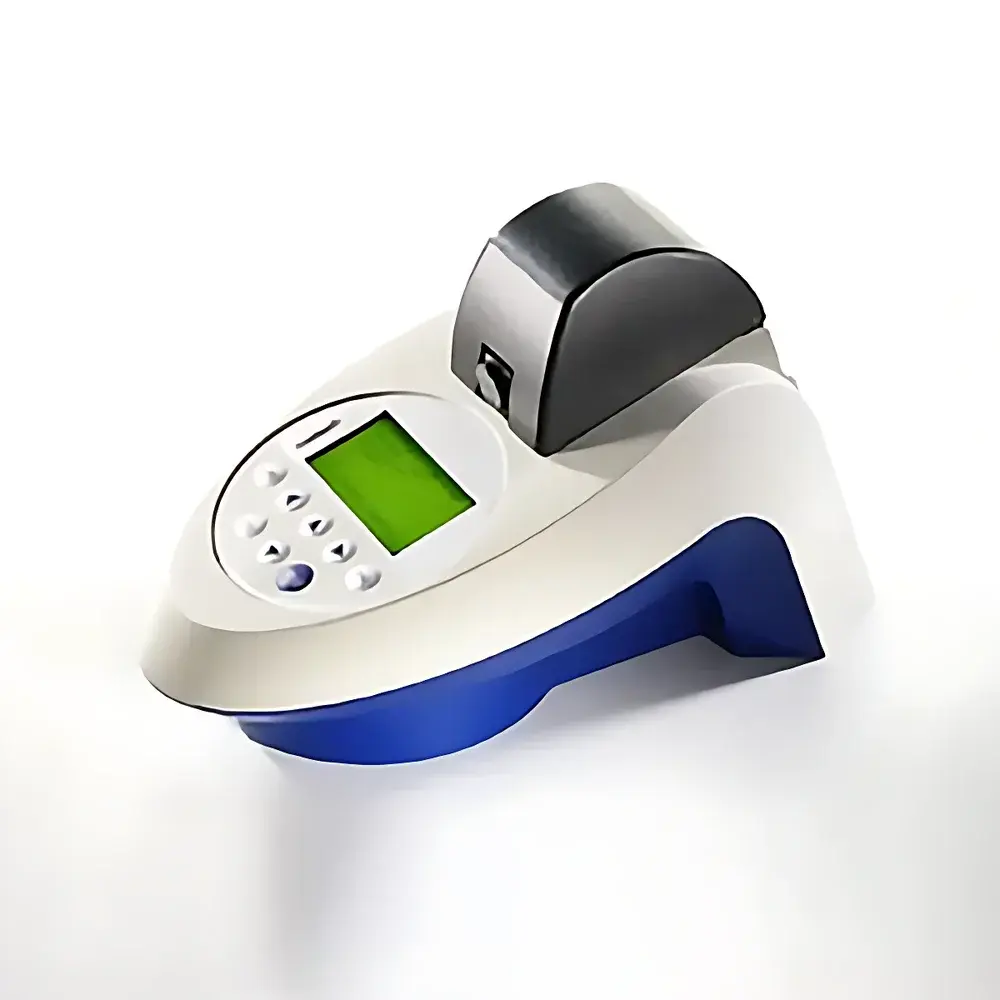
microLAN TOX mini Portable Bioluminescence Toxicity Analyzer
| Brand | microLAN |
|---|---|
| Origin | Netherlands |
| Model | TOX mini |
| Instrument Type | Portable |
| Biological Indicator | Aliivibrio fischeri (formerly Vibrio fischeri) |
| Operating Temperature | 15–30 °C |
| Reagent Storage & Use Temperature | 15–30 °C |
| Detection Principle | Bioluminescence Inhibition Assay |
| Compliance | EN ISO 11348-3 |
| Detector | Ultrafast Single-Photon Counting Photomultiplier Tube (PMT) |
| Wavelength Range | 380–630 nm |
| Data Storage Capacity | 2000 measurements |
| Power Supply | Rechargeable 3×Ni-Cd battery or external AC adapter (230 V/50 Hz or 115 V/60 Hz) |
| Dimensions (H×W×D) | 170×150×280 mm |
| Weight | 2.0 kg (with battery) |
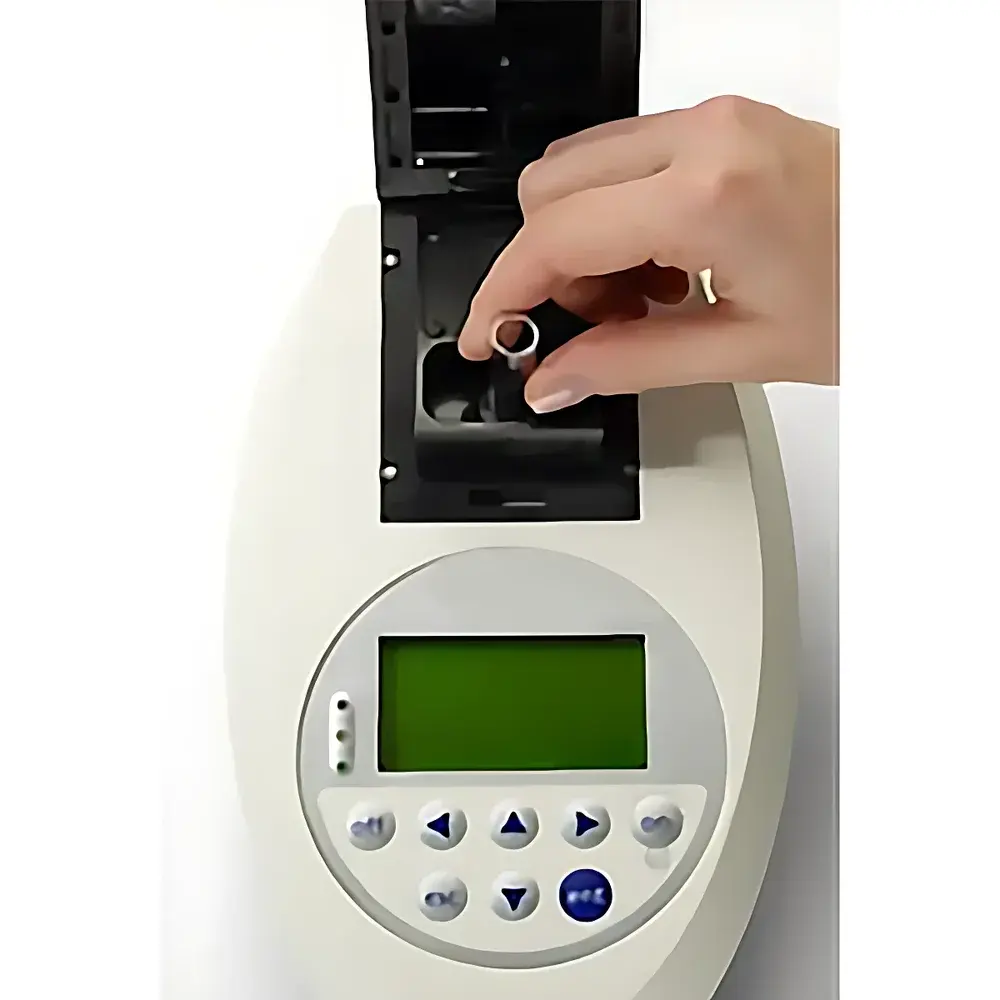
| Sample Vessel | Standard 15 mm diameter × 47–75 mm height test tubes |
| Humidity Range | 10–90 % RH (non-condensing) |
| Onboard Templates | 6 preconfigured toxicity test protocols |
Overview
The microLAN TOX mini Portable Bioluminescence Toxicity Analyzer is a field-deployable, standardized instrument engineered for rapid, quantitative assessment of acute aquatic toxicity in water samples. It implements the internationally validated bioluminescence inhibition assay using the marine bacterium Aliivibrio fischeri, in strict accordance with EN ISO 11348-3 (Water quality — Determination of the inhibitory effect of water samples on the light emission of Vibrio fischeri). The system measures the reduction in endogenous bioluminescence following exposure to toxicants—primarily organic pollutants, heavy metals, pesticides, and disinfection by-products—within 15–30 minutes. Its compact architecture integrates an ultrafast single-photon counting photomultiplier tube (PMT), optimized for high quantum efficiency across the 380–630 nm spectral window where A. fischeri emits light. Unlike chemical sensor-based methods, this biological endpoint reflects integrated physiological stress, offering functional relevance to ecological risk assessment without interference from non-toxic matrix components such as turbidity, color, or dissolved salts.
Key Features
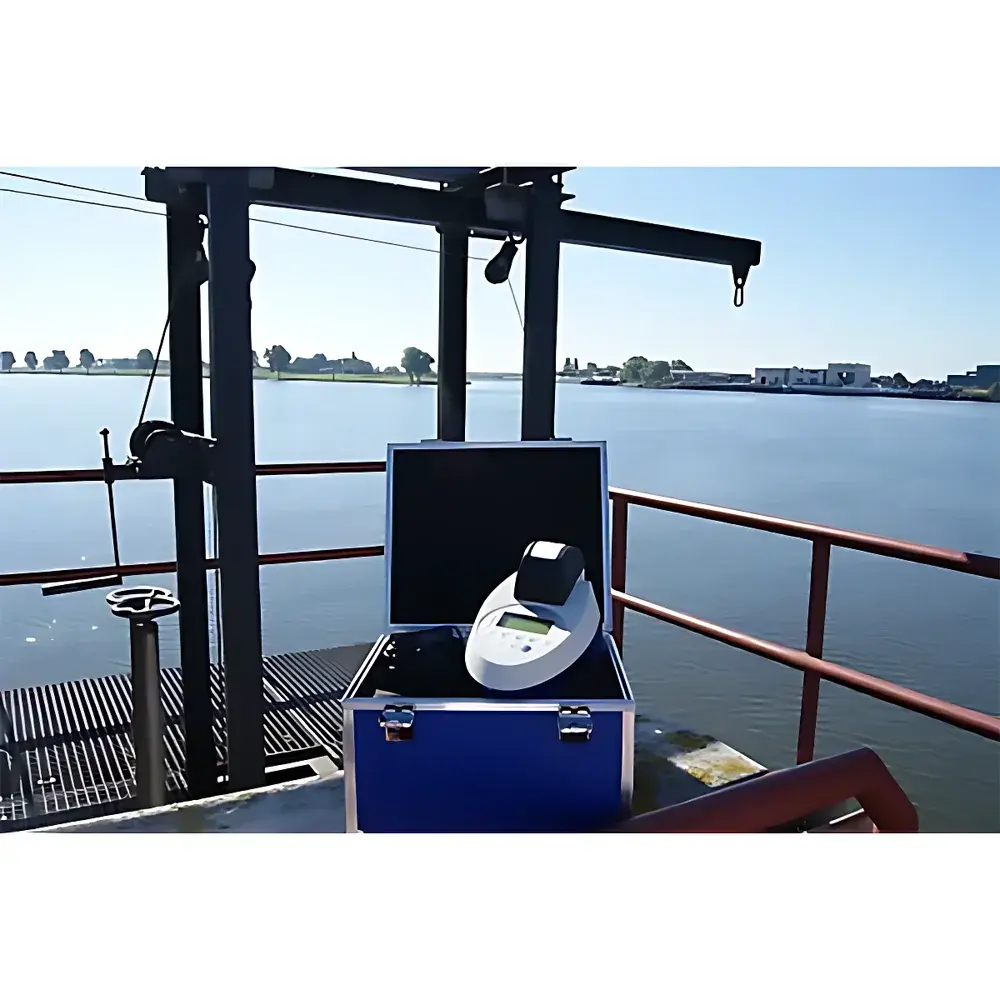
- Portable, battery-operated design (2.0 kg total mass) enabling deployment in laboratories, wastewater treatment plants, drinking water facilities, and emergency response scenarios.
- Onboard microprocessor with six preloaded, user-selectable test templates aligned with common regulatory screening requirements (e.g., raw water intake, effluent compliance, QA/QC verification).
- Integrated data logging supporting up to 2000 complete measurement records—including sample ID, timestamp, inhibition percentage, temperature, and template used—with no external PC required.
- Dual power operation: rechargeable 3×Ni-Cd battery pack (typical runtime >8 hours per charge) or universal AC input (115/230 V, 50/60 Hz).
- Optimized optical path with thermally stabilized PMT and low-noise electronics ensuring reproducible detection down to ≤1% inhibition at 95% confidence level under controlled conditions.
- Robust mechanical housing rated for operation in ambient humidity of 10–90% RH (non-condensing) and temperature range of 15–30 °C—matching optimal viability conditions for A. fischeri reagents.
Sample Compatibility & Compliance
The TOX mini accepts standard 15 mm diameter glass or plastic test tubes (height 47–75 mm), compatible with commercially available freeze-dried or lyophilized A. fischeri reagent kits certified to EN ISO 11348-3. It supports direct analysis of raw surface water, treated drinking water, municipal and industrial wastewater, process water in food manufacturing, and laboratory-prepared reference toxicant solutions. No filtration or dilution is required for most samples, though highly turbid or colored matrices may benefit from centrifugation per standard method guidance. All assays are traceable to certified reference materials and support GLP-compliant documentation when paired with TOXview software. The instrument itself does not require calibration against physical standards; instead, performance verification is conducted via daily control tests using sodium dichromate or phenol reference solutions per ISO 11348 validation protocols.
Software & Data Management
Instrument configuration and real-time monitoring are managed via TOXcontrol Engine software (Windows 7+ compatible), which provides full remote control over test initiation, template selection, parameter adjustment (e.g., integration time, delay before measurement), and status diagnostics. TOXview serves as the dedicated data repository and analysis engine: it imports measurement logs via RS-232 interface, applies user-defined alarm thresholds (e.g., ≥20% inhibition triggers Level 1 alert), calculates EC50 values using probit or logistic regression models, and generates export-ready reports compliant with internal QA procedures. All data entries include immutable timestamps, operator IDs, and audit trail metadata—supporting adherence to FDA 21 CFR Part 11 principles when configured with electronic signature modules. Historical datasets can be cross-referenced with online TOXcontrol systems for offline validation of continuous monitoring results.
Applications
- Routine intake water monitoring at municipal drinking water facilities to detect accidental or intentional contamination events.
- Process water safety assurance in beverage, dairy, and pharmaceutical production lines where microbiological or chemical contamination must be ruled out prior to use.
- Compliance verification of wastewater discharge permits, particularly where whole-effluent toxicity (WET) testing is mandated under national environmental regulations.
- Field-based emergency response during chemical spills, pipeline ruptures, or natural disasters—providing actionable toxicity data within 30 minutes of sample collection.
- Quality assurance of bacterial reagents and test kits through periodic sensitivity verification using standardized toxicants.
- Bridging offline laboratory testing with online TOXcontrol installations for method correlation studies and instrument performance audits.
FAQ
What biological indicator does the TOX mini use, and is it certified to international standards?
The TOX mini employs freeze-dried Aliivibrio fischeri (formerly Vibrio fischeri) cells, fully compliant with EN ISO 11348-3 for acute toxicity determination in aqueous samples.
Can the TOX mini operate without a computer in the field?
Yes—the instrument performs autonomous measurements, displays real-time inhibition percentages on its built-in LCD, and stores all results internally (up to 2000 records) without requiring external hardware.
How is data integrity ensured during long-term deployments?
Each stored record includes embedded environmental metadata (temperature, timestamp, template ID) and supports cryptographic hashing when exported via TOXview, satisfying traceability requirements for regulatory reporting.
Is the TOX mini suitable for regulatory reporting under EPA or EU directives?
While the TOX mini itself is not a certified reference method, its methodology aligns with OECD 201 and EN ISO 11348-3, and results are admissible as screening-level evidence in tiered risk assessment frameworks when documented under defined QA/QC protocols.
What maintenance is required for sustained accuracy?
Routine verification involves daily control tests with reference toxicants; PMT gain stability is monitored automatically during startup, and no optical recalibration is needed under normal operating conditions.







