
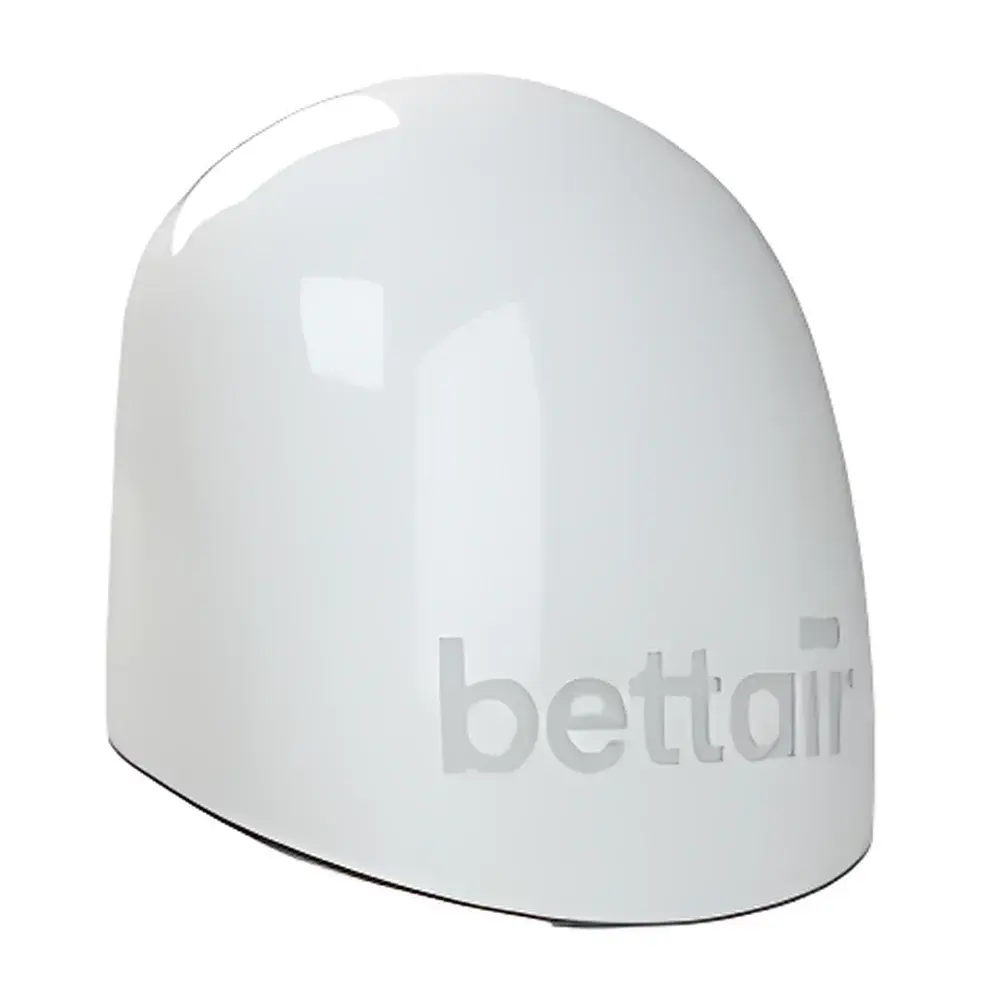
Bettair NODE MK2 Automatic Air Quality Monitoring System
| Brand | Bettair |
|---|---|
| Origin | Spain |
| Model | NODE MK2 |
| Pollutants Measured | NO, NO₂, SO₂, CO, O₃, H₂S, VOC, NH₃, CO₂, PM₁₀, PM₂.₅, PM₁, Noise, Temperature, Relative Humidity, Atmospheric Pressure |
| Enclosure Rating | IP65 (main unit), IP54 (sensor module) |
| Power Supply | 6–30 V DC or 110–220 V AC / 50–60 Hz |
| Avg. Power Consumption | 0.8 W |
| UPS Backup | 7.2 V / 7 Ah Li-ion (5-day autonomy) |
| Communication | LTE Cat 1 (4G), LoRaWAN (868/915 MHz), Ethernet 10/100 Mbps |
| Operating Temperature | −40 to +85 °C |
| Operating RH | 0–100% (0–65 °C), 0–85% (65–85 °C) |
| Barometric Range | 300–1500 hPa |
Overview
The Bettair NODE MK2 Automatic Air Quality Monitoring System is a compact, field-deployable environmental sensor platform engineered for high-fidelity, multi-parameter ambient air quality assessment. Utilizing electrochemical, metal-oxide semiconductor (MOS), non-dispersive infrared (NDIR), and laser scattering measurement principles, the NODE MK2 simultaneously quantifies gaseous pollutants (NO, NO₂, SO₂, CO, O₃, H₂S, NH₃, CO₂, and total VOCs), respirable particulate matter (PM₁, PM₂.₅, PM₁₀), and meteorological parameters (temperature, relative humidity, barometric pressure, and acoustic noise). Designed for long-term unattended operation in urban, industrial, and rural environments, the system delivers ppb-level detection limits and maintains metrological stability across variable climatic conditions through proprietary drift-compensation algorithms—validated against reference-grade monitoring stations per EN 14625, EN 14626, and ISO 20581-1. Its architecture supports regulatory-grade data continuity without routine calibration intervention over a two-year operational lifespan.
Key Features
- Integrated multi-sensor module housing up to 12 simultaneous measurements—including PM₁/PM₂.₅/PM₁₀, CO₂, noise, temperature, RH, and pressure—with optional expansion to six additional trace gases (NO, NO₂, SO₂, CO, O₃, H₂S, NH₃, or VOC)
- Ultra-low-power design (<0.8 W average) enabling deployment via PoE, solar panel (20 W compatible), or AC/DC mains; includes integrated 4-cell 7.2 V / 7 Ah Li-ion UPS providing ≥120 hours of continuous operation during grid failure
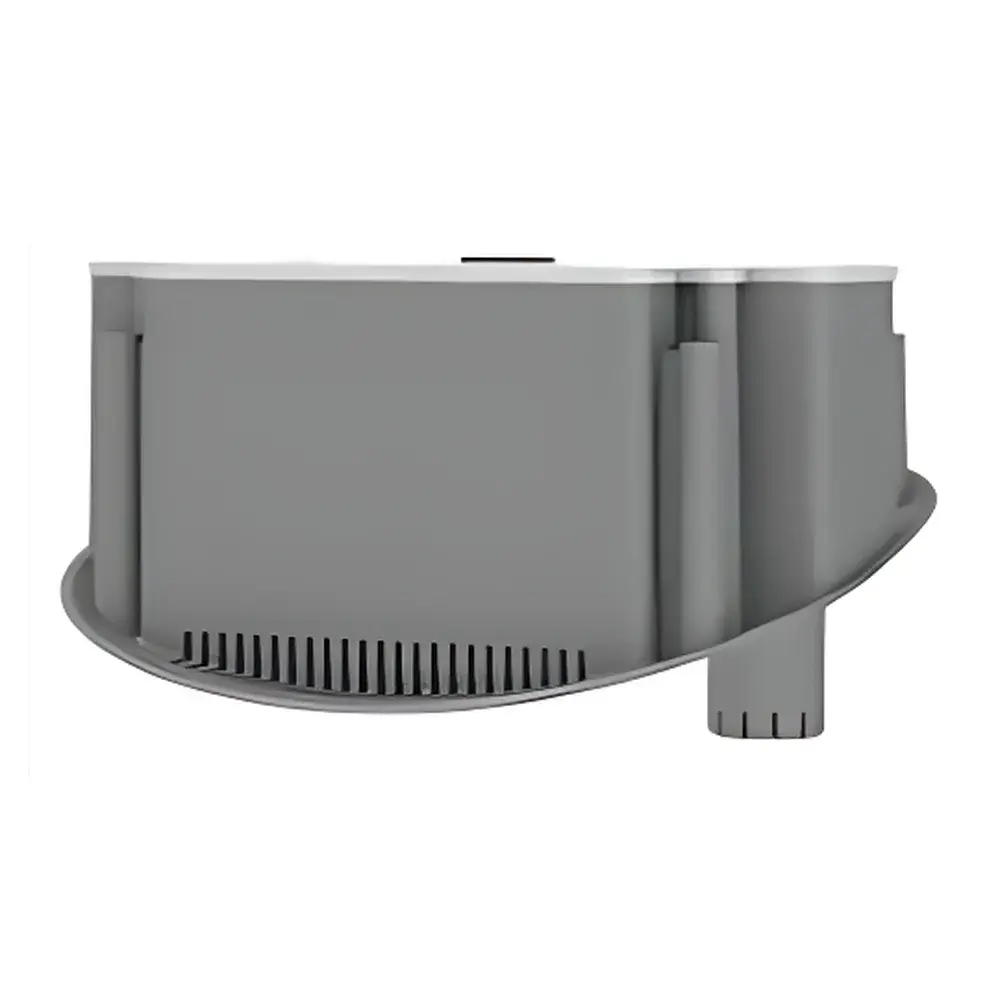
- Modular sensor cartridge with IP54-rated enclosure—field-replaceable as a single unit at end-of-life (24 months), eliminating individual sensor recalibration or cleaning procedures
- Factory-calibrated traceability to NIST-traceable standards; no user-performed calibration required throughout service life under normal operating conditions
- Dual-mode connectivity: LTE Cat 1 (EMEA & NA bands), LoRaWAN (868/915 MHz), and IEEE 802.3 Ethernet—ensuring robust data transmission in low-infrastructure zones
- Onboard GNSS receiver supporting GPS, GLONASS, Galileo, QZSS, and BeiDou for geotagged measurements and spatial interpolation in dense sensor networks
Sample Compatibility & Compliance
The NODE MK2 is certified for outdoor permanent or semi-permanent installation per IEC 60529 (IP65 main unit, IP54 sensor module) and operates reliably across −40 °C to +85 °C ambient temperatures. It complies with EU Directive 2008/50/EC for ambient air quality assessment and aligns with technical specifications outlined in EN 14625 (O₃), EN 14626 (NO₂), EN 15267-3 (performance verification), and ISO 20581-1 (VOC measurement). Data integrity meets ALCOA+ principles (Attributable, Legible, Contemporaneous, Original, Accurate, Complete, Consistent, Enduring, Available) and supports audit readiness for GLP/GMP-aligned environmental reporting frameworks. Sensor outputs are time-stamped with UTC synchronization and include embedded diagnostic flags for signal validity, saturation, and temperature/humidity compensation status.
Software & Data Management
All measurements are transmitted in real time to the Bettair Cloud Platform—a secure, ISO/IEC 27001-certified infrastructure supporting TLS 1.3 encryption and role-based access control. The platform applies dynamic sensor health modeling using historical environmental metadata (T/RH/pressure) to correct for cross-sensitivity and aging-related signal decay—preserving long-term data comparability without manual intervention. Users access dashboards via browser-based interface: real-time maps, time-series overlays, percentile analytics (e.g., 98th-percentile O₃), regulatory compliance reports (e.g., EU daily/annual limit exceedance logs), and exportable CSV/JSON datasets. A RESTful API enables seamless integration into third-party GIS, SCADA, or municipal environmental management systems. Audit trails record all data modifications, user logins, and configuration changes per FDA 21 CFR Part 11 requirements.
Applications
- High-resolution urban air quality mapping via dense node deployment (e.g., street-level NO₂ gradients near traffic corridors)
- Industrial fence-line monitoring for fugitive emissions tracking (NH₃, H₂S, VOCs) and community exposure assessment
- Long-term trend analysis of PM₂.₅ and O₃ under evolving climate conditions—supporting IPCC AR6-relevant attribution studies
- Real-time public information kiosks and municipal air quality index (AQI) dissemination platforms
- Research-grade validation of satellite-derived aerosol optical depth (AOD) and model boundary conditions (e.g., CAMx, WRF-Chem)
- Compliance monitoring for ISO 14001-certified facilities requiring continuous emission performance indicators (CEPIs)
FAQ
Is the NODE MK2 suitable for regulatory compliance reporting?
Yes—when deployed in accordance with EN 15267-3 verification protocols and integrated into a documented QA/QC framework, its data meets technical acceptance criteria for indicative monitoring under EU Directive 2008/50/EC Annex XI.
How does the system handle sensor drift over time?
Proprietary compensation algorithms continuously adjust raw signals using concurrent T/RH/pressure data and lifetime sensor response models—validated against co-located reference analyzers—to maintain accuracy within ±5% of certified values over 24 months.
Can I integrate NODE MK2 data into my existing environmental management software?
Yes—the open REST API provides authenticated access to real-time streams, historical archives, device metadata, and diagnostic logs in JSON format, supporting direct ingestion into SQL databases, Power BI, or custom Python/R analytics pipelines.
What is the expected maintenance schedule?
Zero scheduled maintenance is required. The sealed sensor cartridge is replaced as one unit after 24 months of operation—or earlier if diagnostics indicate irreversible performance degradation—requiring no tools or technical training.
Does the device support edge computing or local data storage?
No local storage is provided; all data is streamed securely to the cloud. However, firmware updates and configuration changes can be pushed remotely, and offline buffering (up to 72 hours) ensures no data loss during transient network outages.
Related Products







