
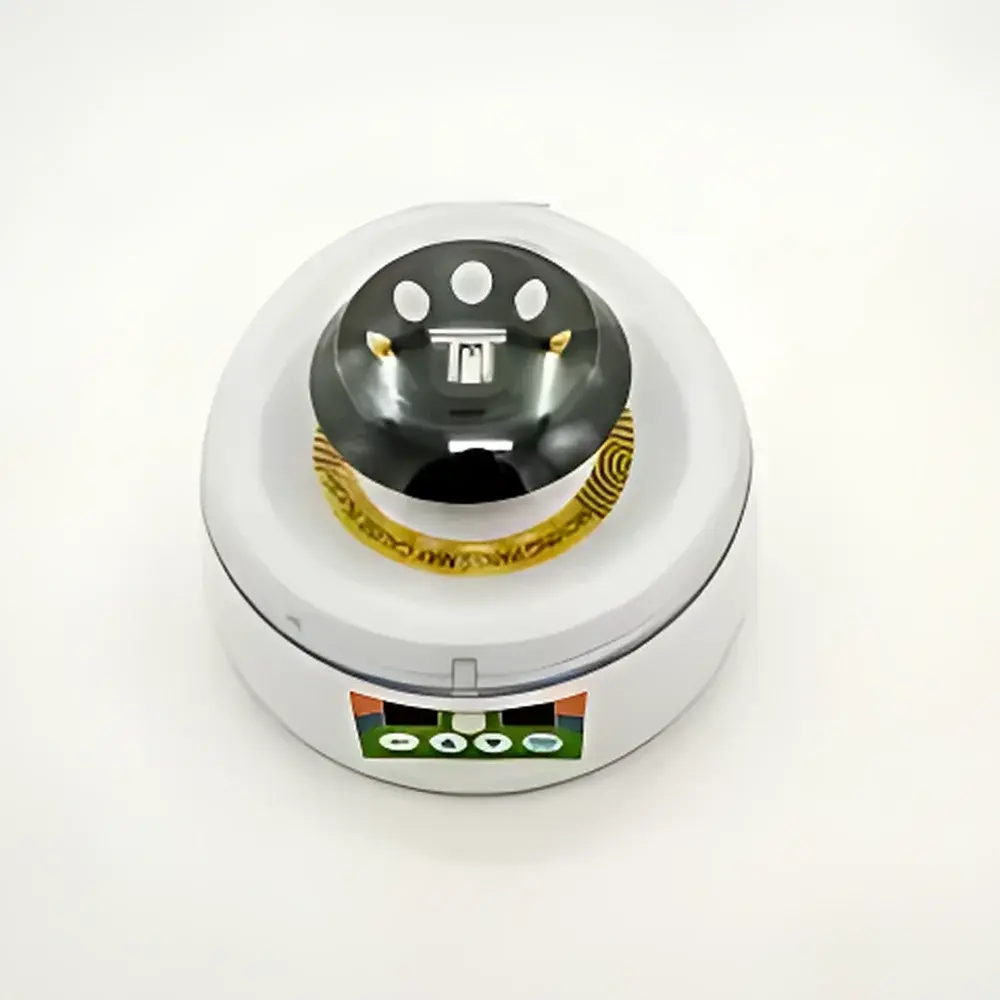
Hanuo Mini-6K Benchtop Microcentrifuge
| Brand | Hanuo |
|---|---|
| Origin | Shanghai, China |
| Model | Mini-6K |
| Instrument Type | Palm-Sized Microcentrifuge |
| Max Speed | 6000 rpm |
| Max RCF | 3000 × g |
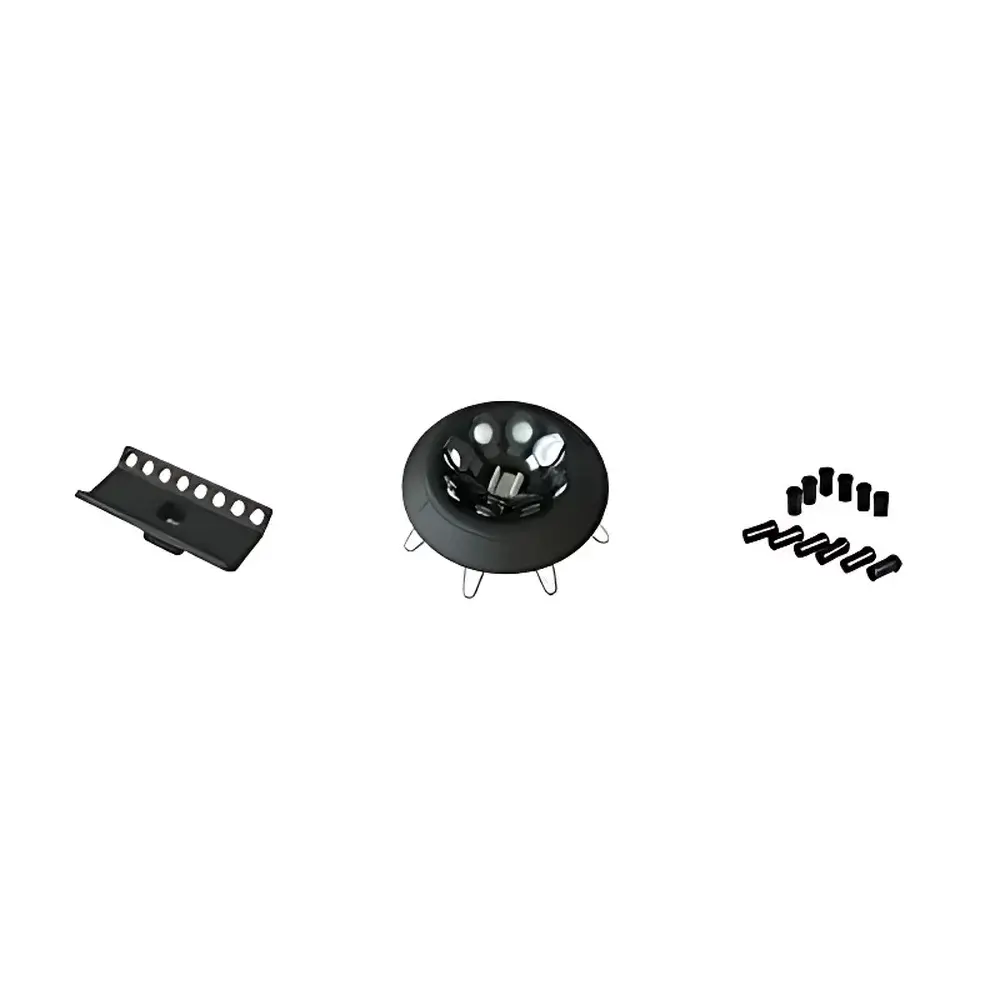
| Max Capacity | 8 × 1.5 mL tubes (also compatible with 0.5 mL, 0.2 mL, and 2 × 8-strip PCR tubes) |
| Dimensions | 175 × 156 × 125 mm |
| Weight | ≤1.5 kg |
| Noise Level | ≤45 dB(A) |
| Power Supply | 220 V / 110 V, 50–60 Hz |
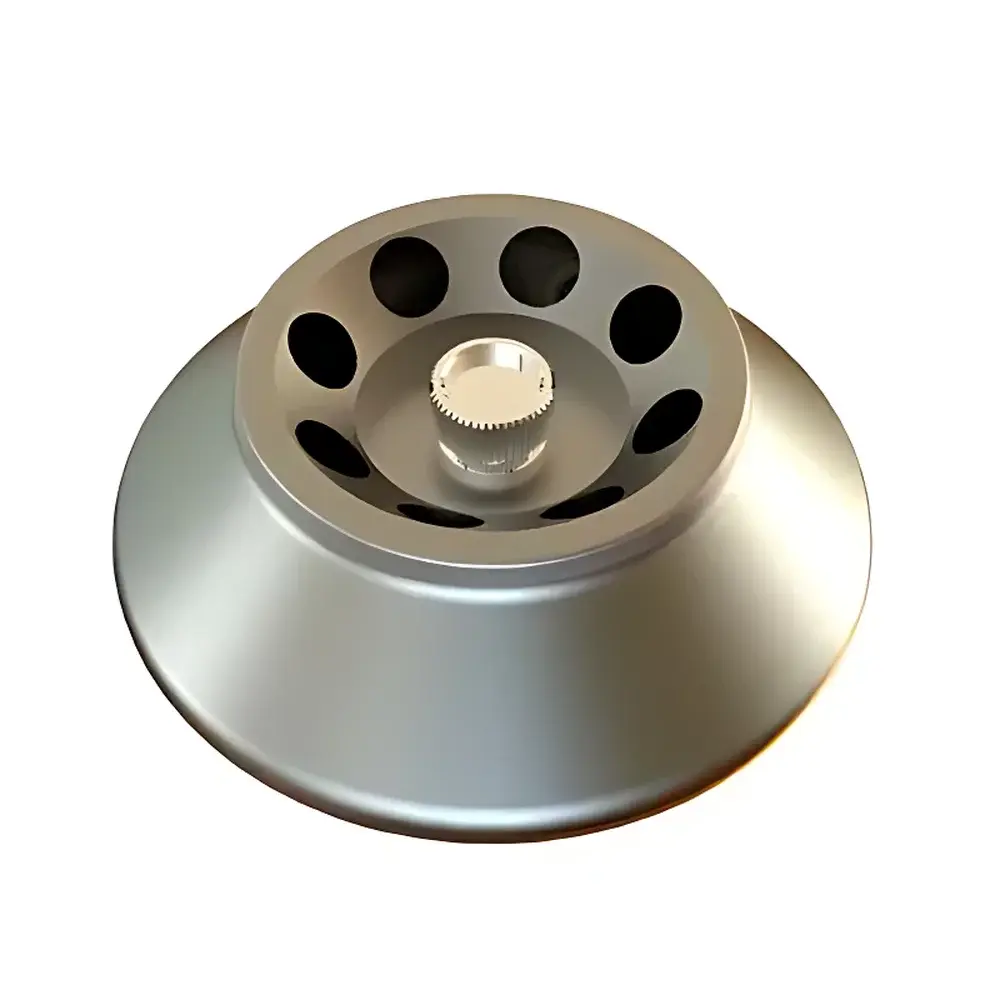
| Rotor Type | Fixed-angle rotor with quick-lock mechanism |
| Lid Safety Interlock | Automatic motor stop upon lid opening |
| Timer Function | Electronic digital timer (model-specific |
| Compliance | Designed for general laboratory use under ISO/IEC 17025-aligned workflows |
Overview
The Hanuo Mini-6K Benchtop Microcentrifuge is a compact, high-reliability centrifugation solution engineered for routine micro-volume sample processing in molecular biology, clinical diagnostics, and quality control laboratories. Operating on the principle of fixed-angle centrifugation, it delivers consistent sedimentation forces up to 3000 × g at a maximum rotational speed of 6000 rpm—sufficient for pelleting cellular debris, precipitating nucleic acids, clarifying lysates, and separating serum from whole blood within standard microcentrifuge tubes. Its low-inertia rotor design and brushless DC motor ensure rapid acceleration (<12 s to full speed) and deceleration (<15 s to stop), minimizing thermal buildup and preserving heat-sensitive analytes. The device complies with IEC 61010-1 safety standards for laboratory electrical equipment and is constructed with flame-retardant ABS housing and precision-machined aluminum rotor assembly for long-term dimensional stability.
Key Features
- Compact footprint (175 × 156 × 125 mm) and lightweight design (≤1.5 kg) enable deployment on crowded benchtops, biosafety cabinets, or mobile lab carts without compromising stability.
- Integrated safety interlock system halts rotation instantly when the transparent polycarbonate lid is opened—no manual braking required—ensuring operator protection during tube loading/unloading.
- Ergonomic lid actuation lever features outward protrusion and 95° automatic hinge release, enabling one-handed operation even while wearing gloves.
- Fixed-angle 8-position rotor employs positive-lock bayonet coupling for tool-free installation and removal; rotor balance tolerance accommodates ±0.1 g mass asymmetry across paired tubes.
- Brushless DC motor delivers maintenance-free operation over ≥20,000 run cycles, with noise emission limited to ≤45 dB(A) at 1 m distance—suitable for quiet environments such as cleanrooms or shared core facilities.
- Digital electronic timer supports programmable run durations from 10 seconds to 99 minutes, with auto-stop functionality and audible end-of-run signal.
Sample Compatibility & Compliance
The Mini-6K accepts standard conical-bottom microcentrifuge tubes (1.5 mL, 0.5 mL, 0.2 mL) and dual-row 8-strip PCR tube formats (2 × 8 × 0.2 mL). Tube compatibility extends to common polypropylene, polyethylene, and PCR-grade materials meeting ASTM D5229 and ISO 10993-5 biocompatibility requirements. While not certified for BSL-3 or aerosol-generating applications, its sealed rotor chamber and smooth internal surfaces facilitate decontamination using 70% ethanol or 0.5% sodium hypochlorite—supporting adherence to CLSI GP26-A4 guidelines for equipment cleaning between runs. The unit’s mechanical design aligns with ISO 13485 manufacturing controls and is routinely deployed in laboratories maintaining ISO/IEC 17025 accreditation for testing procedures involving sample preparation prior to HPLC, qPCR, or ELISA analysis.
Software & Data Management
As a standalone benchtop instrument, the Mini-6K does not incorporate onboard data logging or network connectivity. However, its operational parameters—including set speed, timer value, and actual run duration—are retained across power cycles via non-volatile memory. For regulated environments operating under FDA 21 CFR Part 11 or EU Annex 11 requirements, users may integrate the device into documented workflows by pairing it with external electronic lab notebooks (ELNs) or LIMS systems that capture timestamped metadata (e.g., user ID, sample ID, centrifugation protocol version) manually or via barcode-scanned run logs. Audit trails for maintenance and calibration events should be maintained per GLP Annex 13 recommendations.
Applications
- Routine clarification of cell lysates and bacterial supernatants prior to protein quantification or enzymatic assays.
- Separation of serum or plasma from anticoagulated whole blood specimens in point-of-care or satellite lab settings.
- Concentration of viral particles, exosomes, or extracellular vesicles from low-volume biological fluids (e.g., saliva, CSF).
- Post-PCR cleanup steps including primer dimer removal, enzyme inactivation, and reaction product recovery.
- Pre-analytical processing of environmental swabs or food homogenates prior to microbial culture or DNA extraction.
- Micro-scale solvent extraction workflows where phase separation must be achieved rapidly without emulsion formation.
FAQ
What tube sizes are supported by the Mini-6K rotor?
The standard rotor accommodates eight 1.5 mL tubes, eight 0.5 mL tubes, eight 0.2 mL tubes, or two rows of 8-strip PCR tubes (2 × 8 × 0.2 mL). Adapters are not required.
Is the Mini-6K suitable for centrifuging hazardous samples?
It is intended for use with low-risk biological and chemical samples under BSL-1 or BSL-2 containment conditions. Aerosol-tight sealing is not guaranteed; for infectious agents, a certified Class II biosafety cabinet and sealed rotors are recommended.
Does the Mini-6K support variable speed control?
Yes—speed is adjustable in 100 rpm increments from 1000 to 6000 rpm via front-panel rotary dial, with real-time LED indication of selected speed.
How is calibration verified?
Calibration of rotational speed and timer accuracy should be performed annually using an NIST-traceable tachometer and stopwatch, per ISO/IEC 17025 Clause 6.5. Users must retain calibration records for audit purposes.
Can the rotor be autoclaved?
The aluminum rotor is autoclavable at 121 °C, 15 psi for 20 minutes; however, repeated sterilization may affect surface finish and require periodic visual inspection for pitting or warping.



