
IdeaOptics R3 Reflectance Spectroscopy Measurement System
| Brand | IdeaOptics |
|---|---|
| Origin | Shanghai, China |
| Manufacturer Type | Original Equipment Manufacturer (OEM) |
| Country of Origin | China |
| Model | R3 |
| Pricing | Available Upon Request |
Overview
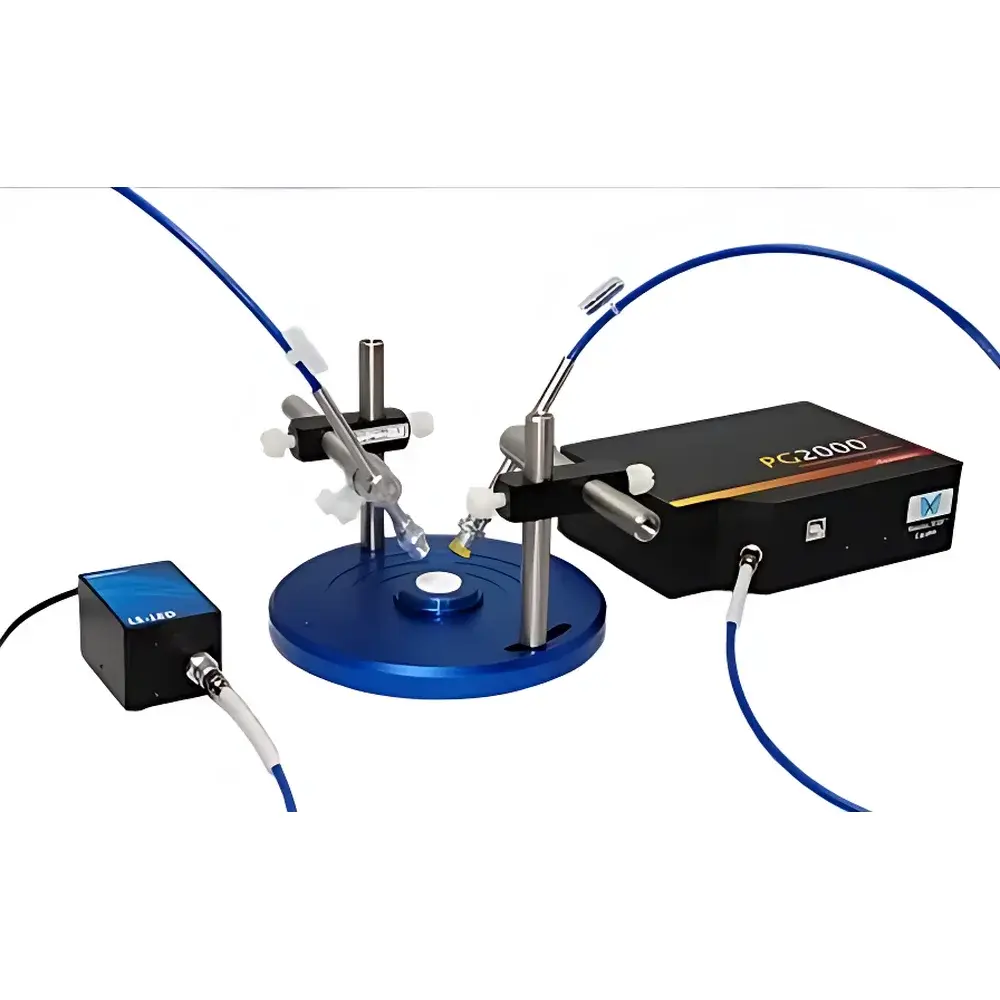
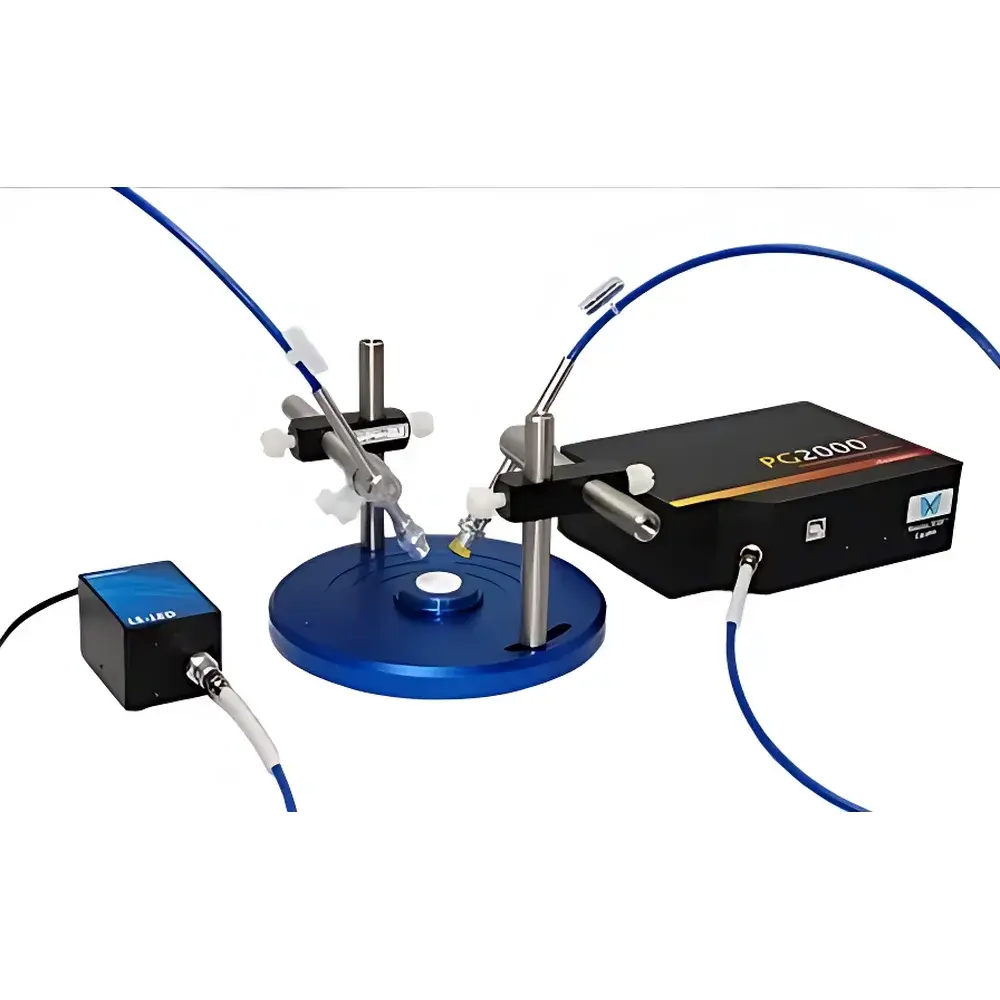
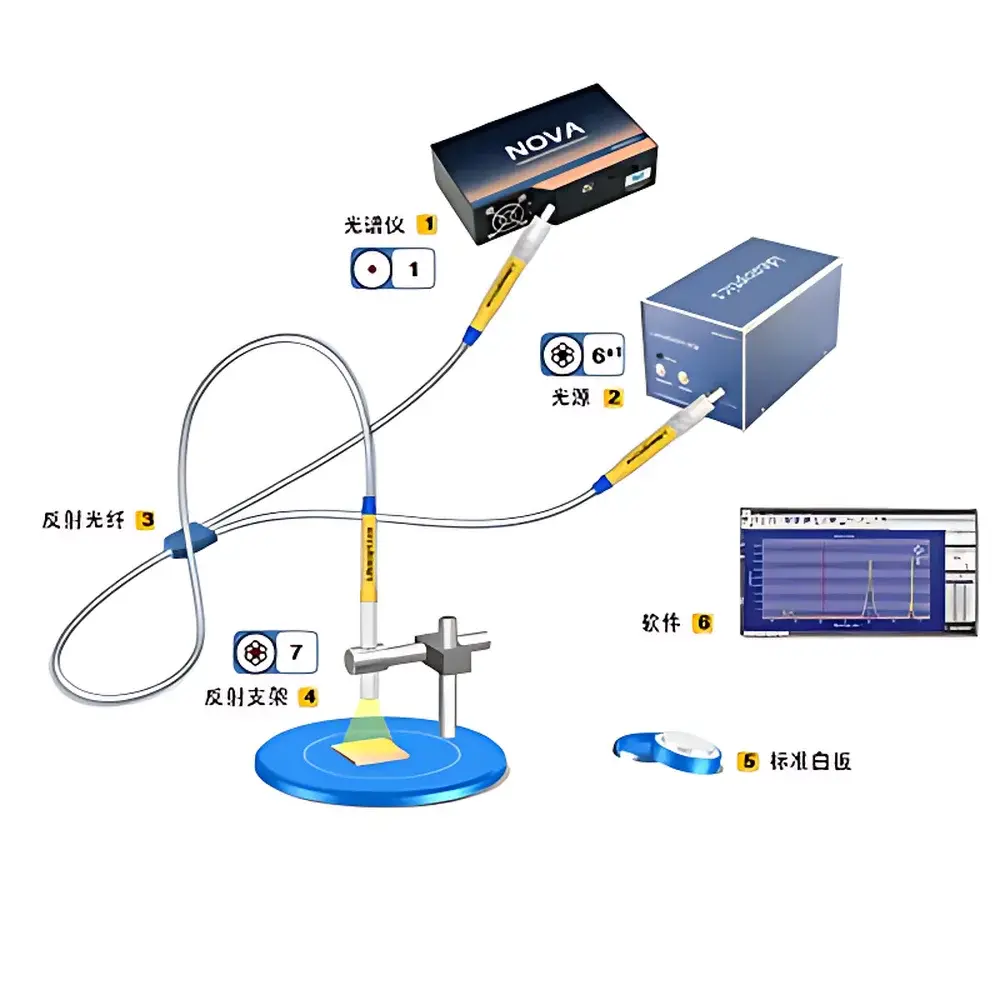
The IdeaOptics R3 Reflectance Spectroscopy Measurement System is an engineered platform for quantitative, angle-resolved reflectance spectral analysis across the UV-Vis-NIR range (typically 200–1100 nm, dependent on configured spectrometer and detector). It operates on the fundamental principle of relative reflectance measurement—comparing the intensity of light reflected from a sample against that from a certified reference standard under identical optical geometry and illumination conditions. The system is built around a modular optical bench architecture, enabling precise control over incident angle (e.g., 0°, 5°, 15°, 30°, 45°, 60°, 75°), collection geometry, polarization state, and beam footprint—critical parameters governing surface scattering, thin-film interference, and subsurface absorption effects. Designed for laboratory-based optical characterization, the R3 supports both directional-hemispherical (d/0) and bi-directional reflectance distribution function (BRDF)-informed configurations, making it suitable for research in material science, thin-film metrology, pigment analysis, and optical coating validation.
Key Features
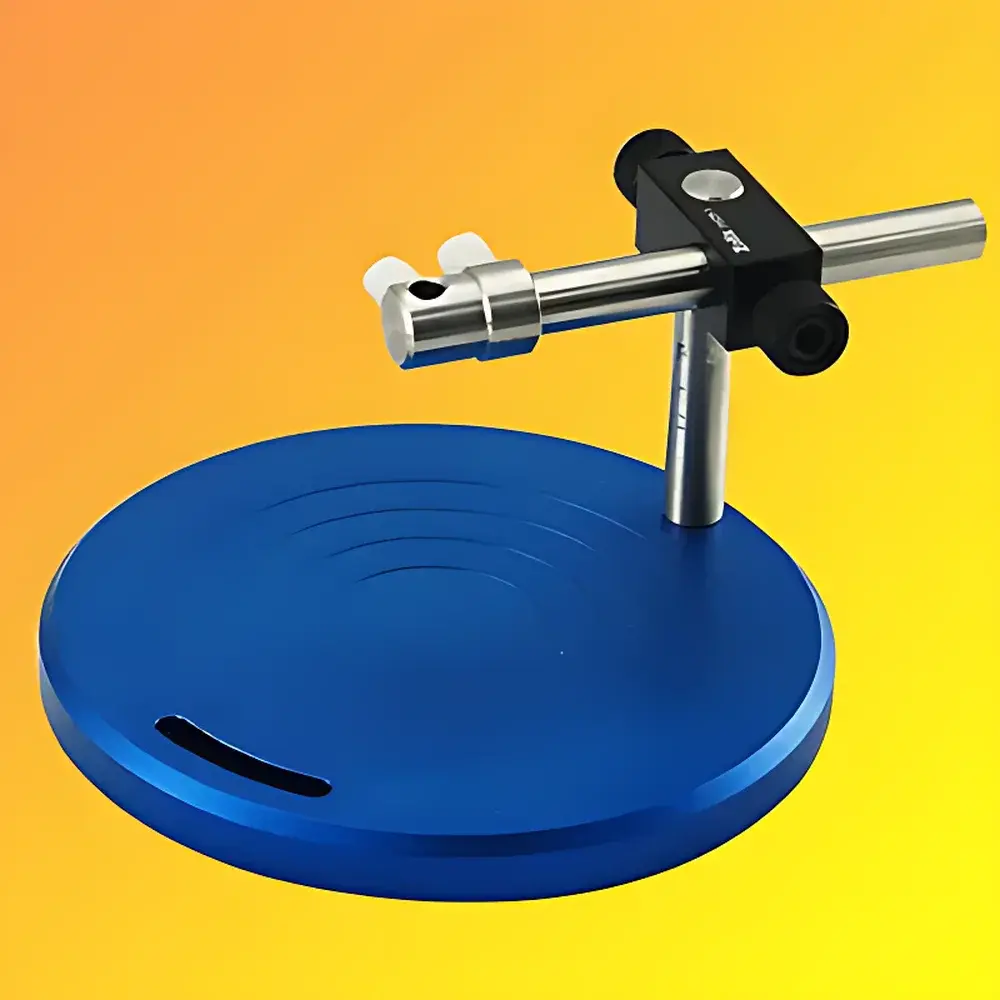
- Modular dual-mount optical platform: accommodates one or two independently adjustable kinematic mounts for sample positioning and optical component alignment—compatible with solid substrates (e.g., wafers, mirrors, coated glass), pressed powders, granular media, and rough-textured surfaces.
- Integrated fiber-optic coupling interface: standardized SMA-905 ports enable seamless connection to broadband halogen/deuterium lamps, pulsed LEDs, or tunable laser sources; supports both illumination and collection via bifurcated or coaxial probe assemblies.
- Angle-precise mechanical stage: calibrated angular adjustment from ±5° to ±85° with 0.1° resolution and <0.05° repeatability—verified via digital inclinometer integration and traceable to NIST-traceable goniometric standards.
- Reference-grade optical path stability: rigid aluminum alloy baseplate with low thermal expansion coefficient (1000:1 (at 500 nm, 10 ms integration).
- Interchangeable collimation optics: optional achromatic lens kits (f = 25 mm, f = 50 mm) and pinhole apertures (100 µm–1 mm) allow beam diameter and working distance customization per application requirement.
Sample Compatibility & Compliance
The R3 system is validated for use with flat, curved, and particulate samples—including semiconductor wafers, dielectric multilayers, polymer films, mineral powders, and painted panels. Its open architecture permits integration with environmental chambers (temperature: −40°C to +80°C; humidity: 5–95% RH non-condensing) and motorized rotation stages for full BRDF mapping. All mechanical components comply with ISO 9001:2015 manufacturing protocols. Optical calibration procedures align with ASTM E275, ISO 13468-2 (plastics transmittance/reflectance), and ISO 11664-5 (CIE colorimetry—spectral reflectance). When paired with compliant spectrometers and NIST-traceable reflectance standards (e.g., Spectralon® 99% or Labsphere SRS-99-020), the system meets GLP documentation requirements for method validation and instrument qualification.
Software & Data Management
The R3 operates with IdeaOptics’ SpectraSuite™ v4.x software suite—designed for spectral acquisition, real-time normalization, multi-angle data stitching, and reflectance factor (Rf) calculation per CIE 15:2018. Key capabilities include automated wavelength calibration using Hg/Ne lamp lines, dark-current subtraction with temperature compensation, and export of ASCII, CSV, and JDX-compliant files. Audit trails record operator ID, timestamp, instrument configuration, and raw/reference spectra—supporting 21 CFR Part 11 compliance when deployed with validated electronic signatures and role-based access control. Data can be imported into MATLAB®, Python (via PySpectra API), or OriginLab for advanced modeling (e.g., Kramers-Kronig inversion, effective medium approximation).
Applications
- Thin-film thickness and refractive index determination via interference fringe analysis in reflectance spectra.
- Colorimetric evaluation of paints, inks, and coatings under standardized illuminants (D65, A, F2) per ISO/CIE guidelines.
- Quantitative assessment of solar absorber/emitter selectivity in thermophotovoltaic and radiative cooling materials.
- Particle size distribution inference in colloidal suspensions and powdered pharmaceuticals using Mie scattering models.
- Non-destructive quality control of anti-reflective and high-reflectance optical coatings during R&D and pilot-line production.
FAQ
What spectrometers are compatible with the R3 system?
The R3 is designed for use with industry-standard USB-powered CCD or CMOS array spectrometers (e.g., Ocean Insight HDX, Avantes AvaSpec, Hamamatsu C12880MA) operating in the 200–1100 nm range and supporting external trigger synchronization.
Can the R3 perform absolute reflectance measurements?
Yes—when calibrated with a NIST-traceable diffuse reflectance standard (e.g., Spectralon®), the system delivers absolute reflectance values with an expanded uncertainty ≤1.2% (k=2) across the visible spectrum.
Is motorized angle scanning supported?
Motorized goniometry is not included by default but can be integrated via third-party precision rotation stages (e.g., Thorlabs K10CR1, Newport URS100CC) using TTL-triggered control through SpectraSuite™.
Does the R3 support polarization-resolved measurements?
Yes—the optical path includes designated mounting points for linear polarizers and quarter-wave plates; polarization contrast ratios >100:1 are achievable with appropriate accessories.
What maintenance is required for long-term accuracy?
Annual verification of angular encoder linearity and recalibration of reference standard reflectance values against accredited laboratories is recommended per ISO/IEC 17025 guidelines.




