
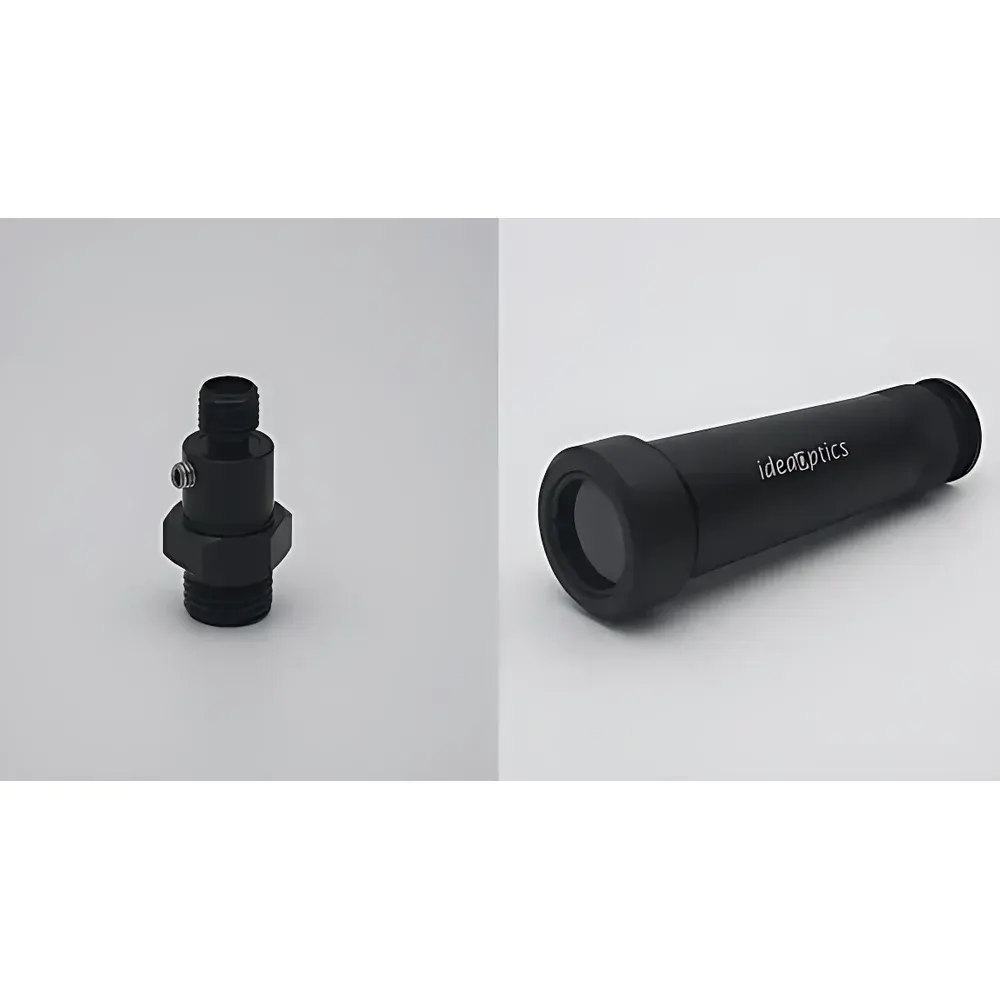
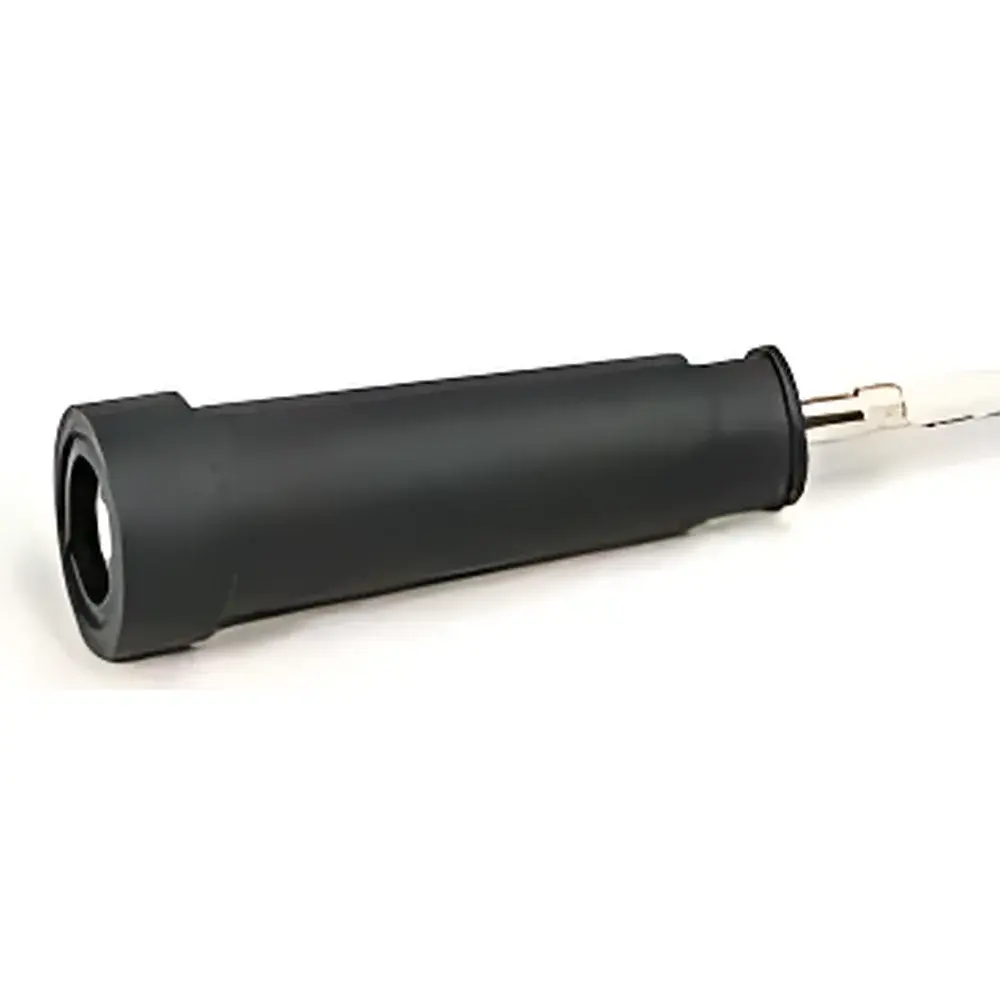
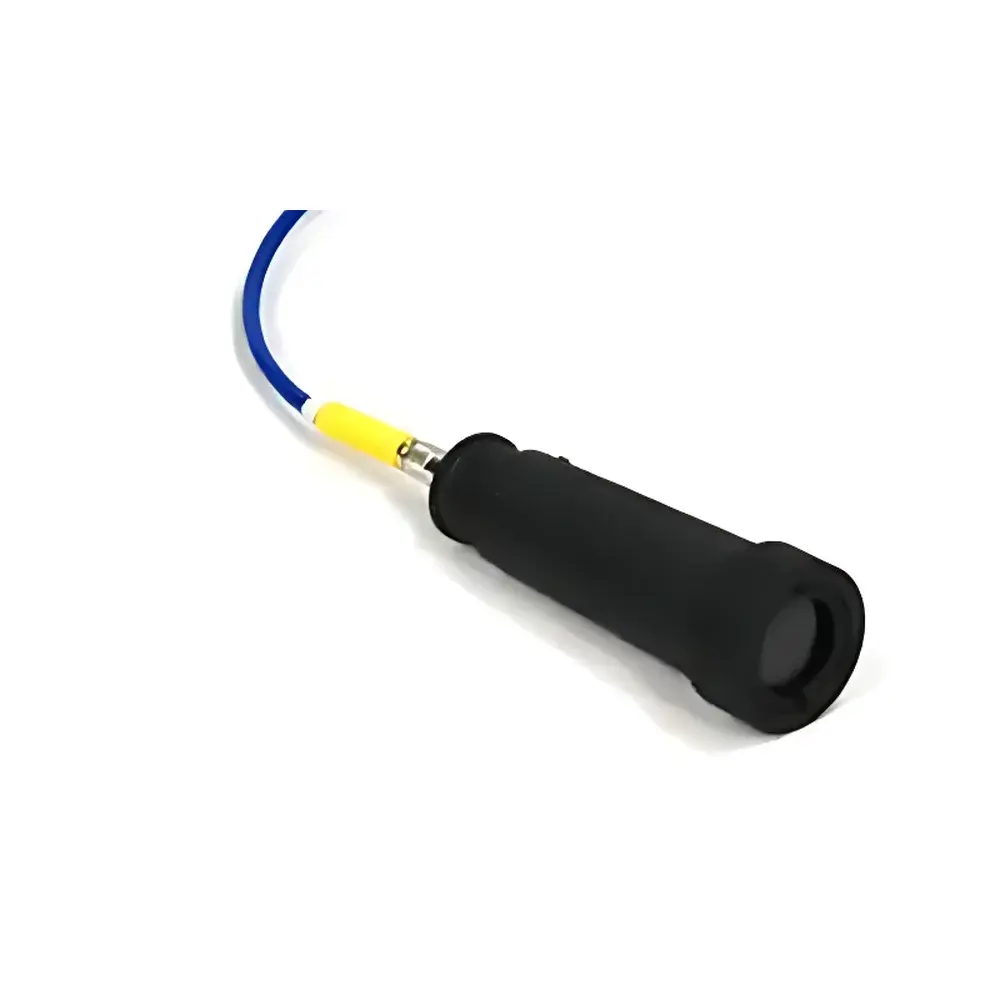
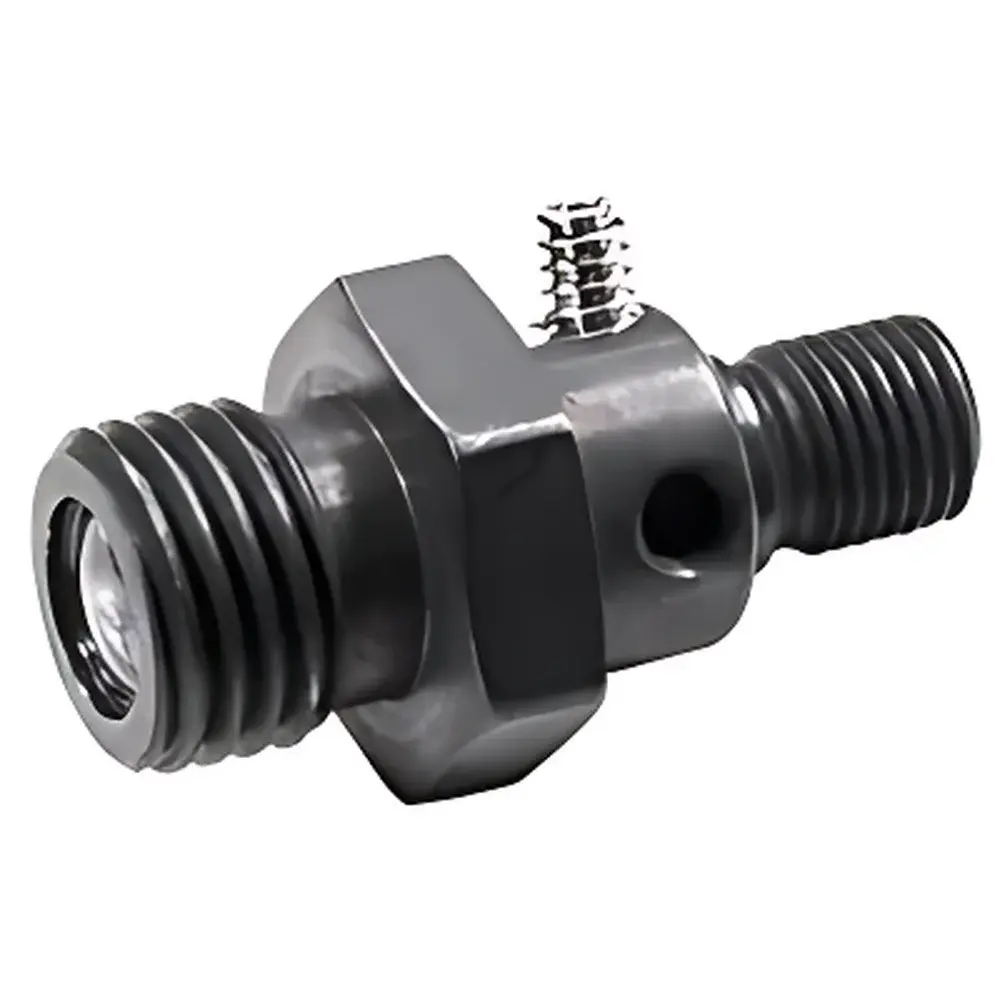
IdeaOptics FIBH Fiber Collimator
| Brand | IdeaOptics |
|---|---|
| Origin | Shanghai, China |
| Manufacturer Type | Direct Manufacturer |
| Region of Origin | Domestic (China) |
| Model | FIBH |
| Component Category | Fiber Collimator |
| Interface | SMA905 (also compatible with FC) |
| Beam Divergence | ≤2° |
| Optical Compatibility | Designed for single-mode and multimode fiber coupling in laboratory and industrial optical systems |
Overview
The IdeaOptics FIBH Fiber Collimator is an optomechanical component engineered for high-fidelity beam collimation in precision optical measurement systems. Based on the principle of Gaussian beam transformation, the FIBH utilizes a precisely aligned aspheric lens mounted in a kinematically stable housing to convert divergent light emerging from an optical fiber into a well-collimated, low-divergence parallel beam. This collimation process minimizes wavefront distortion and preserves spatial coherence—critical requirements for applications involving spectral analysis, fluorescence excitation, reflectance calibration, and fiber-to-free-space coupling. The device operates across the visible to near-infrared spectrum (typically 400–1000 nm), supporting both single-mode (SM) and multimode (MM) fiber inputs without requiring recalibration. Its design adheres to fundamental optical alignment tolerances defined in ISO 10110-7 for surface figure and centering error, ensuring repeatable performance in metrology-grade setups.
Key Features
- High collimation fidelity: Output beam divergence ≤2° (full angle), verified via far-field intensity profiling using calibrated CCD-based beam profilers.
- Modular mechanical interface: Standard SMA905 thread (also available with FC/PC option upon request), enabling plug-and-play integration with IdeaOptics spectrometers, light sources, integrating spheres, and custom optical breadboards.
- Robust optomechanical architecture: Lens mount features dual-stage thermal compensation and anti-rotation locking to maintain alignment stability under ambient temperature fluctuations (±0.5°C).
- Low back-reflection design: AR-coated aspheric lens (R<0.25% per surface, 400–1000 nm) reduces unwanted feedback into the source fiber, critical for laser diode and supercontinuum source compatibility.
- Traceable assembly: Each unit undergoes individual collimation verification using a reference HeNe laser and autocollimator; test data archived with serial-number-matched calibration report.
Sample Compatibility & Compliance
The FIBH collimator is optimized for use with standard silica-based optical fibers including 105/125 µm multimode (NA 0.22), 9/125 µm single-mode (G.652.D), and 200/230 µm large-core fibers. It complies with IEC 61300-2-2 (mechanical endurance) and IEC 61300-2-1 (tensile load testing). For regulated environments—including GLP-compliant spectroscopy labs and ISO/IEC 17025-accredited calibration facilities—the FIBH supports full traceability documentation, including uncertainty budgets for divergence angle and pointing stability (<±5 µrad over 8 hours). While not certified to FDA 21 CFR Part 11, its mechanical and optical records are structured to support audit-ready data management when integrated into validated instrument platforms.
Software & Data Management
As a passive optical component, the FIBH requires no embedded firmware or driver software. However, its performance parameters—including nominal working distance (15 mm), effective focal length (4.5 mm), and beam waist location—are programmatically referenced in IdeaOptics’ LabManager™ configuration suite (v3.2+), enabling automatic optical path modeling during system setup. When used with IdeaOptics’ spectrometers or light sources, the FIBH’s model-specific metadata (e.g., divergence correction factor, coupling efficiency map vs. fiber NA) is accessible via the device’s USB-serial HID descriptor. All calibration certificates and alignment reports are stored in PDF/A-1b format with embedded XMP metadata for long-term archival compliance.
Applications
- Fiber-to-integrating sphere coupling: Enhances collection efficiency by reducing angular spread at the sphere entrance port, improving signal-to-noise ratio in diffuse reflectance and total transmittance measurements (ASTM E275, ISO 11664-5).
- Laser source conditioning: Enables stable free-space delivery from pigtailed diodes or fiber lasers into interferometers, confocal microscopes, or Raman probe heads.
- Reference beam generation: Used in dual-beam UV-Vis spectrophotometers to establish a stable collimated reference path matched to the sample arm geometry.
- Optical sensor interfacing: Facilitates alignment-tolerant coupling between fiber-coupled photodetectors and external optical cavities or Fabry–Pérot etalons.
- Educational optics labs: Serves as a pedagogical tool for demonstrating Gaussian beam propagation, ABCD matrix formalism, and M² factor estimation.
FAQ
What wavelength range is the FIBH collimator optimized for?
The standard AR coating covers 400–1000 nm; custom coatings (e.g., 750–1600 nm for telecom bands) are available upon request.
Can the FIBH be used with polarization-maintaining (PM) fiber?
Yes—mechanical alignment preserves PM fiber orientation; however, users must specify key-axis alignment requirement during ordering.
Is the collimation distance adjustable?
No—the working distance is fixed at 15 mm ±0.1 mm; variable-focus collimators (e.g., FIBH-VF series) are offered separately.
Does the FIBH include a protective cap or storage case?
Each unit ships with a threaded dust cap and padded foam-lined shipping box compliant with ISTA 2A vibration standards.
How is collimation performance verified before shipment?
Each collimator undergoes far-field divergence measurement using a Thorlabs BP209-IR2 beam profiler and NIST-traceable alignment jig; raw data and fit residuals are included in the certificate of conformance.




