
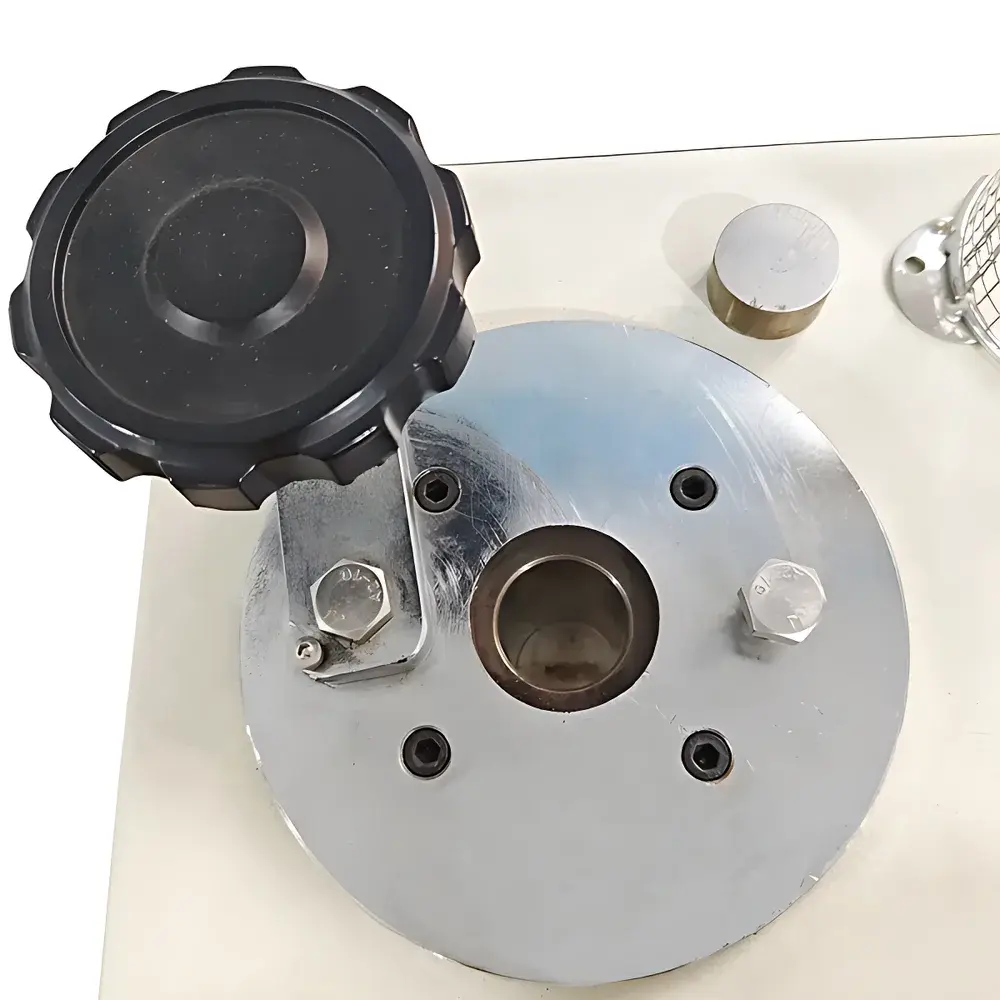
YANRUN AXQ-100C Intelligent Automatic Hot Mounting Press
| Brand | YANRUN |
|---|---|
| Origin | Shanghai, China |
| Manufacturer Type | Direct Manufacturer |
| Country of Origin | China |
| Model | AXQ-100C |
| Instrument Type | Hot Mounting Press |
| Sample Diameter Options | Ø25 mm / Ø30 mm / Ø40 mm |
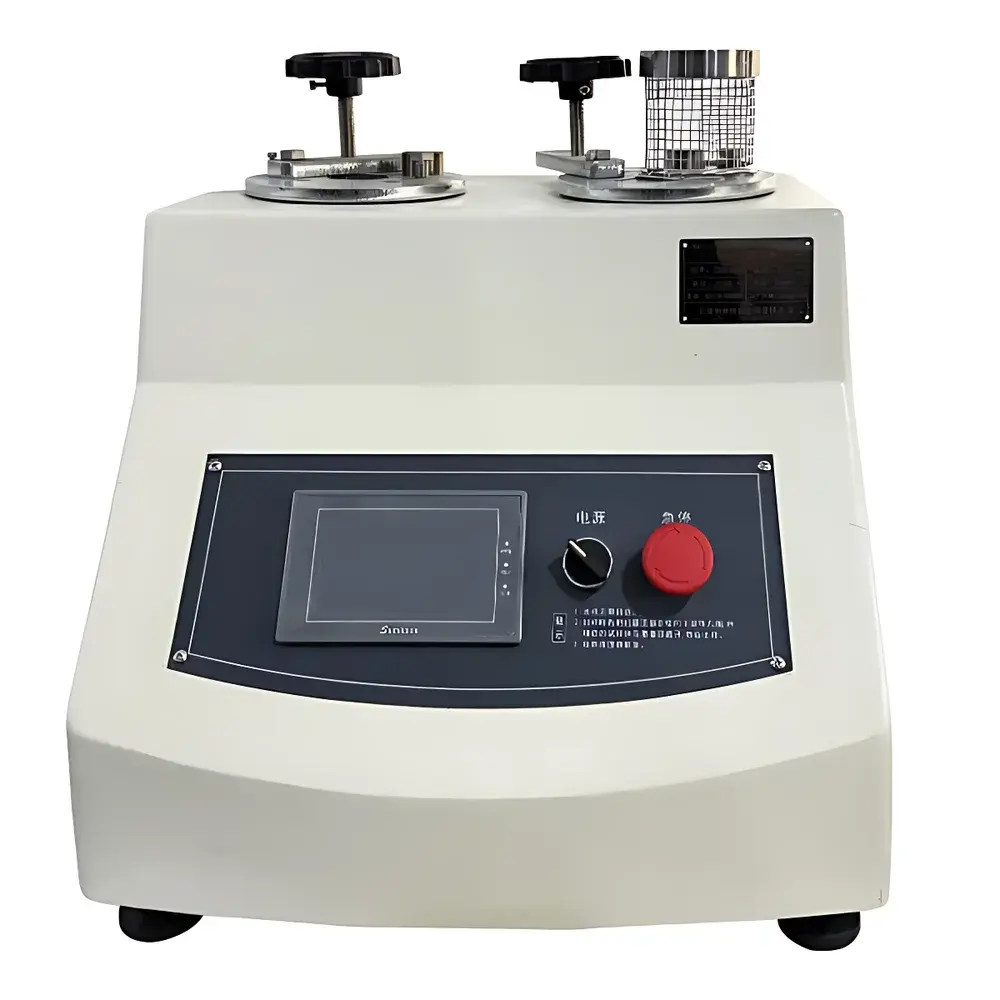
| Mounting Chamber | Isolated Dual-Sample Chamber |
| Pressure Range | 0–2 MPa (Effective Sample Pressure up to 72 MPa) |
| Temperature Range | 0–300 °C |
| Heating Power | 2 × 8000 W |
| Heating Time Setting | 0–99 min (adjustable) |
| Control Voltage | 220 V AC |
| Pneumatic Supply Pressure | 0.5–0.8 MPa |
| Cooling Method | Natural Cooling + Optional External Water-Cooled Reservoir |
| Dimensions (W×D×H) | 460 × 410 × 500 mm |
| Standard Accessories | Main Unit, Two Sets of Steel Mold Kits, One Water-Cooling Tank, Operation Manual |
Overview
The YANRUN AXQ-100C Intelligent Automatic Hot Mounting Press is an engineered solution for high-reproducibility thermosetting resin embedding of metallurgical, ceramic, polymer, geological, and electronic specimens. It operates on the principle of controlled heat-and-pressure consolidation—applying simultaneous thermal energy (via dual 8 kW resistive heating elements) and axial compressive force within a sealed, isolated dual-chamber cavity—to polymerize thermosetting resins (e.g., phenolic, epoxy, or diallyl phthalate) around irregular or fragile samples. This process yields dimensionally stable, edge-retentive mounts with minimal void formation and negligible thermal distortion—critical prerequisites for subsequent precision grinding, polishing, and quantitative microstructural analysis under optical or electron microscopy. Designed for integration into ISO/IEC 17025-accredited laboratories and GMP-aligned QC workflows, the AXQ-100C supports standardized specimen preparation per ASTM E3, ISO 15510, and GB/T 9445.
Key Features
- Intelligent automation sequence: fully programmable cycle including automatic mold insertion, pressure ramping, temperature ramping, dwell time, decompression, and sample ejection—reducing operator dependency and inter-run variability.
- Dual isolated mounting chambers enable parallel processing of two dissimilar specimens (e.g., metal + ceramic) without cross-contamination or thermal crosstalk.
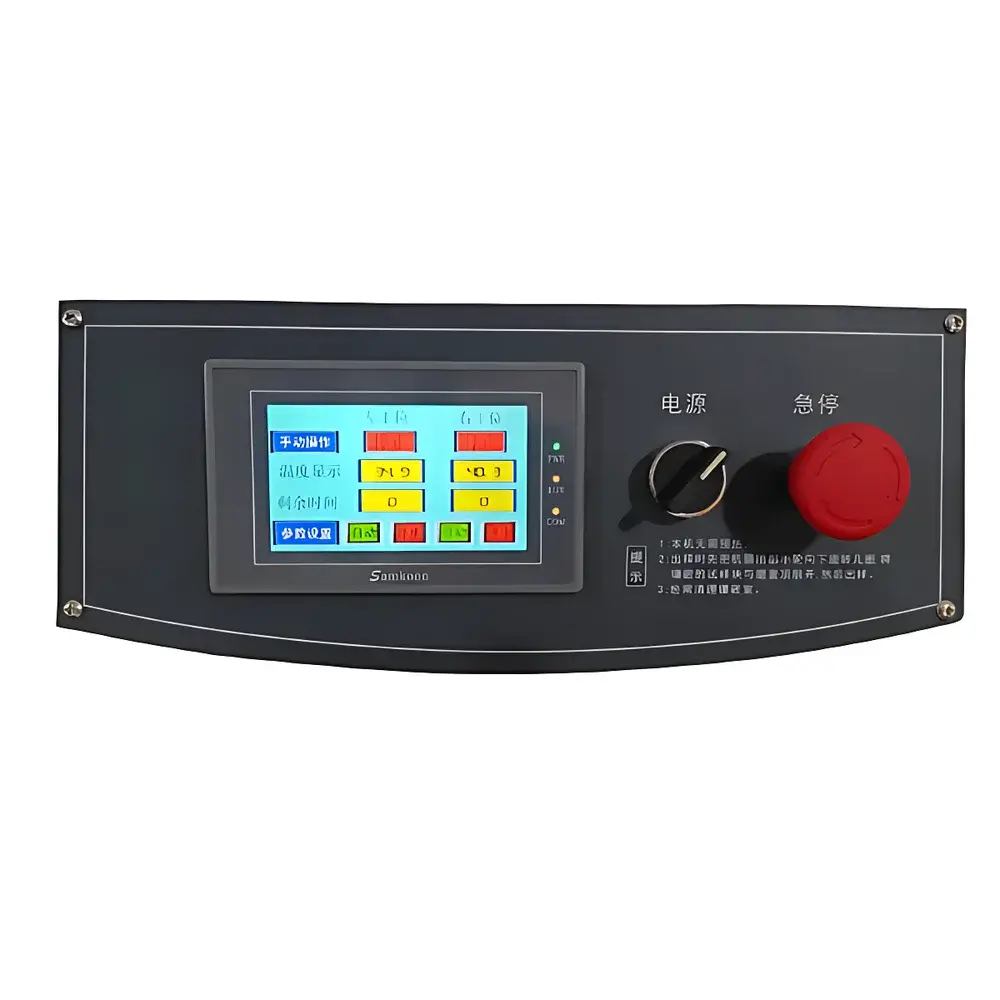
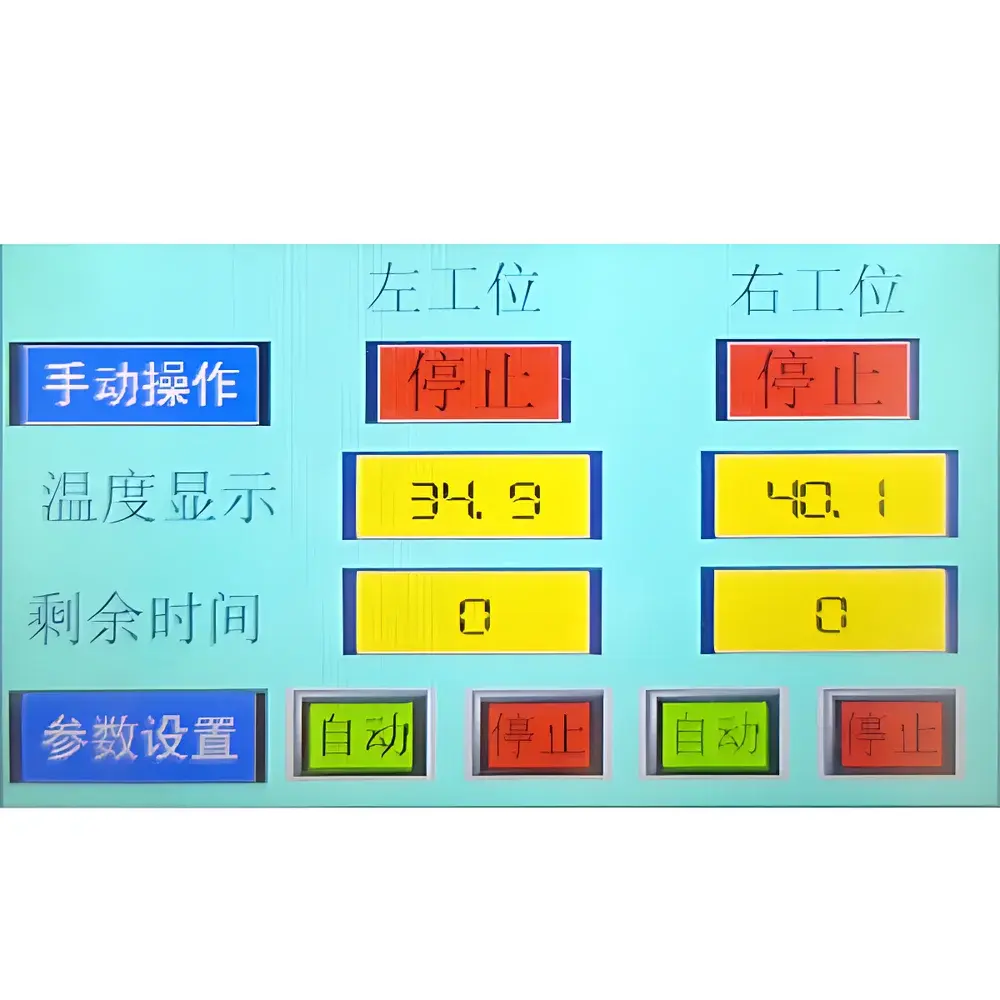
- Precise digital PID temperature control (±1.5 °C accuracy across 0–300 °C range) with real-time monitoring and logging via front-panel touchscreen interface.
- Programmable pressure application (0–2 MPa system pressure; effective localized pressure up to 72 MPa at sample interface) ensures uniform resin flow and complete pore infiltration—even for porous or cracked specimens.
- Integrated pneumatic actuation system (0.5–0.8 MPa supply) drives smooth, repeatable vertical sample carriage movement and pressure application—eliminating mechanical backlash and wear-related drift.
- Modular steel mold compatibility: supports standard Ø25 mm, Ø30 mm, and Ø40 mm cylindrical molds, enabling direct alignment with downstream semi-automatic grinding/polishing systems compliant with ASTM E407 and ISO 14485.
Sample Compatibility & Compliance
The AXQ-100C accommodates a broad spectrum of specimen geometries and material classes—including brittle ceramics (Al₂O₃, SiC), low-melting alloys (Sn-Pb, Zn-Al), polymeric composites, sintered powders, PCB cross-sections, and mineral thin sections—without inducing phase transformation, grain boundary migration, or plastic deformation. Its controlled ramp-and-hold thermal profile avoids thermal shock in temperature-sensitive materials, while the high-isolation chamber design prevents volatile resin outgassing from affecting adjacent samples. The system meets electromagnetic compatibility (EMC) requirements per IEC 61326-1 and electrical safety standards per IEC 61010-1. All operational parameters—including temperature setpoint, pressure profile, dwell duration, and cycle timestamp—are recorded internally and exportable for audit trails required under GLP, FDA 21 CFR Part 11 (when paired with validated LIMS integration), and ISO 9001 quality management frameworks.
Software & Data Management
While the AXQ-100C operates via embedded firmware with local HMI control, it features RS-232 and optional Ethernet connectivity for external data acquisition and centralized lab equipment monitoring. Cycle logs—including actual vs. setpoint temperature curves, pressure transducer output, and pneumatic valve timing—can be exported as CSV files for traceability and statistical process control (SPC). When deployed in networked environments, the unit supports synchronization with laboratory information management systems (LIMS) through configurable MODBUS TCP or OPC UA protocols—enabling automated batch record generation, user authentication logging, and electronic signature capture where required by regulated QA/QC procedures.
Applications
- Metallurgical QC labs preparing tensile fracture surfaces, weld zones, or heat-affected regions for ASTM E112 grain size analysis.
- Ceramic R&D facilities embedding sintered bodies prior to SEM-EDS phase mapping and porosity quantification (ISO 4527).
- Failure analysis centers mounting fractured semiconductor packages or solder joints for delamination and intermetallic compound (IMC) layer evaluation.
- Geological core analysis labs producing polished thin sections of ore-bearing rocks for reflected-light microscopy and automated mineral liberation analysis (MLA).
- Polymer testing laboratories embedding fiber-reinforced composites to preserve fiber/matrix interface integrity during polishing for interfacial shear strength assessment.
- Electronics manufacturing sites qualifying PCB cross-sections per IPC-A-600 and IPC-6012 standards for plating thickness, void detection, and via wall integrity.
FAQ
What resin types are compatible with the AXQ-100C?
Phenolic, epoxy, and diallyl phthalate thermosetting resins are fully supported; cold-mount resins (e.g., acrylics) may be used only in non-heated mode with external clamping—though this configuration is not automated and falls outside the press’s certified operating envelope.
Does the system support GLP-compliant audit trails?
Yes—cycle parameters, timestamps, operator ID (via optional RFID badge reader), and deviation alerts are stored locally and exportable; full 21 CFR Part 11 compliance requires validated third-party LIMS integration and electronic signature modules.
Can the AXQ-100C process samples requiring vacuum impregnation?
No—the unit lacks integrated vacuum capability; however, pre-impregnated specimens prepared in standalone vacuum chambers may be mounted directly using the AXQ-100C’s standard cycle profiles.
Is water cooling mandatory for continuous operation?
Natural convection cooling suffices for ≤3 cycles/hour; for >5 cycles/hour or ambient temperatures >30 °C, the supplied water-cooling reservoir (with external chiller interface) is recommended to maintain thermal stability and extend heater lifespan.
How is mold alignment and concentricity ensured during compression?
Precision-ground steel mold kits feature tapered locating shoulders and self-centering bushings; combined with hydraulic-pneumatic force distribution, this ensures <±0.05 mm radial runout across all supported diameters.



