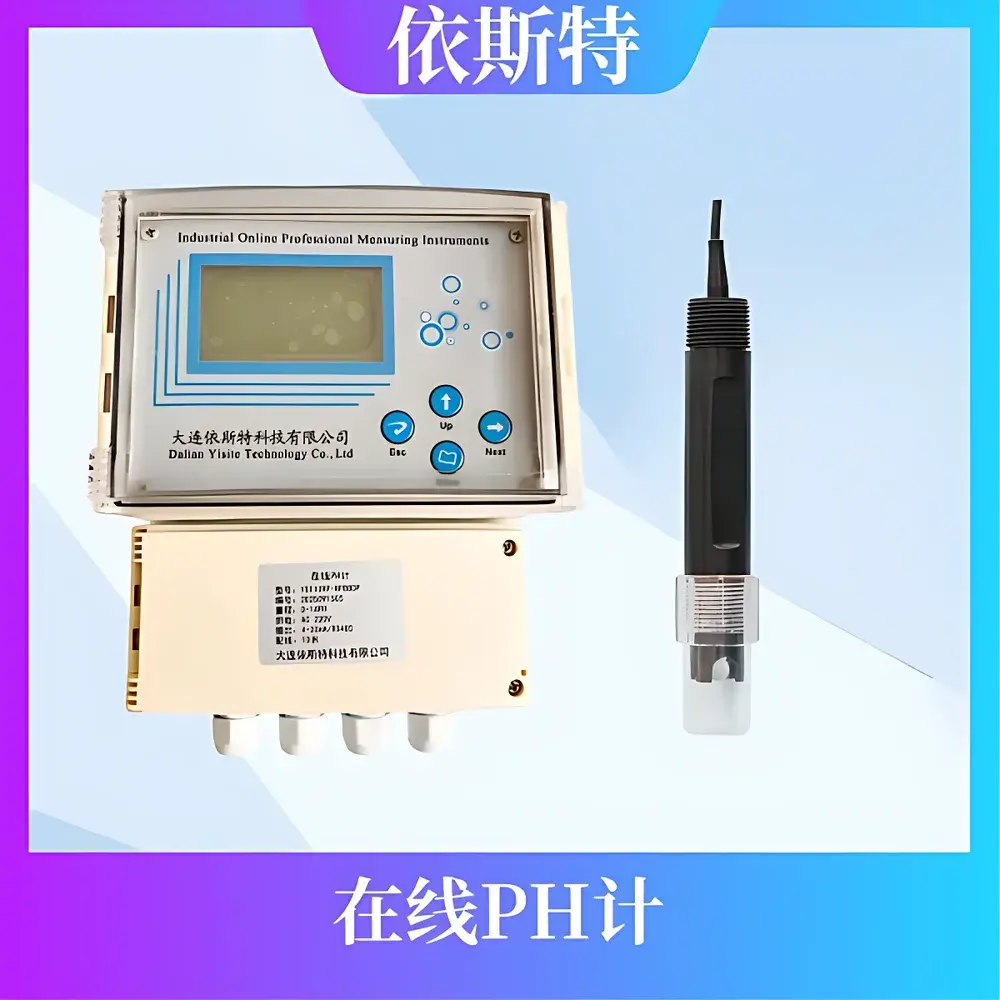
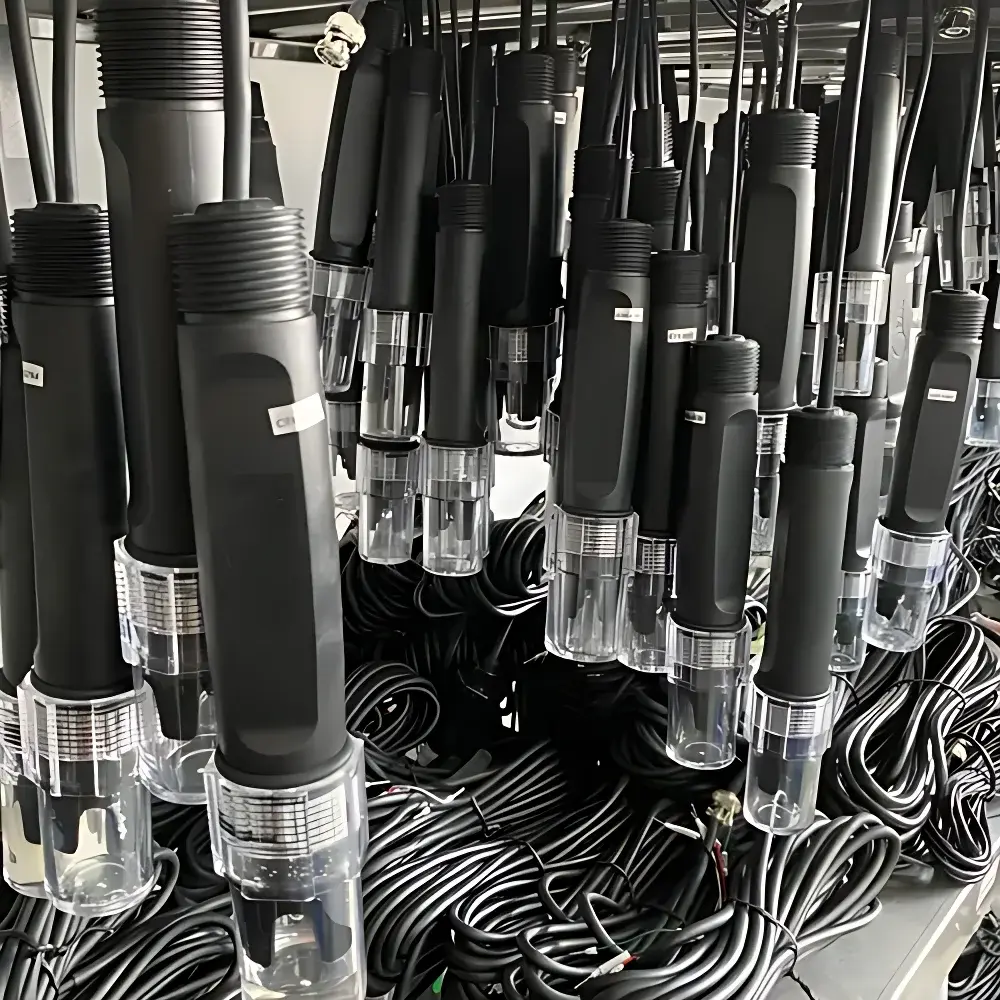
CLEAN CS1778D Digital pH Sensor with SNEX Solid-State Reference System
| Brand | CLEAN |
|---|---|
| Model | CS1778D |
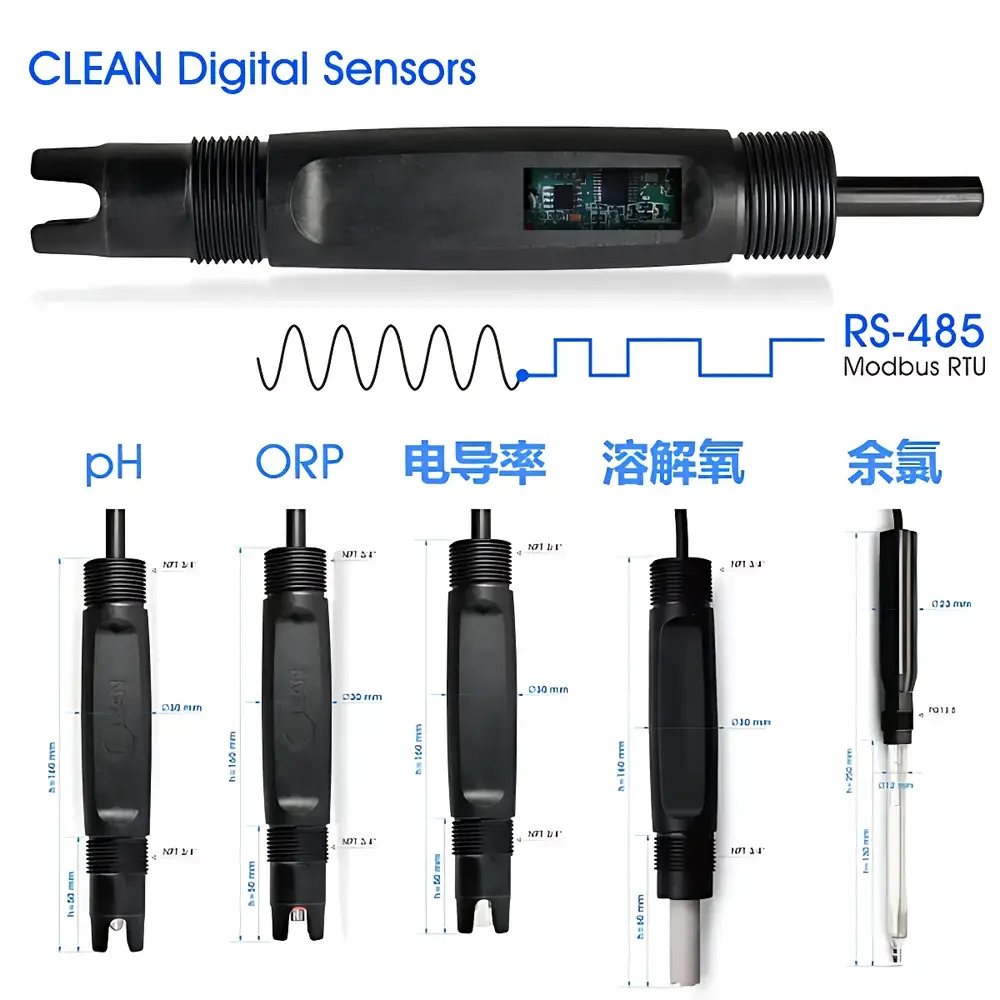
| Output | RS-485 (Modbus RTU) |
| pH Range | 0–14 |
| Temp. Range | 0–90 °C |
| Max. Pressure | 20 bar @ 50 °C |
| Housing | PPS |
| Thread | NPT 3/4″ |
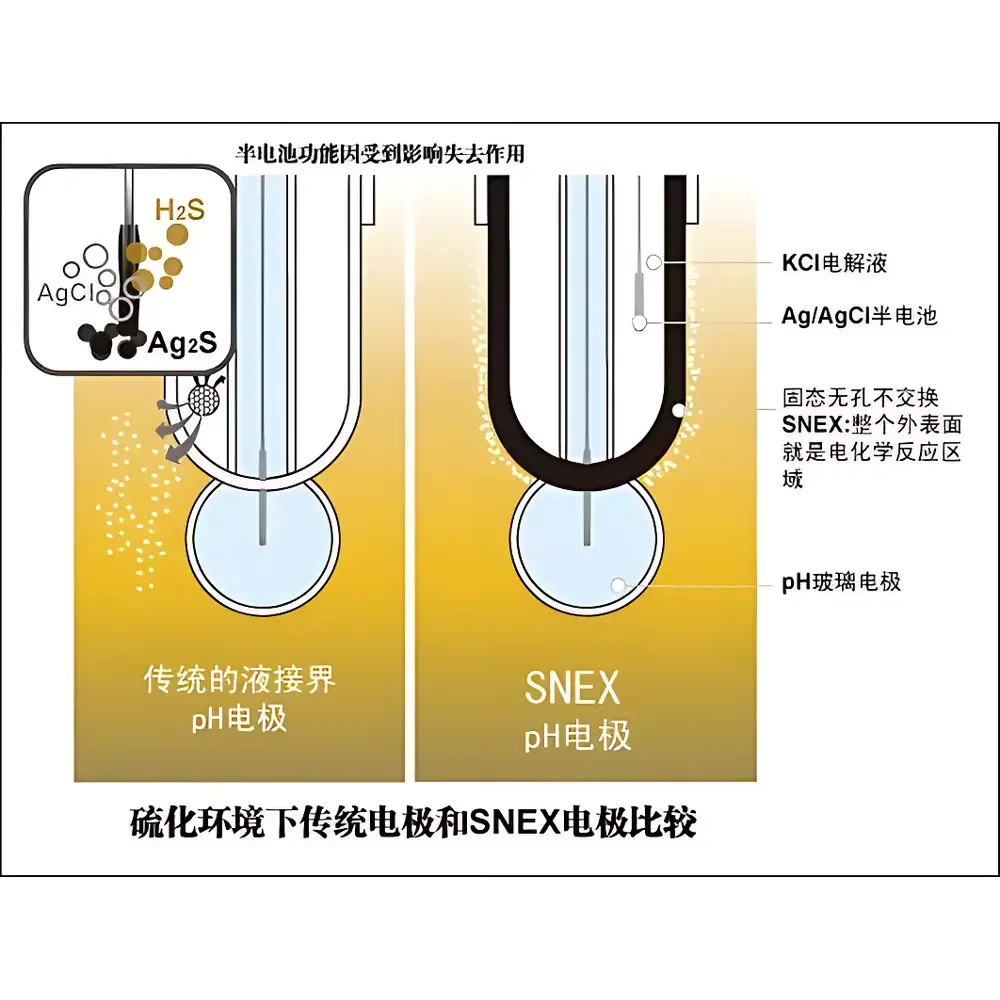
| Liquid Junction | SNEX solid-state electrolyte membrane |
| Reference System | SNEX Ag/AgCl/KCl |
| Sensing Membrane | B11 glass |
| Temperature Sensor | Pt1000 / Pt100 / NTC10K (field-selectable) |
| Cable | 5 m coaxial, BNC termination |
Overview
The CLEAN CS1778D is a high-reliability digital pH sensor engineered for continuous, real-time pH and temperature measurement in demanding industrial process environments—particularly flue gas desulfurization (FGD) systems, lime slurry loops, wastewater treatment plants, and high-solids or sulfide-rich aqueous streams. Unlike conventional gel- or liquid-filled reference electrodes, the CS1778D integrates the proprietary SNEX solid-state reference system, which eliminates liquid junction clogging, sulfur poisoning, and electrolyte depletion—three primary failure modes observed in wet FGD gypsum slurries. Its measurement principle relies on potentiometric detection across a hydrogen-ion-selective glass membrane (B11 formulation), referenced against a chemically stable, diffusion-controlled SNEX Ag/AgCl/KCl element. The integrated Pt1000 (or user-configurable Pt100/NTC10K) temperature sensor enables automatic temperature compensation per NIST-traceable algorithms, ensuring accuracy across dynamic thermal conditions without external calibration hardware.
Key Features
- Digital RS-485 output compliant with Modbus RTU protocol—enables direct integration into PLCs, SCADA systems, DCS platforms, and IIoT gateways without intermediate transmitters.
- SNEX solid-state reference junction: non-clogging, sulfide-resistant, and maintenance-free over extended deployment cycles in abrasive, high-TDS, or reducing environments.
- B11 high-resistance pH-sensitive glass membrane optimized for stability in low-conductivity and high-suspended-solid media, including lime slurry and scrubber recirculation loops.
- Robust PPS (polyphenylsulfone) housing rated for continuous operation at up to 20 bar pressure and 90 °C, with NPT 3/4″ process connection for secure mounting in pressurized piping or tank nozzles.
- Configurable parameters via Modbus registers—including slave address, baud rate (up to 115.2 kbps), pH calibration offsets, temperature coefficient, and optional 4–20 mA scaling (when equipped).
- On-device diagnostics: real-time reporting of electrode impedance, reference potential drift, temperature sensor status, and signal integrity flags—supporting predictive maintenance strategies.
Sample Compatibility & Compliance
The CS1778D is validated for long-term immersion in aggressive media typical of power plant FGD absorbers, chemical dosing tanks, electroplating baths, and bioreactor effluents. It maintains functional integrity in solutions containing suspended gypsum solids (≤15 wt%), H₂S concentrations up to 50 ppm, chloride levels exceeding 20,000 mg/L, and redox potentials ranging from −200 to +800 mV. The sensor conforms to IEC 61508 (SIL2-capable architecture), meets IP68 ingress protection requirements, and supports audit-ready data logging when paired with CLEAN’s certified firmware stack. While not intrinsically safe, it is compatible with Class I, Division 2 hazardous area installations when used with appropriate barriers. Calibration traceability aligns with ISO/IEC 17025-accredited procedures, and its output stability satisfies ASTM D1293 (Standard Test Method for pH of Water) and USP specifications for process-critical pH monitoring.
Software & Data Management
CLEAN provides a vendor-agnostic Modbus register map and open API documentation for seamless integration into third-party HMI and MES platforms. A dedicated Windows-based configuration utility and cross-platform mobile application (iOS/Android) support over-the-air parameter adjustment, multi-point calibration (1–3 point), slope/offset verification, and diagnostic log export in CSV format. All configuration changes are timestamped and logged locally on the sensor’s non-volatile memory, enabling full GLP/GMP-compliant audit trails. When deployed with CLEAN’s optional cloud gateway, raw and compensated pH/temperature data can be streamed to time-series databases (e.g., InfluxDB, AWS IoT Core) with configurable sampling intervals (1 s to 10 min), alarm thresholds, and TLS 1.2-encrypted transmission. Firmware updates are delivered via signed binary packages supporting secure boot validation.
Applications
- Flue Gas Desulfurization (FGD): Continuous pH control of limestone/lime slurry in absorber towers and recirculation sumps—critical for SO₂ removal efficiency and gypsum crystal quality.
- Wastewater Treatment: Monitoring influent/effluent pH in equalization basins, neutralization reactors, and tertiary polishing stages under variable hydraulic and chemical loads.
- Pharmaceutical & Biotech: In-line pH verification during buffer preparation, CIP/SIP cycles, and fermentation broth monitoring where reference stability and low drift are essential.
- Power Generation: Feedwater and condensate pH surveillance in ultra-pure water systems, as well as cooling tower chemistry control.
- Chemical Manufacturing: Real-time acid/base dosing feedback in batch reactors, scrubbers, and effluent neutralization units handling corrosive or particulate-laden streams.
FAQ
Does the CS1778D require a separate transmitter or controller to operate?
No. As a true digital sensor, it outputs calibrated pH and temperature values directly via RS-485 Modbus RTU. No analog transmitter, isolator, or secondary display unit is necessary for basic data acquisition.
Can the sensor perform automatic temperature compensation without an external probe?
Yes. An integrated, field-selectable temperature sensor (Pt1000 standard; Pt100 or NTC10K optional) is embedded within the sensing body and automatically applied to pH calculation using built-in NIST-certified algorithms.
What calibration protocols does the CS1778D support?
It supports single-point (asymmetric), two-point (symmetric), and three-point calibration routines via Modbus commands. Calibration data—including date, buffer values, slope, and offset—is stored internally with tamper-evident timestamps.
Is the SNEX reference system compatible with cleaning agents used in CIP procedures?
Yes. The SNEX membrane is chemically inert to common alkaline (NaOH ≤ 5%), acidic (HNO₃ ≤ 2%), and oxidative (NaOCl ≤ 200 ppm) cleaning solutions. Mechanical brushing or ultrasonic cleaning is not recommended.
How is long-term drift monitored and corrected?
The sensor reports reference potential deviation and glass membrane impedance in real time. Deviations exceeding ±15 mV from nominal reference voltage trigger diagnostic alerts, prompting scheduled verification or recalibration—reducing unplanned downtime.
Related Products