
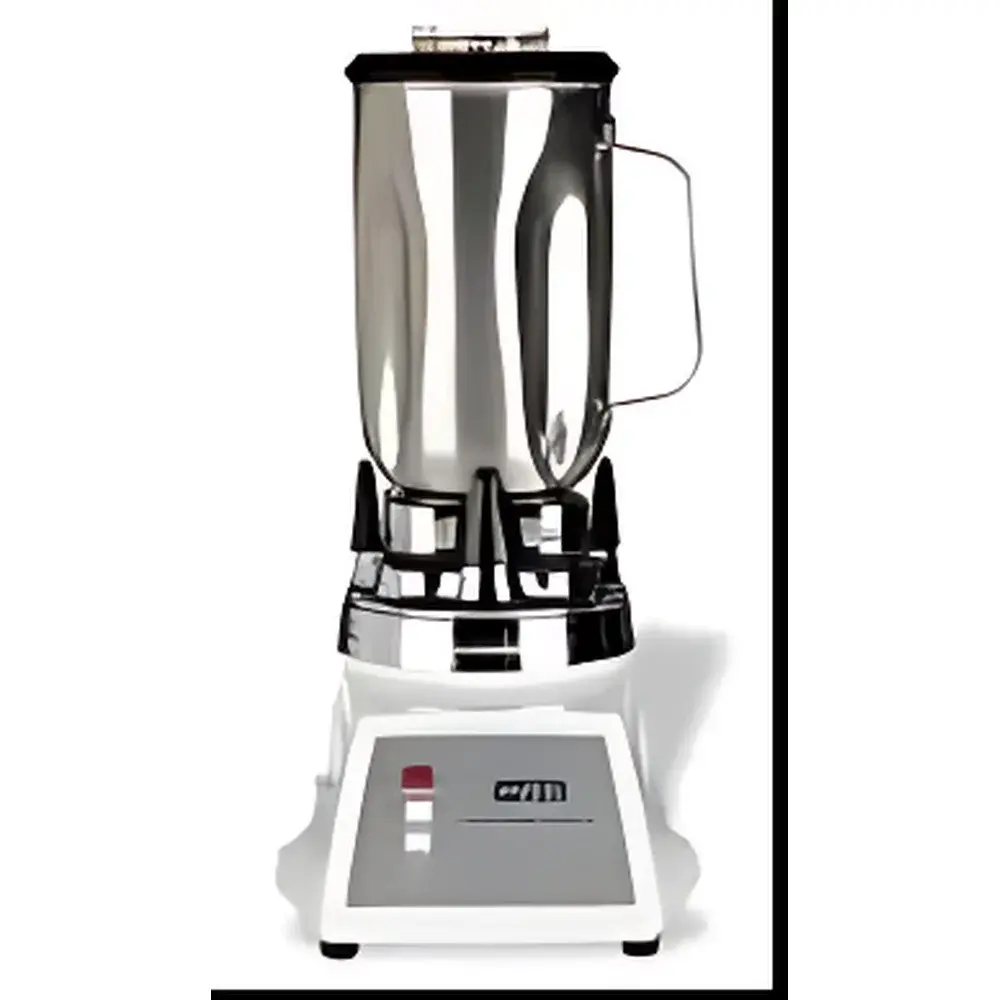
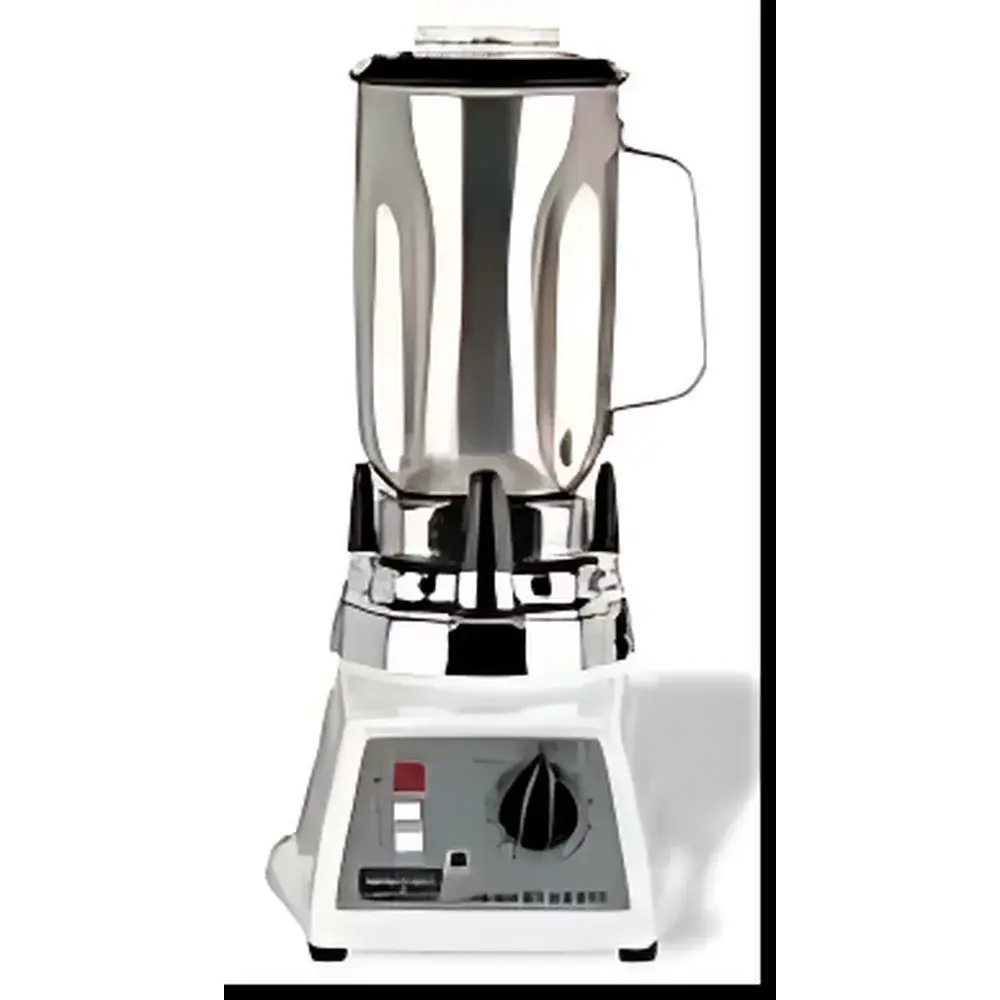
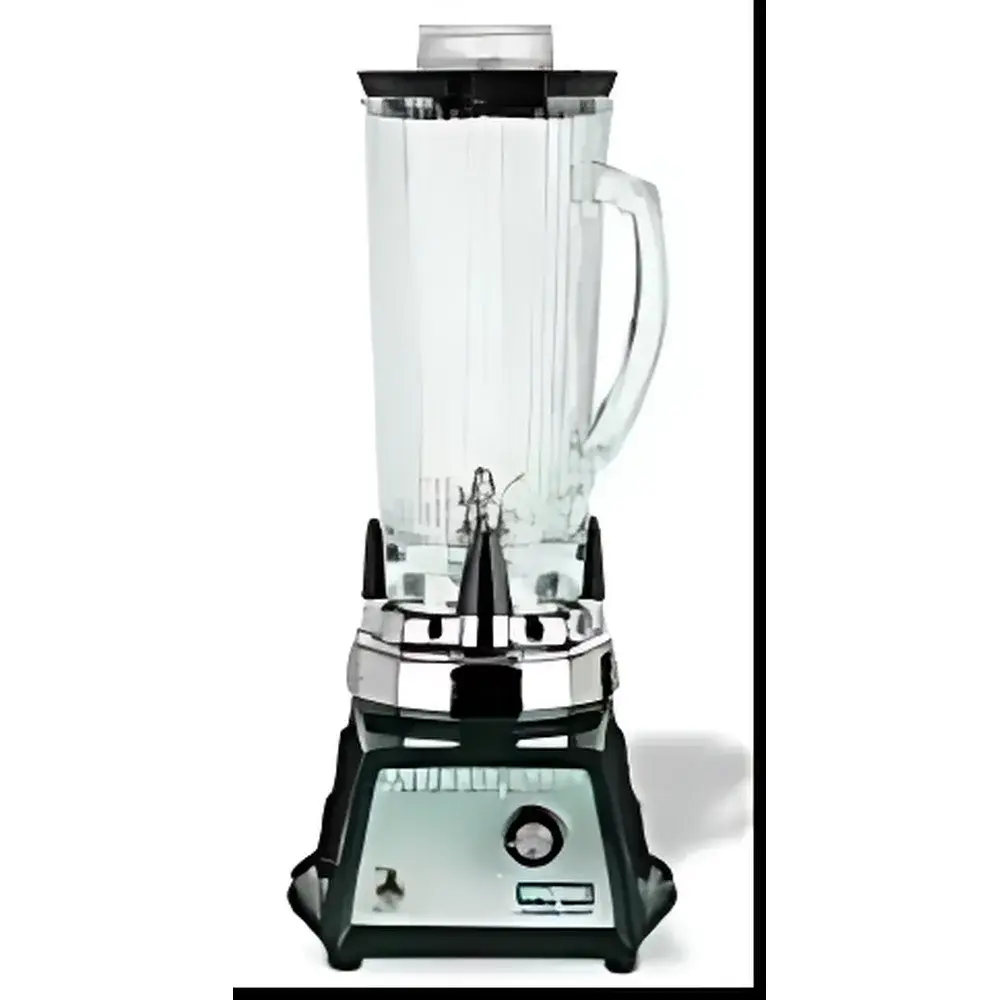
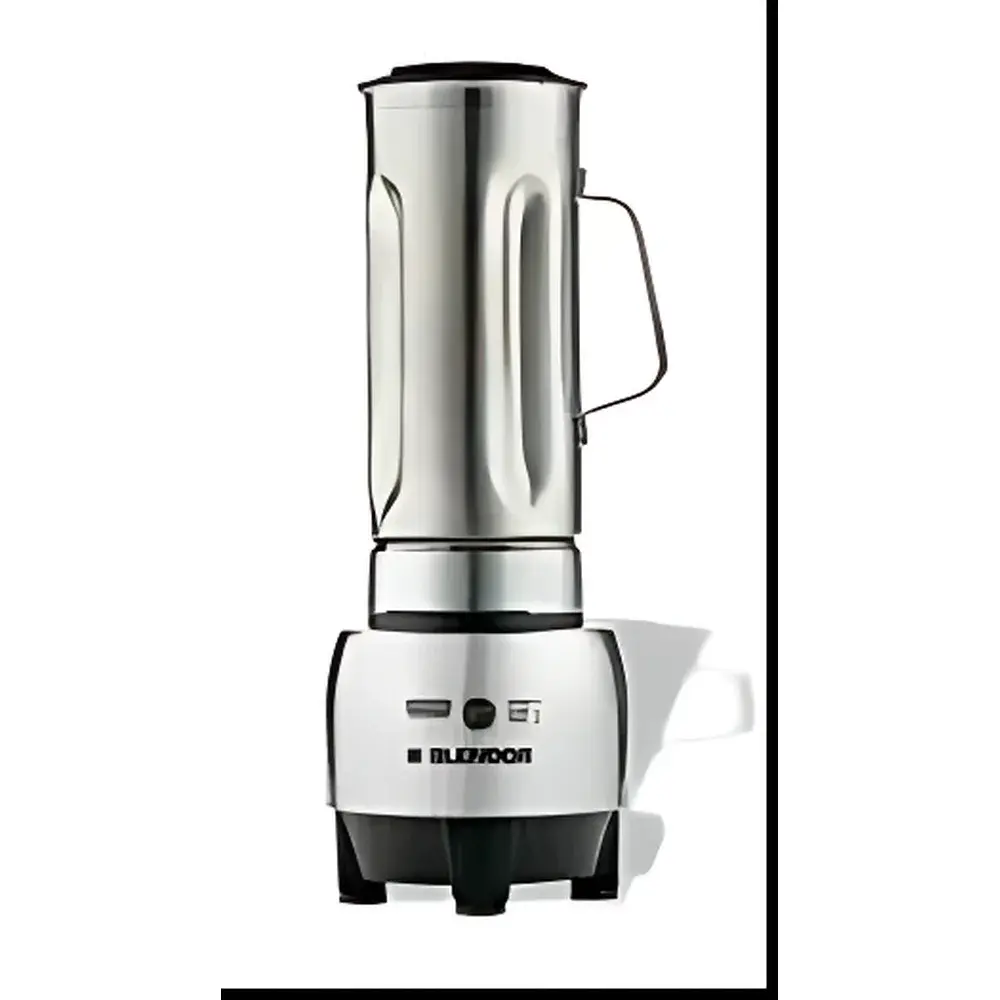
Waring 800S/8011S/8010S/LB20ES/7012S/7012G/HGB500/HGB550/24CB10C High-Performance Laboratory Homogenizers & Rotational Grinders
| Brand | Waring |
|---|---|
| Origin | USA |
| Model Series | 800S / 8011S / 8010S / LB20ES / 7012S / 7012G / HGB500 / HGB550 / 24CB10C |
| Capacity Range | 1 L – 4 L |
| Max Speed | 22,000 rpm (800S, 8011S, 7012S, 7012G) to 23,000 rpm (HGB550) |
| Power Supply | 230 V, 50/60 Hz, Single-Phase AC |
| Motor Housing | Epoxy-Coated Steel or Stainless Steel Base |
| Vessel Material | Autoclavable Stainless Steel (standard) or Borosilicate Glass (7012G) |
| Lid Construction | Dual-Layer Polyethylene/Polystyrene |
| Certifications | UL Listed, NSF Certified |
| Drive Mechanism | Precision Metal Coupling with Rubber Sheathing (HGB550, 24CB10C) |
| Bearing System | High-Load Spherical Bearings (24CB10C) |
| Cord Length | 183 cm (HGB550) to 213 cm (24CB10C) |
| Weight Range | 3.8 kg (800S) to 17.24 kg (24CB10C) |
Overview
The Waring 800S, 8011S, 8010S, LB20ES, 7012S, 7012G, HGB500, HGB550, and 24CB10C series represent a comprehensive platform of high-torque, variable-speed laboratory homogenizers engineered for reproducible cell disruption, tissue homogenization, emulsification, suspension preparation, and particle size reduction. These instruments operate on the principle of high-shear rotational homogenization—utilizing precisely balanced stainless-steel blades rotating at controlled speeds within sealed vessels to generate intense fluid shear, cavitation, and turbulent mixing. Designed for rigorous daily use in academic research labs, pharmaceutical QC environments, food safety testing facilities, and clinical diagnostics laboratories, each model integrates robust mechanical architecture with compliance-critical safety features. All units meet UL 61010-1 and NSF/ANSI 51 standards for electrical safety and materials contact with food-grade or biological samples, ensuring suitability for GLP-compliant workflows and routine audit readiness.
Key Features
- Multiple speed configurations: Fixed-speed (800S), dual-speed (8011S, HGB500), 7-position stepped control (7012S/G), continuously variable 0–20,000 rpm (LB20ES), and multi-range pulse-capable operation (24CB10C).
- Autoclavable stainless-steel sample vessels (1–2 L standard; 4 L optional) with ergonomic handles and leak-resistant sealing geometry—validated for repeated sterilization cycles at 121 °C, 15 psi.
- Chemically resistant dual-layer polyethylene/polystyrene lids provide effective containment during high-speed operation while minimizing aerosol generation and cross-contamination risk.
- Epoxy-coated steel or stainless-steel motor bases ensure long-term corrosion resistance and structural stability under continuous load conditions.
- High-efficiency induction motors deliver consistent torque across speed ranges, minimizing thermal drift and enabling extended runtimes without performance degradation.
- Integrated metal drive couplings with elastomeric sheathing (HGB550, 24CB10C) ensure precise blade alignment and vibration damping, critical for maintaining sample integrity and operator safety.
- NSF-certified construction materials—including FDA-compliant polymers and 304/316 stainless-steel components—support applications requiring adherence to 21 CFR Part 11 data integrity principles when paired with validated software interfaces.
Sample Compatibility & Compliance
These homogenizers accommodate a broad spectrum of sample types—including soft animal tissues (liver, spleen), fibrous plant material, microbial pellets, viscous suspensions, and semi-solid food matrices—without requiring pre-chilling or cryogenic assistance in most standard protocols. Vessel options include autoclavable stainless-steel (800S through HGB550) and borosilicate glass (7012G), permitting optical monitoring and compatibility with aggressive solvents. All models comply with IEC 61000-6-3 (EMC emissions) and IEC 61000-6-2 (immunity), facilitating integration into regulated laboratory infrastructure. Documentation packages include Declaration of Conformity, UL File E113947, and NSF Listing Certificate #C003397, supporting audit trails for ISO/IEC 17025, FDA 21 CFR Part 11, and EU Annex 11 validation requirements.
Software & Data Management
While standalone operation is fully functional via front-panel controls, the LB20ES, 7012S/G, HGB550, and 24CB10C models support optional digital interface modules compatible with Waring’s LabLink™ PC software suite (v3.2+). This application enables remote speed parameter logging, runtime profiling, user-access-controlled method storage, and CSV-exportable audit trails—including timestamps, operator IDs, and vessel identification tags. When deployed in validated environments, the system supports electronic signature capture and configurable retention policies aligned with ALCOA+ data governance frameworks. Firmware updates are delivered via secure HTTPS channels with SHA-256 hash verification to maintain cryptographic integrity.
Applications
- Pre-analytical sample preparation for LC-MS, ELISA, and qPCR workflows requiring uniform lysis and nucleic acid/protein recovery.
- Homogenization of pharmacopeial reference standards per USP <711> and EP 2.9.32 dissolution matrix protocols.
- Particle size distribution analysis feedstock preparation for laser diffraction (ISO 13320) and dynamic light scattering (ISO 22412) instrumentation.
- Routine quality control of emulsions, sauces, dairy products, and nutraceutical suspensions per AOAC 985.29 and ISO 660 methodologies.
- Microbiological sample processing for ASTM D5743 and ISO 11731 enumeration assays, including membrane filter eluate homogenization.
- Environmental sediment and sludge dispersion prior to heavy metal extraction (EPA Method 3050B) and organic contaminant analysis (EPA Method 3540C).
FAQ
Are all Waring homogenizer vessels autoclavable?
Yes—stainless-steel vessels across the 800S through HGB550 series are rated for repeated autoclaving at 121 °C, 15 psi. The 7012G glass vessel is heat-resistant but not autoclavable; it is cleaned via detergent-based immersion or validated CIP protocols.
Can these units be integrated into a LIMS or ELN environment?
When equipped with LabLink™ interface hardware and configured per Waring’s Validation Support Package (VSP-2024), full bi-directional communication with major LIMS/ELN platforms—including Thermo Fisher SampleManager, LabWare LIMS, and Benchling—is supported via OPC UA or RESTful API endpoints.
What maintenance intervals are recommended for bearing systems?
The 24CB10C model employs sealed high-load spherical bearings with a nominal service life of 15,000 operational hours under typical load conditions; no scheduled lubrication is required. All other models utilize maintenance-free induction motor assemblies with thermal overload protection.
Is pulse-mode operation available on all models?
Only the 24CB10C features dedicated pulse-mode functionality—programmable in 0.5–30 second increments—to minimize heat-sensitive analyte degradation during extended homogenization cycles.
Do these instruments meet FDA requirements for use in GMP manufacturing support labs?
Yes—UL/NSF certification, traceable component sourcing, and availability of IQ/OQ documentation templates (per ASTM E2500) enable qualification under FDA 21 CFR Part 211 and EU GMP Annex 15 guidelines when implemented with appropriate procedural controls.



