BCC MGA-6000 TDLAS-Based Formaldehyde and Formic Acid Online Gas Analyzer
| Brand | BCC |
|---|---|
| Model | MGA-6000 |
| Measurement Principle | Tunable Diode Laser Absorption Spectroscopy (TDLAS) |
| Target Gases | Formaldehyde (HCHO), Formic Acid (HCOOH) |
| Accuracy | ≤ ±1% FS |
| Repeatability | ≤ 1% FS |
| Zero/ Span Drift | ≤ ±1% FS / 24 h |
| Response Time (T90) | ≤ 20 s |
| Detection Limit | 1 ppb – 1 ppm (gas-dependent) |
| Measurement Ranges | 0–1, 0–10, 0–50, 0–100, 0–500, 0–1000 ppm, up to 100% vol (customizable) |
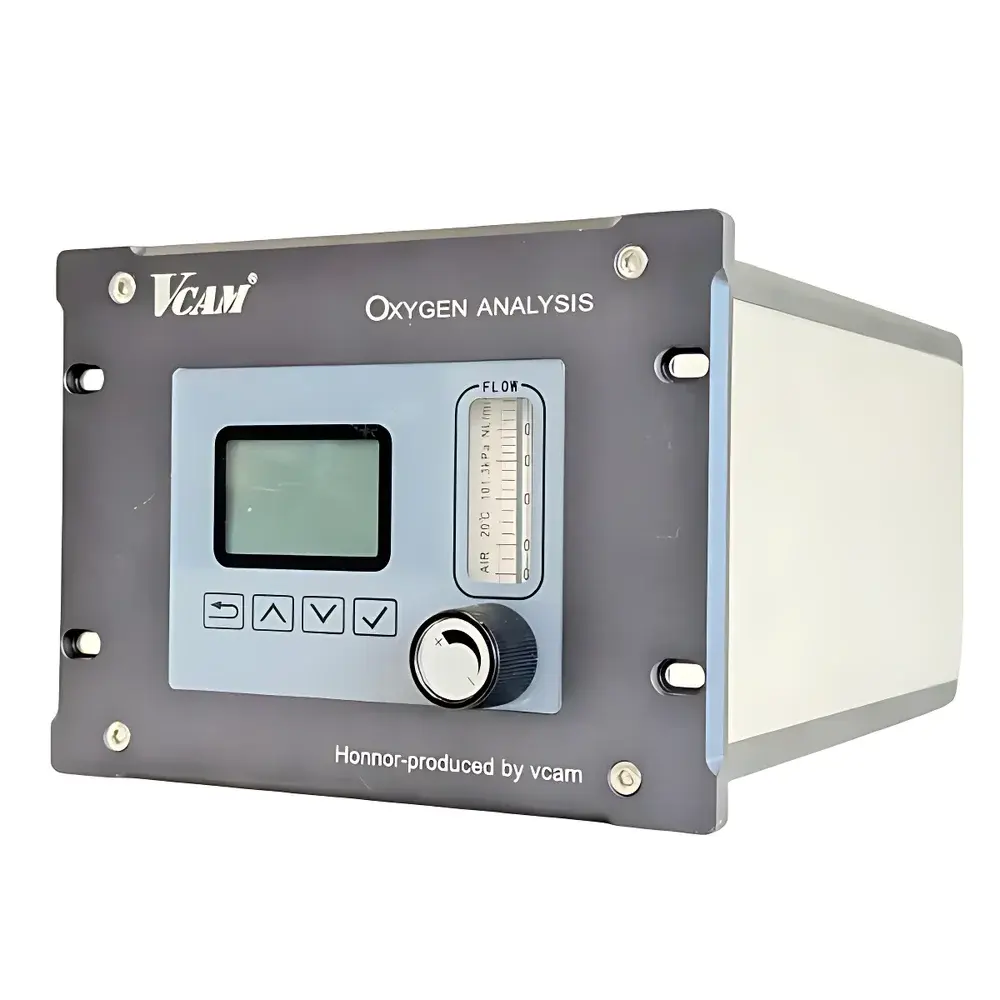
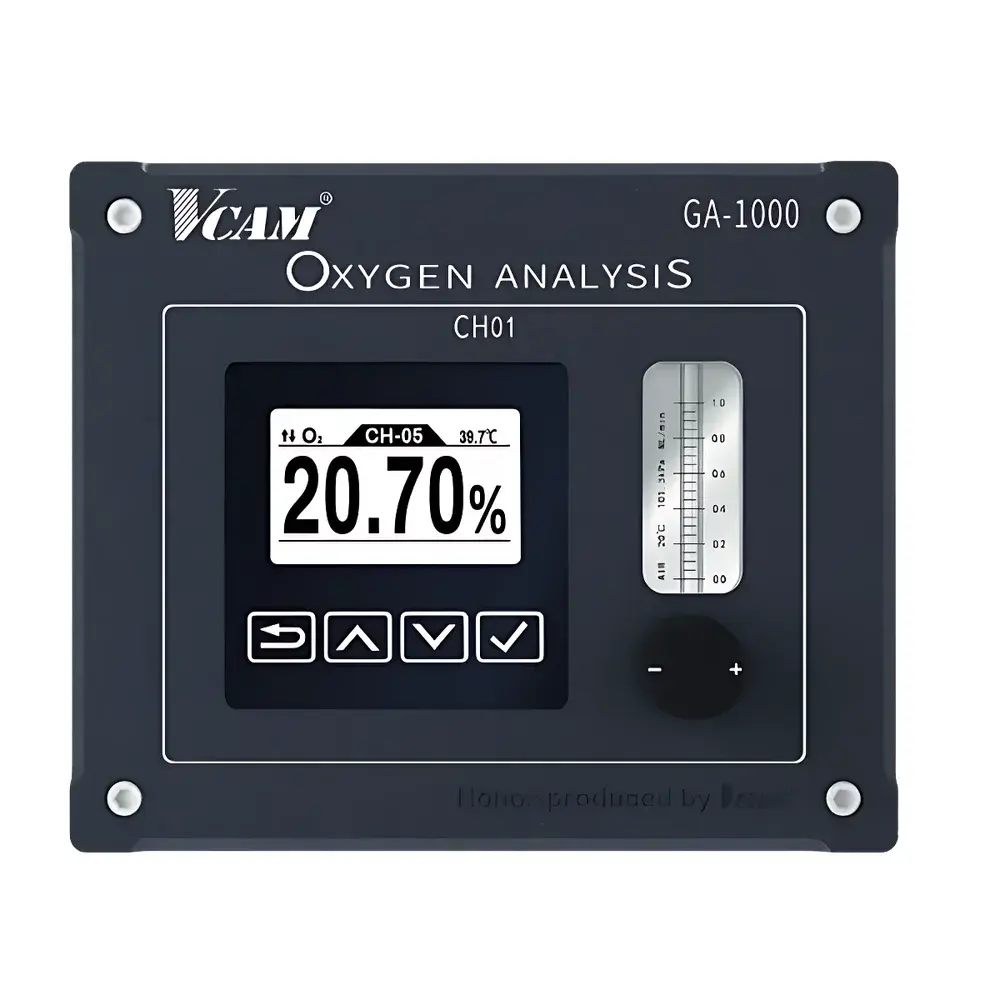
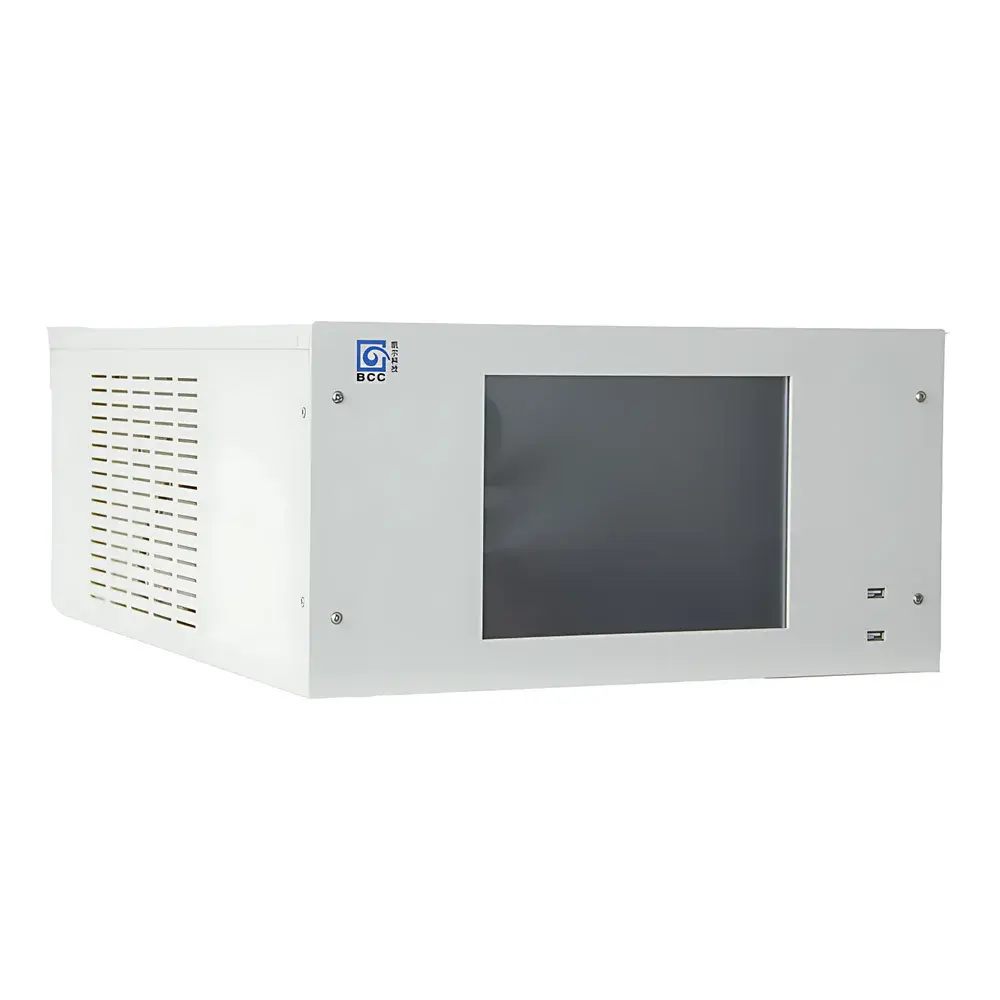
| Enclosure Options | 19" rack-mount, benchtop, portable |
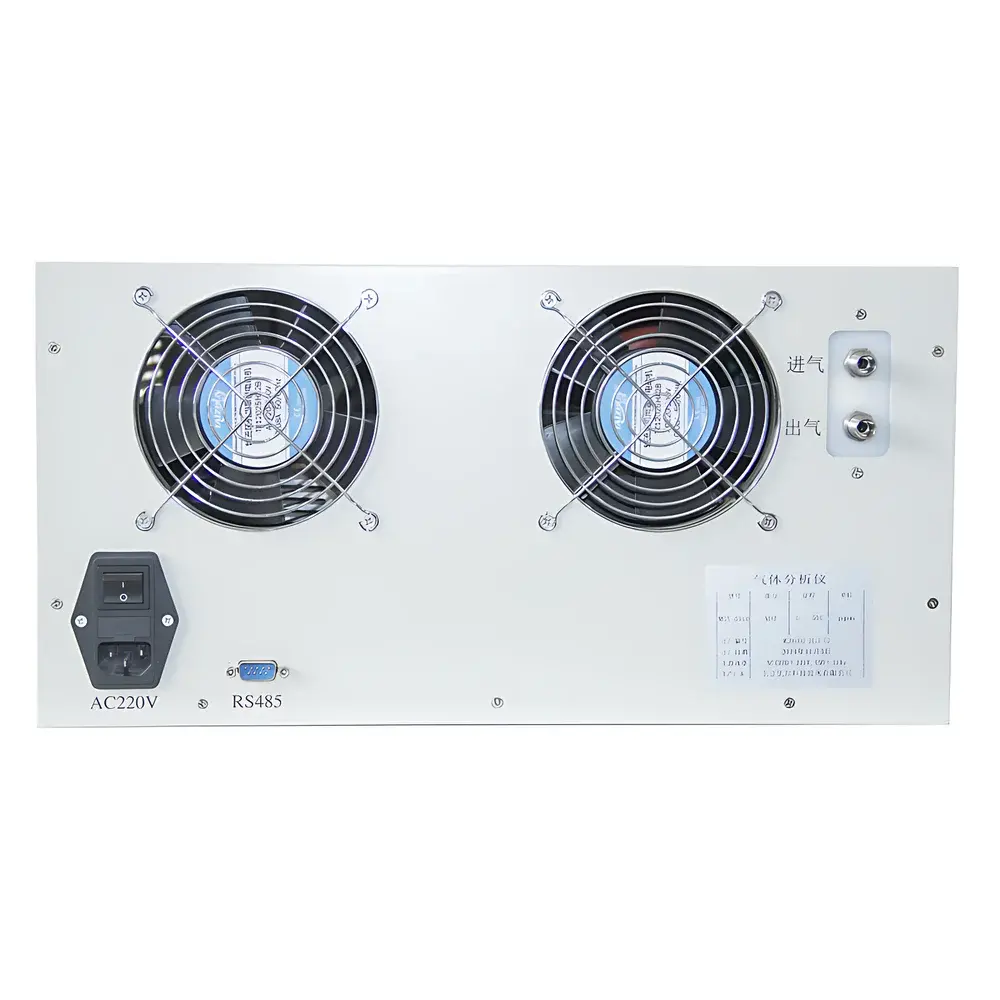
| Output Interfaces | 4–20 mA, RS232 / RS485, USB, Ethernet (TCP/IP) |
Overview
The BCC MGA-6000 is a high-performance, in-situ online gas analyzer engineered for continuous, real-time quantification of formaldehyde (HCHO) and formic acid (HCOOH) in industrial process streams, emission monitoring points, and safety-critical environments. It employs Tunable Diode Laser Absorption Spectroscopy (TDLAS), a physics-based optical technique that exploits the unique near-infrared absorption fingerprints of target molecules. Unlike electrochemical or catalytic bead sensors, TDLAS provides absolute concentration measurement without cross-sensitivity to background gases such as CO₂, H₂O, O₂, or hydrocarbons—enabling robust operation in complex, humid, or corrosive matrices. The instrument operates on the Beer–Lambert law, where laser wavelength is precisely scanned across a narrow rotational-vibrational transition line of each analyte; signal processing algorithms extract concentration via second-harmonic (2f) detection, minimizing baseline drift and enhancing signal-to-noise ratio. Designed for unattended 24/7 deployment, the MGA-6000 meets the metrological demands of ISO 14064-1–compliant greenhouse gas verification, EPA Method 320–aligned stack testing, and IEC 61511–defined functional safety loops.
Key Features
- Simultaneous dual-gas analysis: Independent, parallel TDLAS channels for formaldehyde and formic acid—no spectral interference, no reagent consumption, no calibration gas required for routine operation.
- High selectivity and immunity to matrix effects: Optical path design incorporates pressure and temperature compensation; integrated NDIR reference channel corrects for particulate scattering and window fouling.
- Sub-second response dynamics: T90 ≤ 20 s ensures timely detection of transient emissions during process upsets, catalyst regeneration, or solvent recovery events.
- Modular hardware architecture: Field-replaceable laser diodes, thermoelectric coolers (TEC), and photodetectors support extended service life (>5 years typical) with minimal downtime.
- Three mechanical configurations: 19″ 3U rack-mount unit for central control rooms; compact benchtop version for lab-scale validation or pilot plant integration; ruggedized portable variant with internal battery and IP65-rated enclosure for field commissioning and leak surveys.
- Comprehensive environmental resilience: Operates continuously at ambient temperatures from −10 °C to +50 °C and relative humidity up to 95% non-condensing.
Sample Compatibility & Compliance
The MGA-6000 is validated for direct sampling of hot, wet, and particulate-laden process gases—including flue gas, biogas upgrading streams, chemical reactor off-gas, and semiconductor cleanroom exhaust—without external conditioning (e.g., chiller, filter, or dilution). Its optical measurement cell features Hastelloy C-276 wetted parts and sapphire windows, ensuring compatibility with acidic vapors and trace halogens. The analyzer complies with CE marking requirements (EMC Directive 2014/30/EU, Low Voltage Directive 2014/35/EU), meets ATEX Zone 2 / IECEx Zone 2 certification prerequisites (pending third-party verification), and supports configuration for SIL2-capable safety instrumented systems per IEC 61508. Data integrity protocols align with FDA 21 CFR Part 11 expectations for electronic records and signatures when paired with optional audit-trail-enabled software.
Software & Data Management
Embedded firmware runs a deterministic real-time OS (VxWorks-based) with dual-core ARM Cortex-A9 processor. The onboard web interface (HTTPS-enabled) provides live spectra visualization, diagnostic logs, and remote parameter adjustment. Data export supports Modbus TCP, OPC UA (PubSub over UDP), and MQTT v3.1.1 for seamless integration into DCS (e.g., Emerson DeltaV, Siemens PCS7), SCADA platforms, or cloud-based IIoT dashboards (AWS IoT Core, Azure Industrial IoT). Optional BCC Analytical Suite software delivers automated calibration validation reports, drift trend analysis, and configurable alarm thresholds with email/SMS notification via SMTP/SNMP traps. All raw spectral data and processed results are timestamped with NTP-synchronized UTC and stored locally (16 GB eMMC) for ≥12 months at 1-second resolution.
Applications
- Emission monitoring of formaldehyde from resin manufacturing (urea-formaldehyde, phenol-formaldehyde) and wood composite plants per EU BREF LCP and US EPA 40 CFR Part 63 Subpart GGGGG.
- Real-time tracking of formic acid breakthrough in hydrogen purification units using palladium membrane reactors.
- Leak detection and fugitive emission quantification in pharmaceutical synthesis facilities handling formic acid as a reducing agent or pH adjuster.
- Process optimization in bioethanol dehydration columns where formic acid forms as a thermal degradation byproduct.
- Occupational exposure assessment in laboratories and coating application booths per OSHA PEL (0.3 ppm HCHO) and ACGIH TLV (0.1 ppm HCOOH).
FAQ
Does the MGA-6000 require zero/span calibration gas cylinders?
No—TDLAS is an absolute measurement technique. Zero calibration is performed via nitrogen purge or beam-block; span verification uses certified gas standards only during annual metrological verification.
Can the analyzer operate in explosive atmospheres?
The base model is rated for non-hazardous areas. Explosion-proof variants (ATEX II 2G Ex db IIB T4 Gb) are available upon request with flameproof enclosure and intrinsically safe I/O modules.
How is moisture interference mitigated in high-humidity samples?
The system applies multi-wavelength water vapor correction using a dedicated H₂O reference line within the same spectral region, eliminating need for external dryers or permeation dryers.
Is remote firmware update supported?
Yes—secure OTA updates via signed .bin packages over HTTPS or Ethernet, with rollback capability and CRC32 validation.
What documentation is provided for regulatory audits?
Factory calibration certificates (traceable to NIST SRMs), uncertainty budgets per GUM (JCGM 100:2008), and full IEC 62443-3-3 cybersecurity conformance reports are included with each unit.