
Bactron EZ-2 Anaerobic Incubator
| Origin | USA |
|---|---|
| Manufacturer Type | Authorized Distributor |
| Origin Category | Imported |
| Model | Bactron EZ-2 |
| Temperature Control Range | Ambient +5°C to 70°C |
| Temperature Uniformity & Stability | ±0.5°C at 37°C |
| Humidity Control Range | Ambient +5°C to 70°C (relative humidity maintained via integrated water reservoir and vapor saturation system) |
| Working Chamber Volume | 388 L |
| Incubation Chamber Volume | 48 L |
| Transfer Lock Volume | 14 L |
| Power Supply | 120–230 V, 50–60 Hz |
| Power Consumption | 1100 W |
| Certifications | TÜV-certified |
Overview
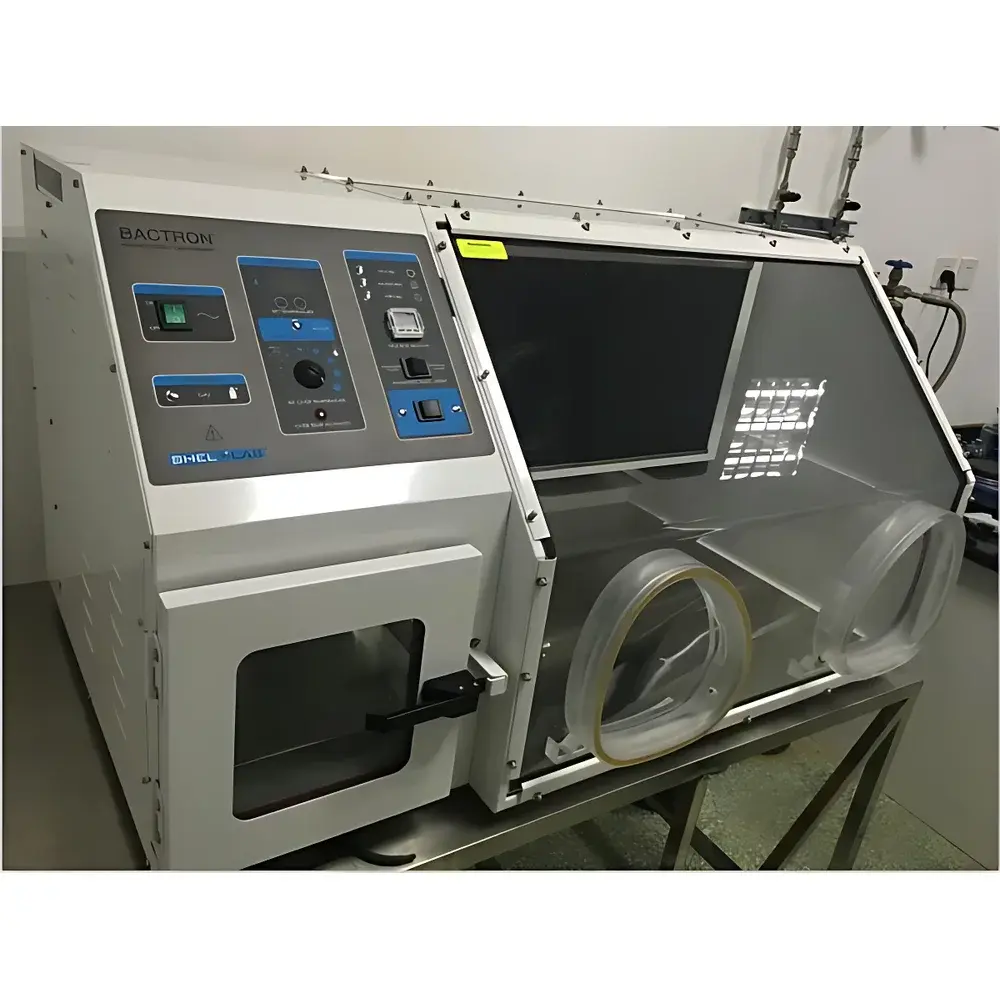
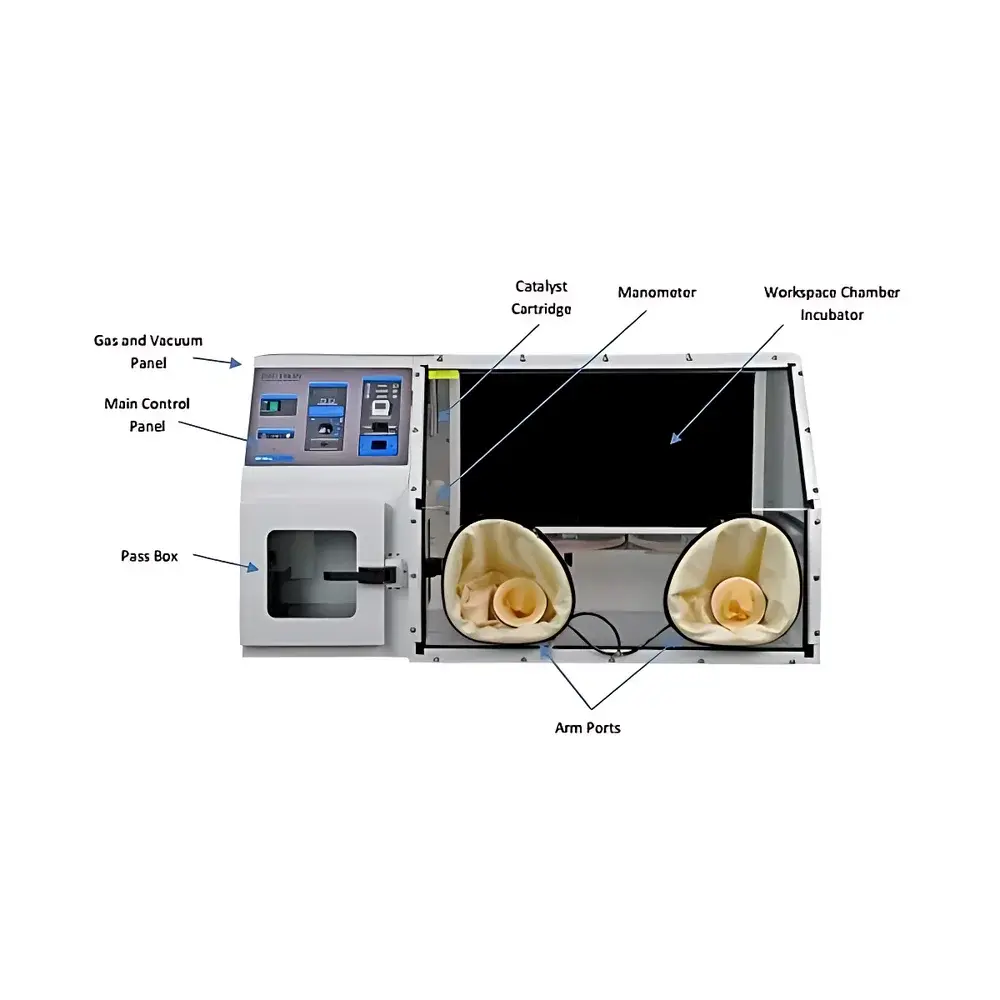
The Bactron EZ-2 Anaerobic Incubator is an engineered environmental control system designed for the reliable cultivation and maintenance of obligate anaerobic microorganisms under strictly oxygen-free conditions. Utilizing a dual-chamber architecture—comprising a sealed working chamber and an independent incubation chamber—the system eliminates the need for traditional glove ports while preserving strict anaerobiosis throughout handling, observation, and incubation workflows. Oxygen levels are actively controlled and monitored via catalytic oxygen scavenging (using palladium-based catalysts) combined with continuous nitrogen or hydrogen/nitrogen gas purging, achieving and sustaining O2 concentrations below 5 ppm. This architecture supports both microbiological isolation and long-term culture stability in compliance with CLSI M07-A10 and ISO 11133 standards for aerobic and anaerobic culture media performance testing.
Key Features
- Dual-compartment design: physically separated working chamber (388 L) and incubation chamber (48 L), enabling simultaneous manipulation and undisturbed culture incubation without compromising anaerobic integrity
- Glove-free operation: eliminates ergonomic strain and contamination risk associated with conventional glovebox interfaces; access via motorized or manual transfer lock (14 L volume)
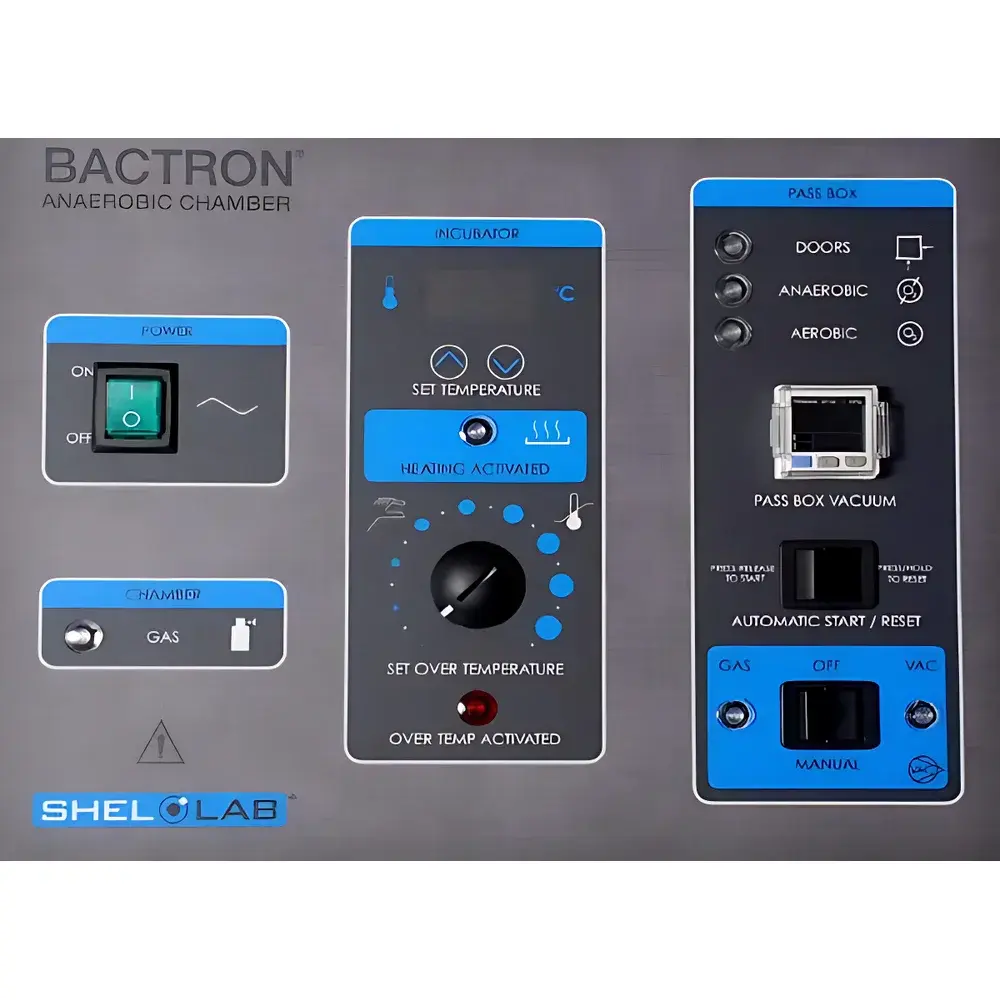
- Precision temperature control: PID-regulated heating system with ±0.5°C uniformity at 37°C across the incubation chamber, validated per ASTM E2234
- Condensation management system: integrated cold-wall technology and active dew-point control prevent interior surface condensation and fogging, ensuring unobstructed visual monitoring
- Pressure-balanced environment: automatic pressure relief valve maintains internal pressure within ±5 mbar of ambient, preventing door seal fatigue and operator discomfort during extended use
- Independent over-temperature safety cutoff: redundant thermal sensor triggers immediate heater shutdown and audible/visual alarm if chamber exceeds user-defined safety threshold
- Modular slide-out shelving: stainless-steel trays with reinforced edges protect work surfaces and support up to 300 standard Petri dishes (90 mm)
Sample Compatibility & Compliance
The Bactron EZ-2 accommodates a broad range of sample formats including agar plates, broth tubes, anaerobic jars (for validation cross-checks), and microtiter plates. Its chamber geometry and airflow dynamics have been validated for uniform gas distribution and rapid O2 depletion (<15 minutes from air to <10 ppm O2). The system complies with ISO 13408-2 (aseptic processing of pharmaceuticals), supports GLP-compliant recordkeeping when paired with optional data loggers, and meets electrical safety requirements per IEC 61010-1 and TÜV certification standards. Optional accessories—including CO2/O2 gas analyzers and catalytic converter service kits—enable alignment with USP <61> and FDA 21 CFR Part 11 audit-trail readiness when integrated with compliant software platforms.
Software & Data Management
While the Bactron EZ-2 operates via an intuitive front-panel interface with real-time display of temperature, pressure, and operational status, it supports optional RS-485 or Ethernet connectivity for integration into centralized laboratory monitoring systems (e.g., LabVantage, Thermo Fisher SampleManager). Temperature setpoints, alarm thresholds, and cycle logs can be exported as CSV files for QA/QC documentation. When configured with third-party validated data acquisition modules, the system supports electronic signatures, user-access controls, and immutable audit trails meeting FDA 21 CFR Part 11 requirements for regulated environments.
Applications
- Clinical microbiology: isolation and identification of *Clostridioides difficile*, *Bacteroides spp.*, *Fusobacterium*, and other fastidious anaerobes per CLSI guidelines
- Pharmaceutical quality control: anaerobic bioburden testing of sterile products and raw materials
- Food safety laboratories: enumeration of spoilage anaerobes and pathogenic spore-formers in shelf-stable products
- Research applications: gut microbiota modeling, fermentation kinetics studies, and host-microbe interaction assays requiring stable redox potential (Eh < −150 mV)
- Veterinary diagnostics: culture of obligate anaerobes from equine, bovine, and porcine clinical specimens
FAQ
How is anaerobic atmosphere established and maintained in the Bactron EZ-2?
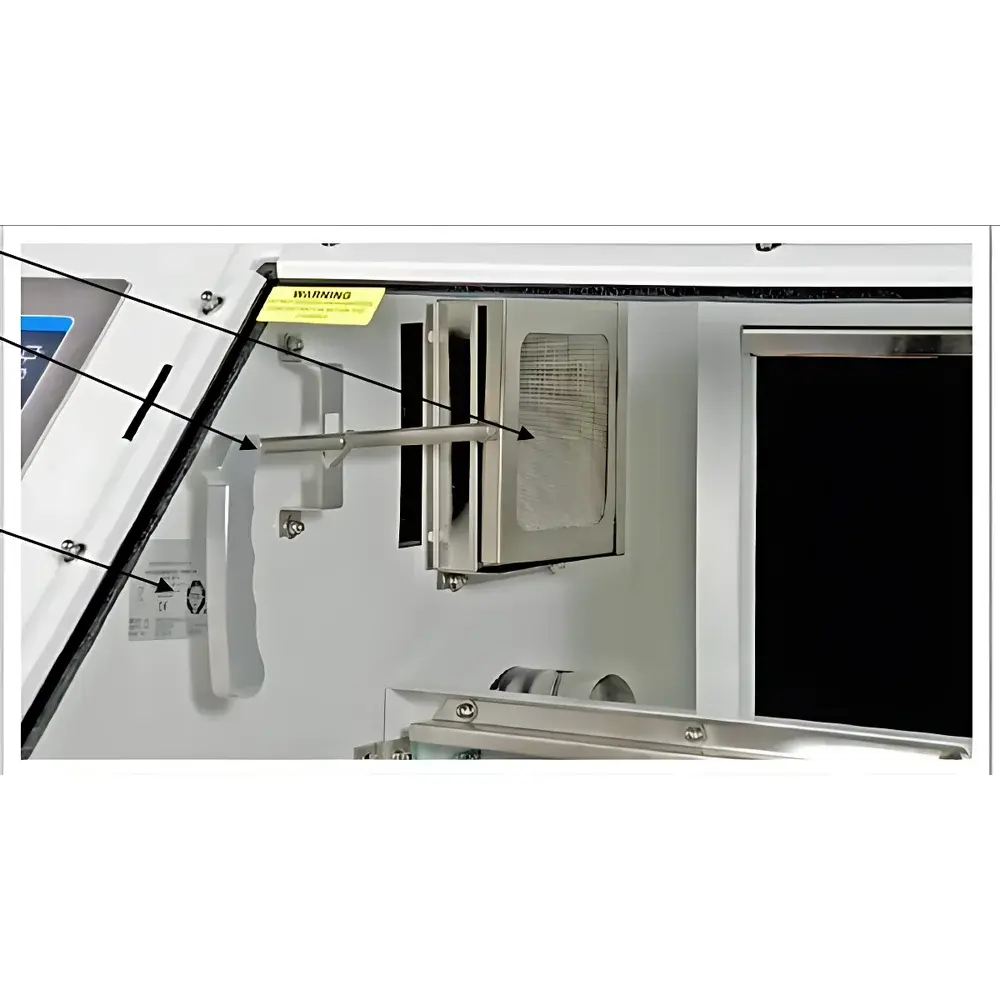
The system uses a combination of nitrogen purge cycles, palladium-catalyzed hydrogen-oxygen recombination, and continuous low-flow gas monitoring to achieve and sustain O2 levels below 5 ppm. Catalyst regeneration is performed automatically during routine operation.
Can the Bactron EZ-2 accommodate custom-sized culture vessels?
Yes—the working chamber features adjustable stainless-steel shelves and removable dividers; maximum vessel height is constrained only by the 64 cm internal chamber depth.
Is remote monitoring supported out of the box?
Standard configuration includes local display and manual controls; remote monitoring requires optional communication module installation and compatible SCADA or LIMS integration.
What maintenance intervals are recommended for the catalyst and gas system?
Palladium catalyst cartridges should be inspected every 6 months and replaced annually under typical usage; gas line filters require quarterly replacement per manufacturer’s preventive maintenance schedule.
Does the system support humidification control independent of temperature?
Humidity is passively maintained via integrated water reservoirs and saturated vapor diffusion; RH typically stabilizes between 85–95% at 37°C, with no active RH feedback loop—consistent with ISO 11133 Annex C recommendations for anaerobic culture support.
Related Products



