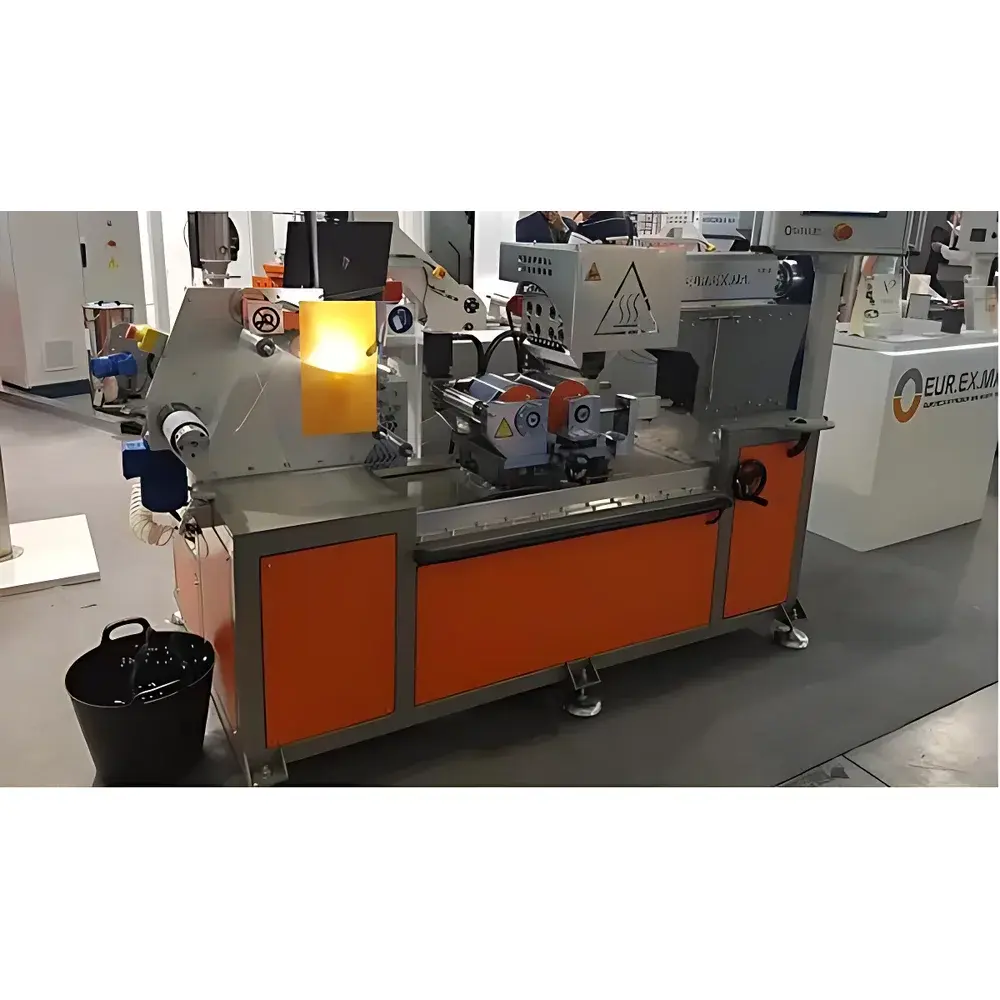
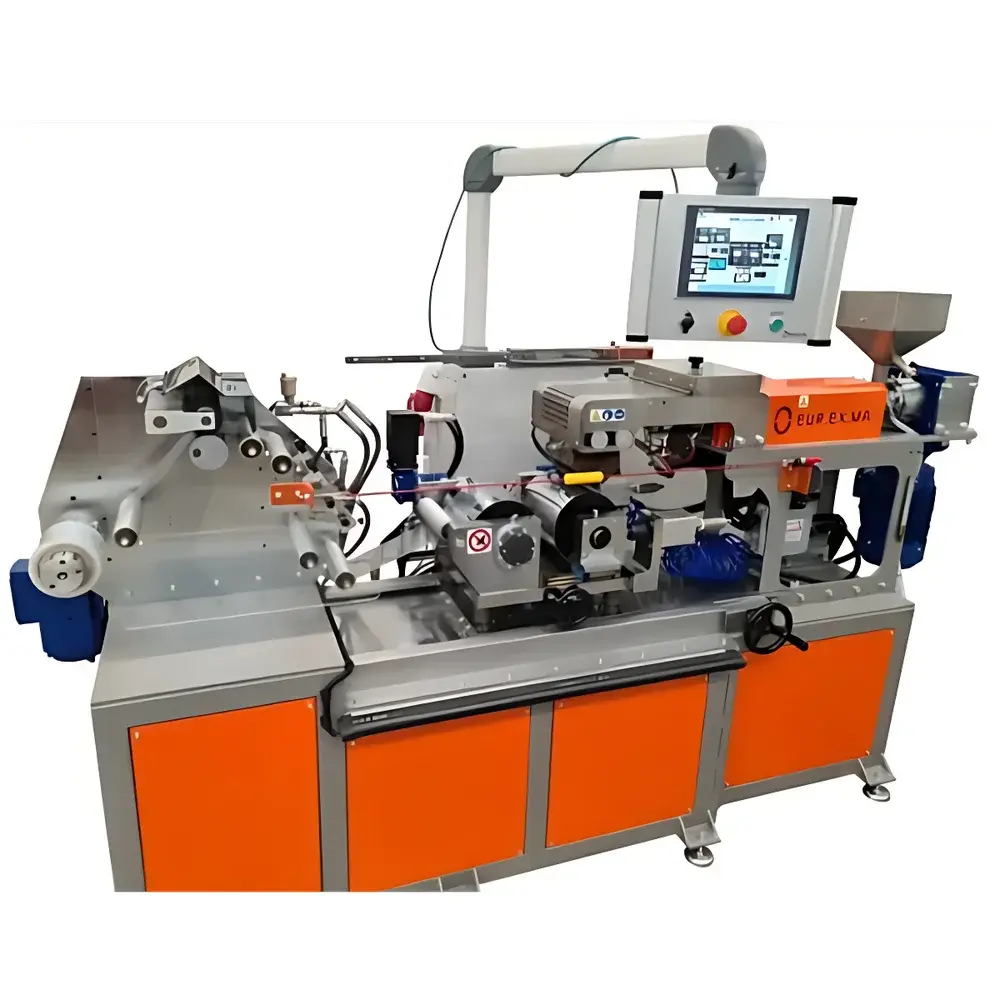
Laboratory-Scale Cast Film Extrusion Line – Eurotech Minicast Series (XTR20 / XTR25)
| Brand | Eurotech |
|---|---|
| Origin | Italy |
| Model | XTR20 / XTR25 |
| Extruder Type | Single-Screw Cast Film Extruder |
| Die Material | Special Alloy Steel |
| Chill Roll Configuration | Single, Dual, or Triple Roll |
| Web Width Range | 100–500 mm |
| Optional Features | Unwind Unit for Extrusion Coating, In-Line Gel Detection System |
| Supply Type | Imported Equipment |
| Distributor Status | Authorized General Distributor |
Overview
The Eurotech Minicast Series laboratory-scale cast film extrusion line is an engineered platform designed for R&D laboratories, formulation development centers, and quality assurance units in polymer science, elastomer processing, and advanced packaging material development. Based on the fundamental principles of melt extrusion and quench casting, the system delivers controlled, reproducible thin-film formation through precise temperature management, metered melt delivery, and rapid surface solidification on chilled rolls. Unlike blown film or calendering systems, cast film extrusion enables superior thickness uniformity, enhanced optical clarity, reduced internal stress, and minimal bubble-induced defects—making it especially suitable for evaluating thermoplastic elastomers (TPE), polyolefins, biopolymers, and functional barrier resins under tightly regulated process conditions.
Key Features
- Modular single-screw extrusion architecture with XTR20 (20 mm screw diameter) and XTR25 (25 mm screw diameter) variants—optimized for low-volume, high-precision melt processing (typical throughput range: 0.5–5 kg/h depending on resin viscosity and die gap)
- Die assembly fabricated from high-hardness special alloy steel (e.g., AISI H13 or equivalent), heat-treated for thermal stability and wear resistance; precision-machined land and lip geometry ensures laminar flow distribution and edge-to-edge thickness consistency
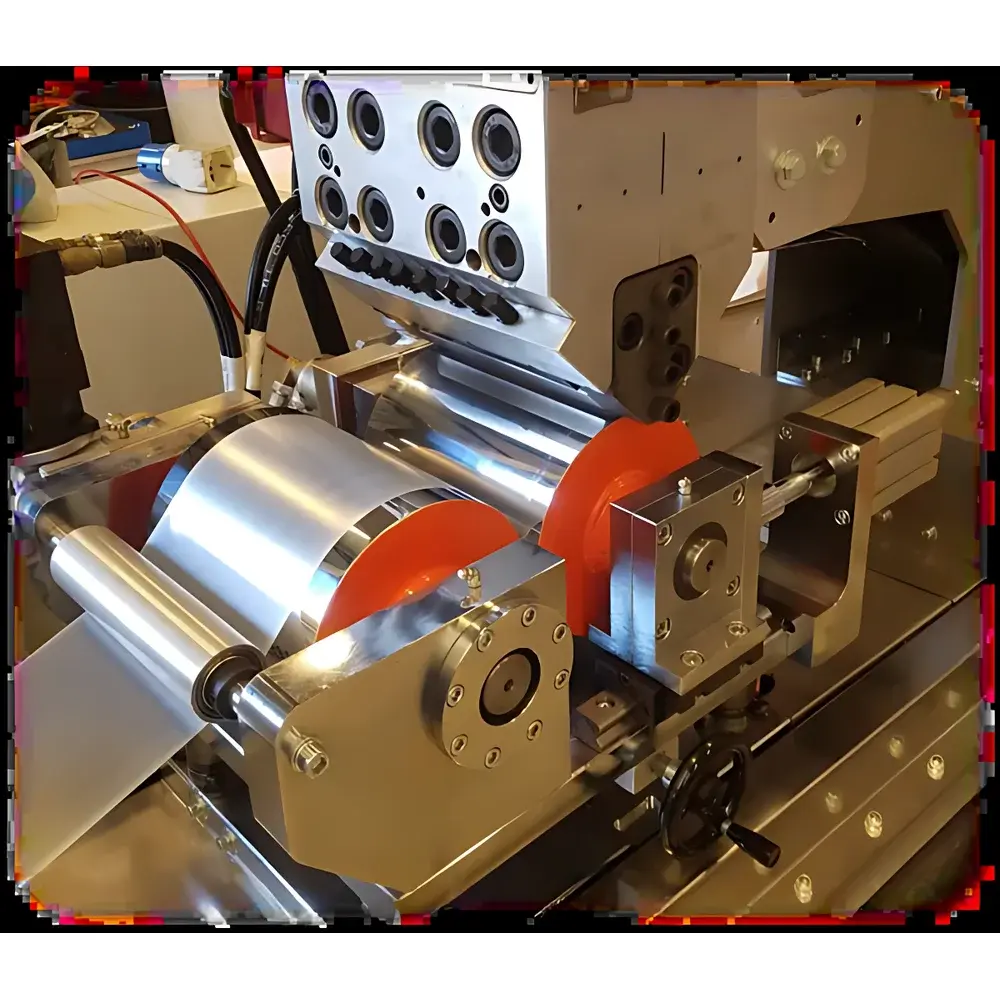
- Chill roll station configurable as single-roll, dual-roll, or triple-roll arrangement—each roll independently temperature-controlled (±0.5 °C) via integrated thermostatic oil circulation system to support rapid quenching and crystallinity tuning
- Optional unwind unit compatible with carrier webs (e.g., PET, BOPP, metalized films) for co-extrusion coating trials, enabling evaluation of adhesion, interfacial compatibility, and cross-layer thermal behavior
- Integrated drive system with vector-controlled AC servomotors and high-resolution encoders ensures stable line speed control (0.1–10 m/min) and synchronized operation across extruder, chill rolls, and winder
Sample Compatibility & Compliance
The Minicast system accommodates a broad spectrum of thermoplastic and thermoplastic elastomeric materials—including PP, PE, PS, TPU, TPE-S, PLA, PHA, and specialty engineering resins—provided they exhibit sufficient melt stability below 300 °C. Feedstock forms include pellets, granules, and pre-compounded masterbatches. All wetted components comply with EU Machinery Directive 2006/42/EC and meet CE marking requirements. The system supports method development aligned with ASTM D2020 (Standard Test Methods for Cast Film), ISO 1183 (Plastics—Determination of Density), and ISO 527-3 (Tensile Properties of Films). When equipped with audit-trail-enabled controllers and calibrated transducers, it facilitates GLP-compliant documentation for regulatory submissions in medical device packaging and food-contact applications.
Software & Data Management
The Minicast line operates under Eurotech’s proprietary CAST-LAB™ control interface—a Windows-based HMI platform offering real-time visualization of extruder zone temperatures, motor torque/load, melt pressure, chill roll surface temperature, and line speed. All process parameters are logged at user-defined intervals (minimum 1 Hz) and exported in CSV or .tdms format for post-processing in MATLAB, Python, or statistical analysis tools. Optional data acquisition modules support integration with third-party lab information management systems (LIMS) and provide electronic signatures compliant with FDA 21 CFR Part 11 when paired with validated user authentication protocols.
Applications
- Rapid screening of polymer formulations for melt strength, die swell, and quench sensitivity
- Development of monolayer and co-extruded barrier films for pharmaceutical blister packaging and flexible electronics encapsulation
- Process window mapping for new bio-based resins requiring narrow thermal degradation margins
- Adhesion testing of extrusion-coated substrates under variable cooling rates and web tensions
- Calibration reference generation for inline thickness gauges (beta backscatter, IR, or eddy current sensors)
- Training platform for polymer processing engineers on shear-thinning behavior, crystallization kinetics, and orientation effects in quenched films
FAQ
What is the minimum sample quantity required to run a trial on the Minicast line?
Typical minimum batch size is 200–300 g for initial calibration and 500 g for full parameter sweeps—sufficient to generate ~2–5 meters of representative film at standard gauge.
Can the system be validated for GMP environments?
Yes—when supplied with IQ/OQ documentation packages, calibrated transducers traceable to NIST standards, and 21 CFR Part 11–compliant software options, the line meets baseline qualification requirements for pilot-scale manufacturing support.
Is retrofitting for twin-screw extrusion possible?
No—the Minicast platform is structurally optimized for single-screw extrusion only; Eurotech offers separate twin-screw lab lines (e.g., TwinLab series) for reactive extrusion or high-viscosity compounding.
Does the in-line gel detection system require external lighting or image processing hardware?
The optional gel detection module integrates a collimated LED backlight and high-sensitivity line-scan camera with real-time threshold-based particle recognition firmware—no external PC or vision software license is needed.