DJ MicroLaminates SUEX/ADEX Series Negative-Tone Dry Film Photoresist for Wafer-Level Packaging and MEMS
| Key | Brand: DJ MicroLaminates |
|---|---|
| Origin | USA |
| Product Type | Dry Film Photoresist (DFR) |
| Chemistry | Cationic UV-Curable Modified Epoxy |
| Tone | Negative |
| Exposure Range | 350–400 nm UV |
| Thickness Options | 5 µm to >1 mm (standard: 100, 150, 200, 250, 350, 500, 650, 750 µm, 1 mm) |
| Substrate Compatibility | Si, SiNₓ, Cu, Au, glass, polymers, oxides |
| Storage Condition | Acclimate 15–18 h at 21–25 °C prior to lamination |
| Processing Time | <5 min total |
Overview
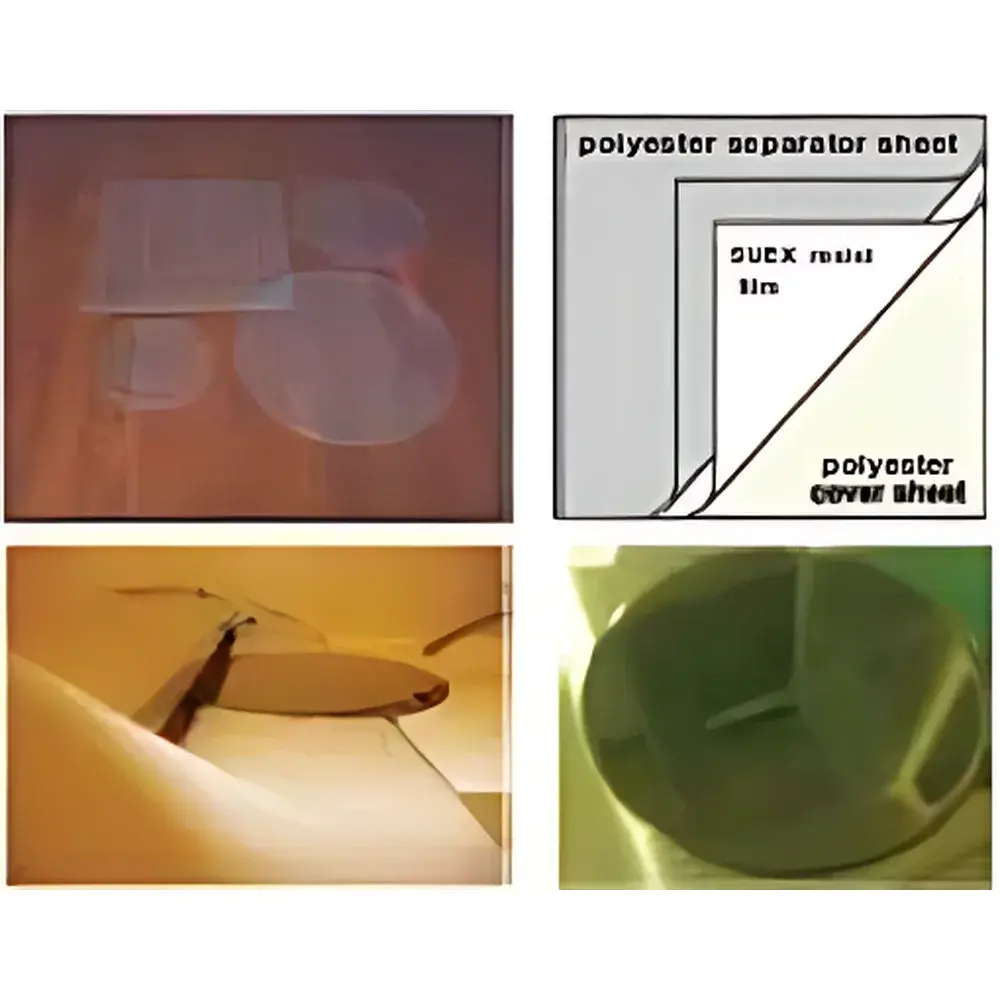
The DJ MicroLaminates SUEX/ADEX Series is a family of high-performance, solvent-free, negative-tone dry film photoresists engineered specifically for demanding wafer-level packaging (WLP), 2.5D/3D integration, and MEMS fabrication processes. Unlike liquid spin-on resists, these films utilize a cationic photopolymerization mechanism initiated by UV radiation (350–400 nm), enabling rapid, uniform crosslinking of a modified epoxy matrix containing antimony-free photoacid generators (PAGs). The film structure consists of a photosensitive epoxy layer sandwiched between two removable polyester (PET) carrier films—designed for precise, defect-free lamination onto planar or slightly topographic substrates including silicon wafers, glass carriers, copper redistribution layers, and ceramic substrates. Its solvent-free formulation eliminates volatile organic compound (VOC) emissions, reduces cleanroom contamination risk, and aligns with ISO 14001 environmental management standards and semiconductor industry green manufacturing initiatives.
Key Features
- Solvent-free, antimony-free formulation compliant with RoHS 3 and REACH SVHC screening requirements
- Exceptional thickness uniformity (<±1.5% across 300 mm wafers) enabled by precision calendering and vacuum lamination
- Thermal stability up to 250 °C (short-term) and mechanical toughness suitable for subsequent etch, plating, and dicing processes
- Rapid processing cycle: full lamination, exposure, and development completed in under 5 minutes per wafer
- No edge bead removal required—eliminates process variability and improves yield in high-aspect-ratio patterning
- High optical transmission (>92% at 365 nm) supports high-resolution UV lithography and compatibility with synchrotron-based X-ray exposure systems
- Proven adhesion to diverse surfaces: native SiO₂, low-k dielectrics, electroplated Cu, sputtered Au, fused silica, polyimide, and BCB
Sample Compatibility & Compliance
The SUEX/ADEX series demonstrates robust adhesion and process stability on substrates commonly used in advanced packaging—including 200 mm and 300 mm silicon wafers, TSV-interposer stacks, fan-out redistribution layers (RDL), and MEMS sensor dies. All formulations are manufactured under controlled cleanroom conditions (ISO Class 7) and undergo rigorous lot-to-lot consistency testing per ASTM D1730 (adhesion), ASTM D2793 (thermal decomposition onset), and IPC-TM-650 2.4.1 (peel strength). Documentation packages support GLP/GMP environments and include CoA (Certificate of Analysis), CoC (Certificate of Conformance), and material safety data aligned with OSHA HCS 2012 and GHS classification.
Software & Data Management
While the SUEX/ADEX films themselves are passive materials, DJ MicroLaminates provides comprehensive digital process documentation—including validated lamination temperature/pressure profiles, exposure dose maps (mJ/cm²), post-exposure bake (PEB) recommendations, and developer concentration/timing matrices. These parameters integrate seamlessly into factory MES platforms via standardized CSV/Excel export formats. Traceability is maintained through batch-specific QR-coded labels supporting ISO 9001 traceability requirements and enabling full audit trails for FDA 21 CFR Part 11–compliant environments where electronic records are employed for process validation.
Applications
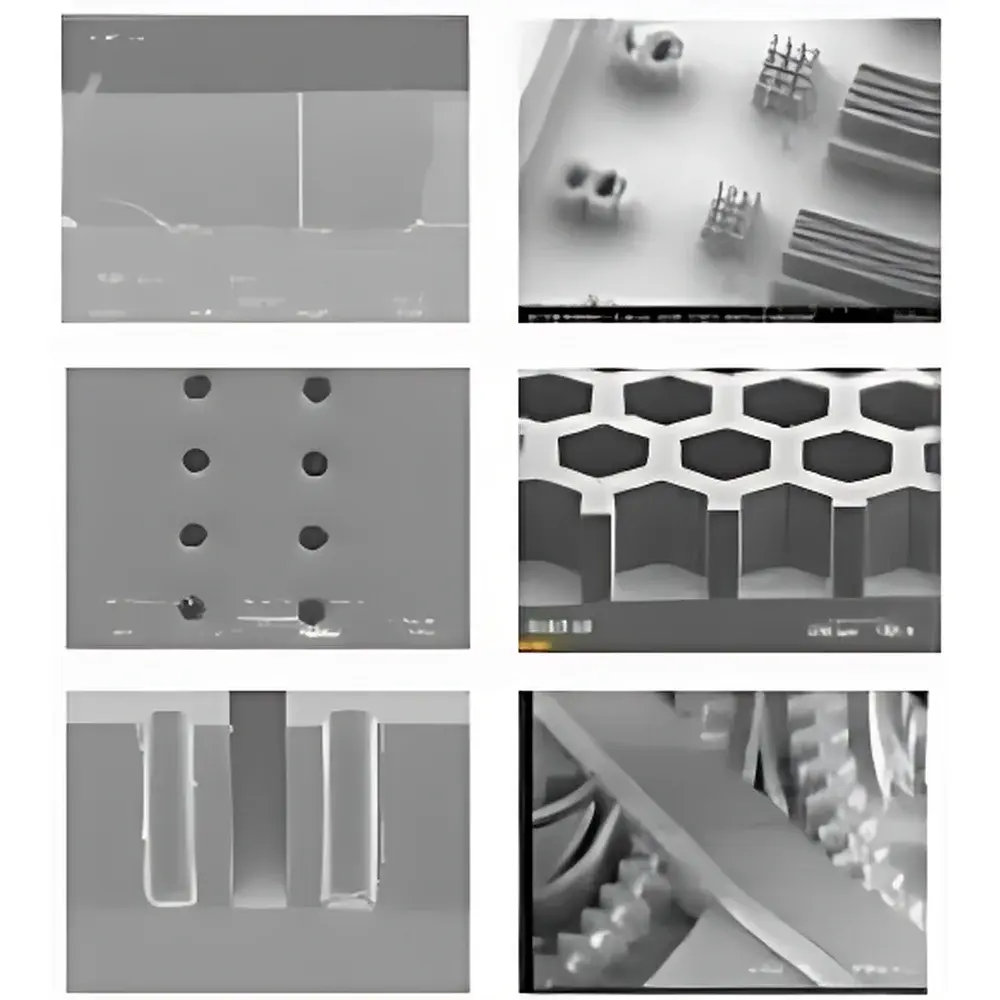
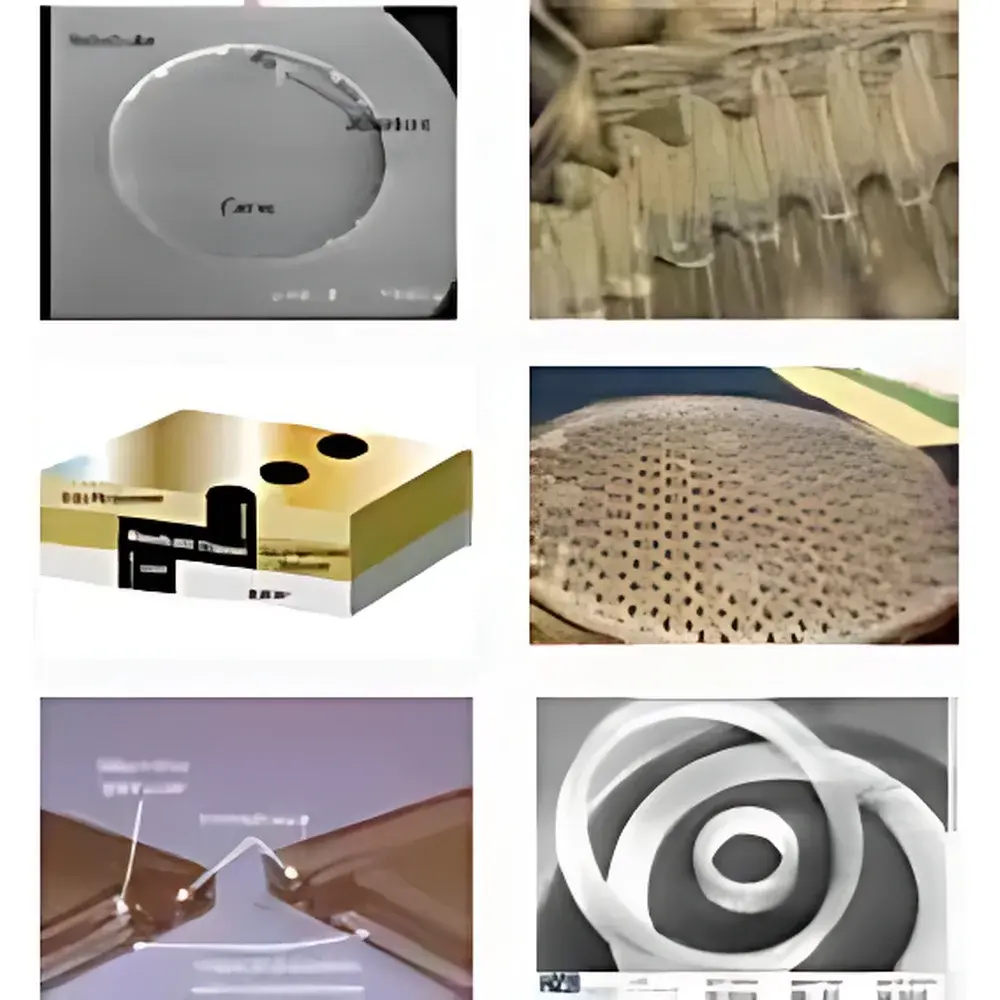
- Wafer-level underfill and redistribution layer (RDL) patterning in Fan-Out Wafer-Level Packaging (FOWLP)
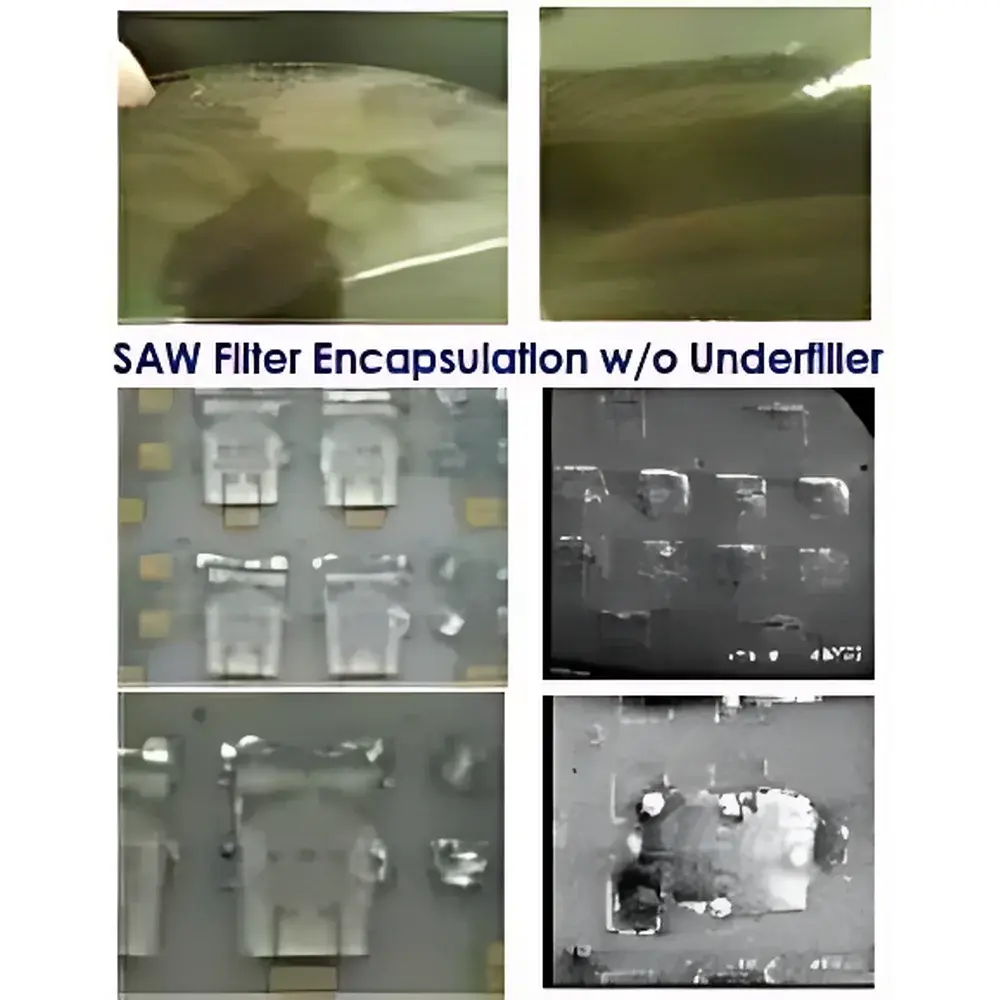
- MEMS cavity encapsulation and hermetic sealing layers
- High-aspect-ratio photo-defined solder mask for advanced interposers
- Electroplating molds for Cu pillar and micro-bump formation
- X-ray lithography masks for LIGA-style microstructure fabrication
- Temporary bonding/debonding layers in hybrid bonding and chiplet assembly
FAQ
What is the shelf life of SUEX/ADEX dry film under recommended storage conditions?
Unopened rolls retain full performance for 12 months when stored at 5–25 °C in original packaging; acclimation at 21–25 °C for 15–18 hours before use is mandatory.
Is plasma pretreatment required prior to lamination?
Not universally—adhesion is sufficient on native oxide Si or cleaned Cu, but O₂ plasma (50–100 W, 30–60 s) is recommended for low-surface-energy polymers or aged metal surfaces.
Can SUEX be developed using standard alkaline aqueous developers?
Yes—0.26 N tetramethylammonium hydroxide (TMAH) at 23 °C achieves full development in 60–90 seconds with minimal undercut (<0.5 µm at 5 µm line/space).
Does DJ MicroLaminates offer custom thickness or roll width configurations?
Yes—custom calendering and slitting services are available for non-standard thicknesses (e.g., 12 µm, 425 µm) and widths up to 450 mm to match specific stepper or laminator toolsets.
How does ADEX differ from SUEX Plus in terms of resolution capability?
ADEX achieves sub-2 µm half-pitch resolution with optimized UV exposure and proximity printing; SUEX Plus offers enhanced thermal reflow behavior for planarized RDL applications, with resolution limited to ~5 µm half-pitch under standard conditions.
Related Products