
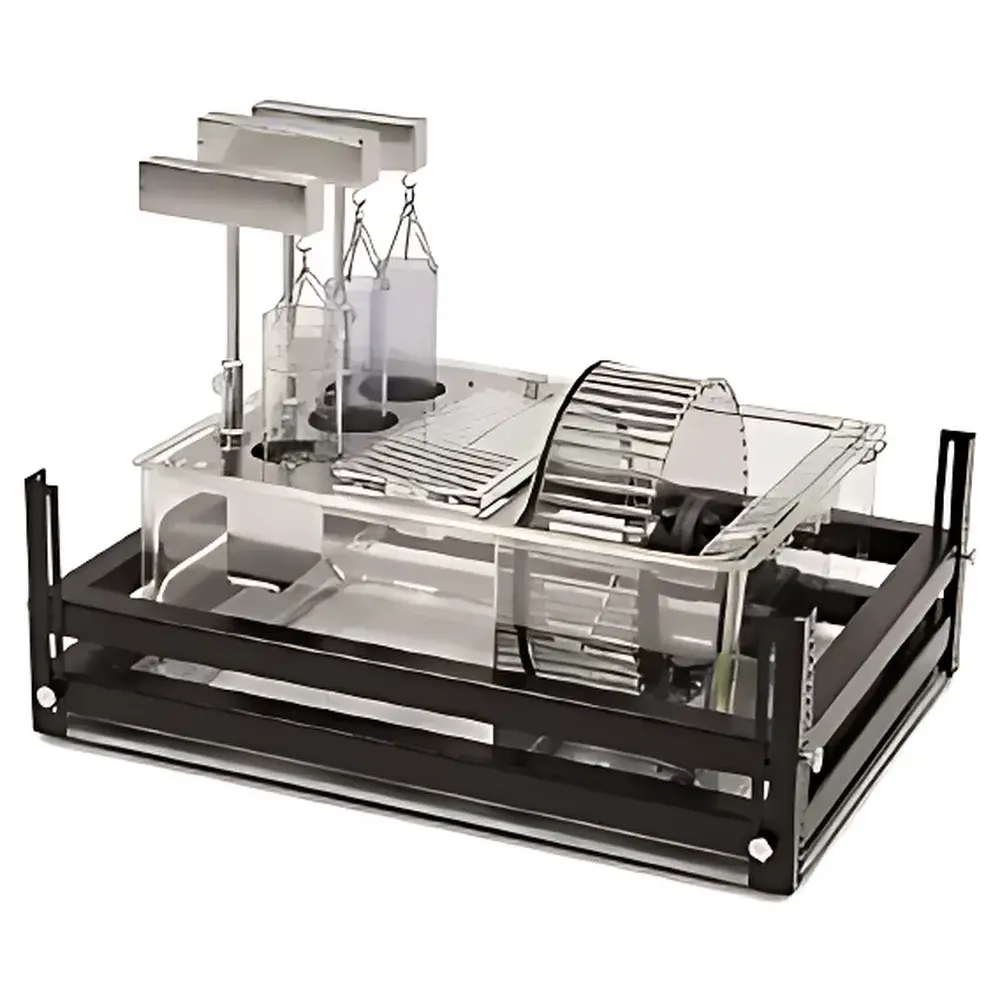
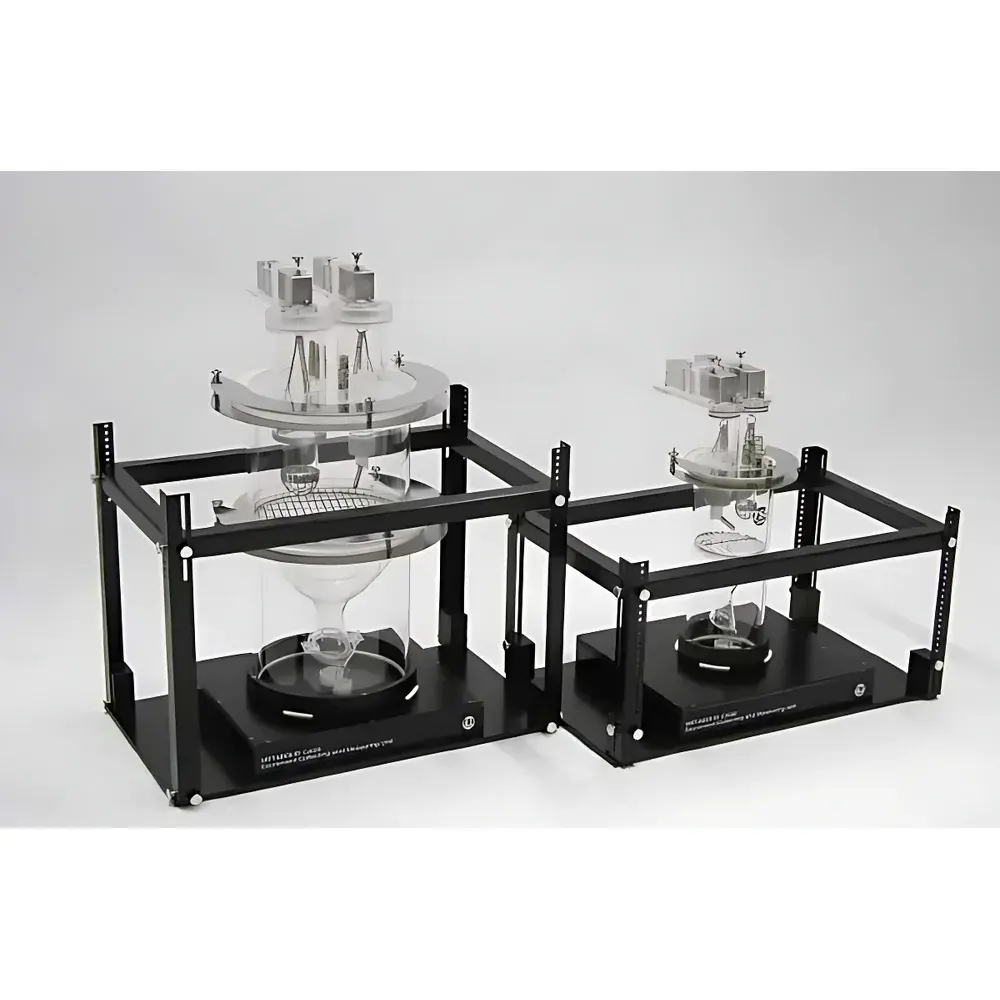
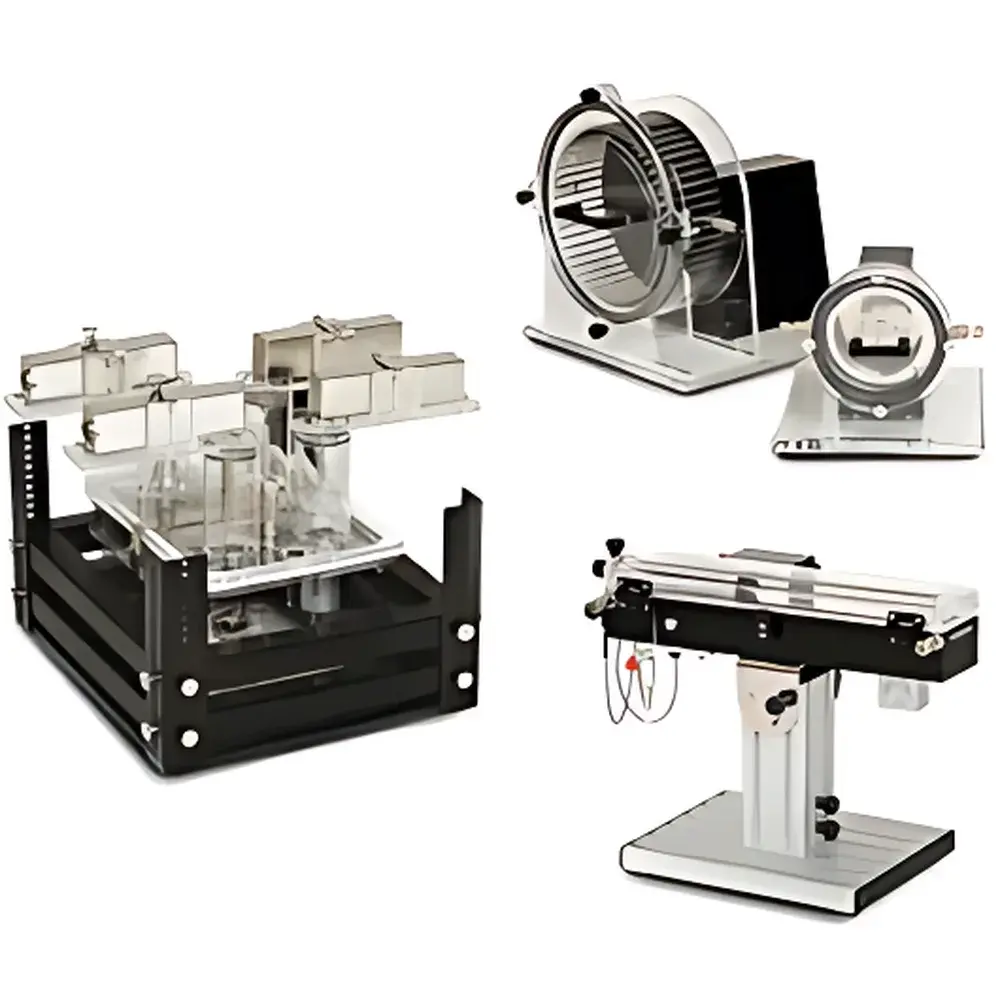
TSE PhenoMaster Animal Metabolism Measurement and Phenotyping System
| Brand | TSE Systems |
|---|---|
| Origin | Germany |
| Model | PhenoMaster |
| Application | Modular, automated, long-term metabolic and behavioral phenotyping of rodents (mice and rats) |
| Cage Capacity | Up to 64 animals |
| Measurement Principle | Indirect calorimetry (O₂ consumption, CO₂ production, RER, energy expenditure) integrated with multi-sensor behavioral monitoring |
| Compliance | Designed for GLP-compliant studies |
| Software Platform | PhenoMaster Suite (v5.x or later), including experimental protocol scheduling, real-time visualization, raw data export (CSV, HDF5, MATLAB-compatible), and metadata-enriched database archiving |
Overview
The TSE PhenoMaster Animal Metabolism Measurement and Phenotyping System is a modular, fully automated platform engineered for high-throughput, longitudinal assessment of energy metabolism and behavioral parameters in laboratory rodents under standardized housing conditions. Built upon the principles of indirect calorimetry, the system precisely quantifies oxygen consumption (VO₂), carbon dioxide production (VCO₂), respiratory exchange ratio (RER), and derived energy expenditure (EE) in real time—enabling rigorous investigation of metabolic phenotypes in genetically modified models, diet-intervention studies, pharmacological screening, and circadian rhythm research. Unlike single-parameter measurement devices, PhenoMaster integrates physiological, behavioral, and environmental data streams within a unified hardware-software architecture. Its cage-based design preserves naturalistic animal behavior while ensuring experimental reproducibility across cohorts, making it suitable for preclinical studies requiring compliance with international standards such as OECD Test Guidelines, ISO/IEC 17025 for testing laboratories, and GLP frameworks.
Key Features
- Modular scalability: Configurable from single-cage validation setups to full systems supporting up to 64 individually monitored cages, each equipped with independent environmental control and sensor arrays.
- Indirect calorimetry core: Mass-flow-controlled air supply with paramagnetic O₂ and NDIR CO₂ analyzers; precision flow meters ensure stable gas exchange measurement over 7+ days of continuous operation.
- Multi-modal behavioral tracking: Simultaneous acquisition of spontaneous locomotor activity (via dual-plane infrared beam breaks), rearing events, feeding bouts (with ±0.01 g resolution load cells), drinking episodes, and voluntary wheel-running (speed, revolutions, duration, and direction).
- Automated excreta separation: Metabolic cages integrate gravity-driven urine/feces separation with individual weight transducers for quantitative excretion volume and frequency analysis—compatible with downstream biochemical assays.
- Dynamic resource delivery: Up to six programmable dispensers per cage enable precise temporal or event-triggered delivery of food, water, or test compounds, supporting operant conditioning paradigms and timed nutritional challenges.
- Hardware synchronization: All sensors—including gas analyzers, load cells, beam break detectors, and wheel encoders—are time-stamped with microsecond-level alignment via centralized master clock distribution.
Sample Compatibility & Compliance
The PhenoMaster system is validated for use with C57BL/6, BALB/c, CD-1, and other common mouse strains, as well as Sprague-Dawley and Wistar rats. Cage dimensions are configurable to meet IACUC and FELASA housing recommendations. Data acquisition complies with ALARP (As Low As Reasonably Practicable) principles for animal welfare monitoring. The system architecture supports 21 CFR Part 11-compliant deployment when paired with validated PhenoMaster Suite software versions (v5.3+), including electronic signatures, role-based access control, immutable audit logs, and encrypted database backups. All hardware components conform to CE marking requirements and EMC Directive 2014/30/EU.
Software & Data Management
PhenoMaster Suite provides an integrated environment for experimental design, instrument orchestration, real-time visualization, and post-hoc analysis. Users define complex protocols—including light/dark cycles, feeding schedules, and stimulus triggers—through a drag-and-drop interface. Raw sensor data are stored in hierarchical HDF5 format with embedded metadata (animal ID, genotype, cage position, calibration timestamps). Export modules generate ANSI-standard CSV files compatible with R, Python (Pandas, SciPy), GraphPad Prism, and SAS. Batch processing tools support normalization to lean body mass, circadian phase alignment, and RER trajectory clustering. Audit trail reports document every user action, parameter change, and calibration event—essential for regulatory submissions and peer-reviewed publication.
Applications
- Metabolic disease modeling: Characterization of insulin resistance, obesity, and mitochondrial dysfunction in transgenic and diet-induced models.
- Neurobehavioral phenotyping: Correlation of energy expenditure rhythms with sleep-wake architecture and anxiety-like behaviors.
- Toxicology and safety pharmacology: Detection of off-target metabolic effects during repeat-dose toxicity studies.
- Nutritional science: Quantification of thermic effect of food (TEF), substrate utilization shifts, and satiety kinetics.
- Circadian biology: High-resolution mapping of diurnal oscillations in VO₂, VCO₂, activity, and feeding microstructure.
- Preclinical biomarker discovery: Integration of metabolic flux data with plasma metabolomics or transcriptomic profiling.
FAQ
What rodent species and sizes are supported?
PhenoMaster accommodates mice (18–45 g) and rats (150–500 g) using species-specific cage modules compliant with FELASA space guidelines.
Can the system operate unattended for extended durations?
Yes—hardware is rated for continuous 24/7 operation over ≥14 days; gas analyzers include automatic zero/span calibration routines to maintain baseline stability.
Is remote monitoring and intervention possible?
The system supports secure SSH and HTTPS access; users may adjust protocols, pause/resume measurements, or trigger manual calibrations from off-site locations.
How is data integrity ensured during power interruption?
All critical subsystems feature uninterruptible power supplies (UPS); volatile buffers retain ≥15 minutes of sensor data during outage, automatically resuming write operations upon recovery.
Does TSE provide installation qualification (IQ) and operational qualification (OQ) documentation?
Yes—validated IQ/OQ/PQ templates aligned with ISO/IEC 17025 and GxP requirements are included with enterprise deployments and supported by TSE-certified field application engineers.




