
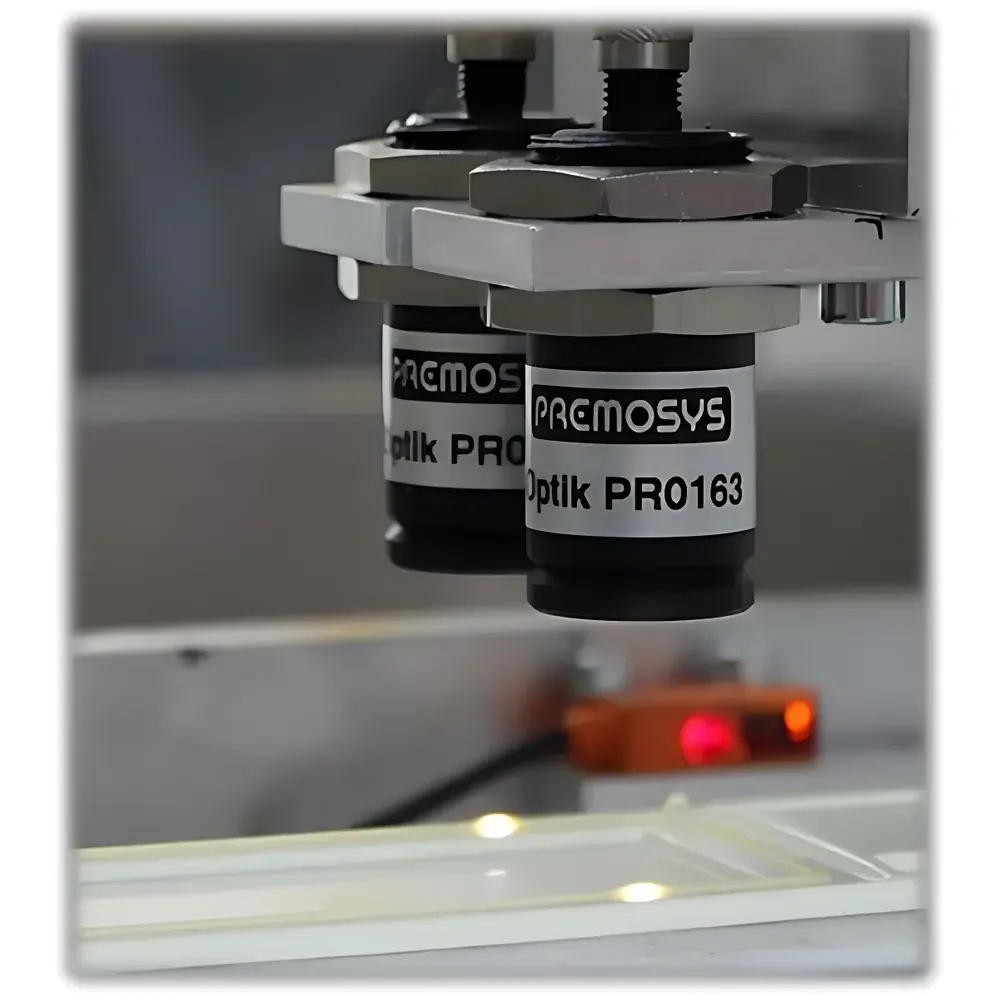
PREMOSYS PR0128 CIELab Online Color Sensor
| Brand | PREMOSYS |
|---|---|
| Origin | Germany |
| Model | PR0128 |
| Product Type | Online Color Difference Meter |
| Optical Geometry | 45°/0° |
| Light Source | 6500 K LED |
| Spectral Range | 400–700 nm |
| Repeatability | ≤ 0.5 ΔE* (CIELAB) |
| Operating Temperature Compensation | 18–55 °C |
| Power Supply | 24 V DC |
| Housing | Anodized Aluminum |
| Interface | RS-232 / Parallel (simultaneous) |
| Color Resolution | < 0.1 ΔE* |
| Gain Calibration | Automatic, User-Initiated |
| Max. Switching Frequency | 500 Hz |
| Supported Color Spaces | CIE L*a*b*, L*C*h*, XYZ, RGB (derived) |
| Inter-Instrument Agreement | < 1% ΔE* (under controlled conditions) |
Overview
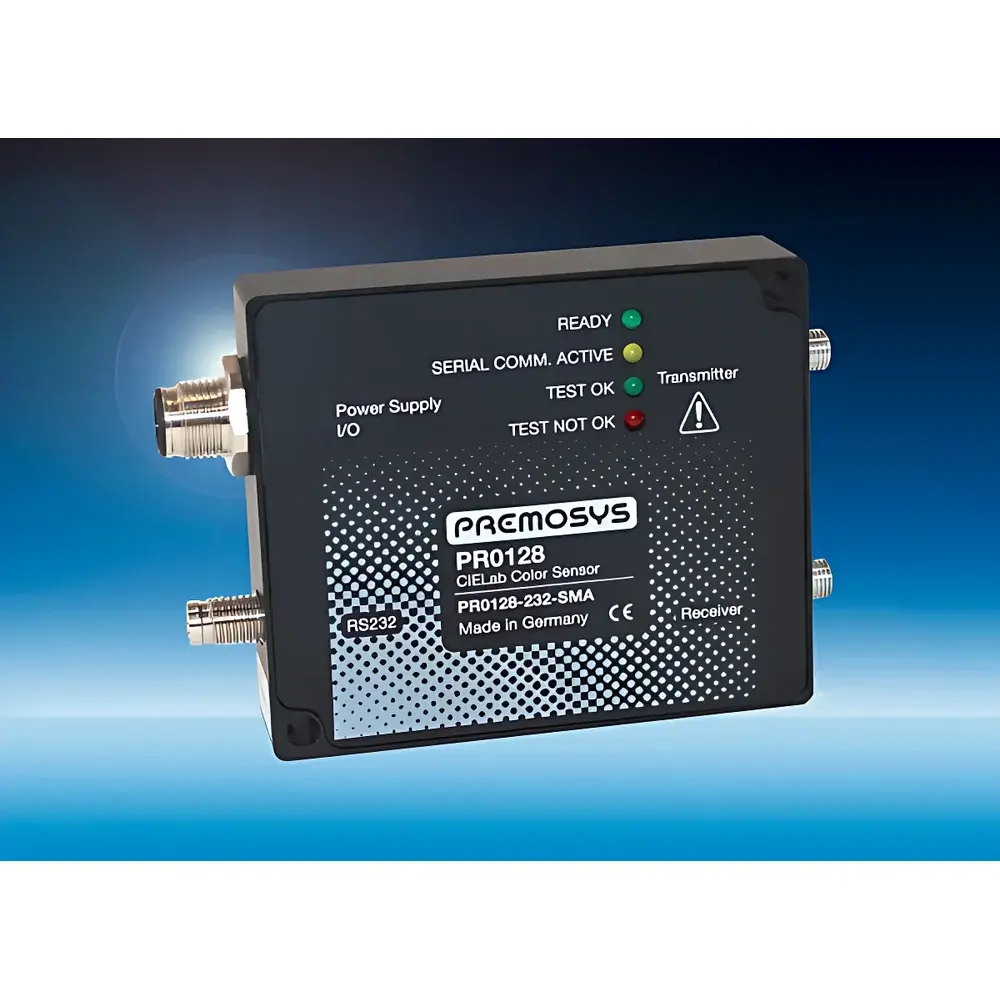
The PREMOSYS PR0128 CIELab Online Color Sensor is a precision industrial-grade color measurement instrument engineered for real-time, non-contact spectral reflectance analysis in continuous production environments. Based on the CIE 1976 L*a*b* color space—a perceptually uniform model grounded in human vision physiology—the PR0128 employs a fixed 45°/0° optical geometry compliant with ISO 5-4 and ASTM E308 standards. This configuration ensures consistent illumination and detection angles, minimizing directional effects from surface texture or gloss. The sensor integrates a high-stability 6500 K white LED source with a calibrated spectral output spanning 400–700 nm, covering the full visible spectrum relevant to CIE standard observer functions (2° and 10°). Unlike portable or benchtop colorimeters, the PR0128 is designed for permanent installation—supporting 500 Hz sampling for high-speed web, conveyor, or filling-line applications where millisecond-level response is critical for closed-loop process control.
Key Features
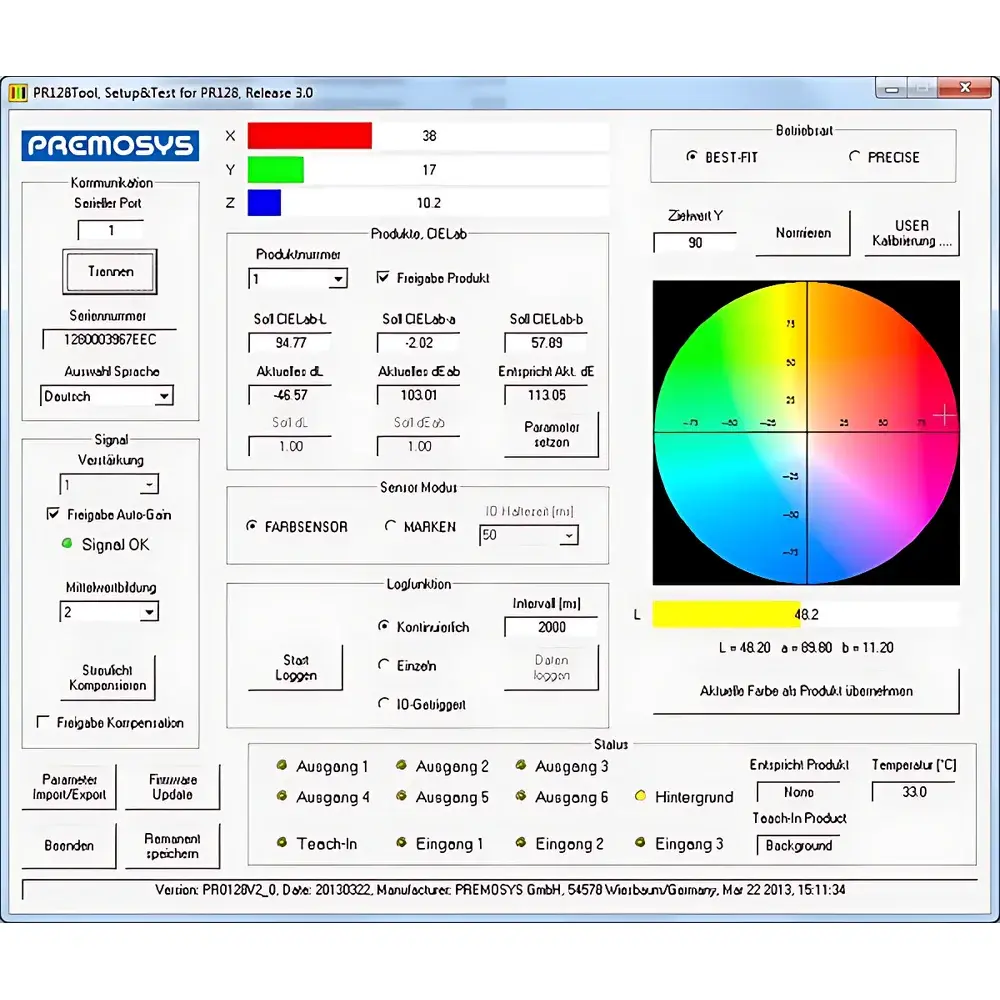
- Real-time CIELAB output (L*, a*, b*, ΔE*, ΔL*, Δa*, Δb*) at up to 500 Hz—enabling integration with PLCs, SCADA systems, or MES platforms via serial or parallel I/O.
- Automatic gain calibration with user-triggered reference reset, ensuring long-term stability without manual recalibration across ambient temperature fluctuations (18–55 °C).
- Anodized aluminum housing rated IP65, optimized for industrial environments including humidity, dust, and mechanical vibration exposure.
- Inter-instrument agreement < 1% ΔE* under standardized conditions—validated per ISO 13655:2017 (M1 illumination), supporting multi-sensor deployment across production lines or facilities.
- Onboard storage for up to 63 user-defined color references with independent L*, a*, b* thresholds—each configurable with pass/fail logic and analog/digital alarm outputs.
- Embedded temperature compensation algorithm that dynamically corrects spectral response drift, maintaining repeatability ≤ 0.5 ΔE* over its operational range.
Sample Compatibility & Compliance
The PR0128 is validated for use on non-fluorescent, matte-to-semi-gloss surfaces—including painted automotive panels, polymer films, pharmaceutical tablets, food packaging, and beverage containers. It complies with ISO 11664-4 (CIE colorimetric observers), ISO 13655 (spectral measurement geometry), and supports traceable calibration against NIST-traceable ceramic tiles (e.g., BCRA Series II). While not certified for GMP/GLP environments out-of-the-box, its deterministic firmware architecture, audit-ready calibration logs, and deterministic timestamped data output align with FDA 21 CFR Part 11 requirements when deployed with appropriate system-level validation protocols. The sensor meets CE marking directives for electromagnetic compatibility (EMC Directive 2014/30/EU) and low-voltage safety (LVD Directive 2014/35/EU).
Software & Data Management
PREMOSYS provides the cross-platform PR0128 Configuration Suite—a native Windows/Linux application supporting multilingual UI (English, German, Japanese, Chinese). The software enables remote parameterization of tolerance zones, batch export of time-stamped measurement logs (CSV/JSON), and spectral response verification using built-in diagnostic modes. All calibration events, gain adjustments, and user-defined reference updates are logged with UTC timestamps and operator ID fields—facilitating compliance with internal QA procedures and external audits. Data streams can be routed directly to OPC UA servers or MQTT brokers for integration into Industry 4.0 architectures without intermediate gateways.
Applications
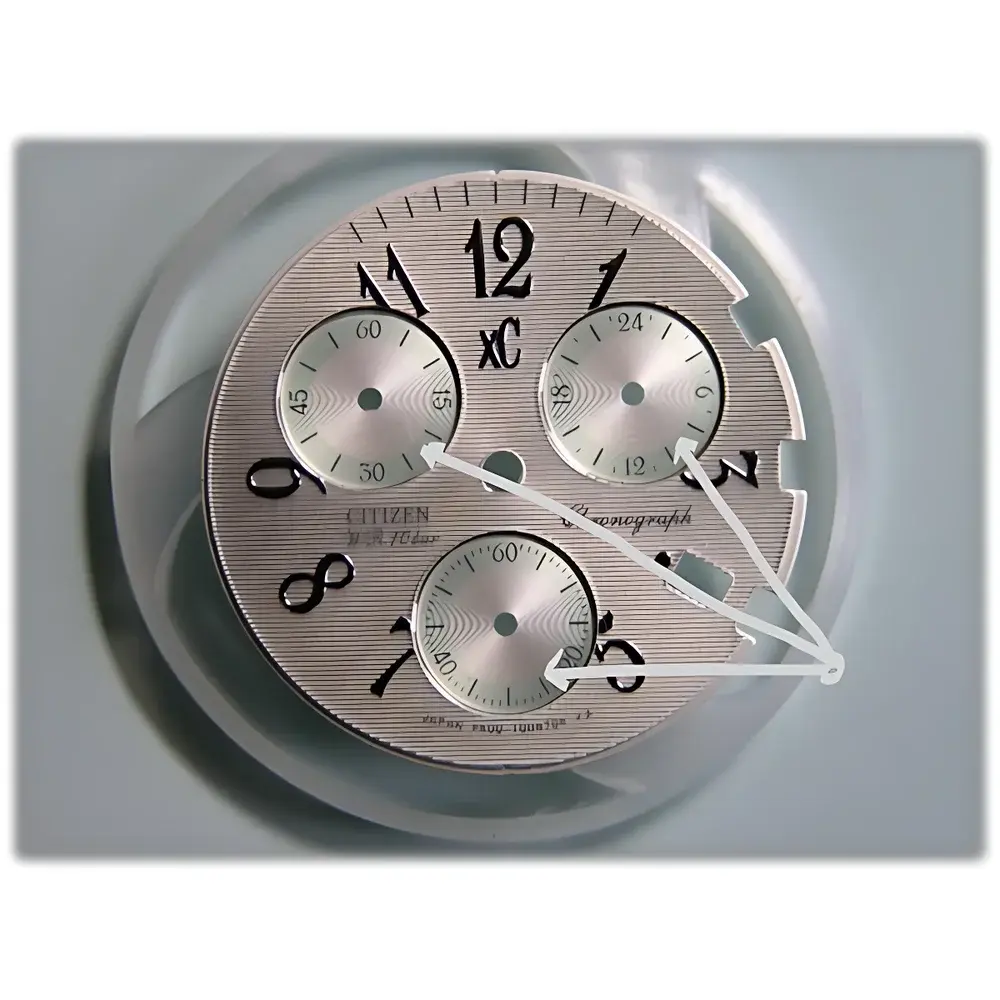
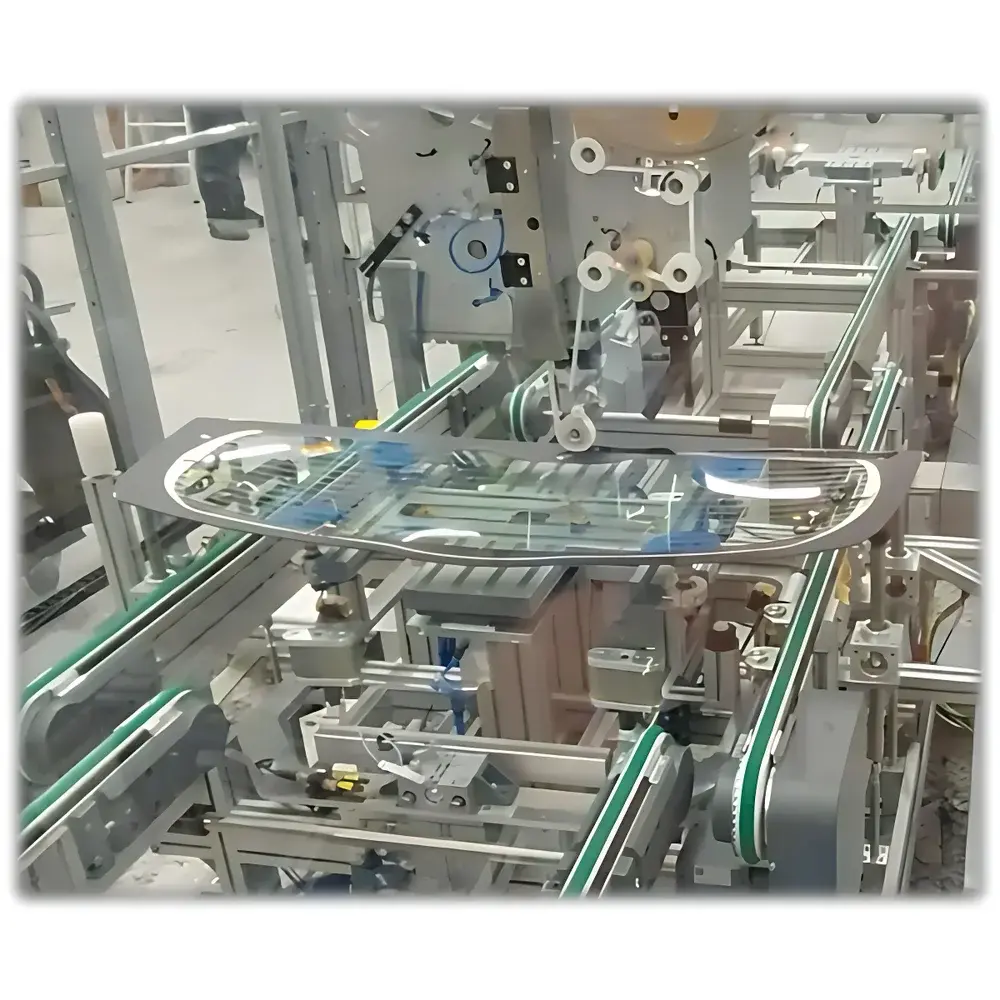
The PR0128 serves as a foundational metrology node in industries requiring quantitative color consistency at scale. In automotive manufacturing, it monitors paint film uniformity during robotic spray coating and verifies trim component match across supplier tiers. In food & beverage, it detects subtle batch-to-batch hue shifts in liquid fill levels, label printing, or baked goods surface browning—correlating with Maillard reaction kinetics. Within biopharmaceutical production, it validates vial cap color coding for dosage differentiation and checks printed lot/batch identifiers on primary packaging. Its robustness and deterministic performance have been field-validated by Tier-1 OEMs including BMW, Mercedes-Benz, Volkswagen, BASF, and Citizen Watch Co., Ltd.
FAQ
Does the PR0128 require annual factory recalibration?
No—its solid-state LED source and thermally stabilized photodiode array maintain intrinsic stability. However, users must perform periodic verification against certified reference standards per ISO 9001 Clause 7.1.5; recommended interval is every 6 months for GMP-aligned operations.
Can the PR0128 measure fluorescent or UV-reactive materials?
No—it lacks UV excitation capability and its 400–700 nm spectral response excludes ultraviolet emission bands. Fluorescent samples require instrumentation with UV-A illumination and corrected spectral weighting (e.g., ISO 13655 M2 mode).
Is Ethernet or USB connectivity supported?
No—the PR0128 interfaces exclusively via RS-232 (3-wire TTL-level) and parallel digital I/O (TTL-compatible). For network integration, a protocol converter (e.g., RS-232-to-MQTT gateway) is required.
What is the minimum measurable sample size?
The effective measurement area is Ø12 mm at a standoff distance of 25 mm. Smaller features require optical adapters or custom mounting fixtures to ensure full-field illumination and detection.
How does temperature compensation affect measurement uncertainty?
The embedded algorithm reduces thermal-induced ΔE* drift by >90% between 18 °C and 55 °C; residual uncertainty remains within ±0.15 ΔE* across the full range, verified per ISO/TR 11664-8 Annex B.




