
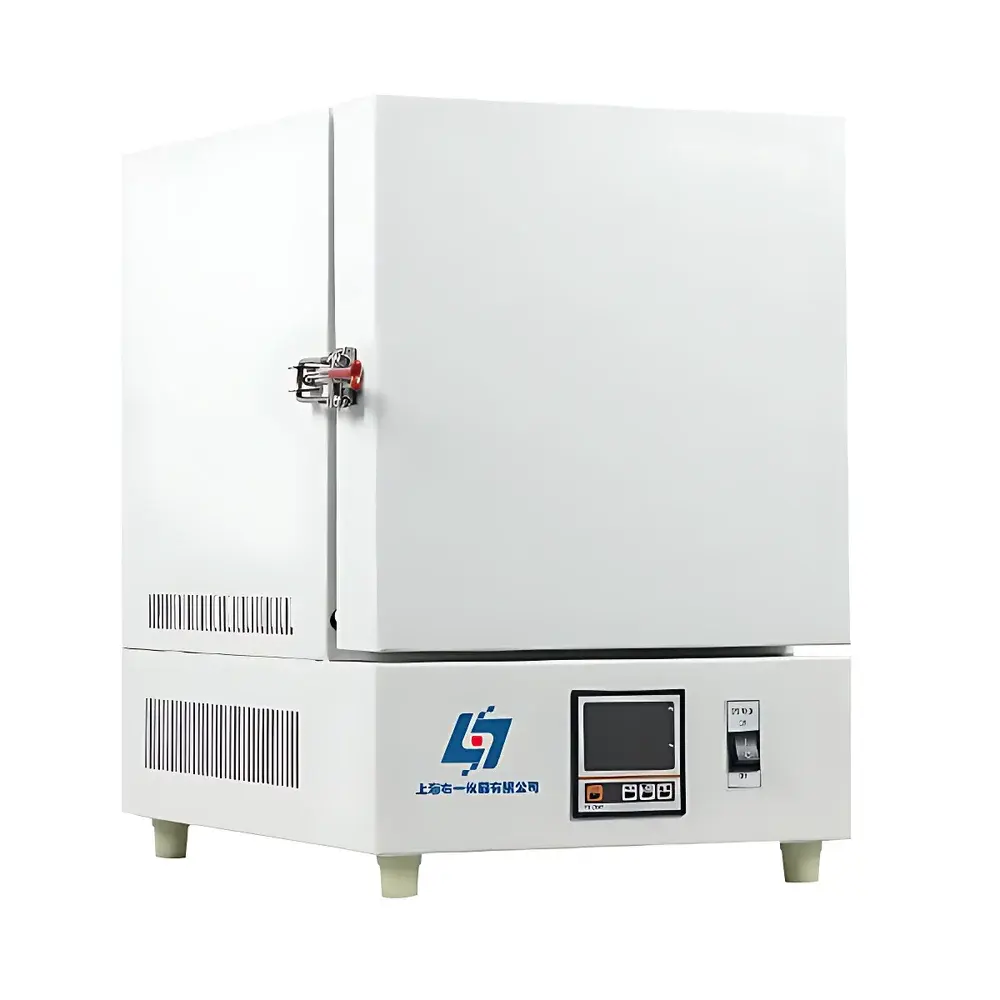
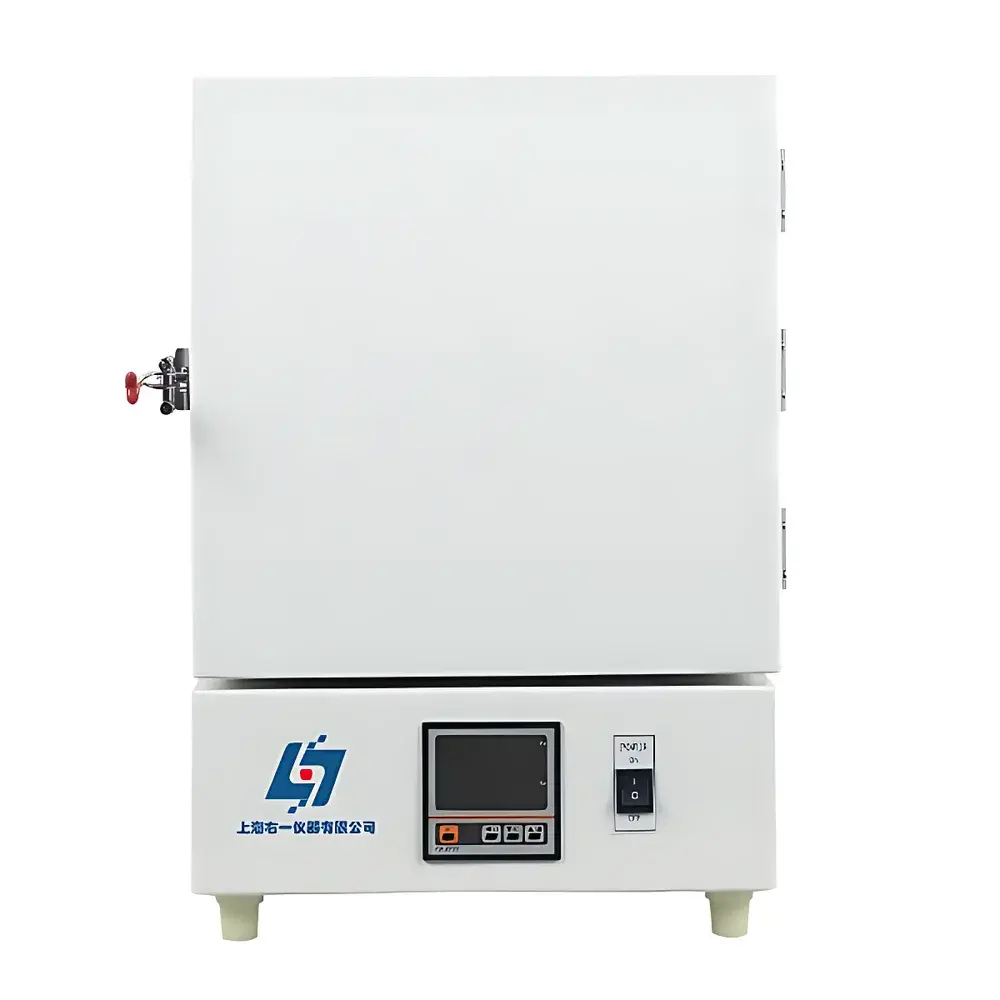
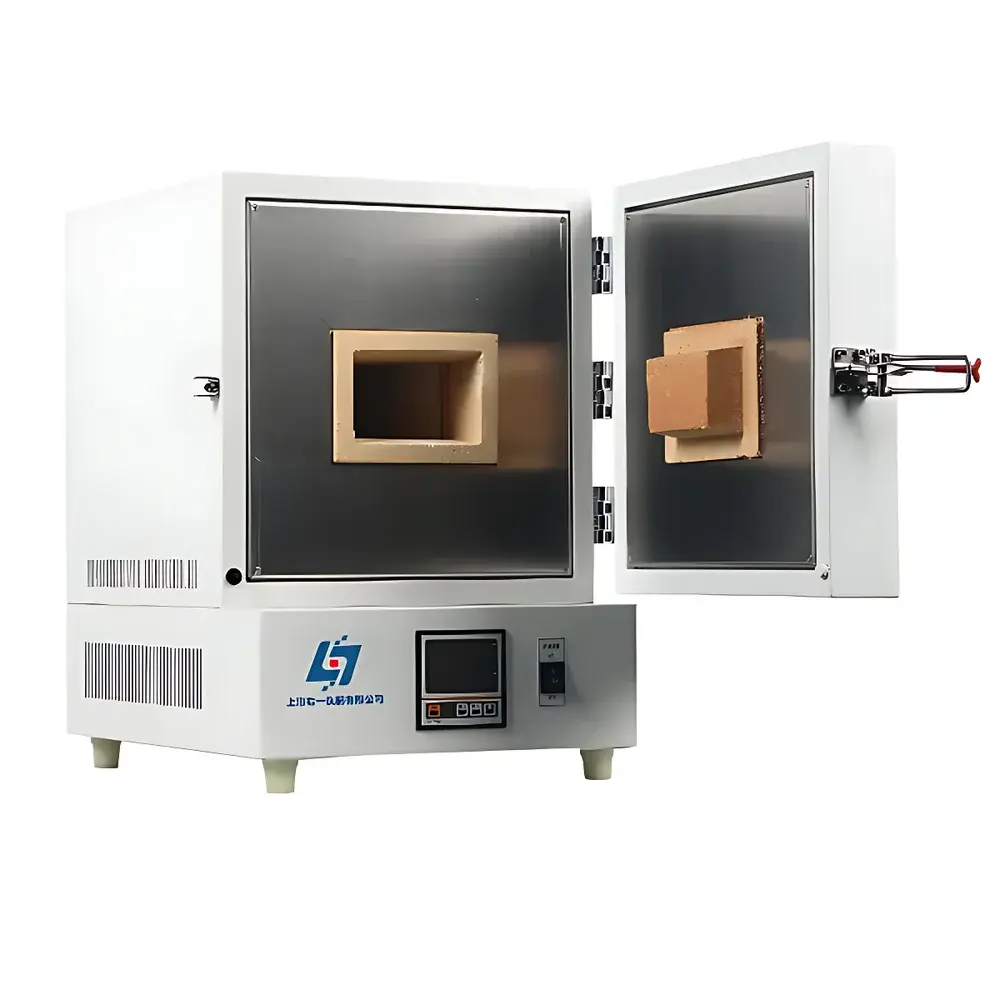
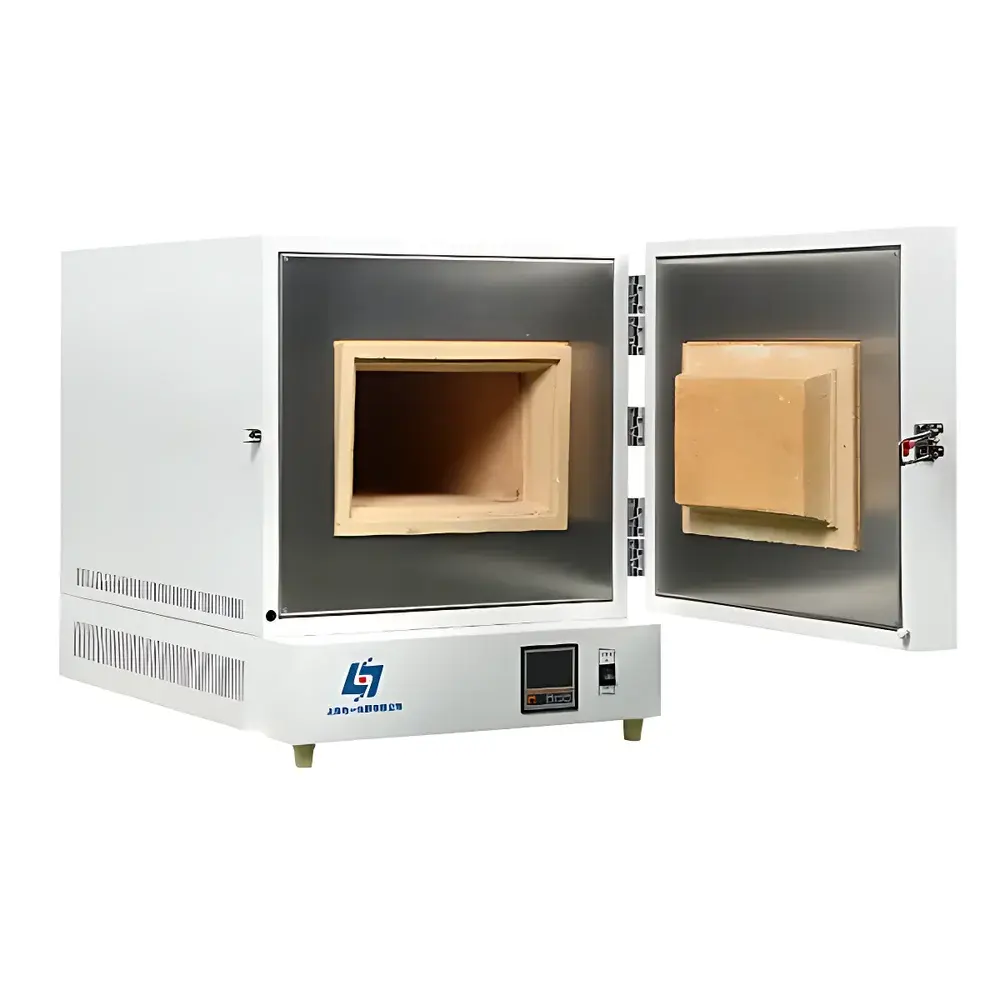
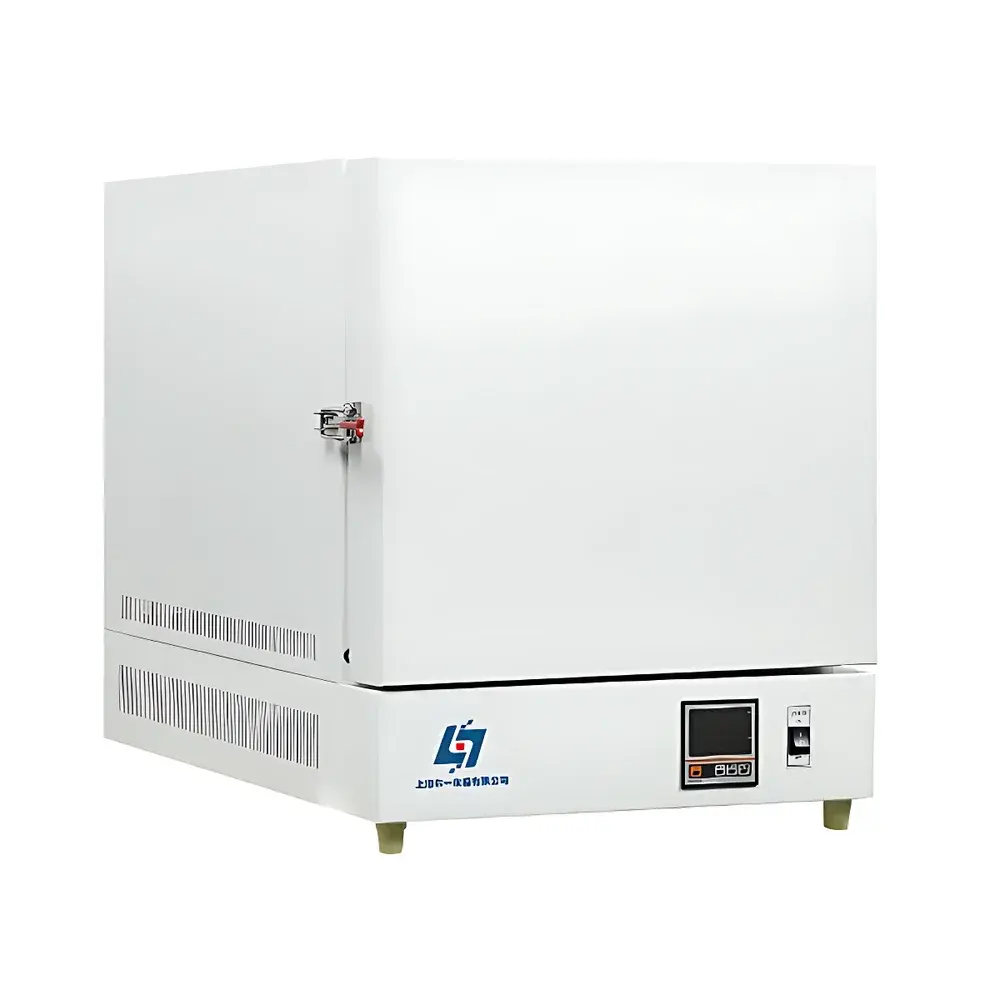
Yoyilab SX2-12-12 Box-Type Muffle Furnace
| Brand | Yoyilab |
|---|---|
| Origin | Shanghai, China |
| Manufacturer Type | Direct Manufacturer |
| Product Category | Domestic |
| Model | SX2-12-12 |
| Instrument Type | Box-Type Furnace |
| Maximum Temperature | 1200 °C |
| Temperature Control Accuracy | ±3 °C |
| Rated Power | 12 kW |
| Heating Method | Electric Resistance Heating |
| Internal Chamber Dimensions | 300 × 500 × 200 mm |
| Nominal Volume | 30 L |
Overview
The Yoyilab SX2-12-12 is a benchtop box-type muffle furnace engineered for precise, repeatable high-temperature thermal processing in academic laboratories, materials research centers, and quality control environments. Operating on the principle of resistive heating via embedded nickel-chromium (NiCr) alloy heating elements, it delivers uniform thermal distribution across its fully insulated chamber—critical for applications requiring strict thermal homogeneity, such as ashing, calcination, sintering, and heat treatment of metallic and ceramic specimens. With a maximum operating temperature of 1200 °C and a stable working range from ambient +50 °C to 1200 °C, the furnace meets standard thermal protocol requirements for ASTM E119, ISO 5660, and USP residue-on-ignition testing. Its robust structural design integrates refractory brick lining, double-layer insulation, and cold-rolled steel housing with high-temperature enamel finish—ensuring long-term dimensional stability and resistance to thermal cycling fatigue.
Key Features
- Microprocessor-based PID temperature controller with 4.3-inch LCD interface, enabling intuitive menu-driven operation and real-time display of setpoint, actual chamber temperature, and remaining hold time
- Precision temperature control with ±3 °C accuracy over the full 1200 °C range; 1 °C resolution and programmable ramp/soak profiles (via optional multi-segment controller)
- Integrated safety architecture: over-temperature cutoff, door-interlocked power interruption, earth-leakage protection, over-current and over-voltage monitoring
- Intelligent power management system with automatic parameter retention during unexpected power loss—resumes prior settings upon restoration (blackout recovery function)
- Compact monolithic design minimizing footprint while maximizing usable volume (30 L nominal capacity); internal chamber dimensions: 300 W × 500 D × 200 H mm
- High-efficiency thermal insulation using fiber-reinforced refractory brick and ceramic fiber board—reducing surface temperature rise and improving energy utilization
Sample Compatibility & Compliance
The SX2-12-12 accommodates crucibles (alumina, quartz, platinum), ceramic boats, metal trays, and graphite fixtures up to 300 mm wide. It supports standardized sample preparation workflows per ISO 1171 (ash content determination), ASTM D3174 (coal and coke ash analysis), and EPA Method 2540E (total solids ignition). The furnace complies with IEC 61000-6-3 (EMC emission limits) and IEC 61000-6-2 (immunity to electrical disturbances). All electrical components meet IP20 ingress protection rating, and wiring conforms to GB/T 5226.1–2019 (equivalent to EN 60204-1). Optional RS485 communication enables integration into centralized lab monitoring systems compliant with FDA 21 CFR Part 11 data integrity requirements when paired with validated software.
Software & Data Management
While the base unit operates via standalone PID controller, optional RS485 interface (with Modbus RTU protocol support) allows bidirectional communication with external SCADA or LIMS platforms. The included PC software (sold separately) provides full logging of temperature vs. time profiles, event timestamps (e.g., door opening, alarm triggers), and exportable CSV reports suitable for GLP/GMP audit trails. Multi-segment programming module enables up to 30-step thermal cycles with independent ramp rates (0.1–30 °C/min) and dwell durations (1–9999 min), supporting ISO 9001-certified process validation documentation.
Applications
- Quantitative ash determination in food, pharmaceuticals, and environmental samples per AOAC 942.05 and USP
- Sintering of oxide ceramics (Al2O3, ZrO2), ferrites, and battery cathode precursors (LiCoO2, NMC)
- Heat treatment of small-scale metallurgical specimens: annealing, tempering, and stress-relief of stainless steel, tool steels, and titanium alloys
- Thermal decomposition studies in catalysis research and polymer filler characterization
- Preparation of calibration standards for XRF and ICP-OES via controlled matrix digestion
- Controlled atmosphere pre-treatment (when used with purge gas adapters) for oxide reduction or carburization trials
FAQ
What thermocouple type is used for temperature sensing?
A calibrated K-type thermocouple is factory-installed and directly embedded in the furnace wall near the chamber center for representative measurement.
Is the furnace suitable for inert or reducing atmospheres?
The standard configuration is air-atmosphere only; optional quartz tube inserts or flanged gas inlet kits (N2, Ar, H2/N2) are available for controlled-atmosphere operation.
Does the unit include calibration documentation?
Each furnace ships with a factory temperature uniformity test report (per ASTM E220) and thermocouple calibration certificate traceable to NIM (National Institute of Metrology, China).
Can the controller be upgraded to support Ethernet or USB connectivity?
No—controller hardware is fixed; however, the RS485 port supports protocol translation gateways for TCP/IP or USB-to-RS485 bridges in networked lab infrastructures.
What maintenance intervals are recommended for optimal performance?
Inspect heating elements and insulation integrity every 200 operating hours; clean chamber interior after each ashing cycle; verify thermocouple drift annually using a reference thermometer per ISO/IEC 17025 guidelines.



