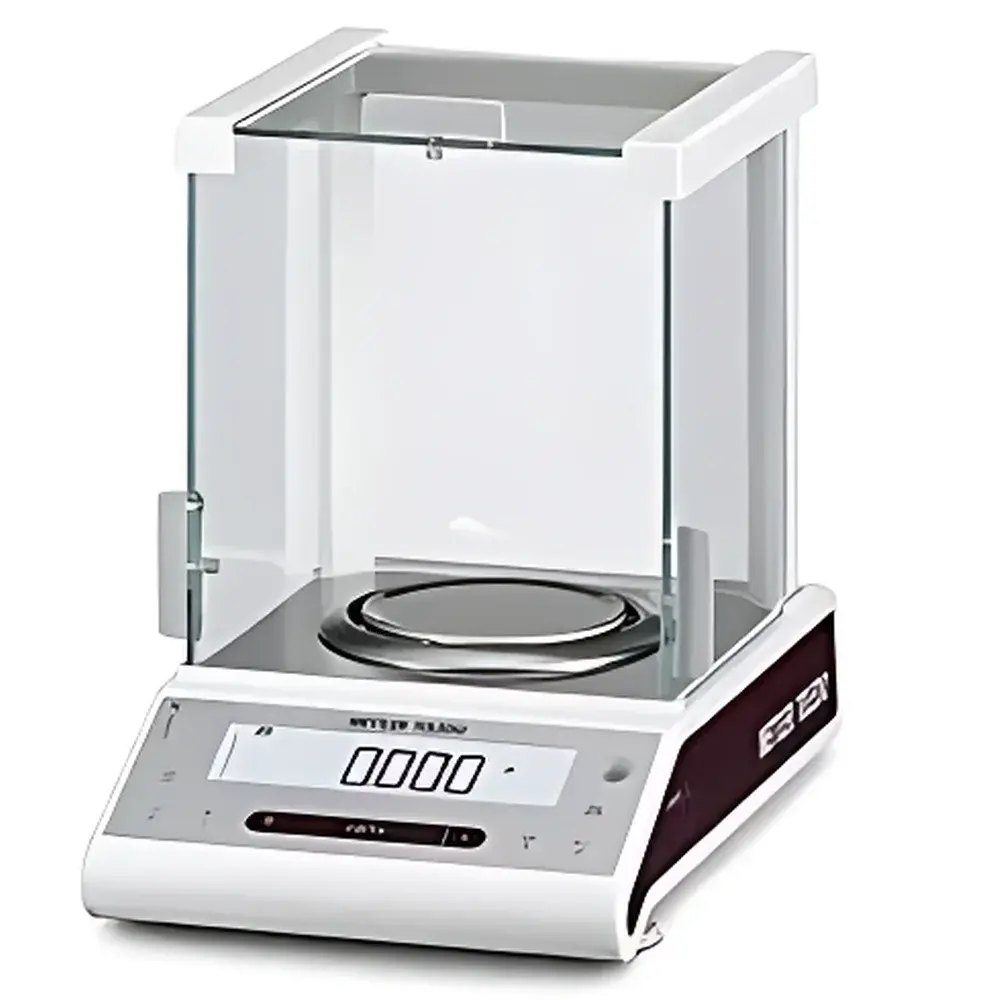
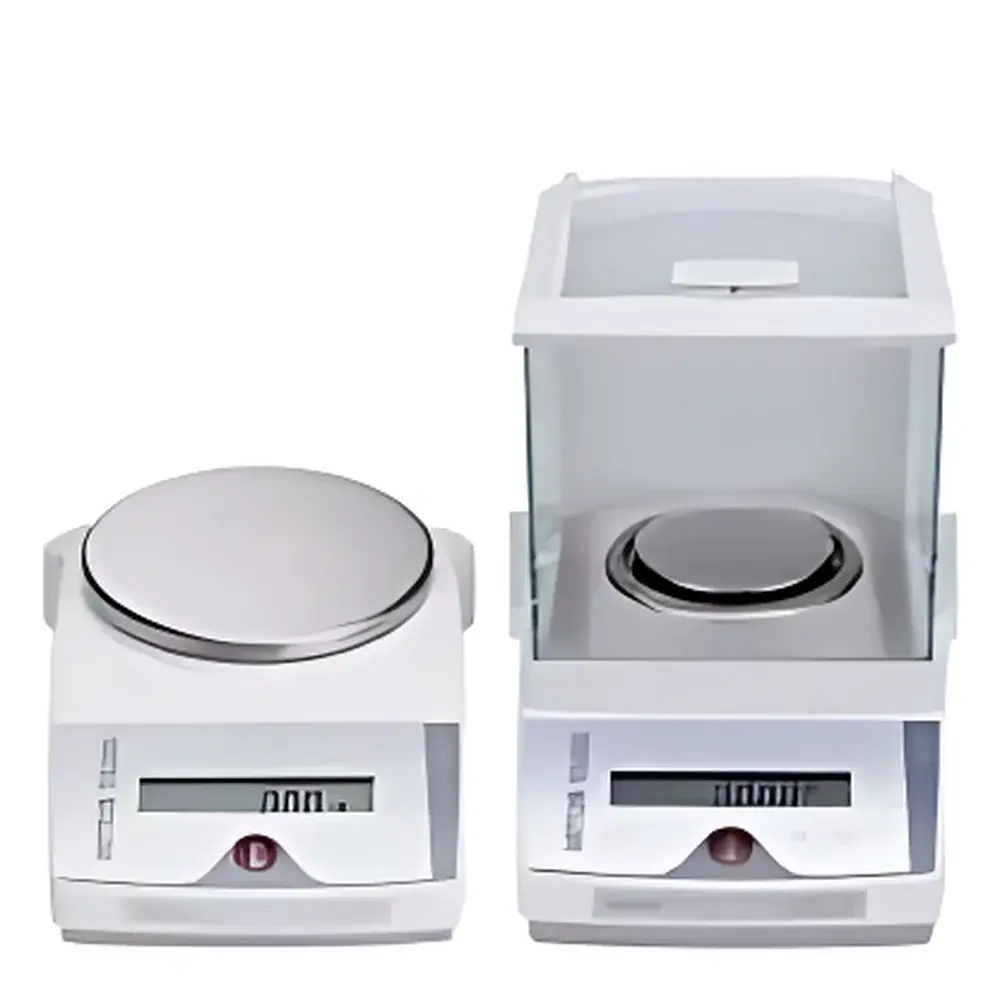
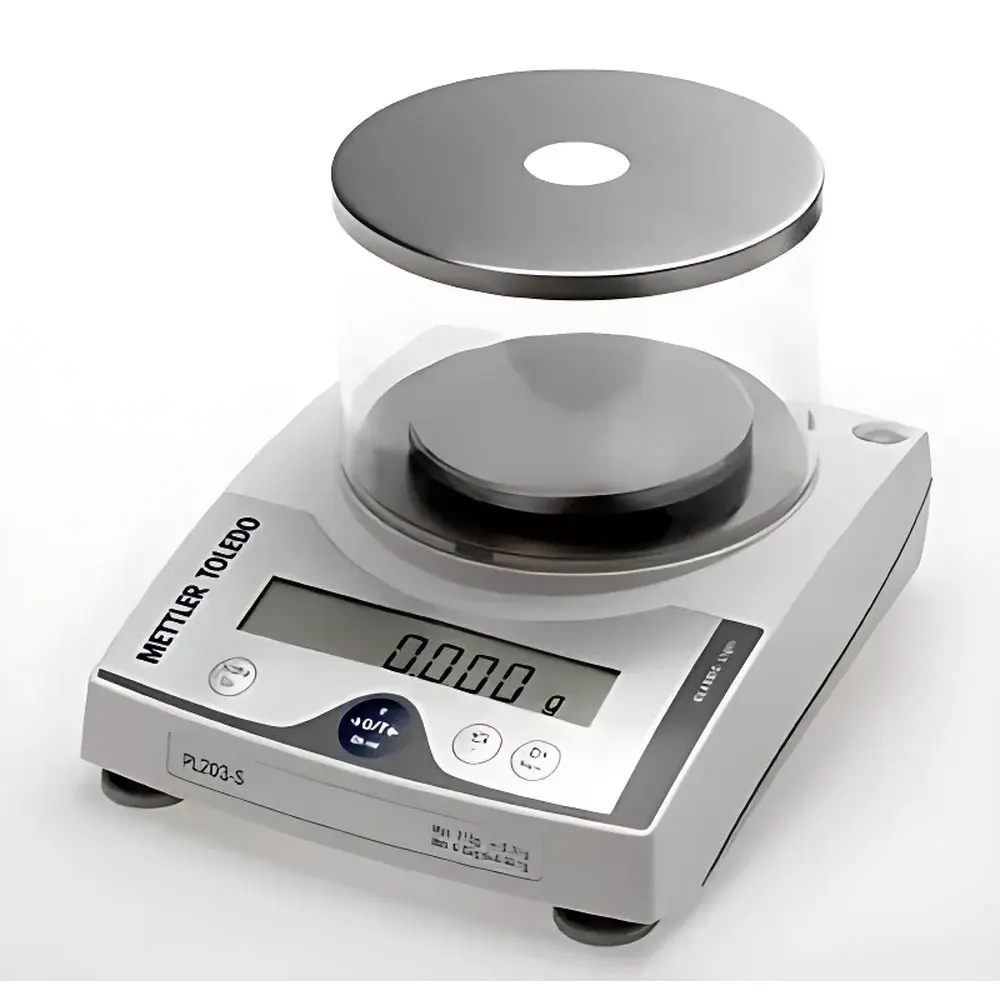
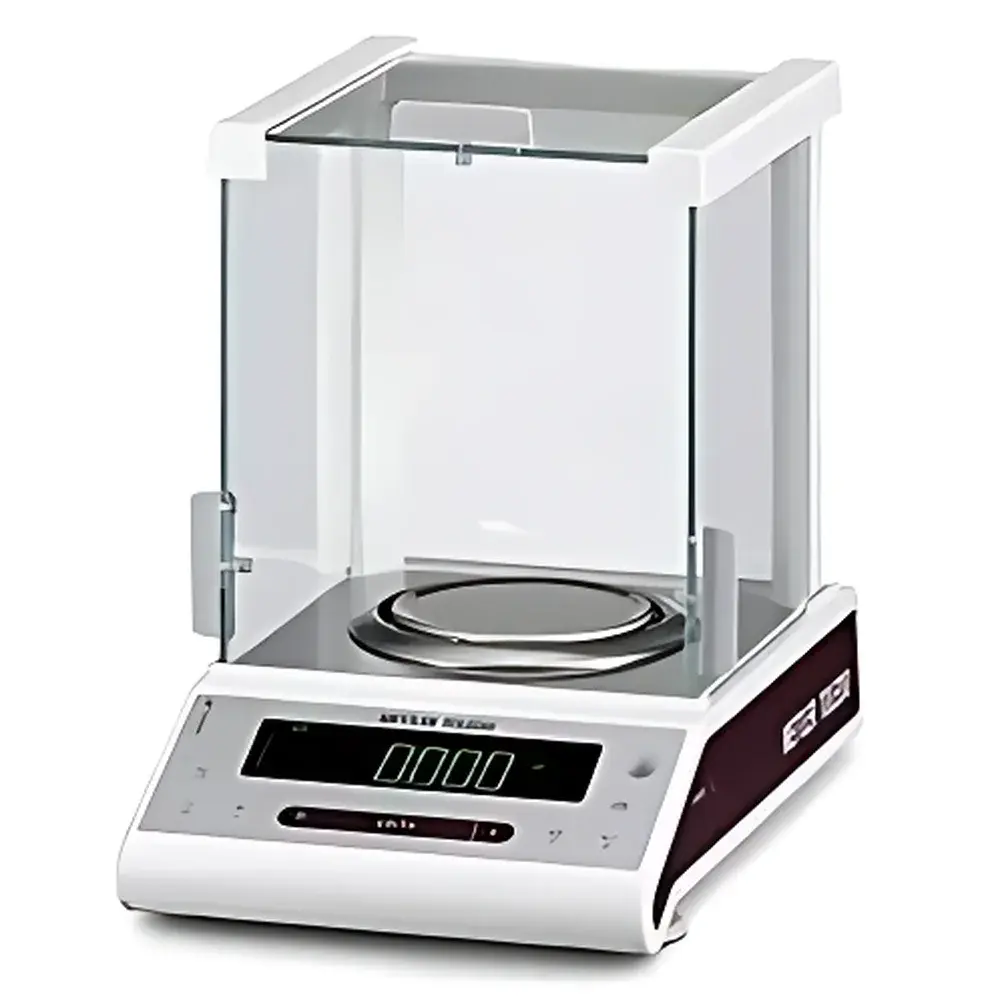
METTLER TOLEDO JE703/1203 Jewelry, Gold & Diamond Precision Balance
| Brand | METTLER TOLEDO |
|---|---|
| Origin | Switzerland |
| Model | JE703/1203 |
| Capacity | 70.3 g / 120.3 g |
| Readability | 0.1 mg (JE703), 0.1 mg (JE1203) |
| Repeatability | ≤0.2 mg |
| Linearity | ≤0.4 mg |
| Pan Size | Ø90 mm |
| Calibration | Internal (IC) or External |
| Compliance | ISO/IEC 17025, ASTM E899, USP <41>, GLP/GMP-ready |
Overview
The METTLER TOLEDO JE703/1203 Jewelry, Gold & Diamond Precision Balance is a high-accuracy analytical balance engineered specifically for the demanding requirements of precious metal refining, gemological laboratories, diamond grading facilities, and fine jewelry manufacturing. Designed on the foundation of METTLER TOLEDO’s proven laboratory-grade transducer architecture, this balance employs electromagnetic force compensation (EMFC) technology to deliver stable, traceable, and highly reproducible mass measurements under variable ambient conditions. Its dual-capacity configuration—70.3 g and 120.3 g—supports both high-resolution diamond carat weighing (to 0.001 ct) and broader-range gold alloy or bullion verification, while maintaining compliance with international metrological standards including OIML R76, ISO 9001 calibration traceability, and USP requirements for pharmaceutical-grade weighing validation.
Key Features
- Internal or external calibration options: JE703/1203 IC variants feature motorized internal calibration with temperature-compensated reference masses; non-IC models support one-touch external calibration using certified Class E2 or E1 weights.
- Dynamic temperature compensation (DTC): An embedded real-time thermal sensor network continuously monitors internal temperature gradients and adjusts measurement algorithms to minimize drift caused by ambient fluctuations—critical in non-climate-controlled workshops or display cases.
- Adaptive digital filtering: Multi-stage, user-selectable filter settings (Fast/Medium/Slow) optimize response time versus stability trade-offs during rapid batch weighing of loose diamonds or granular alloys.
- Overload protection system: Mechanical and electronic dual-layer overload safeguards prevent damage from accidental overloading up to 500% of nominal capacity without requiring recalibration.
- Intelligent zero-tracking: Automatic baseline stabilization compensates for minor air currents, electrostatic buildup, or vibration-induced zero shifts—common challenges when handling low-mass, high-value specimens.
- Dedicated jewelry interface: One-button unit toggle between grams (g) and carats (ct); preconfigured display formatting for carat notation (e.g., “1.250 ct”) with leading-zero suppression for readability.
- RS232 serial interface (standard): Enables direct data logging to LIMS, ERP, or QC databases; supports optional USB-to-RS232 adapters, label printers, secondary displays, and barcode scanners for paperless workflow integration.
Sample Compatibility & Compliance
The JE703/1203 accommodates a wide range of high-value samples—from single-point diamonds (100 g)—using its Ø90 mm stainless-steel weighing pan and included anti-static black diamond tray (90 mm diameter). All models ship with a custom-fit dust cover designed to preserve optical sensor integrity and reduce cleaning frequency in environments prone to polishing residue or fine metal particulates. The balance meets ISO/IEC 17025 requirements for accredited calibration labs and supports full audit trails compliant with FDA 21 CFR Part 11 when used with METTLER TOLEDO LabX software. It is validated for routine use in GMP-regulated precious metal assay labs, gem certification houses (e.g., GIA, IGI), and central bank bullion vaults where measurement uncertainty budgets must remain below ±0.0002 g at full scale.
Software & Data Management
When paired with METTLER TOLEDO LabX™ Balance Software (optional), the JE703/1203 enables fully automated workflows—including customizable SOP-driven weighing protocols, electronic signature capture, automatic report generation (PDF/CSV), and seamless integration with enterprise systems via OPC UA or SQL database connectors. Audit trail functionality records all user actions, parameter changes, calibration events, and environmental logs with immutable timestamps—essential for GLP/GMP audits and ISO 17025 accreditation. For standalone operation, the built-in memory stores up to 1,000 weighing records with date/time stamps, operator ID, and unit metadata—exportable via RS232 to spreadsheet-compatible formats.
Applications
- Diamond grading and certification (carat weight verification per GIA/IGI standards)
- Precious metal content analysis in alloy batches (Au, Pt, Pd)
- Jewelry manufacturing QA/QC: component weight verification, casting yield tracking
- Central bank bullion reconciliation and vault inventory control
- Antique restoration labs: historical artifact mass documentation
- Custom gemstone cutting studios: pre- and post-faceting weight comparison
- University gemology programs: teaching metrology principles with real-world materials
FAQ
Is the JE703/1203 suitable for legal-for-trade applications?
No—this model is classified as a laboratory-grade precision balance and is not certified for commercial transactional use (e.g., retail gold sales). For trade-approved weighing, refer to METTLER TOLEDO’s IND series with NTEP or MID certification.
What calibration weights are required for external calibration?
Class E2 stainless-steel weights certified to ISO 9001 are recommended for JE703; Class E1 weights are advised for JE1203 when operating near maximum capacity.
Can the balance operate on battery power?
No—the JE703/1203 requires continuous AC power input (100–240 V, 50/60 Hz) to maintain thermal stability and EMFC performance; it does not include battery backup or portable operation capability.
Does it support GLP-compliant record keeping without LabX?
Basic weighing data (value, unit, timestamp) can be exported via RS232, but full GLP compliance—including user authentication, change history, and electronic signatures—requires LabX software deployment.
How often should internal calibration be performed?
METTLER TOLEDO recommends initiating internal calibration at startup, after significant ambient temperature shifts (>2°C), and before critical measurements—automatable via scheduled triggers in LabX.