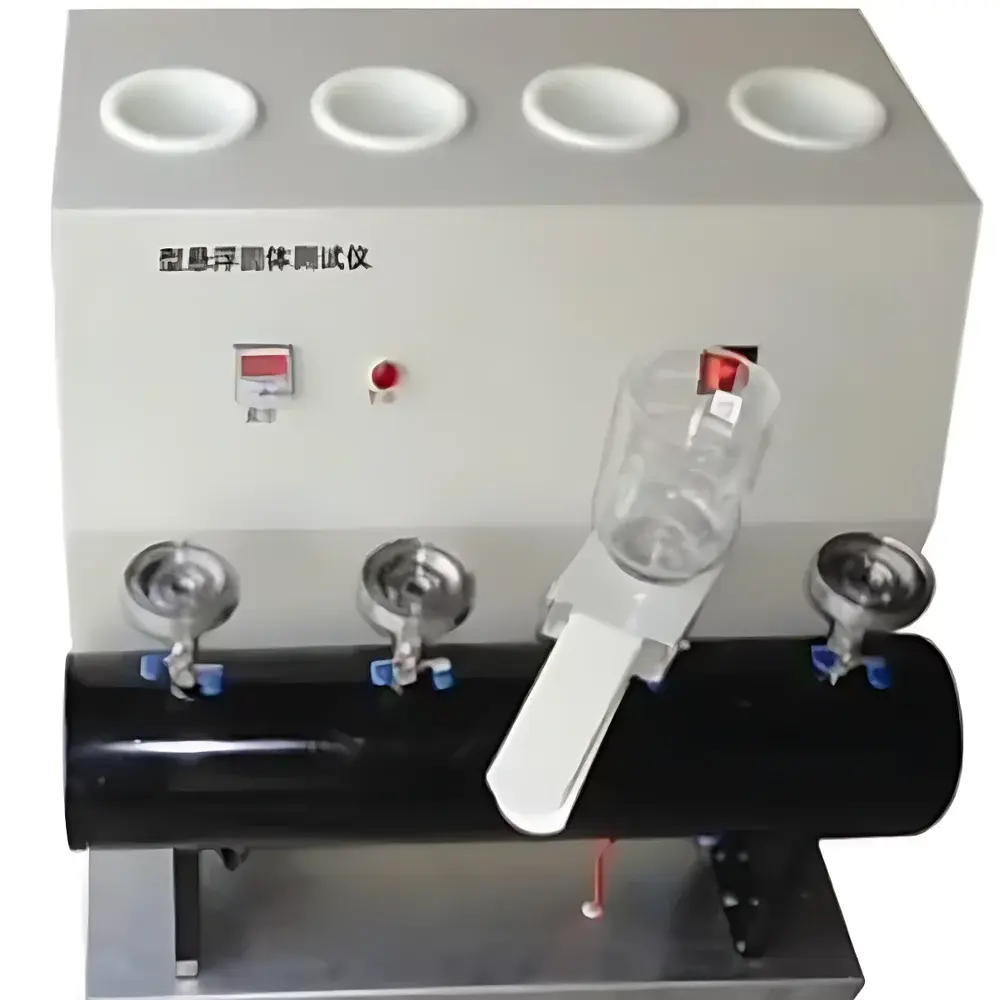
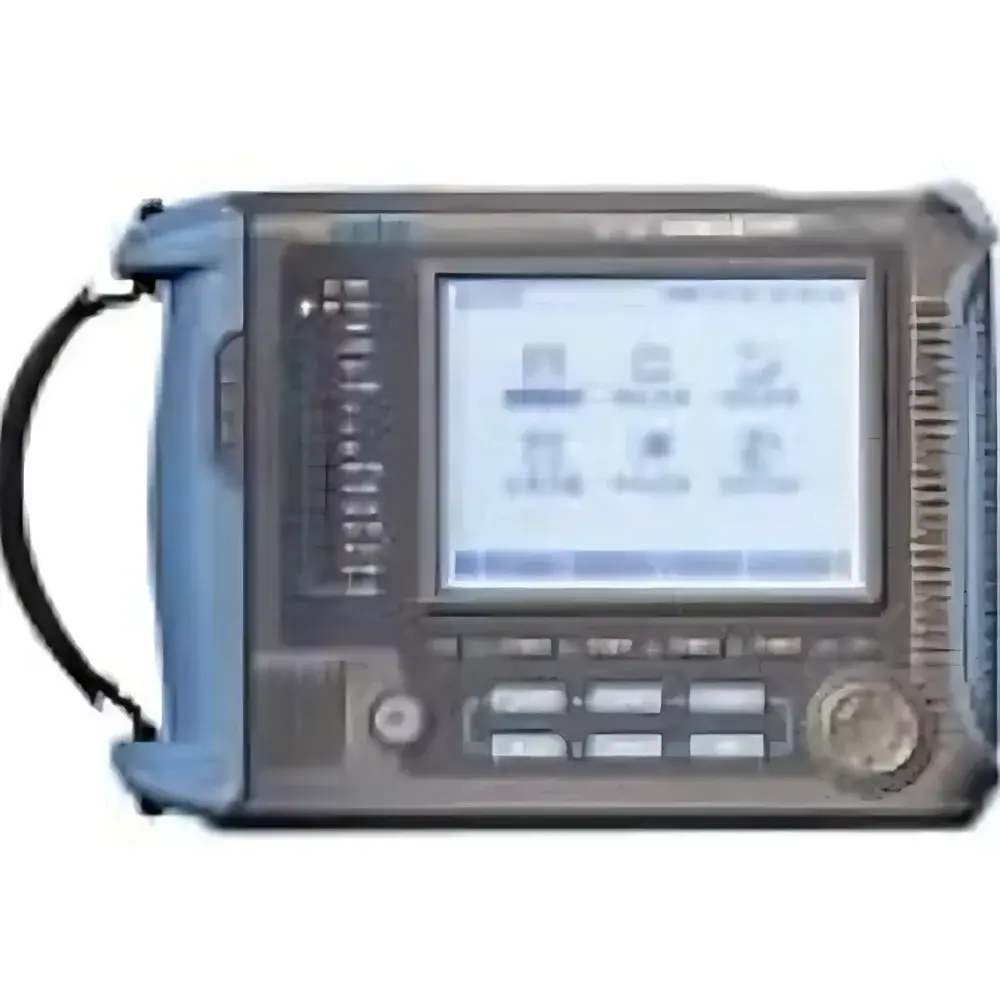
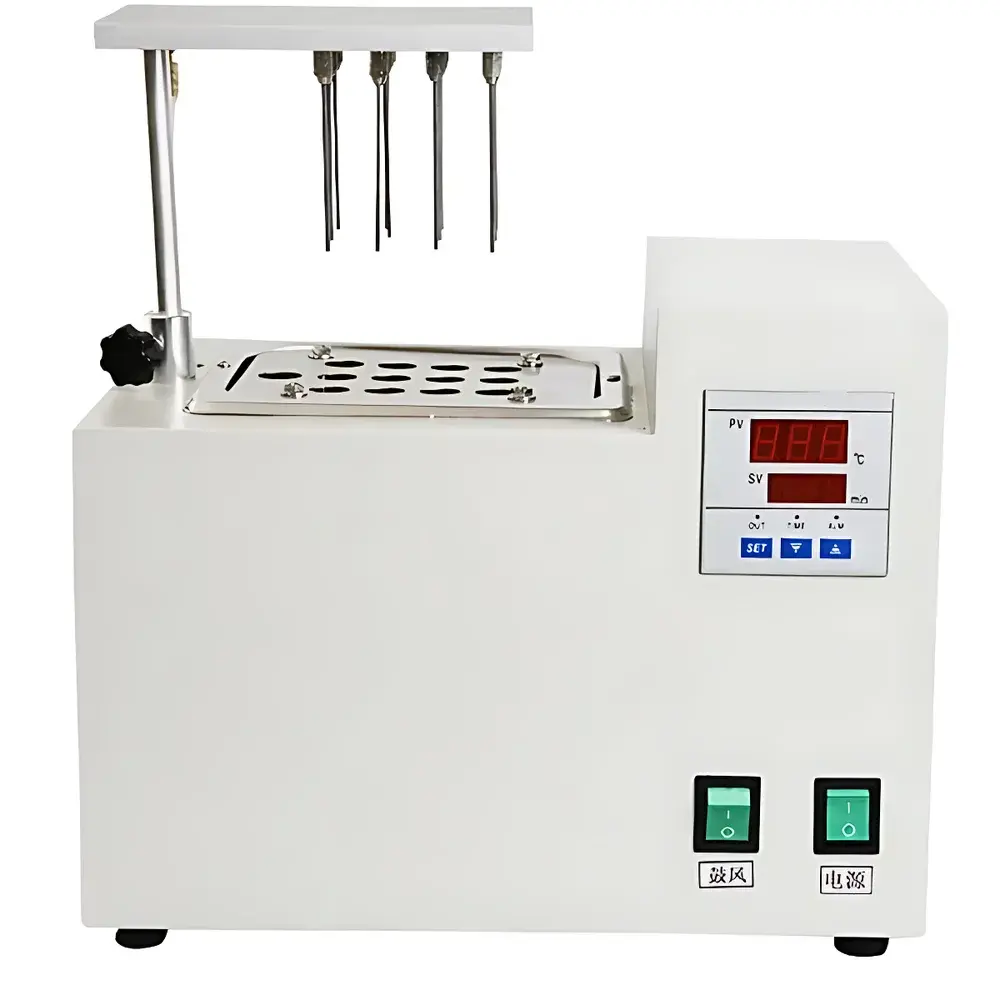
HengaoDe HAD-29286 Portable Total Nitrogen Analyzer
| Brand | HengaoDe |
|---|---|
| Origin | Beijing, China |
| Manufacturer Type | Authorized Distributor |
| Country of Origin | China |
| Model | HAD-29286 |
| Price | USD 28.50 (FOB) |
| Measurement Range | 0.05–200 mg/L |
| Accuracy | ≤±5% or ±0.2 mg/L (whichever is greater) |
| Repeatability | ≤±3% |
| Digestion Temperature Control | 25–180 °C (preset at 125 °C for TN) |
| Digestion Time | 30 min |
| Optical Stability | Drift < 0.002 A in 20 min |
| Batch Capacity | 4 samples |
| Dimensions (Analyzer) | 80 × 230 × 55 mm |
| Dimensions (Digestor) | 105 × 160 × 90 mm |
| Weight (Analyzer) | 0.5 kg |
| Weight (Digestor) | 1.0 kg |
| Analyzer Power Consumption | <40 µA |
| Digestor Power Consumption | <65 W |
| Operating Environment | 5–40 °C, RH ≤85%, no strong vibration or EMI |
Overview
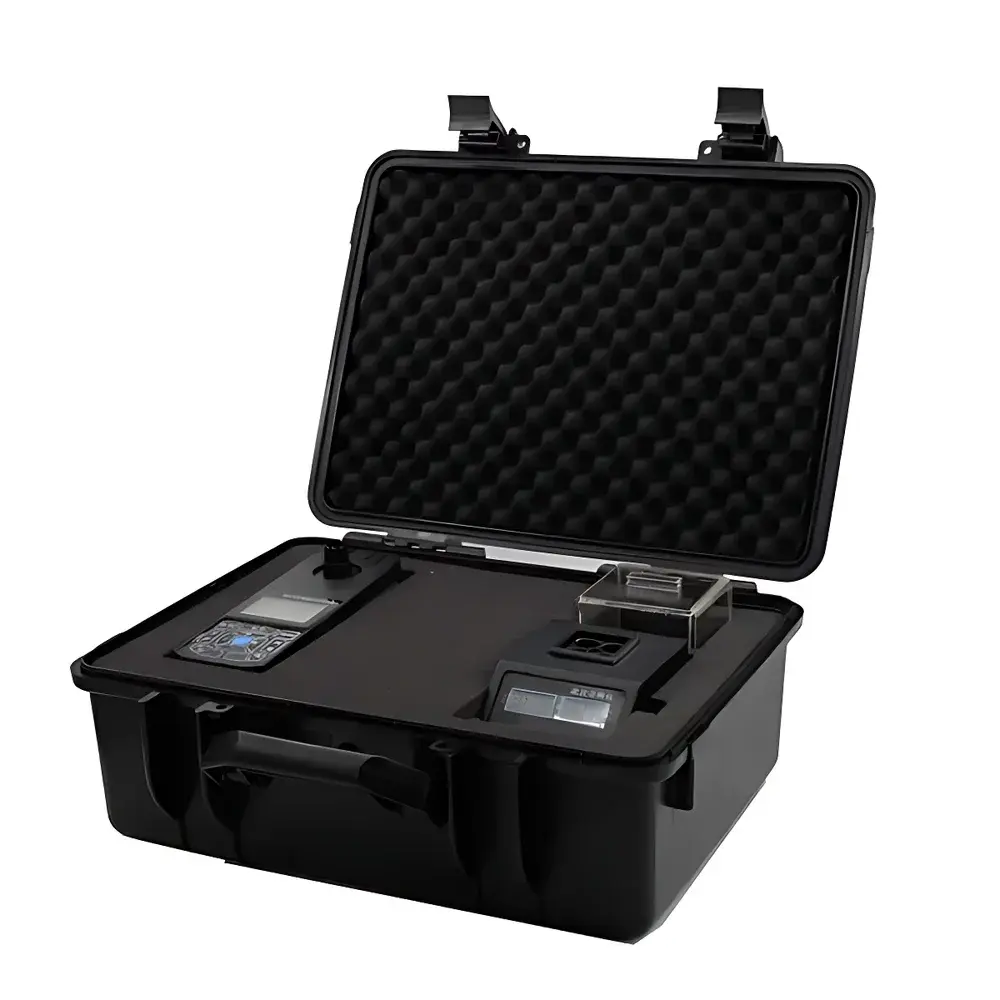
The HengaoDe HAD-29286 Portable Total Nitrogen Analyzer is a field-deployable, dual-unit system engineered for rapid, on-site quantification of total nitrogen (TN) in aqueous environmental, wastewater, and aquaculture samples. It implements the alkaline potassium persulfate digestion method—standardized under ISO 11905-1 and EPA Method 351.2—followed by spectrophotometric detection at 220 nm and 275 nm to correct for nitrate interference. Unlike integrated benchtop analyzers, the HAD-29286 decouples digestion and measurement functions: the dedicated digestion module ensures precise thermal control (PID-regulated, ±0.5 °C stability), while the optical unit maintains photometric integrity through low-drift LED light sources and solid-state detectors. This physical separation minimizes thermal cross-talk and enhances long-term calibration stability—critical for compliance with GLP-aligned field testing protocols.
Key Features
- Dual-unit architecture isolates high-temperature digestion (up to 180 °C) from optical measurement, preserving detector linearity and reducing zero drift.
- PID-controlled digestion block with programmable temperature setpoints (25–180 °C) and fixed 30-minute timer—optimized for 125 °C TN oxidation per ISO 11905-1.
- Compact spectrophotometer with dual-wavelength detection (220/275 nm) and automatic nitrate interference correction algorithm.
- High-capacity rechargeable lithium battery (analyzer) and multi-source power options for digester: 220 V AC, automotive 12 V DC (cigarette lighter), or optional portable Li-ion pack—enabling uninterrupted operation in remote or mobile labs.
- Robust mechanical design: IP54-rated enclosure, shock-absorbing housing, and anti-vibration mounting for transport stability.
- Calibration traceability supported via NIST-traceable standard solutions; built-in validation routine checks optical path integrity before each batch.
Sample Compatibility & Compliance
The HAD-29286 accepts clarified or filtered water samples—including surface water, effluent, groundwater, and nutrient-rich aquaculture media—with minimal pretreatment. It complies with key regulatory frameworks governing nitrogen monitoring: ISO 11905-1 (water quality—determination of total nitrogen), EPA Method 351.2 (total Kjeldahl nitrogen in wastewater), and China’s HJ 636-2012 standard for environmental water quality analysis. Its 4-sample batch capacity aligns with ASTM D1426-15 (Standard Test Methods for Nitrogen in Water) requirements for replicate analysis. All consumables—including digestion vials, reagent kits, and calibration standards—are manufactured to ISO 9001-certified processes and supplied with CoA documentation. The instrument supports audit-ready data logging compliant with FDA 21 CFR Part 11 when paired with optional PC software (HAD-DataLink v3.2).
Software & Data Management
The embedded firmware enables direct storage of up to 500 test records with timestamps, operator ID, calibration history, and raw absorbance values. Data export is supported via USB 2.0 to CSV or XML formats for integration into LIMS or statistical platforms (e.g., JMP, Minitab). Optional HAD-DataLink software provides advanced features: automated QC charting (X-bar/R charts per ASTM E2587), outlier detection using Grubbs’ test, and report generation aligned with ISO/IEC 17025 accreditation templates. Audit trails record all user actions—including method edits, calibration events, and result overrides—with immutable timestamps and digital signatures. Firmware updates are delivered via signed binary packages verified through SHA-256 checksums to ensure integrity.
Applications
This analyzer serves environmental monitoring agencies conducting routine TN surveillance in rivers, lakes, and coastal zones; municipal wastewater treatment plants performing daily process control checks; agricultural extension services assessing fertilizer runoff impacts; and aquaculture facilities managing feeding-induced nutrient loading. Its portability makes it suitable for emergency response teams evaluating post-spill nitrogen contamination and research vessels collecting spatially resolved profiles across estuarine gradients. In academic settings, it supports undergraduate environmental chemistry labs requiring hands-on exposure to regulated digestion-spectrophotometry workflows without requiring fume hood infrastructure.
FAQ
Does the HAD-29286 meet ISO 11905-1 requirements for total nitrogen determination?
Yes—the digestion module achieves and maintains 125 °C ±0.5 °C for 30 minutes, and the optical unit implements the dual-wavelength correction protocol specified in Clause 8.3 of ISO 11905-1.
Can the analyzer be used with seawater or high-salinity samples?
Salinity up to 35 g/kg NaCl does not interfere; however, chloride concentrations >2000 mg/L require matrix-matched calibration or dilution to avoid spectral overlap at 220 nm.
What maintenance is required for long-term field deployment?
Quarterly verification of digestion temperature accuracy using NIST-traceable RTD probes and biannual replacement of LED light sources (rated for 10,000 hours) are recommended. No optical alignment is needed due to monolithic optical path design.
Is method validation documentation provided?
Each unit ships with a Factory Validation Report including LOD/LOQ determination (0.02 mg/L and 0.05 mg/L respectively), precision testing (n=6 replicates at 5, 50, and 150 mg/L), and inter-laboratory comparison data against certified reference materials (CRM-WW-200).