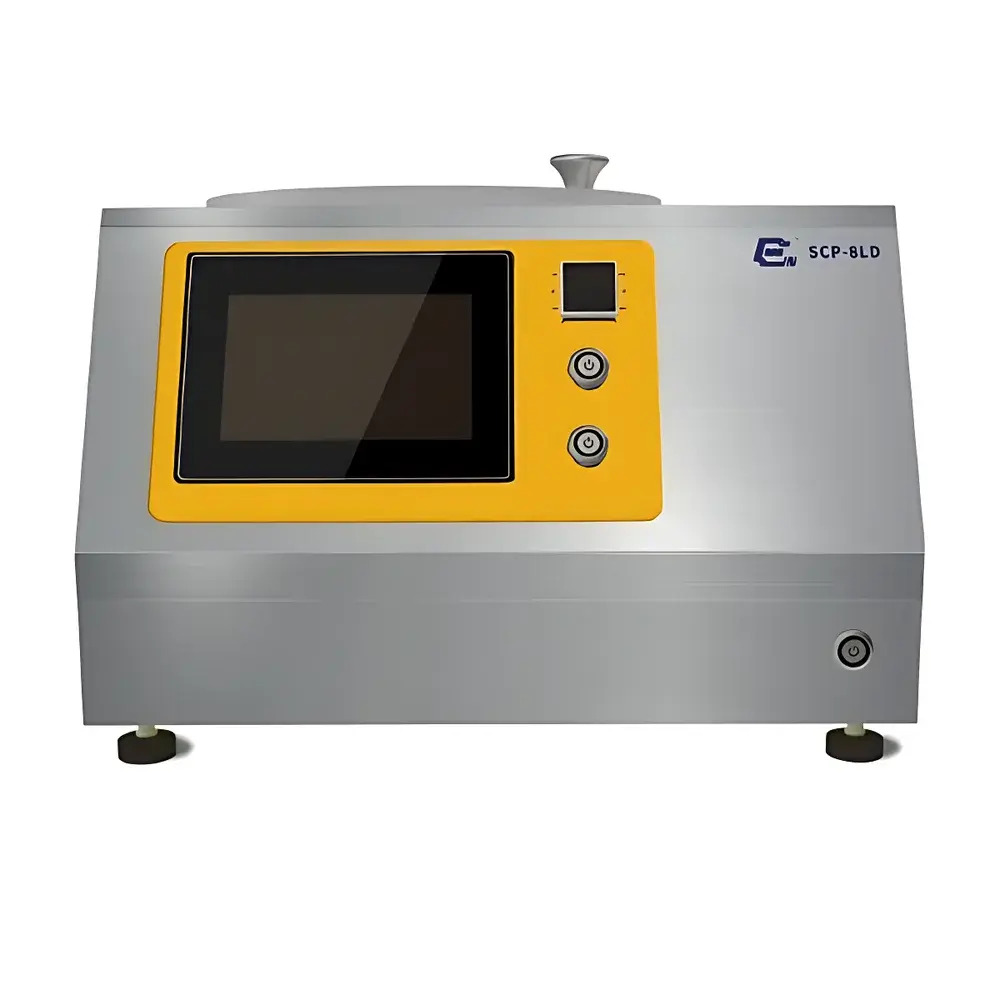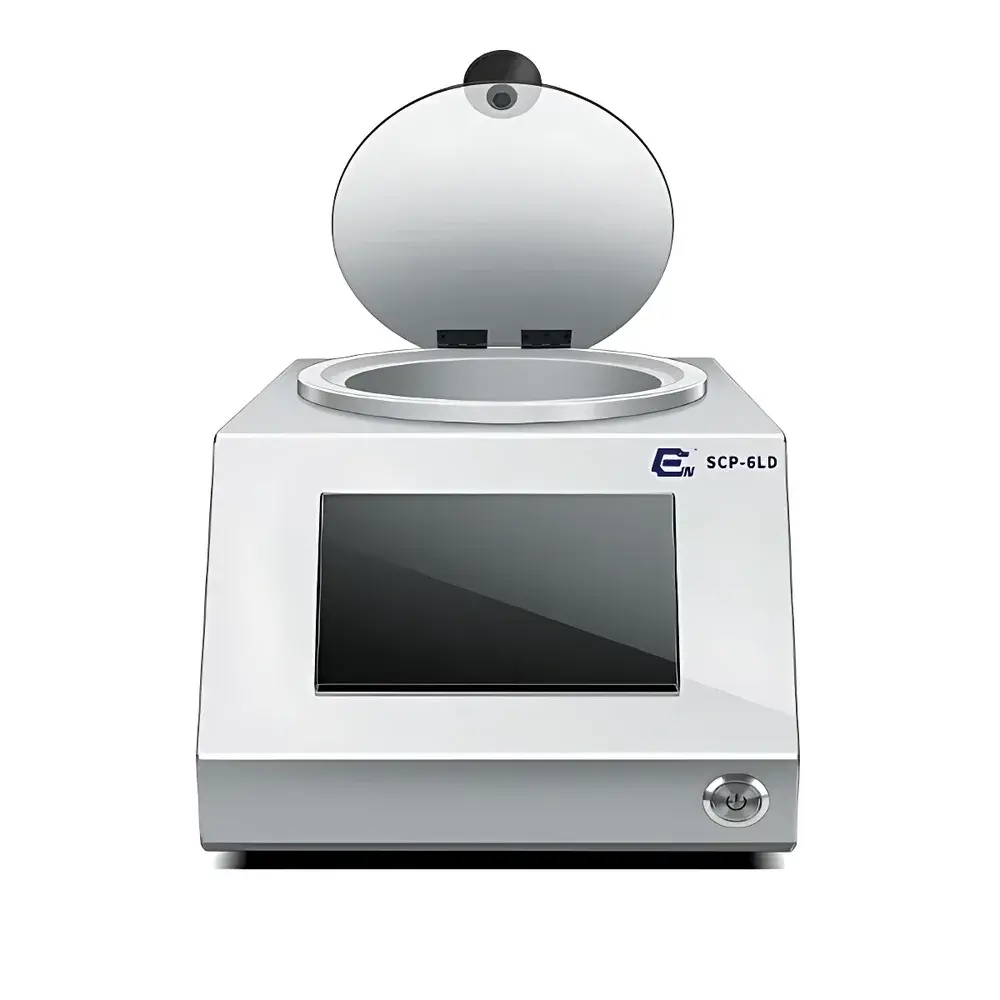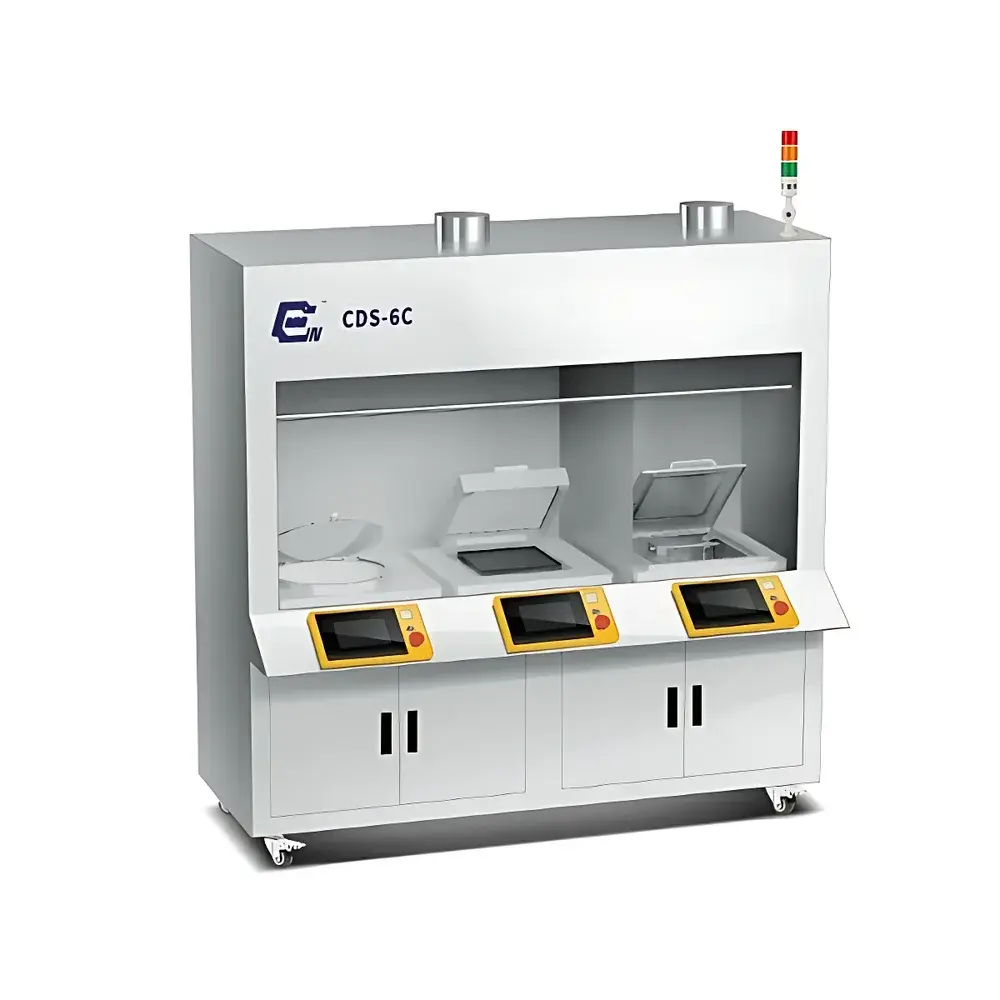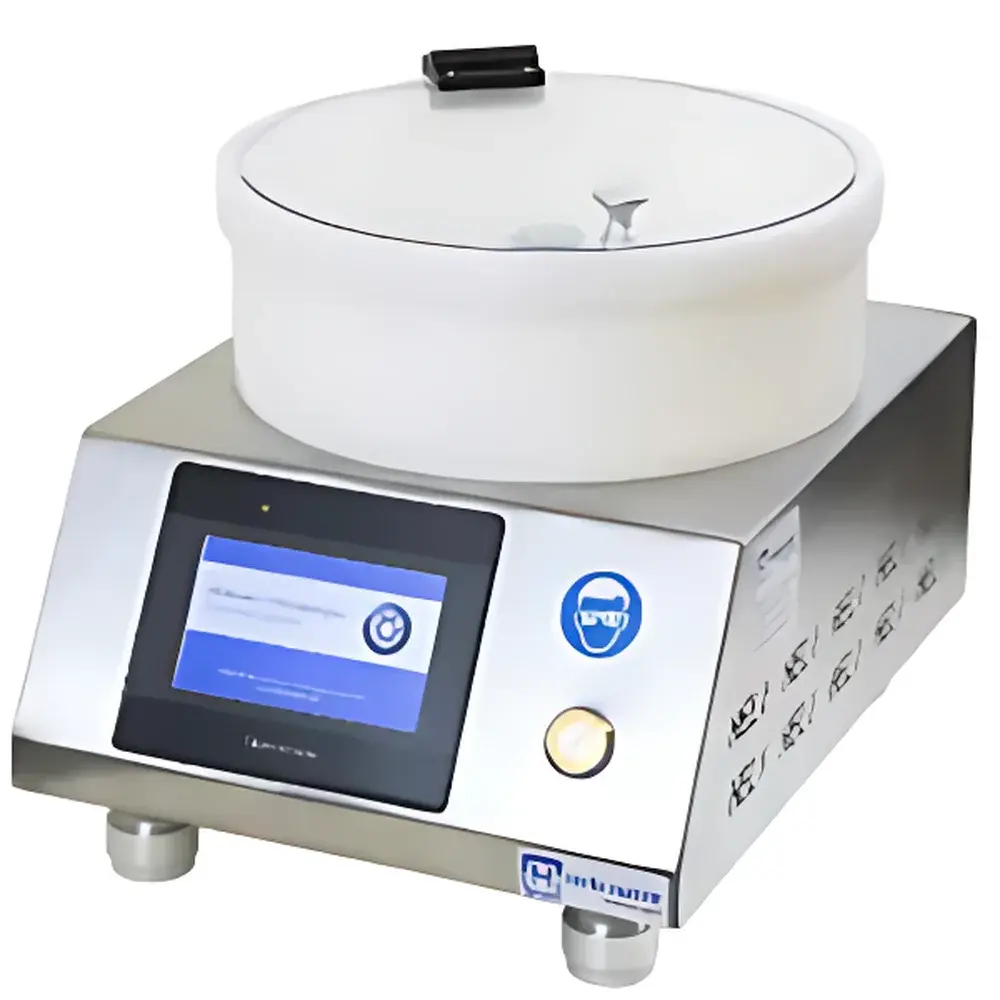
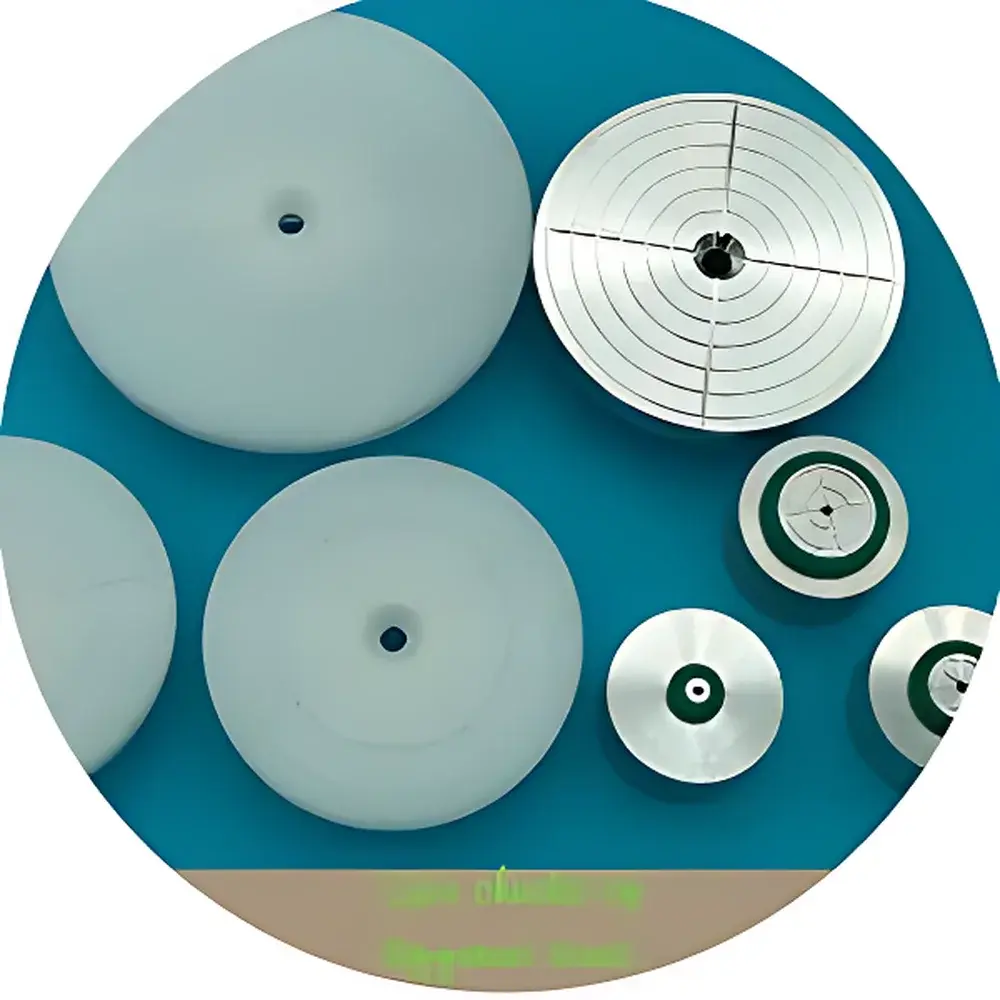
Analysis HC150PE Programmable Spin Coater
| Brand | Analysis |
|---|---|
| Origin | Beijing, China |
| Model | HC150PE |
| Rotation Speed | 100–12,000 rpm |
| Rotation Time Resolution | 0.1 s |
| Max Acceleration | 30,000 rpm/s |
| Substrate Diameter | 5–150 mm |
| Chamber Diameter | 212 mm |
| Programmable Steps | 10 programs × 10 steps each |
| Power Input | AC 200–230 V |
Overview
The Analysis HC150PE Programmable Spin Coater is an engineered solution for precision photoresist, polymer, and functional thin-film deposition in semiconductor R&D, MEMS fabrication, and academic cleanroom environments. Based on centrifugal spin-coating principles—where controlled rotational acceleration and deceleration govern film thickness uniformity and solvent evaporation kinetics—the HC150PE delivers reproducible, layer-by-layer coating across substrates from 5 mm wafers to full 150 mm (6-inch) diameter discs. Its compact footprint (W × D × H: 320 × 340 × 280 mm) enables seamless integration into nitrogen-purged gloveboxes or Class 100–1000 cleanrooms. The system operates without external vacuum pumps; instead, it utilizes an integrated high-flow vacuum chuck with real-time pressure monitoring to ensure substrate adhesion integrity throughout multi-step protocols.
Key Features
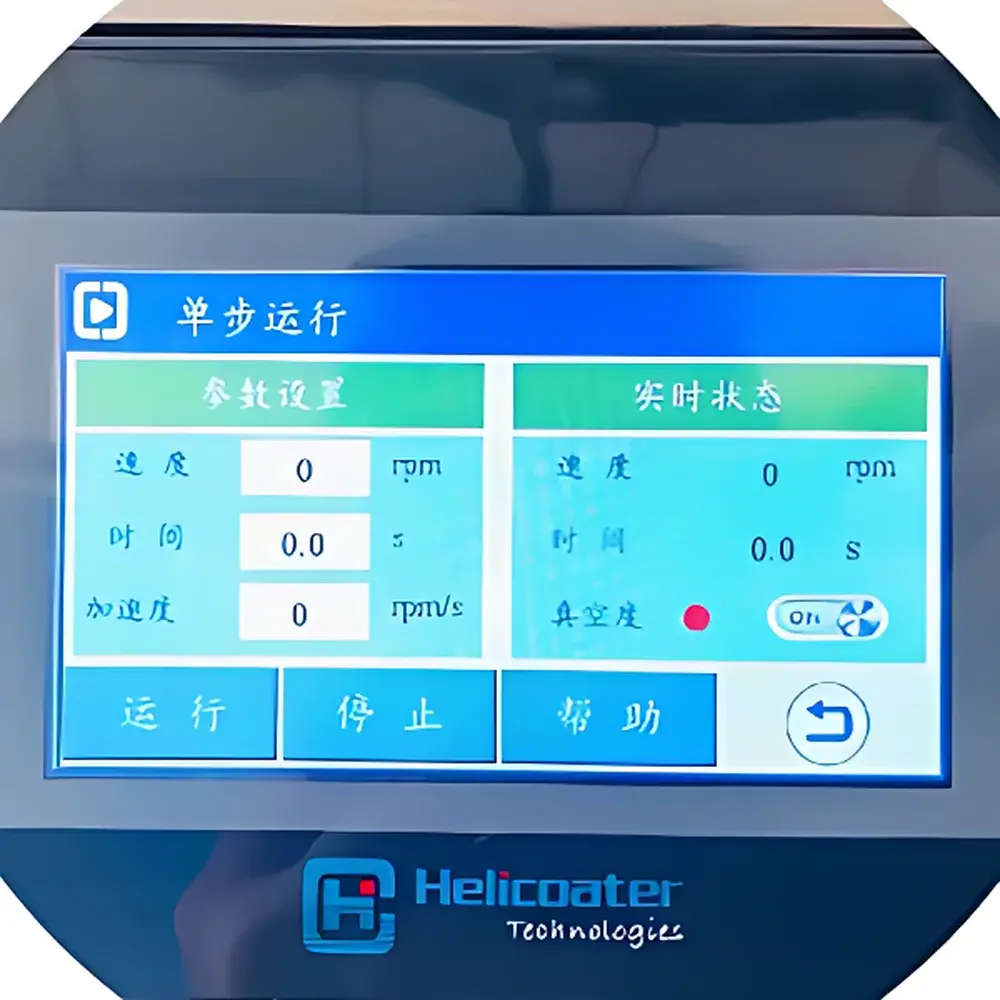
- 4.3-inch full-color capacitive touchscreen interface with intuitive drag-and-drop program builder and on-screen parameter validation.
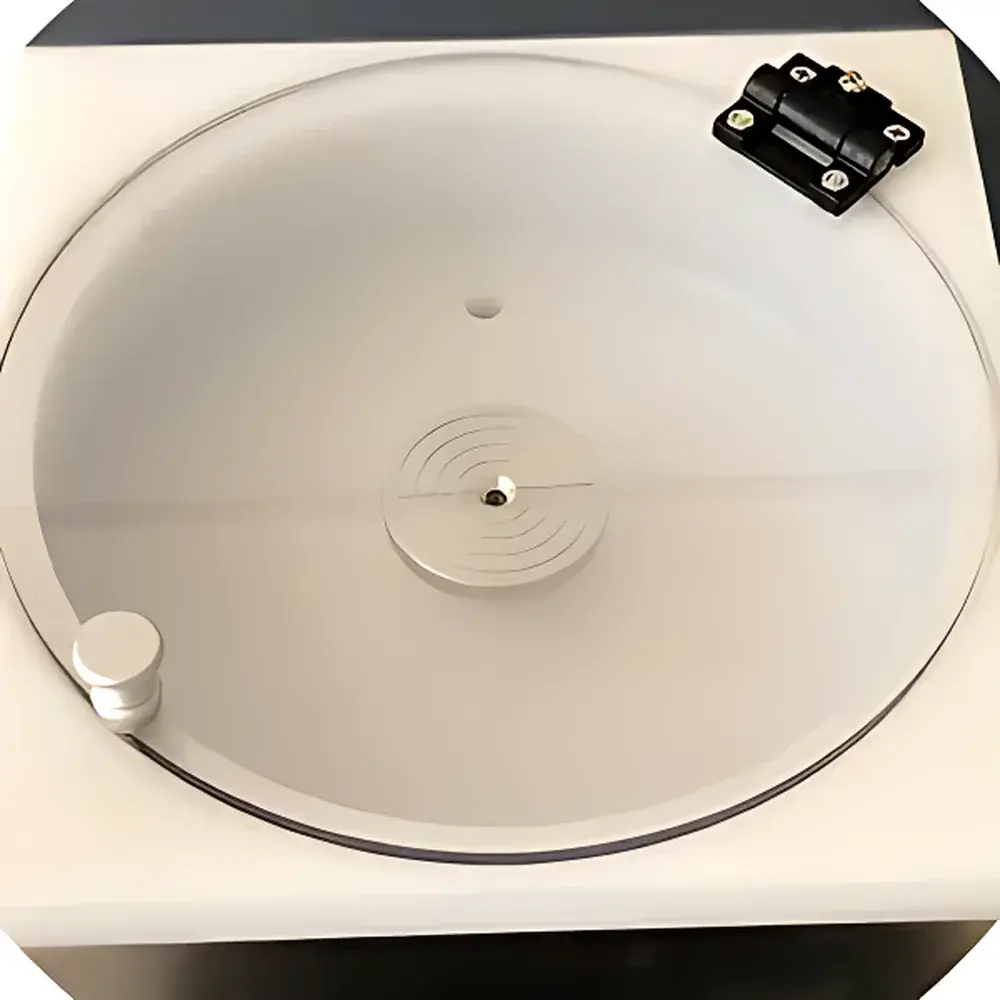
- Monolithic HDPE chamber machined via CNC for chemical resistance against common solvents (e.g., acetone, PGMEA, IPA, chlorobenzene) and ease of decontamination between runs.
- Optimized concave chamber wall geometry minimizes edge splashing and droplet rebound, reducing particulate generation and improving edge bead uniformity (EBR).
- Industrial-grade PLC controller with non-volatile memory: retains all user-defined programs and runtime parameters during power loss or emergency shutdown.
- Dual hardware interlocks—vacuum pressure sensor (<5 kPa threshold) and lid position switch—prevent rotation unless both safety conditions are met, compliant with IEC 61000-6-2/6-4 EMC and ISO 13857 mechanical safety guidelines.
- Motor-driven dispense protection logic prevents premature ejection or nozzle clogging by synchronizing fluid delivery timing with acceleration ramping profiles.
- Modular tubing path design with quick-release fittings and straight-line routing simplifies maintenance and reduces residue accumulation in solvent transport lines.
Sample Compatibility & Compliance
The HC150PE accommodates rigid planar substrates including silicon, glass, quartz, sapphire, and flexible polyimide or PET foils (with optional vacuum chuck adapters). It supports standard wafer sizes: Ø5 mm, Ø12.7 mm, Ø25 mm, Ø50 mm, Ø76.2 mm (3″), Ø100 mm (4″), Ø125 mm, and Ø150 mm (6″). All wet-process components meet RoHS Directive 2011/65/EU requirements. The control firmware implements audit-trail-ready event logging (timestamped start/stop, error codes, parameter changes), supporting GLP-compliant lab documentation workflows. While not FDA-cleared, its architecture aligns with foundational elements of 21 CFR Part 11 for electronic records when deployed with validated networked data export protocols.
Software & Data Management
No proprietary PC software is required for basic operation; all programming is performed locally via the embedded HMI. However, optional USB-C data export enables CSV-formatted logs containing timestamp, program ID, step sequence, actual vs. set rpm, vacuum status, and duration per step. These logs are compatible with MATLAB, Python pandas, or JMP for statistical process control (SPC) analysis. Firmware updates are delivered via FAT32-formatted USB flash drives, with SHA-256 checksum verification prior to installation. User access levels include Operator (run-only), Technician (program edit + calibration), and Administrator (password-protected system settings and audit log review).
Applications
- Photolithography: Uniform spin-on application of g-line, i-line, and deep-UV resists (e.g., AZ® series, SU-8, PMMA) with thickness repeatability <±2.5% across 150 mm wafers (measured via ellipsometry).
- Perovskite solar cell R&D: Sequential anti-solvent quenching protocols with programmable deceleration ramps to control crystallization kinetics.
- Microfluidic device fabrication: Parylene-C or PDMS precursor coating on structured masters prior to vapor deposition or soft lithography.
- Nanomaterial dispersion: Graphene oxide, MoS₂, or quantum dot suspensions deposited as uniform monolayers for optoelectronic characterization.
- MEMS packaging: BCB or polyimide passivation layers applied under inert atmosphere inside glovebox-integrated configurations.
FAQ
Does the HC150PE support automatic dispense synchronization with spin profile?
Yes—integrated motorized syringe pump control (optional add-on module) enables precise trigger-based dispensing aligned to acceleration phase, dwell time, or deceleration ramp.
Can the system be operated inside a nitrogen-filled glovebox?
Yes—the unit is rated for continuous operation at O₂ <1 ppm and includes vent-compatible exhaust ports for passive solvent vapor removal.
Is remote monitoring or Ethernet connectivity available?
Standard configuration uses isolated RS-485 for external PLC integration; Ethernet/Wi-Fi modules are available under custom OEM agreement with firmware validation.
What vacuum source is required?
A minimum −80 kPa (20 kPa absolute) dry vacuum source with ≥20 L/min flow capacity is recommended; built-in vacuum gauge provides real-time feedback and auto-hold functionality.
How is calibration traceability maintained?
Rotation speed is calibrated using NIST-traceable optical tachometry; factory calibration certificates include uncertainty budgets per ISO/IEC 17025:2017 Annex A. Field recalibration tools are provided with service contract.