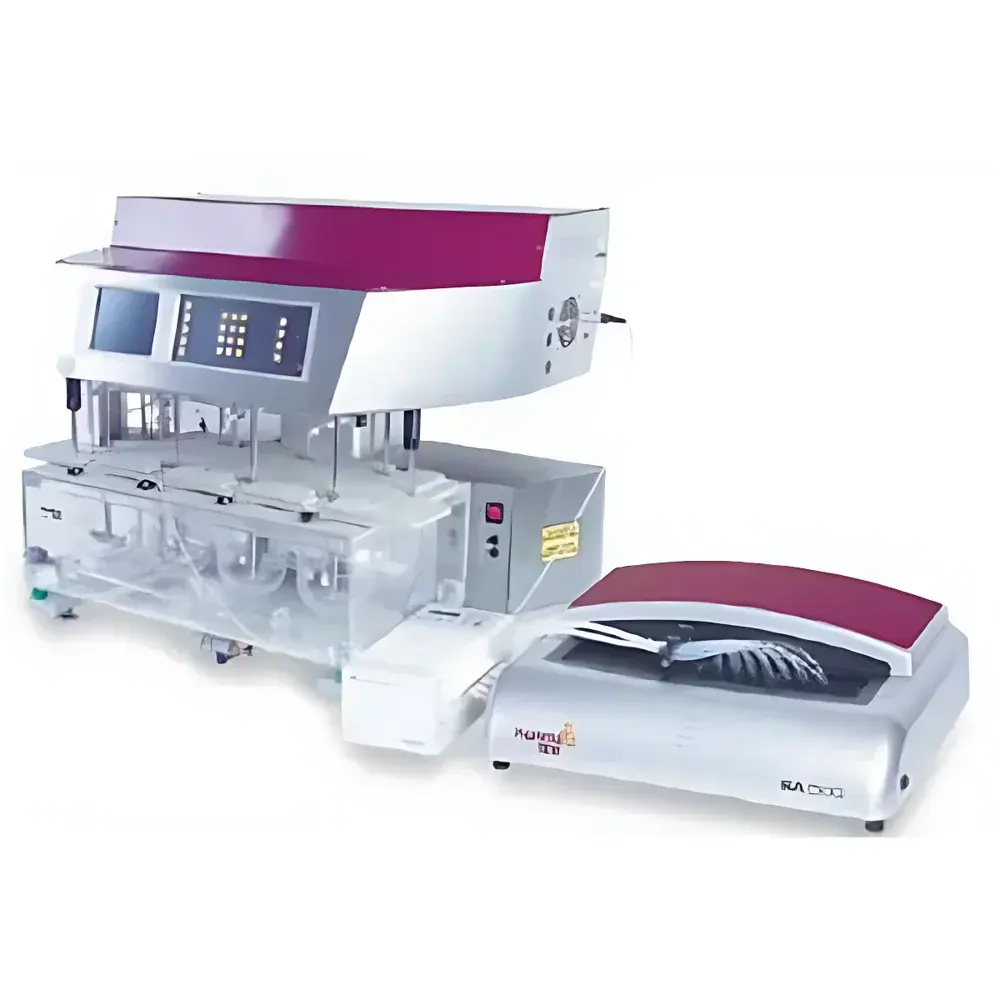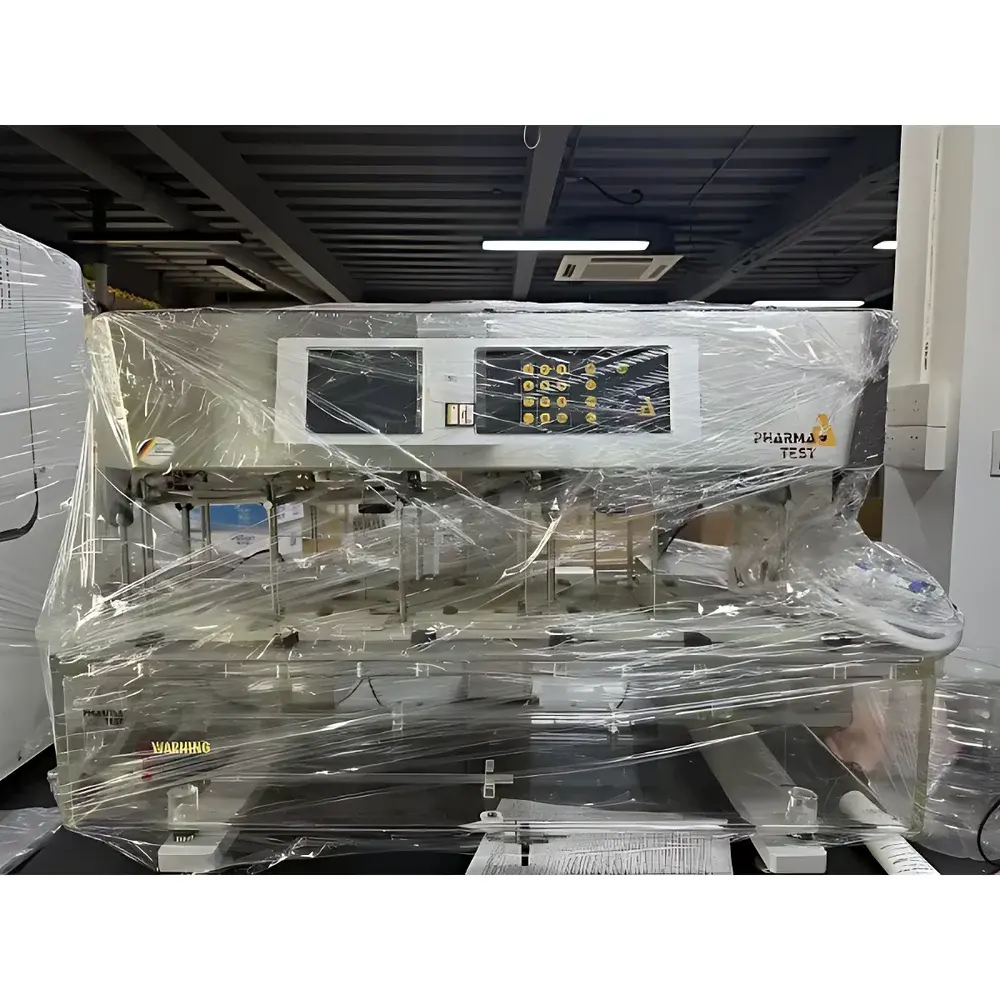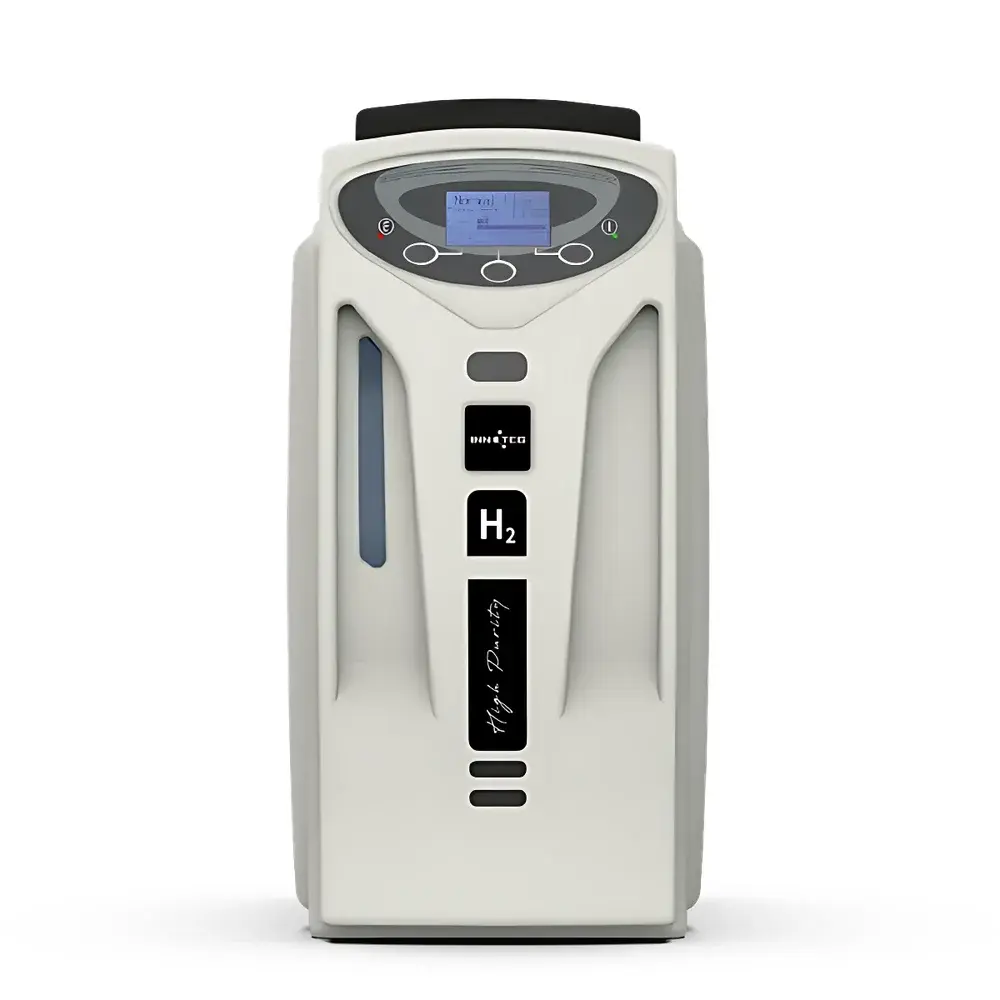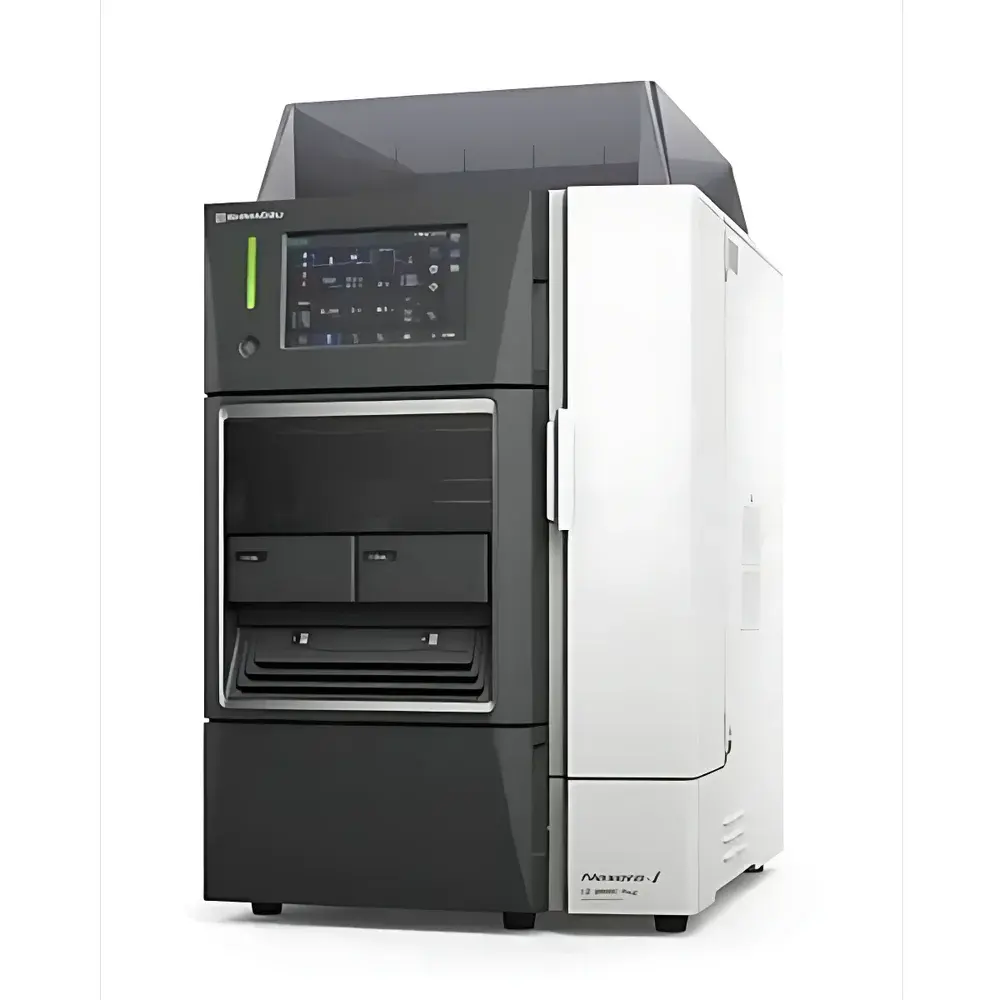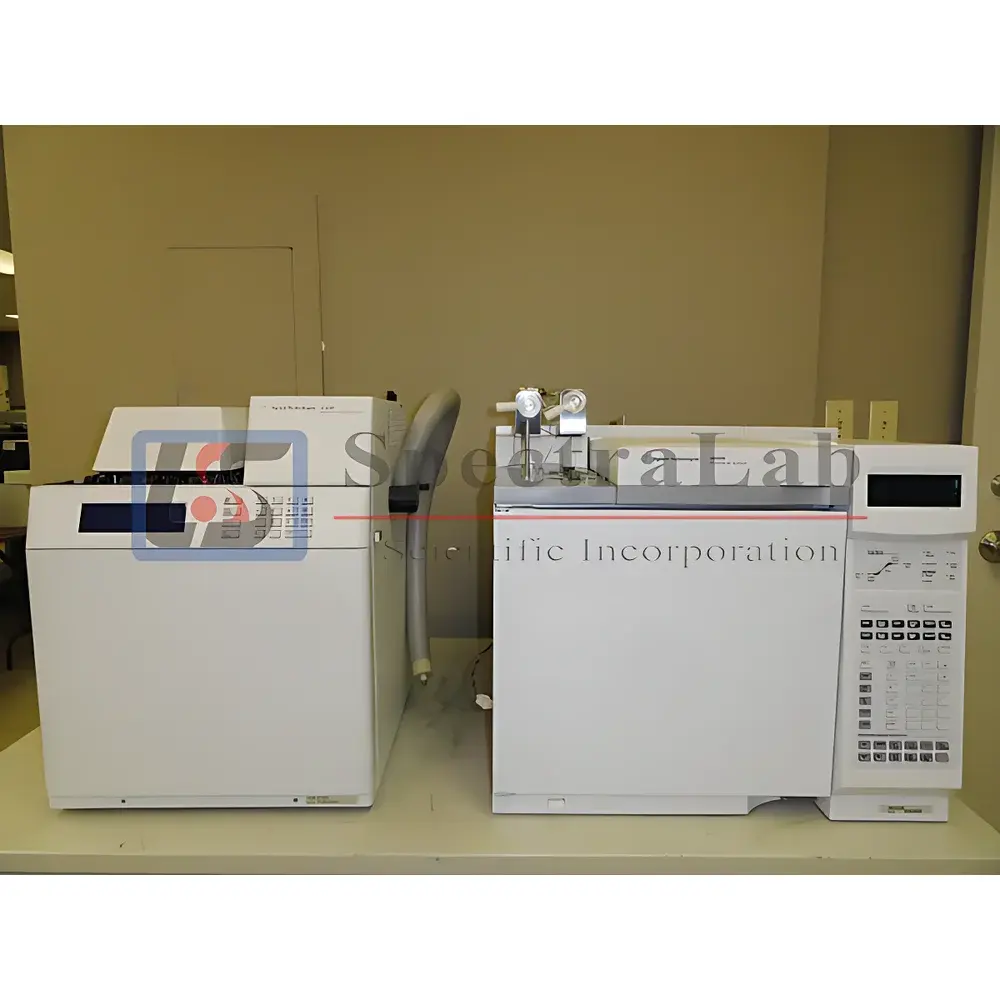
Agilent 6890N Gas Chromatograph with FID Detector and G1888 Headspace Sampler
| Brand | Agilent Technologies |
|---|---|
| Origin | Canada |
| Model | 6890N with G1888 |
| Detection Principle | Flame Ionization Detection (FID) |
| Minimum Detectable Level (Tridecane) | <1.8 pg C/s |
| Linear Dynamic Range | >10⁷ (+10%) |
| Data Acquisition Rate | Up to 200 Hz |
| EPC Control Channels | 3 (Air, H₂, Makeup Gas) |
| Air Flow Range | 0–800 mL/min |
| H₂ Flow Range | 0–100 mL/min |
| Makeup Gas Flow Range | 0–100 mL/min |
| Maximum Injector/Transfer Line Temperature | 450°C |
| Sample Introduction | Automated Headspace via Agilent G1888 |
| System Age | 3–4 years |
| Warranty | 6 months |
| Compliance | Designed for ASTM D3606, USP <467>, ISO 11843-1, and GLP-compliant workflows |
Overview
The Agilent 6890N Gas Chromatograph integrated with a Flame Ionization Detector (FID) and the Agilent G1888 Network Headspace Sampler constitutes a fully validated, high-reproducibility solution for quantitative volatile organic compound (VOC) analysis in regulated and research environments. Engineered for precision and long-term stability, the 6890N platform employs Electronic Pneumatic Control (EPC) architecture to deliver sub-milliliter-per-minute flow accuracy across carrier, fuel, and makeup gases—critical for retention time reproducibility and method transferability. The FID operates on the principle of carbon-selective ionization in a hydrogen–air flame, generating current proportional to the mass flow rate of combustible analytes. Its linear dynamic range exceeding 10⁷ enables accurate quantification from trace-level contaminants (e.g., residual solvents per USP ) to high-concentration standards without manual range switching. Paired with the G1888 headspace sampler—which features an inert, temperature-controlled sample pathway, programmable vial pressurization, and precise thermal equilibration—the system eliminates adsorption losses and ensures robust recovery of thermally labile or polar volatiles.
Key Features
- Advanced EPC modules for independent, real-time control of air (0–800 mL/min), hydrogen (0–100 mL/min), and makeup gas (N₂ or He, 0–100 mL/min)
- FID with grounded jet design and maximum operating temperature of 450°C for enhanced thermal stability and reduced baseline drift
- Automatic flame-out detection and re-ignition sequence ensuring uninterrupted operation during unattended runs
- G1888 headspace sampler supporting up to 112 vials per run, with programmable incubation, pressurization, and loop injection
- Capillary-optimized inlet configuration with split/splitless operation, compatible with standard 0.1–0.53 mm ID columns
- Network-ready architecture supporting Ethernet connectivity, remote diagnostics, and integration with Agilent ChemStation or OpenLab CDS software
Sample Compatibility & Compliance
This refurbished 6890N/G1888 system is validated for use with aqueous, semi-solid, and polymer matrix samples requiring headspace analysis—including pharmaceutical excipients, packaging materials, environmental water extracts, and forensic toxicology specimens. The inert sample path (siliconized tubing, deactivated valves, and fused-silica transfer lines) minimizes active site interactions, preserving integrity of aldehydes, ketones, and low-molecular-weight esters. Method compliance is supported for key regulatory frameworks: USP (Residual Solvents), ASTM D3606 (Benzene in Gasoline), ISO 11843-1 (Detection Limit Estimation), and ICH Q2(R2) validation guidelines. All hardware components undergo functional verification per Agilent’s Factory Service Standards, including leak testing, temperature calibration (±0.1°C), and FID sensitivity verification using tridecane.
Software & Data Management
The system operates natively with Agilent ChemStation Rev. A.10.02 or later, enabling full audit trail functionality, electronic signatures, and 21 CFR Part 11–compliant data security when deployed in validated environments. Raw chromatographic data (.D files) are stored with embedded acquisition parameters, instrument logs, and calibration history. Sequence methods support automated headspace parameter inheritance (equilibration time, oven ramp, loop bake), while integration algorithms comply with EP 10.0 and USP peak detection criteria. Data export formats include CSV, PDF reports, and XML for LIMS interfacing. SpectraLab Scientific provides pre-installation software configuration guidance and post-delivery remote support for CDS setup and method migration.
Applications
- Pharmaceutical quality control: Residual solvent analysis in APIs and finished dosage forms
- Environmental monitoring: VOC profiling in groundwater, soil extracts, and indoor air samples
- Food and flavor chemistry: Quantification of ethanol, acetaldehyde, and ester profiles in beverages
- Polymer and packaging testing: Migration studies of monomers and additives into simulants
- Forensic toxicology: Blood alcohol and volatile drug metabolite screening
- Chemical manufacturing: Batch release testing for solvent purity and reaction byproduct identification
FAQ
Is this system compliant with 21 CFR Part 11 requirements?
Yes—when operated with Agilent OpenLab CDS and properly configured audit trails, electronic signatures, and role-based access controls.
What documentation accompanies the refurbished unit?
A comprehensive refurbishment report, calibration certificates (oven, injector, detector), EPC verification logs, and a signed warranty certificate are provided.
Can the system be upgraded to support mass spectrometry detection?
The 6890N chassis supports GC/MS retrofitting via Agilent 5973/5975 interfaces; however, this configuration ships with FID only and requires separate MS installation.
What maintenance history is available for this specific unit?
SpectraLab Scientific retains full service logs from prior operational use, including column installations, detector cleanings, and firmware updates performed during refurbishment.
Is method transfer support included with purchase?
Yes—SpectraLab offers complimentary consultation for method translation from legacy GC platforms, including retention time alignment, peak shape optimization, and integration parameter tuning.