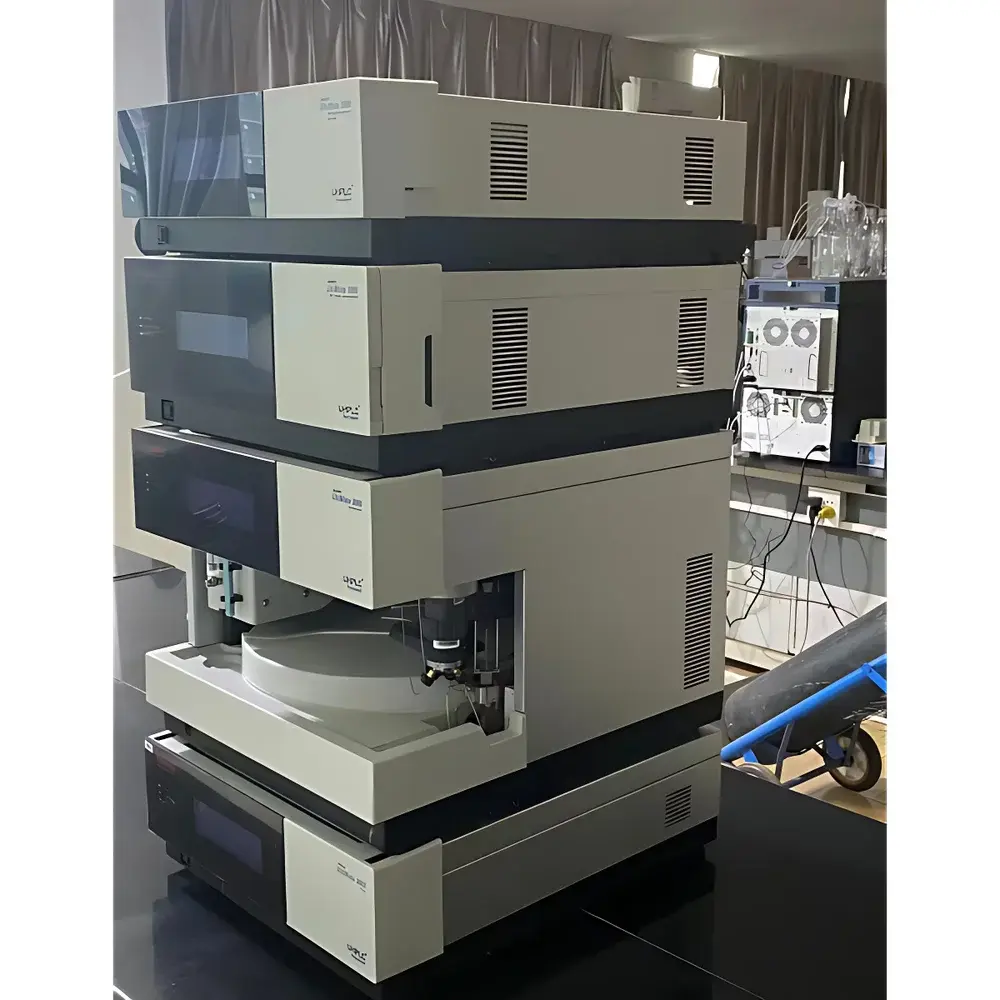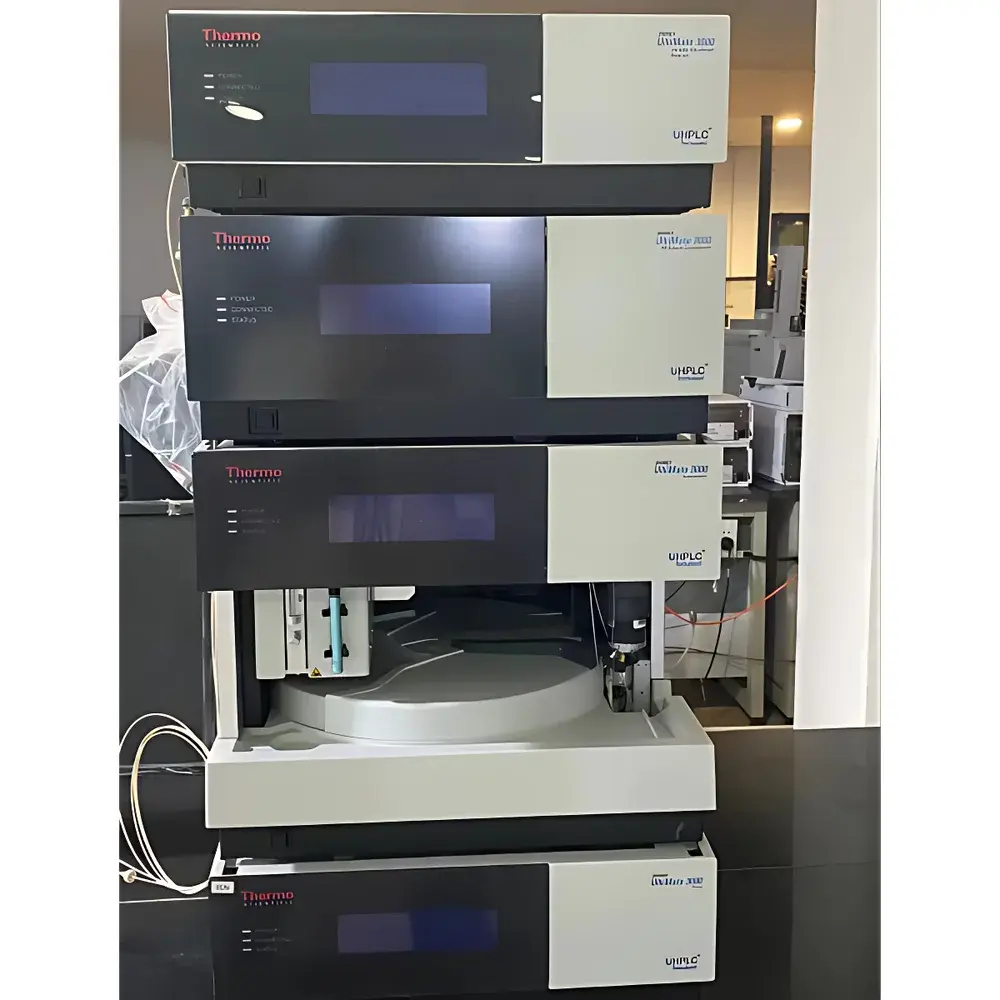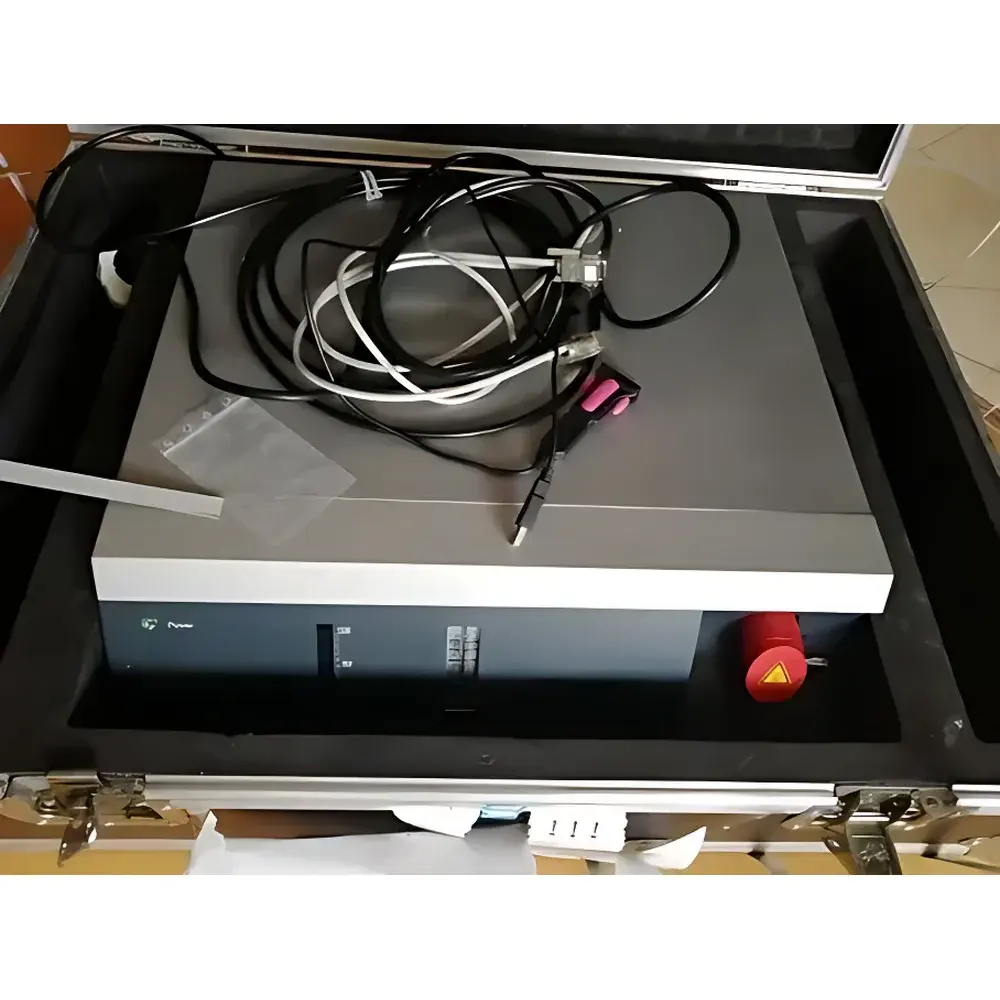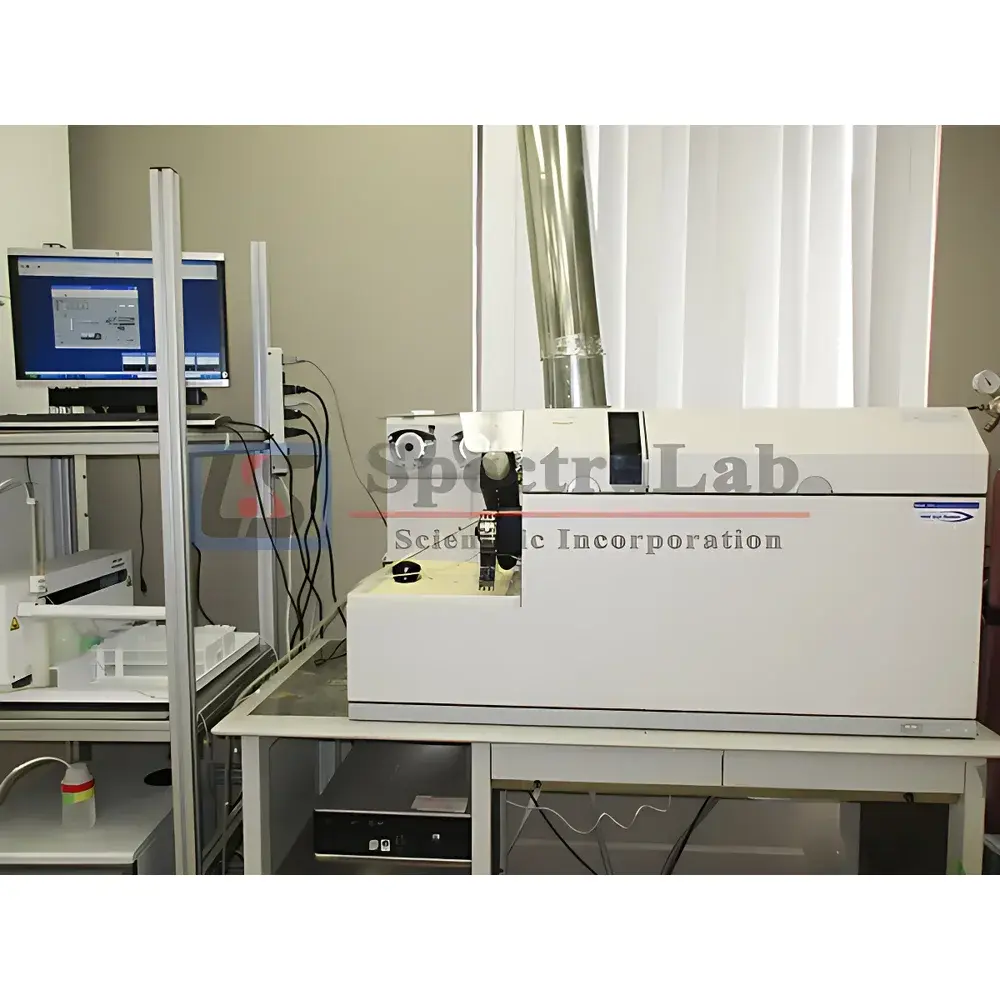
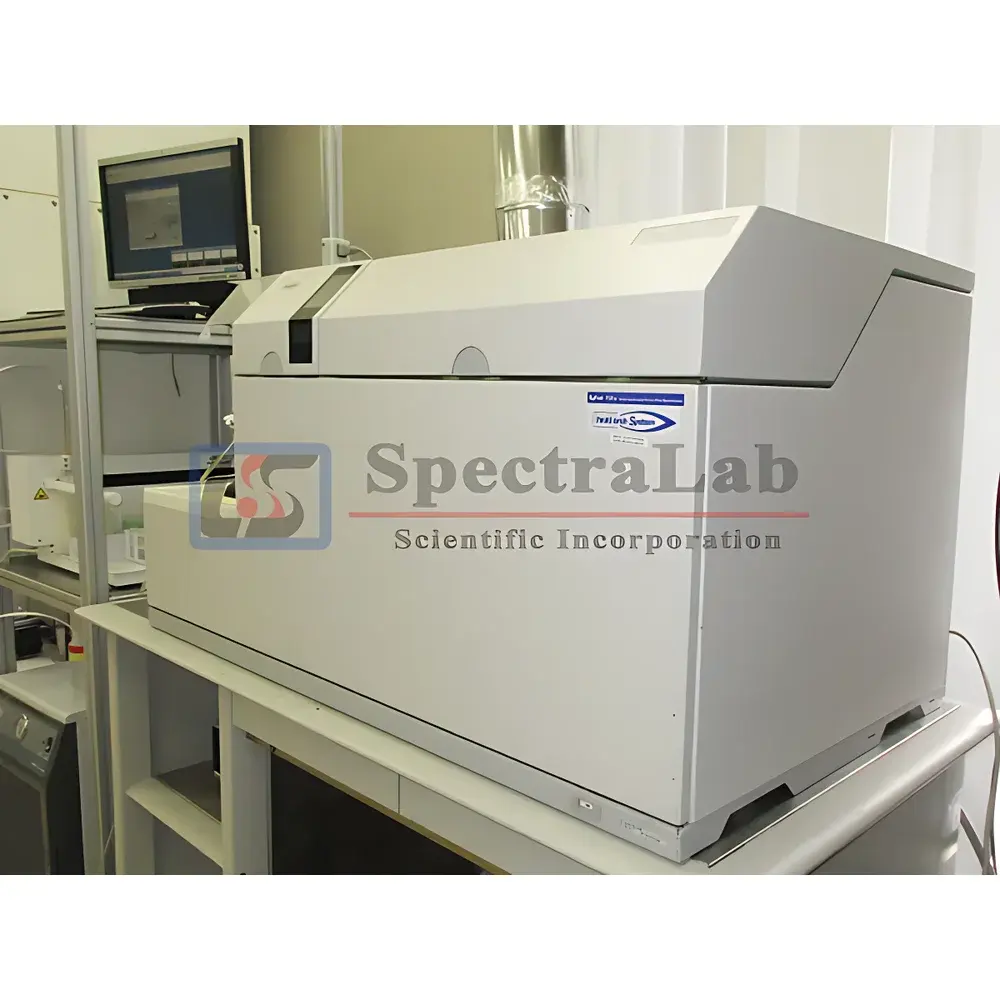
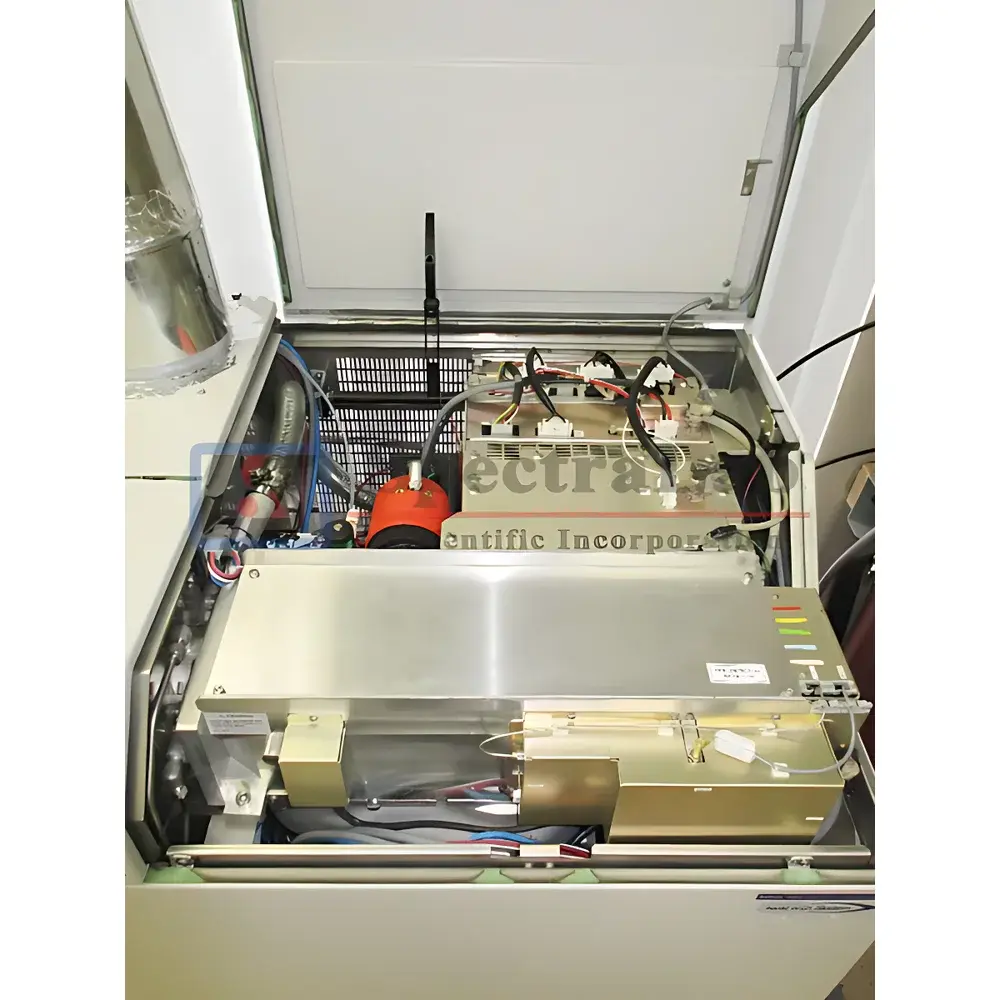
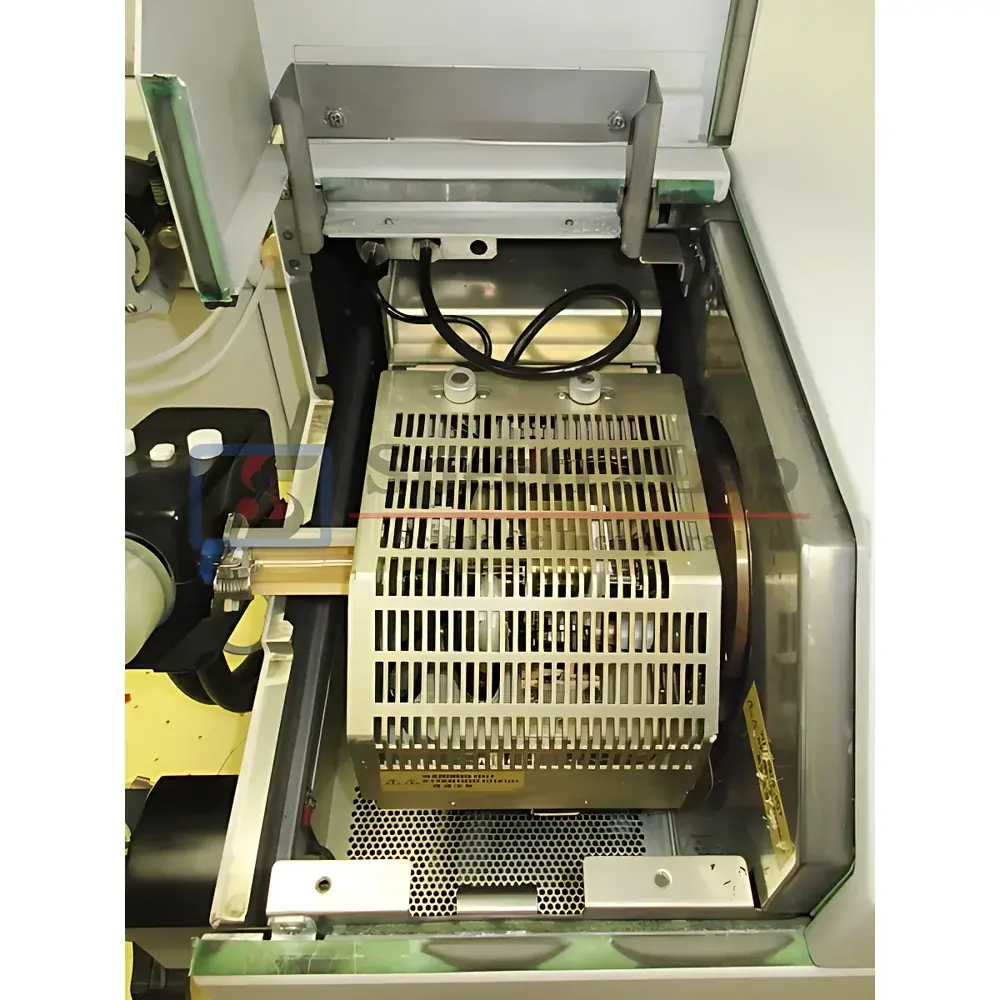
Agilent 7500a ICP-MS Inductively Coupled Plasma Mass Spectrometer (Refurbished)
| Brand | Agilent Technologies |
|---|---|
| Origin | USA |
| Model | 7500a |
| Instrument Type | Quadrupole ICP-MS |
| Operational Age | 4 years |
| Warranty | 6 months |
| Detection Limit | Sub-part-per-quadrillion (ppq) |
| Linear Dynamic Range | Up to 12 orders of magnitude |
| Sample Throughput | 1–3 min per sample |
| Regulatory Compliance | Designed for GLP/GMP environments |
| Software Platform | Agilent MassHunter Workstation v4.x or later |
| Included Accessories | Standard sample introduction kit, torch, cones, vacuum pumps, cooling system, and calibration standards |
Overview
The Agilent 7500a ICP-MS is a high-performance quadrupole inductively coupled plasma mass spectrometer engineered for ultra-trace elemental and isotopic analysis across diverse matrices. Operating on the principle of ion generation in a high-temperature argon plasma (~7,000–10,000 K), followed by mass separation via a robust RF-driven quadrupole mass filter and detection using a secondary electron multiplier (SEM), this instrument delivers exceptional sensitivity, precision, and multi-element capability. As a refurbished unit fully tested and validated by SpectraLab Scientific, it retains full functional integrity consistent with original Agilent specifications—making it a cost-optimized solution for laboratories requiring regulatory-grade performance without new-instrument capital expenditure.
Key Features
- Sub-part-per-quadrillion (ppq) detection limits for most elements—including As, Cd, Pb, U, and rare earth elements—enabling compliance with stringent environmental and clinical regulatory thresholds (e.g., EPA Method 6020B, ISO/IEC 17025).
- 12-order linear dynamic range (from ppq to >100 ppm), eliminating the need for manual dilution or method reconfiguration across concentration gradients.
- Robust interference management through helium collision cell technology (ORS, Octapole Reaction System), effectively suppressing polyatomic interferences such as 40Ar16O+ on 56Fe+ and 40Ar35Cl+ on 75As+.
- Integrated autosampler compatibility (Agilent G1888 or equivalent) supporting unattended operation for up to 192 samples per run.
- Modular vacuum architecture with dual-stage turbomolecular pumping ensures long-term stability and minimal downtime between maintenance cycles.
- Factory-calibrated mass scale accuracy (±0.1 Da) and reproducible mass resolution (0.7–1.0 Da at 10% peak height) verified per ASTM E1957-22.
Sample Compatibility & Compliance
The 7500a accommodates liquid samples ranging from ultrapure water (e.g., semiconductor rinse water) to complex digests (e.g., microwave-acid-digested soils, biological tissues, or polymer ash). It supports direct analysis of low-solids solutions (<0.2% total dissolved solids) and integrates seamlessly with laser ablation (LA-ICP-MS) systems for solid sampling when configured with optional accessories. All operational protocols align with ISO/IEC 17025:2017 requirements for testing laboratories, and data acquisition workflows are compatible with FDA 21 CFR Part 11-compliant audit trails when deployed with MassHunter’s secure user authentication and electronic signature modules.
Software & Data Management
Controlled exclusively via Agilent MassHunter Workstation software (v4.3 or higher), the system provides intuitive method development, real-time spectral visualization, isotope ratio calculation, and automated interference correction. Raw data files (.d format) are stored in a structured, vendor-neutral hierarchy compliant with LIMS integration standards (e.g., ASTM E1482-21). Built-in reporting templates support customizable output formats for regulatory submissions—including EPA, CLIA, and ISO 15197 traceability documentation. Data integrity safeguards include time-stamped audit logs, role-based access control, and encrypted backup archives.
Applications
- Environmental monitoring: Quantification of heavy metals and radionuclides in drinking water (EPA 6020B), seawater, sediments, and hazardous waste leachates.
- Semiconductor manufacturing: Ultra-low-level contamination screening of silicon wafers, photoresists, and high-purity chemicals (SEMI F57/F63 standards).
- Clinical and nutritional research: Isotopic tracer studies (e.g., 67Zn/68Zn), biomonitoring of essential/toxic elements in serum, urine, and whole blood.
- Geochemical and nuclear forensics: U/Pb, Th/Pb, and Sr/Nd isotopic ratio measurements for age dating and provenance analysis.
- Petrochemical QA/QC: Trace metal profiling in crude oil, catalysts, and refined fuels per ASTM D5185 and D7039.
- Pharmaceutical excipient testing: Elemental impurity screening per ICH Q3D guidelines, including Category 1 (As, Cd, Hg, Pb) and Category 2A (Co, Ni, V) elements.
FAQ
Is this instrument fully refurbished and performance-validated?
Yes—each unit undergoes comprehensive electrical, vacuum, plasma, and mass calibration verification against NIST-traceable standards. Full test reports and instrument-specific performance summaries are provided prior to shipment.
What warranty and service support are included?
A 6-month limited hardware warranty is included, covering all major subsystems (plasma source, interface cones, quadrupole, detector, vacuum system). Extended service plans and remote diagnostics support are available upon request.
Can this system be integrated into an existing laboratory IT infrastructure?
Yes—the MassHunter platform supports standard network protocols (TCP/IP), LIMS connectivity via ODBC/JDBC, and secure remote access through VPN-authenticated sessions.
Are consumables and spare parts readily available?
All OEM consumables—including nickel and platinum sampler/skimmer cones, torches, nebulizers, and pump oils—are stocked and shipped globally within 48 hours of order confirmation.
Does the system meet regulatory requirements for GLP or GMP environments?
When operated with validated methods, proper documentation, and enabled audit trail features, the 7500a meets core technical requirements for GLP (OECD 1998) and GMP (FDA 21 CFR Part 211) compliance. Full validation packages (IQ/OQ/PQ) can be commissioned separately.