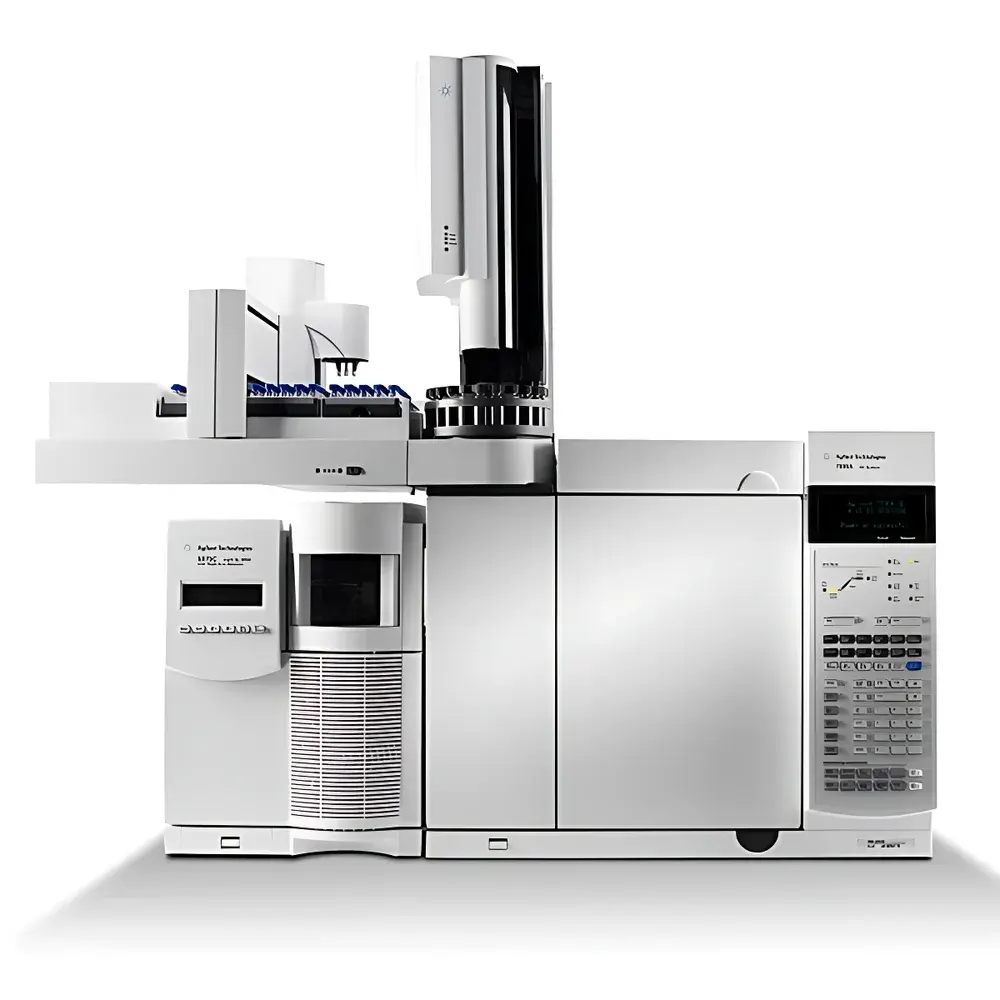
Agilent 7890A-5975C GC-MS System Maintenance and Repair Service
| Brand | Agilent Technologies |
|---|---|
| Origin | USA |
| Manufacturer Type | Authorized Distributor |
| Origin Category | Imported |
| Model | WX-7890A-5975C |
| Service Fee | USD 700–1,400 (excl. parts) |
| Technician Experience | 10 years |
| Instrument Type | Analytical Instrument |
| Response Time | ≤12 hours |
| Service Scope | GC-MS Maintenance, Calibration, Fault Diagnosis & Component-Level Repair |
| Location | Beijing, China |
Overview
The Agilent 7890A Gas Chromatograph coupled with the 5975C Mass Selective Detector (GC-MS) is a widely deployed benchtop analytical platform in pharmaceutical QC, environmental monitoring, food safety testing, and academic research laboratories. This system combines high-resolution capillary GC separation with electron ionization (EI) mass spectrometry for compound identification, quantitation, and structural elucidation. As field-deployed instruments age—typically beyond 8–12 years of continuous operation—system performance degrades due to detector contamination, column bleed accumulation, source fouling, vacuum pump wear, and electronic drift. Our maintenance and repair service targets these failure modes with engineering-level diagnostics and component-level intervention, restoring instrument sensitivity, mass accuracy, retention time stability, and spectral reproducibility in accordance with Agilent’s original specifications.
Key Features
- On-site or depot-based repair conducted by Agilent-trained technicians with ≥10 years of hands-on GC-MS service experience
- Comprehensive diagnostic protocol covering vacuum integrity (≤5×10⁻⁶ Torr baseline), electron multiplier gain calibration, quadrupole mass axis alignment, and EI source cleanliness verification
- Source cleaning and replacement of consumables including filament assemblies, extractor lenses, and ion gauge sensors
- Gas supply validation: carrier gas purity (≥99.999%), flow rate accuracy (±0.1 mL/min), and pressure regulation stability
- Electronics inspection: detector amplifier boards, analog-to-digital converters, and GC oven temperature controller calibration
- Pre- and post-service performance verification using NIST-traceable tuning compounds (e.g., perfluorotributylamine, PFTBA)
- Documentation includes service report, calibration certificate (traceable to NIST standards), and firmware version log
Sample Compatibility & Compliance
This service supports all standard Agilent 7890A-5975C configurations—including single-quadrupole MS detectors with or without inert source options—and maintains full compatibility with legacy and current Agilent ChemStation software (G1701EA/EZ versions). All procedures adhere to ISO/IEC 17025:2017 requirements for testing and calibration laboratories. Where applicable, service documentation satisfies GLP audit trails and FDA 21 CFR Part 11 data integrity expectations for electronic records generated during system qualification (IQ/OQ/PQ). No modification is made to factory-installed firmware or security settings; all calibrations remain within Agilent-recommended tolerances for mass resolution (unit mass peak width ≤0.7 Da at m/z 502), signal-to-noise ratio (>500:1 for m/z 69 in scan mode), and retention time repeatability (RSD <0.05% over 10 injections).
Software & Data Management
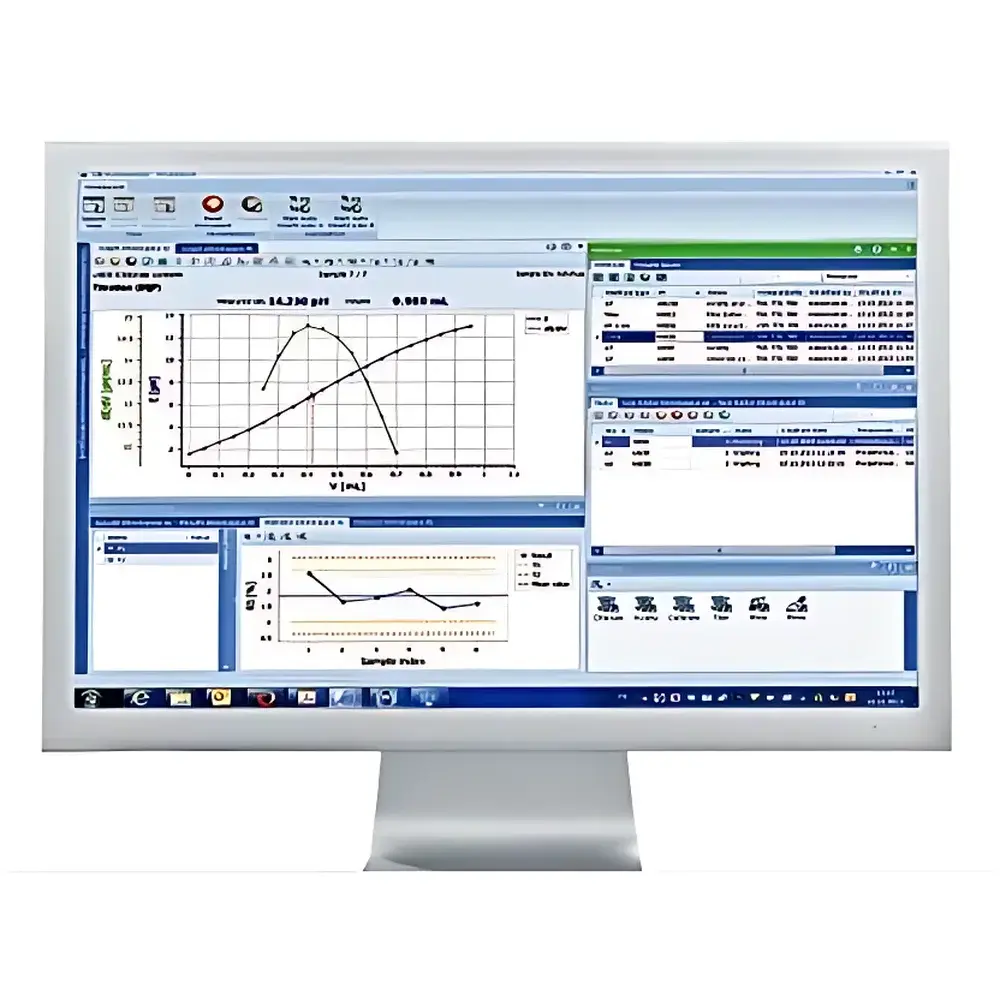
Post-repair software validation ensures seamless integration with Agilent ChemStation v.E.02.02.1440 or later. We verify method transfer integrity, peak integration consistency across multiple acquisition modes (scan, SIM, autotune), and proper generation of .D data folders compliant with LIMS ingestion protocols. Audit trail functionality—including user login history, parameter change logs, and tune report timestamps—is preserved and verified. Optional remote support packages include secure TeamViewer-assisted troubleshooting and real-time diagnostic data export in .CSV and .XML formats compatible with enterprise analytics platforms.
Applications
This maintenance service directly supports regulated workflows across multiple sectors: residual solvent analysis per ICH Q3C guidelines; pesticide multiresidue screening per EPA Method 8270D; volatile organic compound (VOC) profiling in drinking water (EPA 524.2); polycyclic aromatic hydrocarbon (PAH) quantification in soil extracts (EPA 8270); and small-molecule metabolite identification in preclinical bioanalysis. Restored instrument performance enables reliable detection at sub-ppb levels for target analytes while maintaining library search match factors >85% against NIST MS Search 2.3 databases.
FAQ
What is the typical turnaround time for on-site repair?
For urgent cases within Beijing municipality, on-site dispatch occurs within 12 hours of confirmed service order; most diagnostics and minor repairs complete within one business day.
Are replacement parts sourced from Agilent or third-party vendors?
All critical components—including filaments, detector housings, and vacuum gauges—are genuine Agilent OEM parts; non-critical consumables (e.g., septa, ferrules, liner O-rings) meet ASTM D6299 specifications.
Do you provide preventive maintenance contracts?
Yes—customizable quarterly or biannual PM plans include full system bake-out, source cleaning, leak checks, and performance verification with documented pass/fail criteria aligned to ISO 17025 clause 6.4.
Can this service restore compliance for FDA or CNAS audits?
Yes—service reports include metrological traceability statements, uncertainty budgets for key parameters (e.g., mass axis deviation ±0.1 Da), and signed technician credentials meeting ISO/IEC 17025 competency requirements.
Is remote diagnostic support available before dispatch?
Yes—customers may share instrument error logs, tune reports (.TUN), and chromatogram files (.D) for preliminary root-cause analysis prior to field engagement.