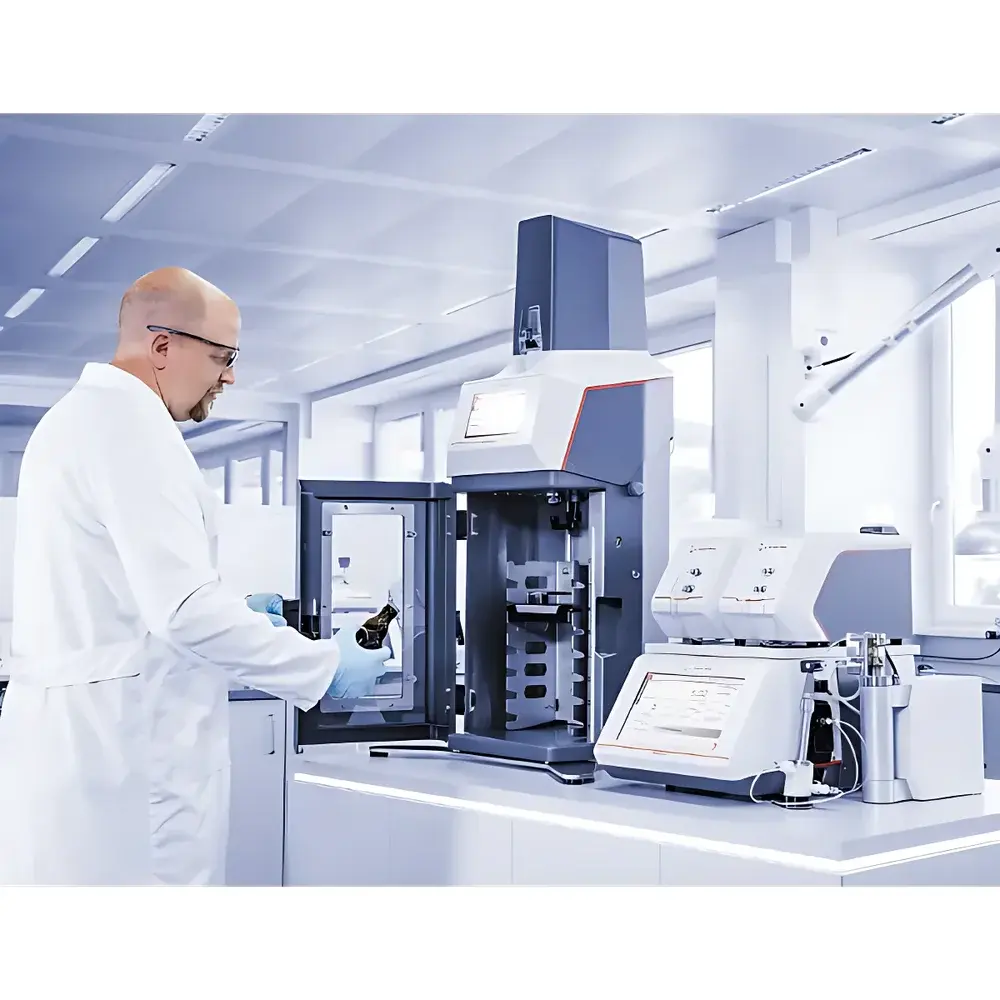
Anton Paar Packaged Beer Measurement System
| Brand | Anton Paar |
|---|---|
| Origin | Austria |
| Manufacturer Type | Original Equipment Manufacturer (OEM) |
| Origin Category | Imported |
| Model | Packaged Beer Measurement System |
| Instrument Type | Dedicated Beer Analyzer |
| Application | Laboratory-Based Quality Control |
| Measurement Time | 3 min per sample |
| Alcohol Content Range | 0–12 % v/v |
| pH Range | 0–14 |
| Dimensions (L × W × H) | 515 × 1200 × 1120 mm / 482 × 750 × 670 mm / 482 × 730 × 446 mm |
| Weight | 30 kg |
| Sampling Technology | Pressurized Direct Injection, No Sample Preparation Required |
| Sample Volume per Package | 260 mL |
| Throughput | 7 samples/hour or 15 samples/hour (depending on configuration) |
Overview
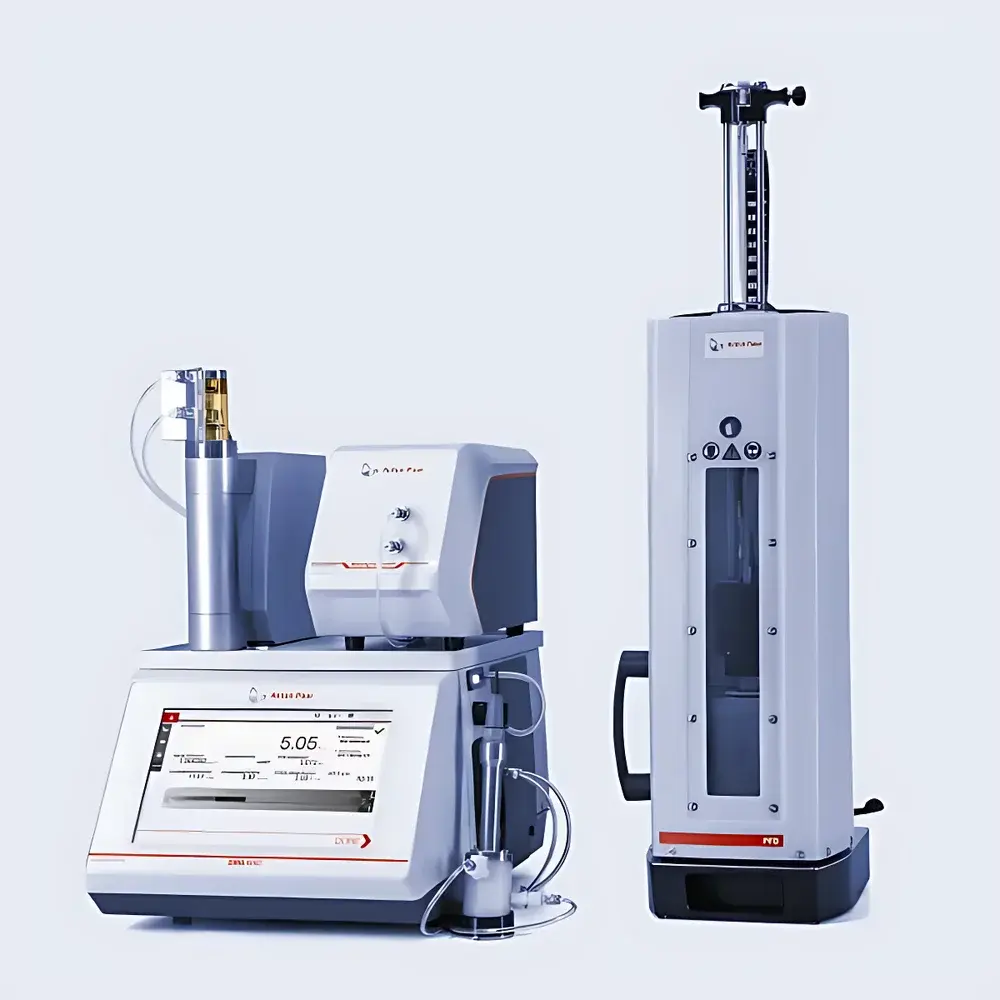
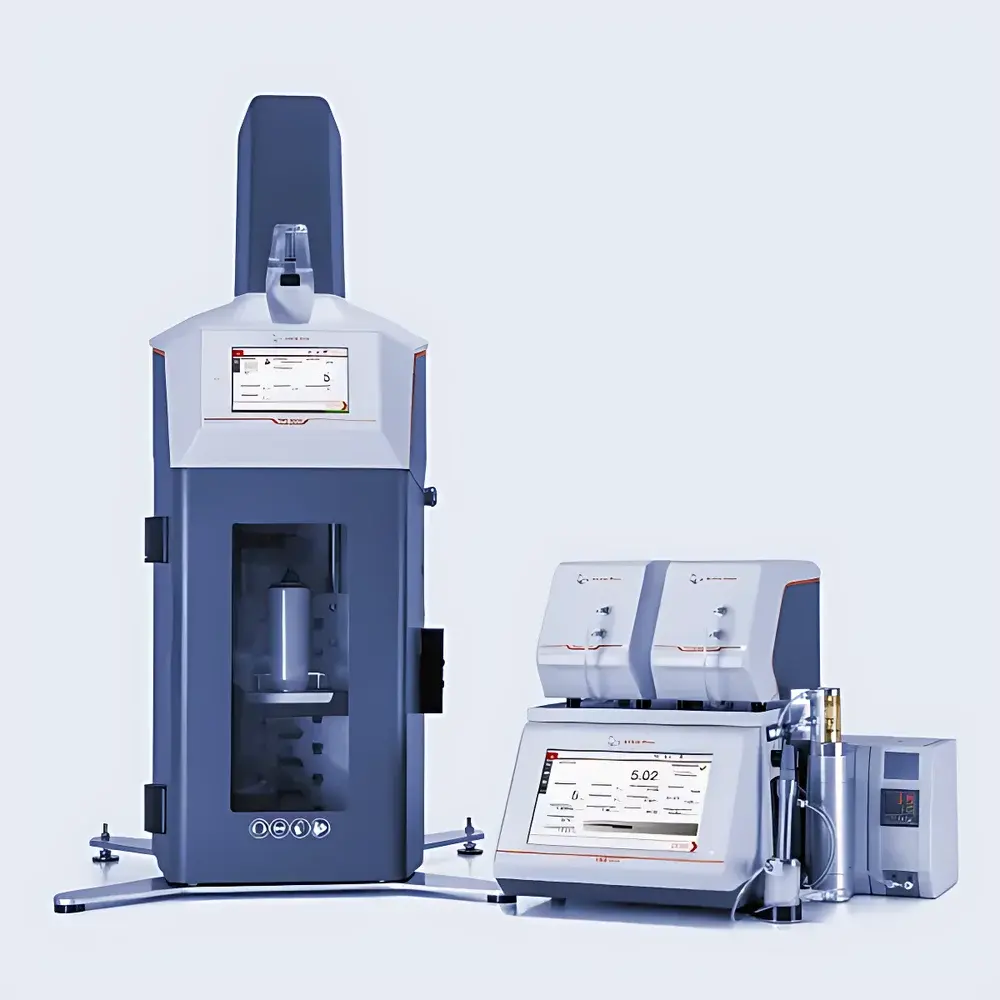
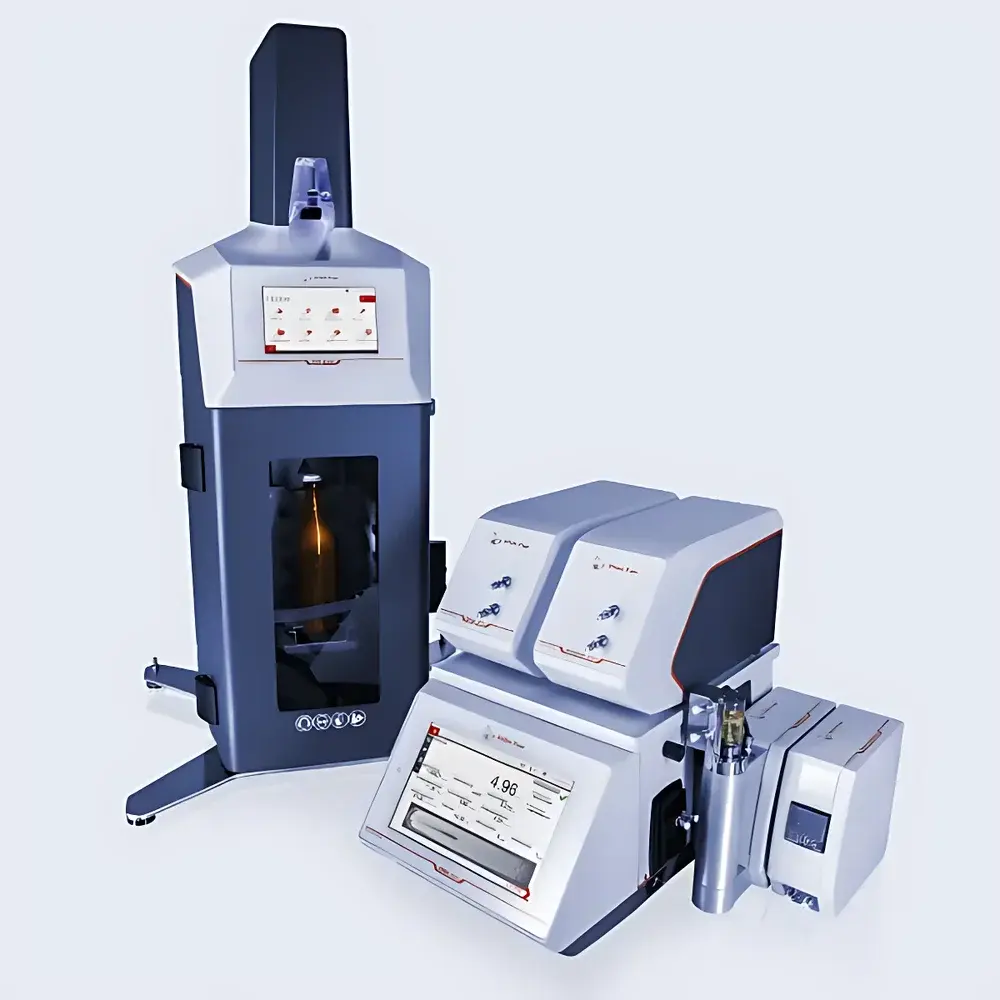
The Anton Paar Packaged Beer Measurement System is a fully automated, modular laboratory platform engineered for comprehensive physicochemical analysis of finished beer directly from final packaging—cans, glass bottles, or PET containers. It integrates multiple metrological principles into a single workflow: oscillating U-tube densimetry (DMA technology), infrared alcohol quantification (Alcolyzer principle), electrochemical dissolved oxygen (DO) and headspace oxygen (HSO) detection (TPO 5000), potentiometric pH measurement, nephelometric turbidity assessment (Haze 3001), and CO₂ volumetric determination via pressure-temperature equilibrium modeling. Designed to meet the stringent repeatability and traceability requirements of modern brewing QA/QC, the system delivers regulatory-compliant data in under three minutes per sample—up to nine times faster than conventional wet-chemistry or manual benchtop methods. Its pressurized direct-injection architecture eliminates exposure to ambient air, prevents CO₂ loss, and avoids contamination risks associated with decanting or degassing—ensuring integrity of volatile and oxygen-sensitive parameters.
Key Features
- Pressurized direct sampling via PFD (Puncture & Fill Device): Enables analysis without opening packages, preserving CO₂ content and minimizing O₂ ingress.
- Modular architecture: Integrates DMA 5002 density meter, Alcolyzer Module 3001 (alcohol), TPO 5000 (total packaged oxygen), Haze 3001 (turbidity), pH 3201 (pH), and CarboQC ME (dissolved gas quantification) in one coordinated platform.
- U-View and FillingCheck: Real-time optical monitoring of sample filling and meniscus positioning ensures measurement validity and full process traceability.
- ThermoBalance temperature compensation: Maintains accuracy across ambient fluctuations (15–32 °C operating range) without external thermostats.
- Automated calibration: Uses only water and binary standard solutions; no product-specific calibrants required—enabling rapid method validation for new formulations.
- Leak-test and auto-cleaning cycles: Embedded diagnostics verify package integrity pre-puncture and maintain sensor hygiene between runs.
- Multi-parameter reporting: Generates consolidated datasets containing >50 quality attributes—including alcohol (% v/v), original extract (°Plato), real extract (% w/w), color (EBC/ASBC), CO₂ (vol./g/L), DO (ppm), HSO (hPa), pH, and turbidity (EBC)—in a single export-ready file.
Sample Compatibility & Compliance
The system accommodates all commercially sealed beer packages—aluminum cans (including pull-tab and stay-tab), glass bottles (crown-capped, swing-top, corked), and PET bottles—without modification. Sample handling complies with international brewing standards including MEBAK Chapters 2.9.6.3 (TPO), 2.12.2 (CO₂), and 2.14.1.2 (pH); EBC Methods 8.2.2 (alcohol), 9.2.6 (turbidity), 9.43.2 (color); ASBC Beer-4G (original extract); AOAC 956.02 (turbidity at 430 nm); and TTB-mandated density-based alcohol verification per 27 CFR Part 25. All measurements support GLP/GMP documentation requirements, with audit trails compliant with FDA 21 CFR Part 11 when paired with Anton Paar’s LabX software.
Software & Data Management
Controlled by LabX software, the system provides role-based user access, electronic signatures, and full audit trail functionality—including timestamps, operator ID, calibration logs, and raw sensor outputs. Data export supports CSV, PDF, and LIMS-compatible XML formats. Method templates can be locked, version-controlled, and distributed across networked instruments. Optional integration with brewery ERP/MES systems enables automatic transfer of QC results to production dashboards. All measurements include uncertainty estimation per ISO/IEC 17025 guidelines, and calibration records are automatically archived with metadata (temperature, pressure, solution lot numbers).
Applications
- Final product release testing: Verification of alcohol content, CO₂ saturation, dissolved oxygen, and microbial stability indicators (e.g., turbidity, pH) prior to distribution.
- Filler performance monitoring: Detection of under/over-carbonation, inconsistent fill volumes, or oxygen ingress during packaging—enabling root-cause analysis of line deviations.
- Batch homogeneity assessment: Statistical evaluation of tank-to-tank or batch-to-batch consistency using multivariate control charts.
- Tax compliance reporting: Generation of TTB-validated alcohol reports and excise duty calculations based on certified density-alcohol correlations.
- R&D formulation optimization: Rapid screening of novel yeast strains, hop extracts, or fermentation profiles via parallel CO₂/pH/turbidity kinetics.
- Supplier quality audits: Objective benchmarking of contract-brewed batches against internal specifications or industry benchmarks (e.g., EBC, ASBC).
FAQ
What sample volume is required per analysis?
260 mL of beer is drawn directly from the sealed package using the PFD—no dilution, filtration, or degassing is needed.
Can the system analyze non-alcoholic beer or low-ABV products?
Yes—the alcohol module maintains full accuracy down to 0 % v/v, and the density-based calculation remains valid across the entire 0–12 % v/v range.
How does the system ensure oxygen measurement accuracy?
TPO 5000 employs dual-sensor electrochemical detection with automatic headspace equilibration and temperature-compensated calibration—achieving ±8 ppb or ±6% (whichever is greater) repeatability per MEBAK B-590.10.181.
Is method validation required for each new beer style?
No—calibration uses universal standards (water, ethanol-water mixtures); no product-specific matrix matching is necessary due to the system’s physical measurement principles.
What maintenance intervals are recommended?
Daily: Visual inspection of PFD seals and optical windows; weekly: Sensor cleaning with manufacturer-approved reagents; annually: Full metrological recalibration by Anton Paar-certified service engineers.