
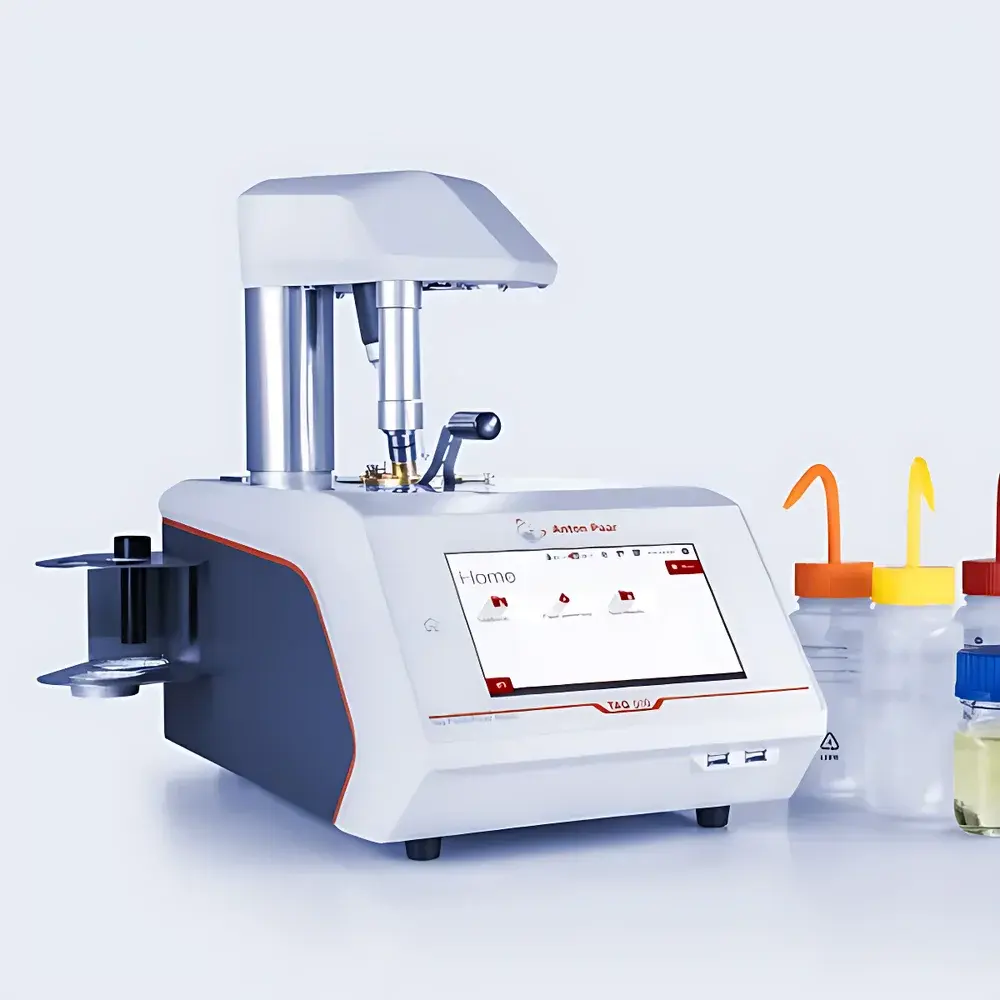
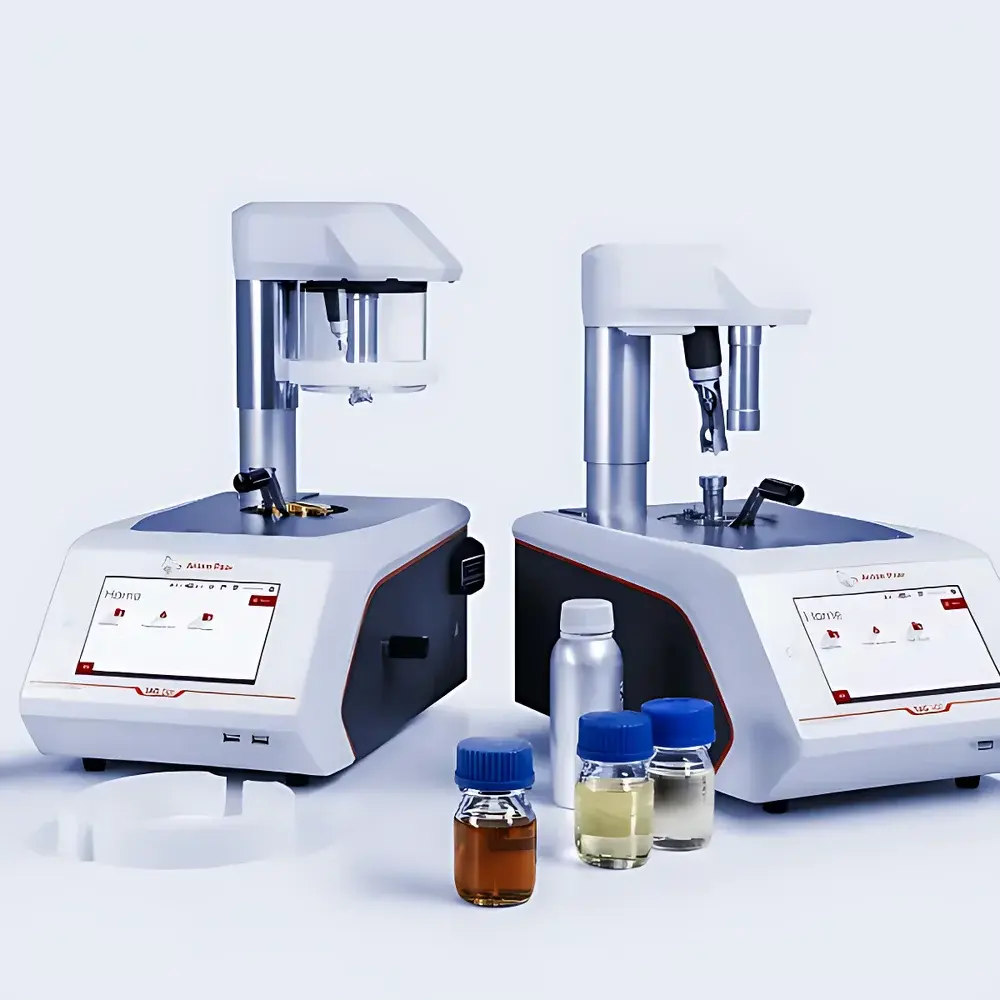
Anton Paar TAG500 Automated Closed-Cup Flash Point Tester
| Brand | Anton Paar |
|---|---|
| Origin | Germany |
| Manufacturer Type | Manufacturer |
| Origin Category | Imported |
| Model | TAG500 |
| Detection Method | Closed-Cup (Tagliabue) |
| Operation Mode | Fully Automatic |
| Temperature Range | −30 °C to +130 °C |
| Ignition Source | Electronic (Encapsulated Hot-Wire) |
| Compliant Standards | ASTM D56, ASTM D3941, ASTM D3934, ISO 1516, ISO 1523 |
Overview
The Anton Paar TAG500 is a fully automated, high-precision closed-cup flash point tester engineered for rigorous compliance with internationally recognized petroleum and chemical testing standards. It operates on the Tagliabue (TAG) principle—measuring the lowest temperature at which vapors above a liquid sample ignite momentarily when exposed to an electrically heated wire ignition source under controlled, sealed conditions. Designed for laboratories requiring reproducible, auditable, and operator-safe flash point determinations, the TAG500 delivers metrological traceability across a broad operational range—from cryogenic-grade solvents at −35 °C to high-boiling industrial fluids up to +130 °C. Its architecture integrates dual thermal control pathways (Peltier-based internal cooling plus optional external chiller support), redundant optical flame detection, and fail-safe thermal cutoffs—ensuring measurement integrity while meeting stringent occupational safety and regulatory expectations in R&D, QC, and third-party certification environments.
Key Features
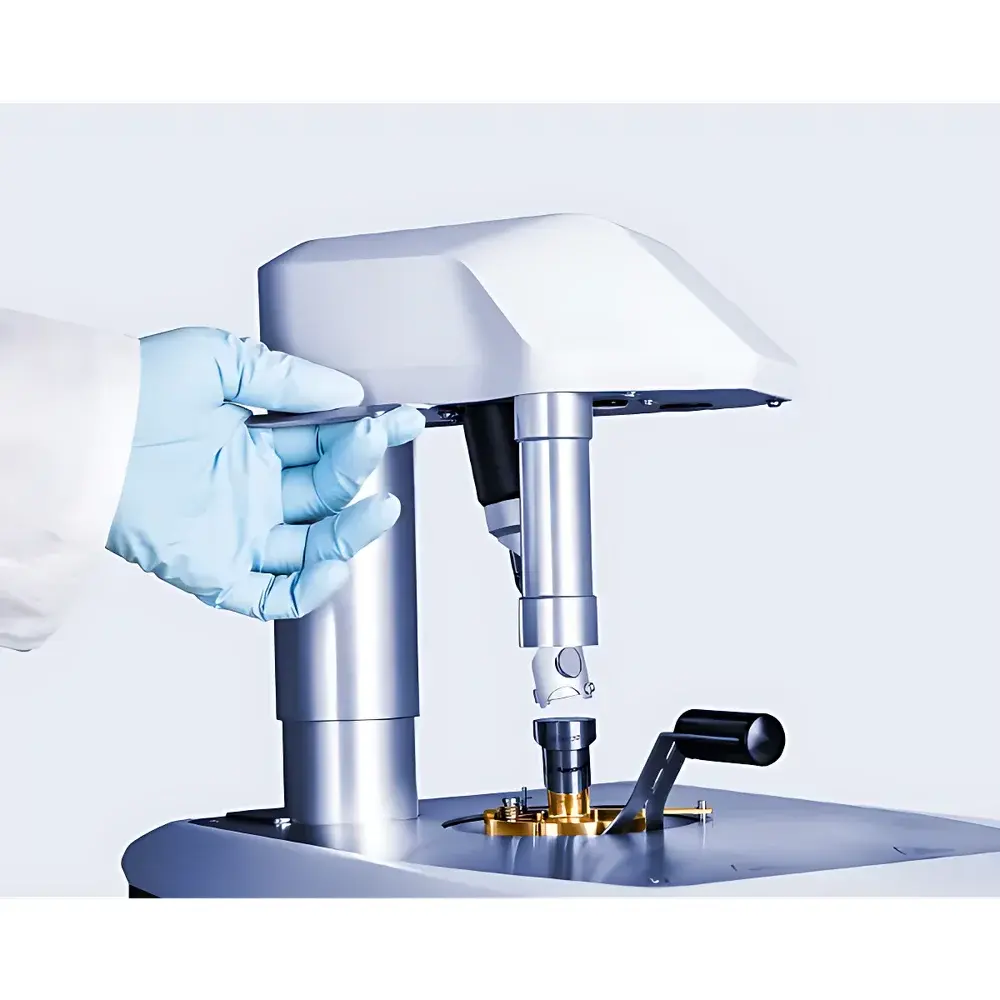
- Extended-Service Ignition System: Ceramic-coated encapsulated hot-wire igniter—engineered for >10× longer service life versus conventional filament-based systems, minimizing maintenance intervals and calibration drift.
- Modular, Cable-Free Sensor Head: Multi-sensor probe automatically establishes electrical and thermal contact upon insertion—eliminating exposed wiring, reducing contamination risk, and enhancing long-term signal stability.
- Dual Cooling Architecture: Integrated Peltier cooling enables rapid stabilization between +10 °C and +130 °C; optional external chiller extends validated operation down to −35 °C—ideal for aviation turbine fuels (Jet A-1, JP-8), refrigerants, and low-volatility specialty chemicals.
- Optical Flame Detection & Active Fire Suppression: Dual-wavelength optical sensor detects flash events independent of thermal transients; integrated CO2/N2 extinguishing system triggers within milliseconds upon flame confirmation—halting measurement, cooling the cup, and preserving sample integrity.
- Intuitive 7″ PCAP Touch Interface: Context-aware workflow guidance, real-time temperature/ignition event visualization, customizable test templates, and multi-level user access control (operator, supervisor, administrator) aligned with GLP/GMP documentation requirements.
- Atmospheric Pressure Compensation: Built-in barometric sensor automatically corrects flash point results to standard atmospheric pressure (101.3 kPa), eliminating manual correction and supporting ISO 1516 Annex B and ASTM D56 Section 8.2 compliance.
Sample Compatibility & Compliance
The TAG500 accommodates diverse sample matrices—including aviation gasoline (Avgas), jet fuels, hydrocarbon solvents, fragrance compounds, pharmaceutical intermediates, and halogenated or acidic liquids—without cross-contamination or degradation. Interchangeable test cups are available in brass (per ASTM D56) or electropolished stainless steel (for corrosive or sulfur-laden samples per ASTM D3934). All hardware and firmware are validated against the full scope of referenced methods: ASTM D56 (Tag Closed-Cup), ASTM D3941 (Equilibrium Method), ASTM D3934 (Non-Equilibrium Method), ISO 1516 (Determination of Flash Point — Tag Closed Cup Method), and ISO 1523 (Flash Point — Tag Closed Cup Method for Low-Viscosity Liquids). Instrument qualification includes IQ/OQ documentation packages, electronic audit trails compliant with FDA 21 CFR Part 11, and full traceability to NIST-traceable reference standards.
Software & Data Management
Embedded firmware supports >1,000 user-defined test protocols—including custom ramp rates, hold times, ignition timing sequences, and pass/fail logic. Measurement data—including raw thermocouple traces, ignition timestamps, pressure-corrected flash points, repeatability statistics (RSD ≤ 0.5% per ASTM D56), and environmental metadata—are stored locally (1 GB onboard memory ≈ 50,000 tests) and exportable via USB or LAN. AP Connect software enables centralized instrument fleet monitoring, remote method deployment, LIMS integration (via ASTM E1384-compliant CSV/Excel or direct SQL push), scheduled email reporting, and secure cloud-accessible digital archives. All user actions—method edits, calibrations, result approvals, and system resets—are logged with timestamp, operator ID, and reason code for regulatory review.
Applications
- Quality control of aviation and automotive fuels per DEF STAN 91-91, IP 170, and EN 13016-1
- Flash point verification of solvent blends in paint, ink, and adhesive manufacturing
- Regulatory submission testing for REACH, CLP, and GHS hazard classification (UN GHS Category 1–4)
- Stability assessment of bio-based esters and synthetic lubricants during oxidation studies
- Method development and validation for novel electrolytes in battery research
- Third-party certification labs performing ISO/IEC 17025-accredited flash point testing
FAQ
What closed-cup standards does the TAG500 support?
ASTM D56, ASTM D3941, ASTM D3934, ISO 1516, ISO 1523, and IP 34—all executed with automatic parameter selection based on selected standard.
Can the TAG500 test samples below 0 °C without external cooling?
Yes—the integrated Peltier system achieves stable operation down to −7 °C internally; for measurements between −35 °C and −7 °C, an optional external chiller is required.
Is pressure correction applied automatically during testing?
Yes—real-time barometric pressure measurement and algorithmic correction per ASTM D56 Section 8.2 and ISO 1516 Annex B occur without user intervention.
How is fire safety ensured during abnormal events?
Dual optical flame detection triggers immediate termination, active cooling to <40 °C, and inert gas discharge—verified by independent third-party safety certification (TÜV Rheinland).




