
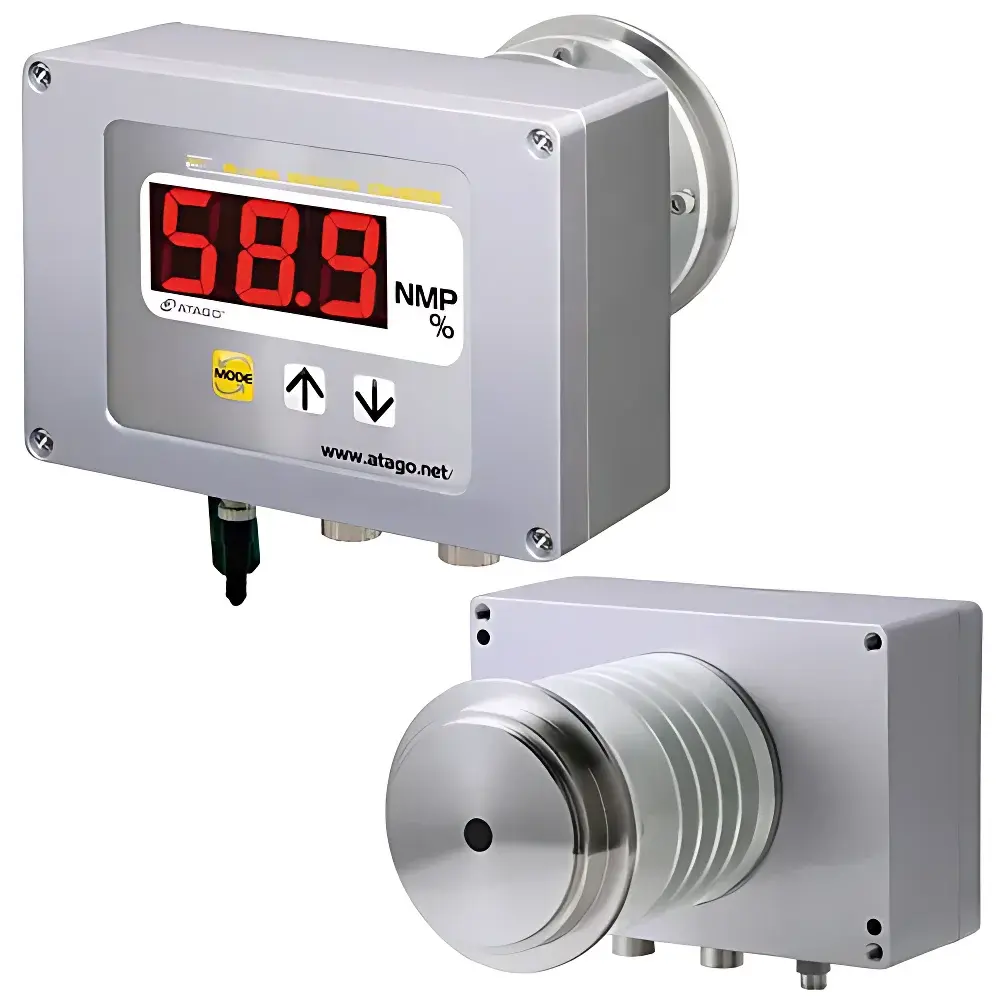
ATAGO CM-800α-NMP In-line Refractometer
| Brand | ATAGO |
|---|---|
| Origin | Japan |
| Product Type | In-line Refractometer |
| Model | CM-800α-NMP |
| Measurement Range | 0.0–100.0% (NMP concentration, w/w) |
| Accuracy | ±0.1% |
| Display | Digital LCD |
| Temperature Control | Not integrated |
| Compliance | Designed for industrial process monitoring in ISO/IEC 17025-aligned environments |
| Regulatory Context | Supports GLP/GMP-relevant traceability when paired with validated data logging systems |
Overview
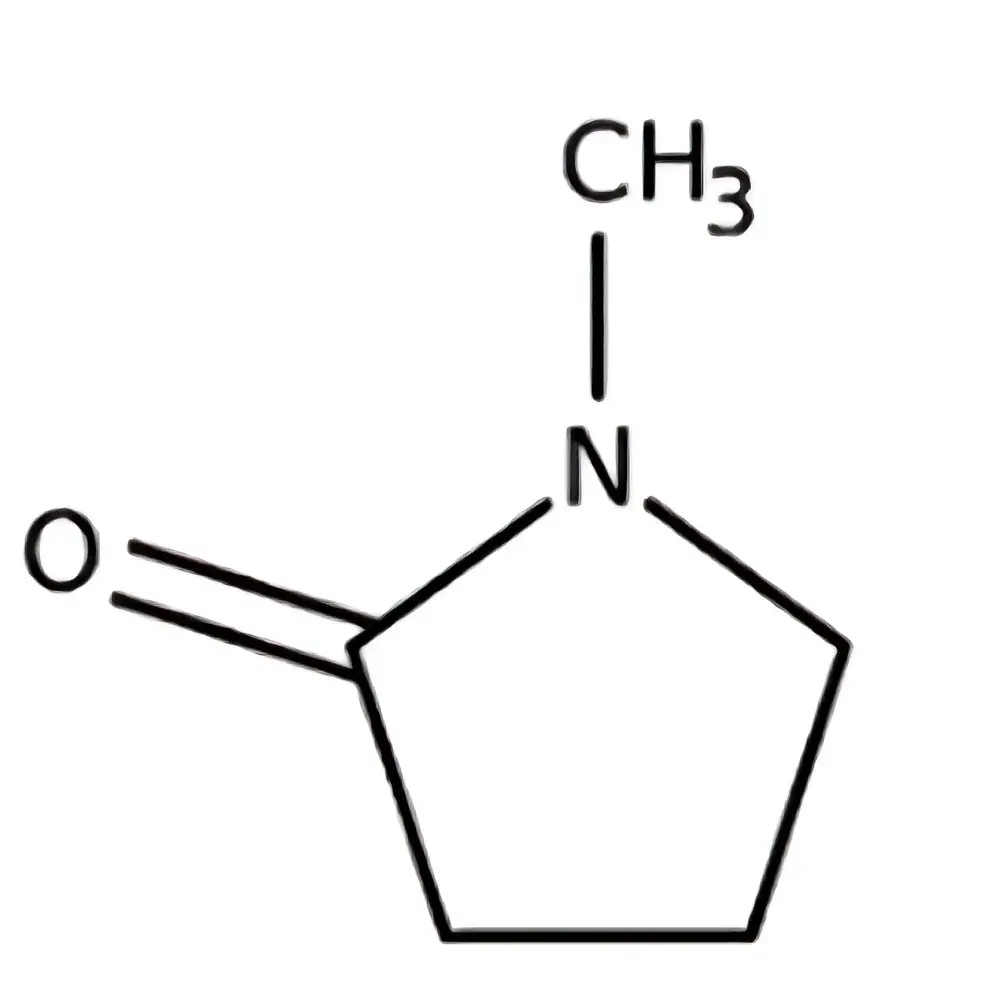
The ATAGO CM-800α-NMP In-line Refractometer is a dedicated optical process analyzer engineered for continuous, real-time measurement of N-methyl-2-pyrrolidone (NMP) concentration in lithium-ion battery electrode slurry manufacturing lines. It operates on the principle of critical-angle refractometry: incident light passes through a sapphire prism in direct contact with the process stream; changes in the refractive index—linearly correlated to NMP mass fraction under controlled temperature and composition conditions—are converted into precise % w/w concentration values. Unlike benchtop or handheld units, the CM-800α-NMP integrates directly into stainless-steel piping (standard 1.5″ sanitary or tri-clamp interfaces), enabling uninterrupted monitoring without sample extraction, flow interruption, or operator intervention. Its optical architecture features temperature-stabilized LED illumination and a high-resolution photodiode array, delivering stable readings across typical production ambient temperatures (10–40 °C), though it does not incorporate active thermal regulation—making it suitable for applications where upstream temperature control is already established per ASTM D1218 or ISO 21602 guidelines.
Key Features
- Dedicated calibration for NMP–water–PVDF systems: factory-calibrated using certified reference standards traceable to NIST SRMs, ensuring linearity across the full 0.0–100.0% range relevant to solvent recovery, distillation overheads, and slurry formulation stages.
- Robust in-process design: IP65-rated housing with 316L stainless-steel wetted parts and sapphire measuring prism; compatible with CIP/SIP protocols common in battery material cleanrooms (ISO Class 7–8).
- Digital output interface: RS-485 Modbus RTU and 4–20 mA analog output enable seamless integration into DCS, SCADA, or MES platforms for automated batch release and SPC charting.
- Self-diagnostic optics: automatic zero-point verification at startup and periodic drift compensation algorithms minimize manual recalibration frequency—typically required only after maintenance or fluid system changeover.
- Low-maintenance operation: no consumables, no reagents, and no moving parts; mean time between failures (MTBF) exceeds 60,000 hours under continuous duty per IEC 61508 SIL-2 functional safety assessment.
Sample Compatibility & Compliance
The CM-800α-NMP is validated for use with homogeneous, particle-free NMP streams containing ≤50 ppm suspended solids—common in post-filtration solvent loops or distillate receiver tanks. It is not intended for slurries containing PVDF polymer particles or carbon black dispersions without prior inline filtration (≥5 µm). While the instrument itself carries CE marking and conforms to EMC Directive 2014/30/EU and RoHS 2011/65/EU, its deployment in regulated battery material production aligns with broader quality system requirements: data integrity supports FDA 21 CFR Part 11 compliance when connected to audit-trail-enabled historian software; measurement uncertainty budgets satisfy ISO/IEC 17025 clause 7.6.3 for in-house method validation; and its documented metrological traceability meets JIS Z 8000-3 and ISO 5725-2 repeatability criteria (RSD < 0.15% at 95% confidence).
Software & Data Management
ATAGO provides the optional CM-800 Series Configuration Utility (Windows-based), allowing users to configure alarm thresholds, linearization tables, unit scaling, and communication parameters. Raw refractive index (nD) and % w/w outputs are timestamped and exportable as CSV or Excel-compatible files. When interfaced with third-party LIMS or PI System platforms, the device supports automated trending of concentration drift, deviation alerts against master batch specifications, and electronic signature–enabled review workflows compliant with Annex 11 and ALCOA+ principles. No cloud connectivity or proprietary firmware updates are embedded—ensuring air-gapped deployment suitability for semiconductor-grade cleanroom networks.
Applications
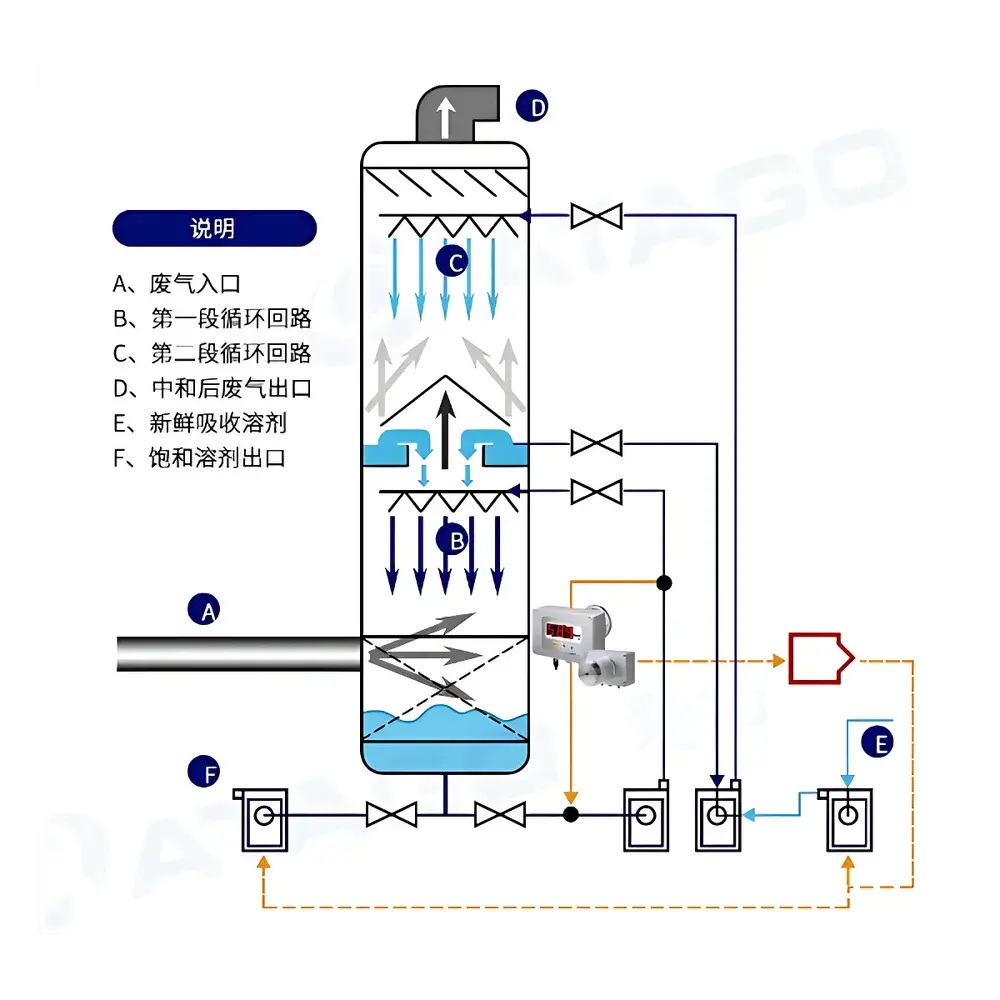
- Real-time monitoring of NMP purity during solvent recycling—detecting water ingress or low-boiling impurities before reintroduction into slurry mixing.
- Endpoint detection in fractional distillation columns recovering >99.9% NMP from spent electrode scrap.
- In-line verification of incoming NMP drum lots against supplier COA (Certificate of Analysis) prior to unloading into bulk storage.
- Process validation support for PQ (Performance Qualification) protocols in GMP-compliant cathode/anode coating facilities.
- Correlation studies linking refractive index shifts to Karl Fischer titration results—enabling rapid surrogate testing with <±0.03% moisture equivalent uncertainty.
FAQ
Does the CM-800α-NMP require temperature compensation?
No—this model lacks built-in Peltier temperature control. Accurate concentration reporting assumes process fluid temperature remains within ±2 °C of the calibration temperature (typically 25 °C). External loop temperature stabilization is recommended.
Can it measure NMP mixed with other solvents (e.g., DMAC or DMAc)?
Not without revalidation. The factory calibration is specific to binary NMP–water and ternary NMP–water–PVDF systems. Multi-solvent blends require custom calibration curves verified per ISO 80000-7.
Is cleaning validation supported for pharmaceutical-grade use?
Yes—the sapphire prism and 316L flow cell are compatible with IPA, acetone, and aqueous NaOH rinses. Cleaning efficacy can be confirmed via baseline refractive index recovery tests per USP .
What is the minimum flow rate for stable measurement?
1.2 L/min at 3 bar pressure ensures laminar, bubble-free contact with the prism surface. Lower flow rates may introduce air entrapment errors.
How often must the instrument be recalibrated?
Annually under normal operation—or after any mechanical impact, prism scratch, or replacement of the optical window—using ATAGO-certified NMP standard solutions (Cat. No. R-STD-NMP-100, R-STD-NMP-50).




